Your heating and cooling system will not last forever. Every homeowner faces this decision eventually. Knowing when to replace heating and air conditioning comes down to three things: the age of your system, the cost of repairs, and the warning signs it gives you before it fails. Furnaces, air conditioners, heat pumps, and boilers each wear out on their own timeline. Repair costs above a certain point make replacement the smarter financial move. The season you replace in changes both the price and how fast you get installed. Once you weigh these factors together, you can tell exactly where your system stands and what to do next.
Quick Answer
Most air conditioners and heat pumps last 10 to 15 years. Furnaces often last 15 to 20 years. If your system needs a repair that costs more than half the price of a new one, replacement usually makes more sense. Rising energy bills, frequent repairs, and unusual noises are all signs your system is near the end of its life.
| System Type | Average Lifespan | Key Replacement Trigger |
| Air Conditioner | 10 to 15 years | Compressor failure, R-22 refrigerant, repeated repairs |
| Heat Pump | 10 to 15 years | Same as AC, plus reduced heating output |
| Gas Furnace | 15 to 20 years | Cracked heat exchanger |
| Oil Furnace | 10 to 15 years | Cracked heat exchanger, rising fuel costs |
| Boiler | 20 to 35 years | Leaking heat exchanger |
| Ductless Mini-Split | 10 to 30 years | Compressor failure, loss of efficiency |
How Long Do Heating and Cooling Systems Actually Last
Lifespan depends on the type of system you own. It also depends on maintenance, installation quality, and your local climate. ENERGY STAR recommends replacing most HVAC systems every 10 to 15 years for cooling equipment. Heating equipment often lasts longer.
Furnace Lifespan: Gas vs Oil
Gas furnaces typically run for 15 to 20 years with regular maintenance. Oil furnaces usually last 10 to 15 years. Oil burns hotter and puts more strain on internal components. Most furnaces get replaced once the heat exchanger starts to leak. A cracked heat exchanger can leak carbon monoxide into your home. This is a safety issue, not just a performance issue.
Air Conditioner and Heat Pump Lifespan
Central air conditioners and heat pumps last 10 to 15 years on average. The compressor is usually the part that fails first. A failed compressor often costs close to half the price of a full replacement. At that point, replacing the whole unit makes more financial sense than repairing it.
Boiler Lifespan
Boilers are built differently than furnaces. Many last 20 to 35 years. They also fail for the same core reason: a leaking heat exchanger. If your boiler is over 20 years old and needs a major repair, replacement is usually the smarter choice.
Ductless Mini-Split Lifespan
Ductless mini-splits can last 10 to 30 years depending on the brand and climate. Coastal homes see shorter lifespans due to salt air corrosion. Regular filter cleaning extends the life of these systems significantly.
What Actually Shortens or Extends System Life
Several factors affect how long any heating or cooling system lasts.
- Maintenance history: Systems serviced yearly last longer than neglected ones.
- Installation quality: A poorly installed system wears out faster.
- System sizing: An oversized or undersized unit cycles too often and breaks down sooner.
- Climate: Coastal and humid regions shorten lifespan due to corrosion and moisture.
- Usage intensity: Systems that run constantly wear out faster than lightly used ones.
A well-installed, well-sized system that gets annual maintenance can outlast the average by several years.
Signs Your Air Conditioner Needs Replacing
Some signs point specifically to your cooling system. Watch for these before you decide between a repair and a full swap.
- Your AC unit is 10 to 15 years old.
- It still uses R-22 refrigerant, also called Freon. Production of R-22 stopped in 2010, and the EPA phased it out completely in 2020.
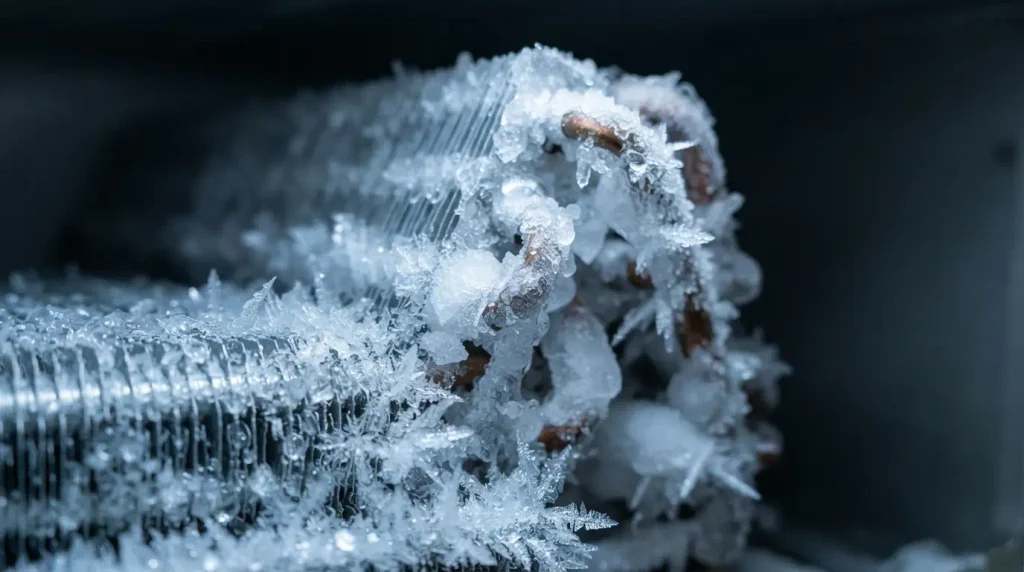
- The evaporator coil is frozen. This usually means low refrigerant, blocked airflow, or a dirty coil.
- Airflow feels weak even with a clean filter. This often points to a failing blower motor.
- Indoor humidity feels high even when the AC is running.
- The unit is clearly too big or too small for your home. An oversized unit cools too fast and shuts off before removing humidity. An undersized unit runs constantly and still can’t keep up.
If two or more of these apply, it’s worth getting a professional opinion before your next major repair bill arrives.
Signs Your Furnace Needs Replacing
Furnace problems often get less attention than AC problems, but the risks can be higher.
- Your furnace is 15 years or older.
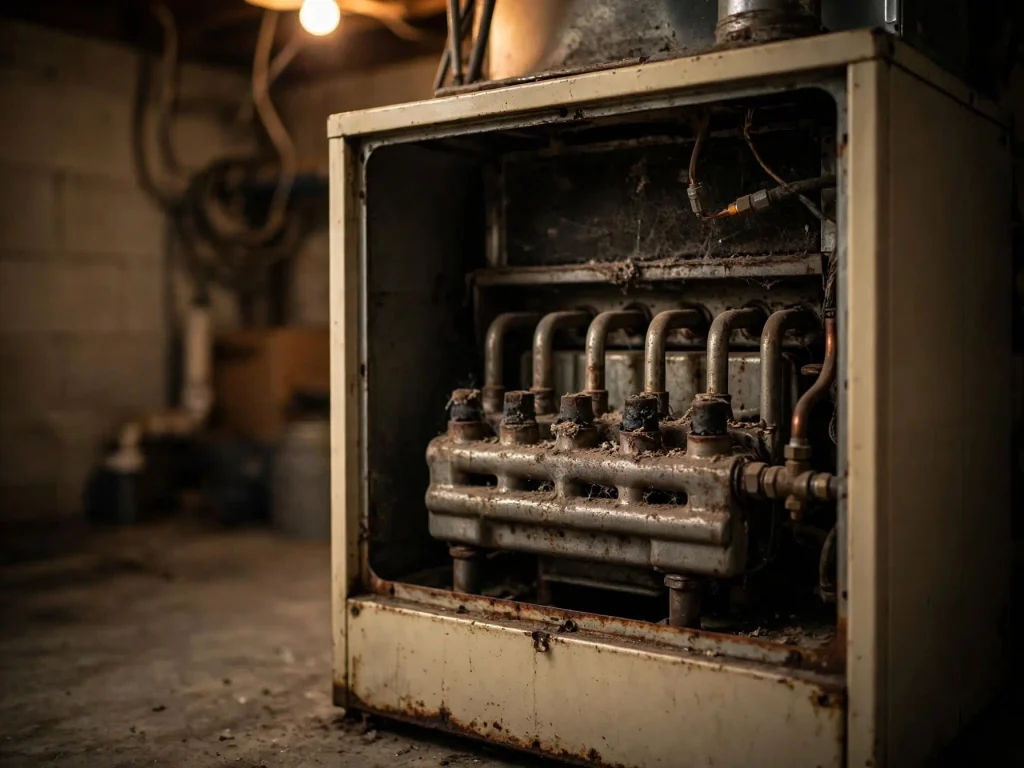
- You notice a cracked or corroded heat exchanger during an inspection.
- The system short-cycles, turning on and off every few minutes instead of running a full cycle.
- The pilot light burns yellow instead of blue. This can signal a carbon monoxide risk.
- Heating costs rise season after season even though your usage hasn’t changed.
- Certain rooms stay cold no matter how high you set the thermostat.
A cracked heat exchanger is one of the few HVAC issues that should never wait. If a technician finds one, replacement is the safe choice, not just the smart one.
Warning Signs That Apply to Any Heating and Cooling System
Some signs point to trouble no matter which type of system you own.
- Overall utility bills climb steadily year over year with no other explanation, like a rate hike or added appliances.
- You call for repairs more than once a season.
- The system makes banging, grinding, or squealing noises.
- You smell musty odors, which often mean mold in the ductwork, or burning smells, which can mean an electrical issue.
- Rooms in your home never feel consistently comfortable.
- You notice leaks or excess condensation near the indoor unit.
Any one of these alone might just call for a repair. Several appearing together usually means the system is nearing its end.
When to Replace Heating and Air Conditioning Based on Repair Costs
The clearest financial rule in HVAC is simple. If a repair costs more than 50 percent of a full replacement, replace the system instead. This 50 percent rule is the clearest way to know when to replace heating and air conditioning without guessing.
Here is how that math plays out in real numbers.
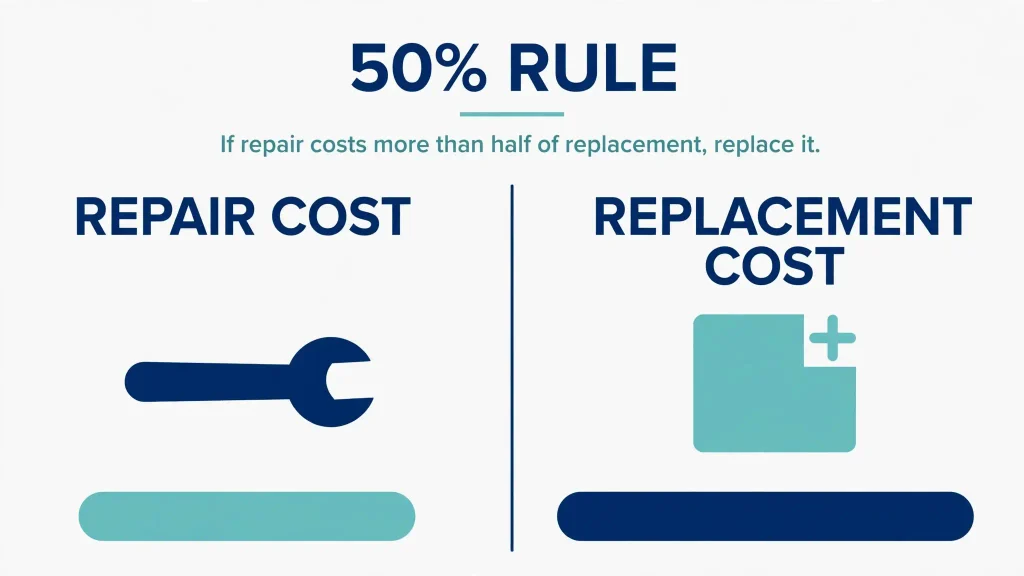
Example 1: Your air conditioner needs a new compressor. The repair quote is $2,800. A full replacement costs $5,500. The repair is 51 percent of replacement cost. Replacement makes more sense here.
Example 2: Your furnace needs a new igniter. The repair quote is $350. A full replacement costs $4,200. The repair is only 8 percent of replacement cost. Repair is clearly the better choice.
Age matters too. A $1,500 repair on a 4-year-old system is worth it. The same repair on an 18-year-old system often is not, since more failures are likely to follow soon after.
Repair is not always the wrong answer, even on an older system. If your furnace is 12 years old, working well, and needs a $150 part, fixing it usually beats replacing a system that still has years left.
How Much Does HVAC Replacement Cost
National data shows a full HVAC replacement typically costs between $5,000 and $14,000, depending on system size, efficiency rating, and home size. Furnace-only replacements usually cost less than a full system swap. Central air conditioner replacements often fall in the $4,000 to $8,000 range for an average home.
Larger homes need larger systems, which raises the price. A 1,500 square foot home may only need a 2.5-ton unit. A 3,000 square foot home may need a 4 or 5-ton system. Bigger capacity costs more upfront but keeps the home comfortable.
Ask any contractor for a written, itemized quote before agreeing to a price. A proper quote should include equipment brand, model, size, and labor costs separately.
The Refrigerant Transition Homeowners Need to Know About
Refrigerants have changed several times over the past two decades, and homeowners should understand where things stand now. R-22, also called Freon, was the standard refrigerant for decades. The EPA banned new production of R-22 in 2020 due to its impact on the ozone layer.
R-410A replaced R-22 as the industry standard. Now a newer shift is underway. As of 2025, manufacturers are moving toward lower-impact refrigerants like R-454B and R-32. These refrigerants have a smaller environmental footprint than R-410A.
If your system still uses R-22, repairs are expensive and parts are scarce. If you are buying new equipment now, ask your contractor which refrigerant the system uses and how that affects long-term service and part availability.
The Best Time of Year to Replace Your System
Timing your replacement can save money and reduce stress.
When to Replace Heating and Air Conditioning Before It Fails
The best time to replace a heating or cooling system is before it fails completely. Waiting for a breakdown often means replacing your system during the least convenient season, when demand and prices are highest. If your system is 10 years or older and showing early warning signs, plan your replacement during the fall or spring instead of waiting.
Why Off-Season Timing Saves Money
Fall and spring are the off-season for most HVAC contractors. Technicians have more availability. Equipment is easier to source. Prices are often lower than during peak summer or winter demand. This off-season window also gives you time to compare contractors and get multiple quotes without rushing.
What Happens If You Wait Too Long
Waiting until a breakdown limits your options. You may end up with whatever unit a contractor has in stock, installed under time pressure, at peak-season pricing. A total failure in extreme weather can also leave your home uncomfortable or unsafe for days while you wait for installation.
What to Expect During HVAC Replacement
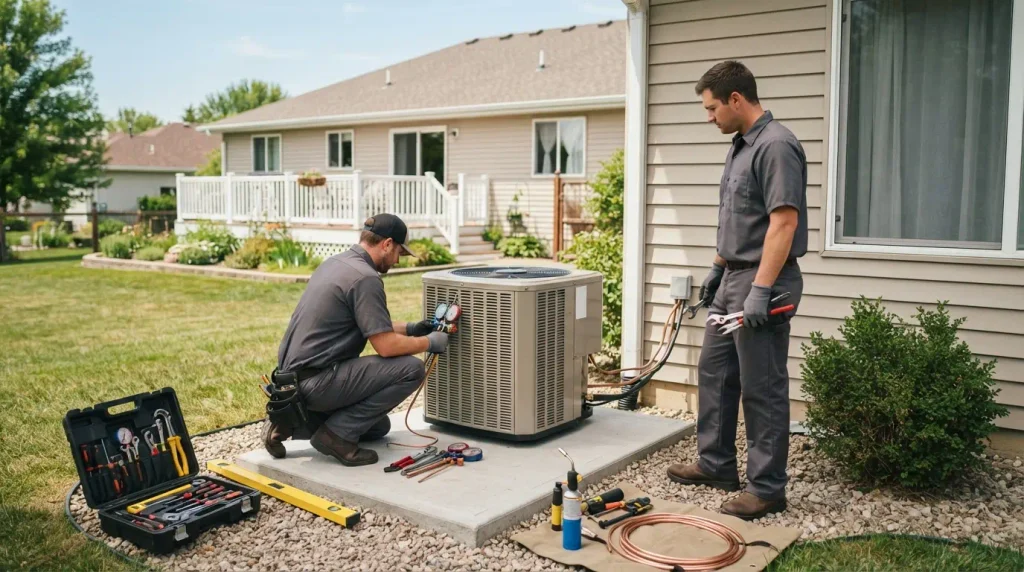
A proper HVAC replacement involves more steps than simply swapping old equipment for new.
- A technician performs a home visit and a load calculation. This measures your home’s exact heating and cooling needs based on square footage, insulation, and window count.
- The contractor recommends a properly sized system, often called a matched system, meaning the indoor and outdoor components work together efficiently.
- The old unit gets removed and disposed of properly, especially if it uses R-22 refrigerant.
- The new system gets installed, including any needed ductwork adjustments.
- The technician tests the system and walks you through its operation.
Ask about the load calculation specifically. A contractor who skips this step may install a system that is the wrong size for your home, which shortens its lifespan and raises your energy bills.
How to Extend the Life of Your Current System
Not every homeowner needs to replace their system today. Regular care extends the life of almost any HVAC unit.
- How often to change your furnace filter depends on its thickness and your household, but 1 to 3 months is a safe starting point for most homes
- Schedule professional maintenance once a year for AC, once a year for furnaces.
- Keep outdoor units clear of leaves, dirt, and debris.
- Seal air leaks around windows and doors to reduce strain on the system.
- Have ductwork inspected for leaks every few years.
Consistent upkeep is often the difference between a system that lasts 12 years and one that lasts 18.
Worthwhile Upgrades If You Are Replacing Anyway
If you have decided to move forward with heating and cooling replacement, a few upgrades are worth asking your contractor about.
- High SEER2-rated equipment for better cooling efficiency.
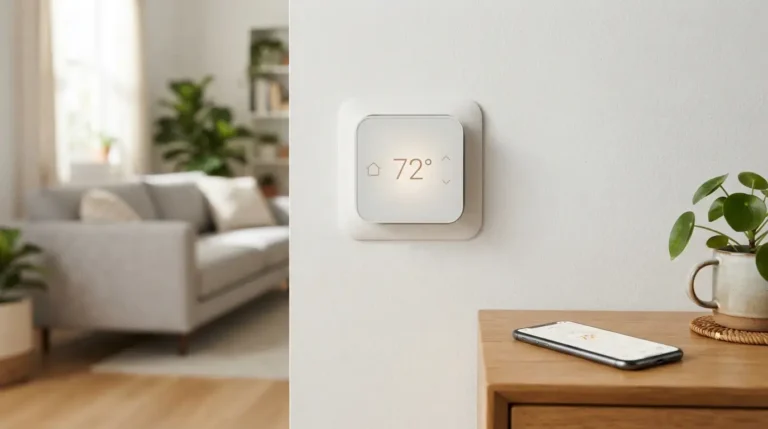
- A smart thermostat for more precise temperature control. Newer models worth checking out this year add room sensors and app-based scheduling that older ones don’t have.
- Zoned systems that heat or cool specific areas of the home separately.
- Variable-speed blowers for quieter, more even airflow.
- Heat pump systems, which handle both heating and cooling in one unit.
According to ENERGY STAR, upgrading to a certified efficient system can reduce heating and cooling costs by up to 20 percent. Picking between a heat pump, a high-SEER2 unit, or a zoned setup depends on your climate, ductwork, and budget, which is exactly what you’ll want to weigh when choosing a heating and cooling system.
When to Replace Heating and Air Conditioning: A Simple Decision Framework
Use this framework to make your decision with confidence.
Replace your system if any of these are true:
- It is over 15 years old and needs a repair.
- The repair cost is more than 50 percent of a new system.
- It uses R-22 refrigerant.
- You have called for repairs more than twice this year.
- Energy bills keep climbing with no clear cause.
Repair your system if all of these are true:
- It is under 10 years old.
- The repair cost is a small fraction of replacement cost.
- This is the first repair in several years.
- Energy bills have stayed consistent.
Deciding on a repair or a replacement comes down to age, cost, and pattern. One repair rarely means it’s finished. A pattern of repairs almost always does.
Final Thoughts
Deciding when to replace heating and air conditioning always comes down to the same three things: age, safety, and cost working together. No single sign means you need a new system today. A pattern of them almost always does.
Frequently Asked Questions
How long do HVAC systems last?
Most air conditioners and heat pumps last 10 to 15 years. Furnaces last 15 to 20 years. Boilers can last 20 to 35 years with proper maintenance, according to ENERGY STAR.
Should I repair or replace my HVAC system?
If the repair costs more than half the price of a new system, replacement is usually the better choice, especially if the unit is over 10 years old.
How much can a new HVAC system save on energy bills?
ENERGY STAR reports that upgrading to a certified efficient system can lower heating and cooling costs by up to 20 percent.
Is fall or spring better for HVAC replacement?
Both work well. Fall and spring are the off-season for HVAC contractors, which means better availability and often lower prices than summer or winter.
Do I need to replace my furnace and AC at the same time?
Not always, but if both units are close in age, replacing them together can save money on labor and ensure the system is properly matched.
What is a cracked heat exchanger, and why does it matter?
A cracked heat exchanger is a damaged component inside a furnace that can leak carbon monoxide into your home. It is a safety issue that usually calls for immediate replacement.

About HomeFixStyle
HomeFixStyle is a home improvement blog dedicated to helping readers create better, more comfortable, and stylish homes. We share practical ideas, helpful guides, home decor inspiration, renovation tips, and simple solutions for everyday home projects. Our goal is to make home improvement easier to understand and apply, whether you are updating one room or improving your entire home.