Picking the best smart thermostat 2026 has to offer starts with your wiring. From there, think about your smart home setup and how much control you actually want. This guide gets you to a real answer fast. It skips the fluff other best home thermostat roundups pad out with.
Ecobee Smart Thermostat Premium is the best overall pick for most homes. It pairs a room sensor with wide ecosystem support. If you have no C-wire, the Nest Learning Thermostat (4th Gen) is your safest bet. Tight on budget? The Amazon Smart Thermostat delivers real savings for under eighty dollars.
Best Smart Thermostat 2026: Our Top Picks at a Glance
- Best overall: Ecobee Smart Thermostat Premium
- Best budget pick: Amazon Smart Thermostat
- Best for no C-wire: Nest Learning Thermostat (4th Gen)
- Best for whole-home comfort: Honeywell Home X8S
- Best for mixed ecosystems: Sensi Touch 2
- Best design: Nest Learning Thermostat (3rd Gen)
Each pick solves a specific problem. Match your situation first. Then read that section closely before you buy. This list covers the best thermostats for home setups of every size and budget. It is built to match the best home thermostat to your exact wiring and ecosystem. No generic top-ten filler here.
Smart Thermostats Compared
| Thermostat | Price | C-Wire Needed | Remote Sensor Included | Works With | Best For |
| Ecobee Smart Thermostat Premium | ~$249.99 | Yes (adapter kit included) | Yes | Alexa, Google, Apple Home, SmartThings, Matter | Overall comfort and ecosystem reach |
| Amazon Smart Thermostat | ~$79.99 | Yes (adapter available) | No | Alexa only | Tight budgets |
| Nest Learning Thermostat (4th Gen) | ~$279.99 | Often not required | Yes | Alexa, Google, Apple Home (via Matter) | Homes without a C-wire |
| Honeywell Home X8S | ~$219.99 to $259.99 | Yes (adapter available) | Yes, up to 20 supported | Alexa, Google, SmartThings (via Matter) | Large homes, multiple rooms |
| Sensi Touch 2 | ~$147.99 to $165 | Yes | Sold separately, up to 15 | Alexa, Google, Apple Home, SmartThings | Mixed smart home ecosystems |
| Nest Learning Thermostat (3rd Gen) | ~$295 street price | No | Yes | Alexa, Google | Classic dial design |
Prices shift often. Check current retailer listings before you buy. This table alone answers most of what people search for before comparing individual models below.
Best Overall Smart Thermostat
Ecobee Smart Thermostat Premium
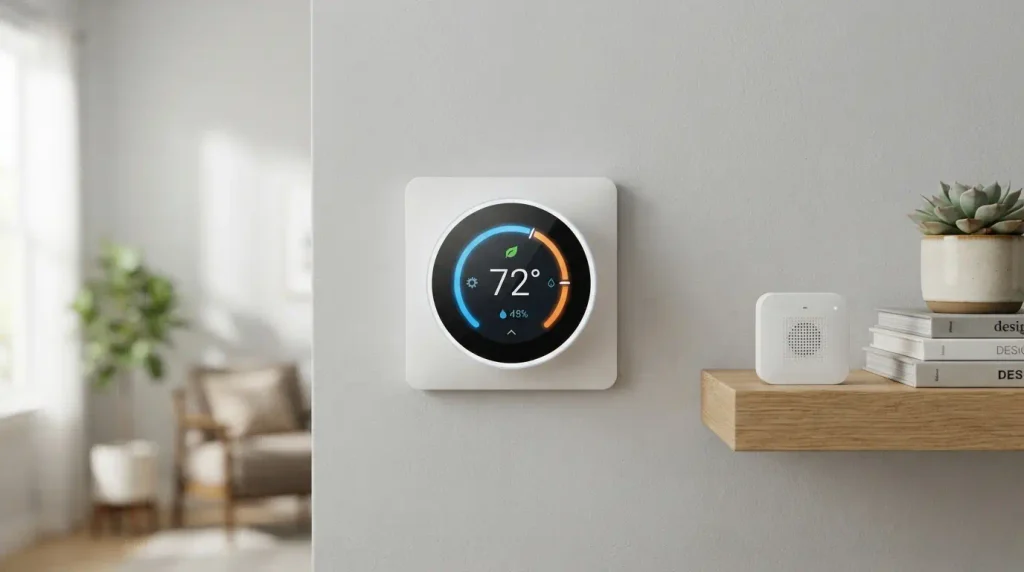
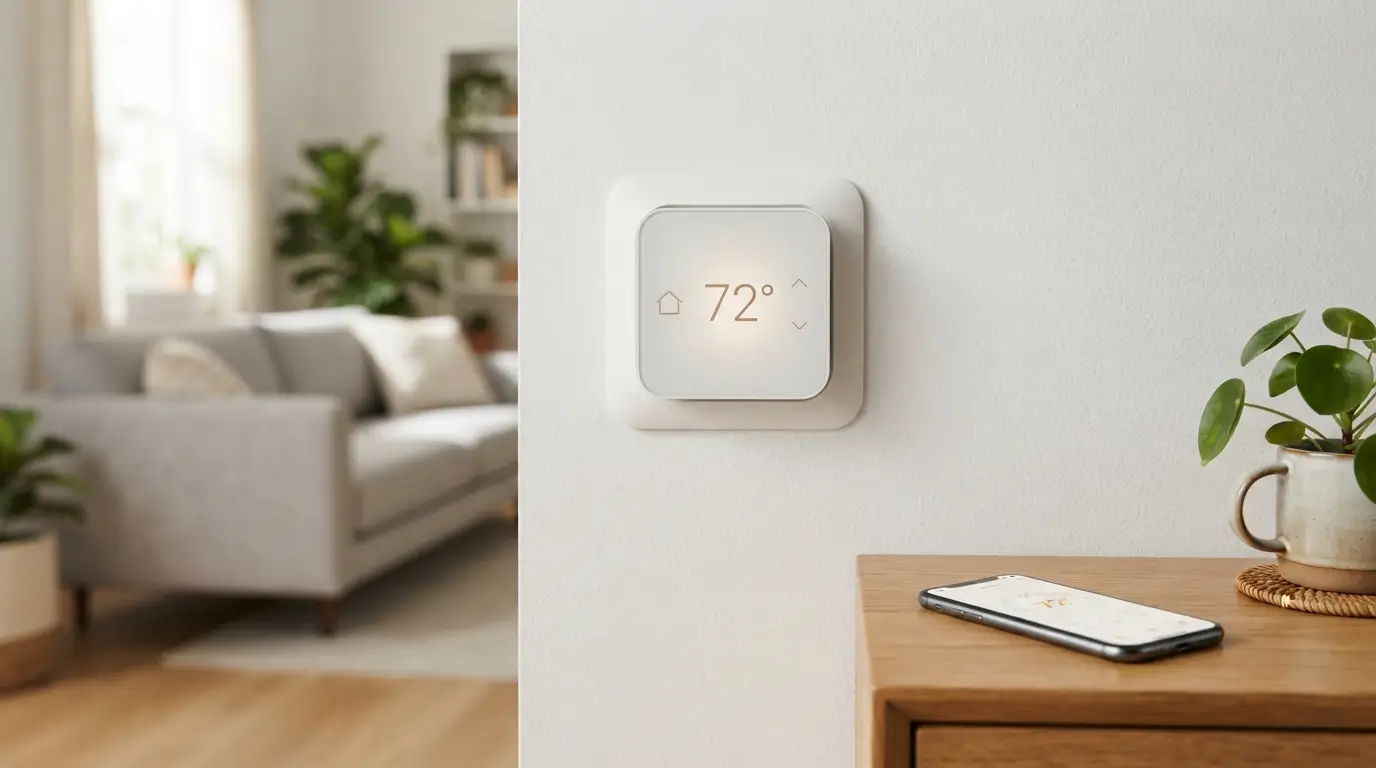
Bottom Line: The Ecobee Smart Thermostat Premium earns its price. It delivers real room-by-room comfort. It also offers the widest ecosystem support on this list.
This thermostat ships with one SmartSensor in the box. That sensor tracks temperature and occupancy in a separate room. Your thermostat might sit in a hallway. Your family might spend evenings in the living room. This sensor fixes that mismatch. It also includes a built-in air quality monitor, a rare feature at this price point.
Setup takes fifteen to twenty minutes once you reach the app stage. The Premium works with Amazon Alexa, Google Assistant, Apple Home, Samsung SmartThings, and Matter. That covers nearly every smart home setup you might already own.
Pros & Cons
Pros: included room sensor, air quality monitoring, works with every major platform, strong app.
Cons: requires a C-wire, though a Power Extender Kit is included. Pricier than basic models.
Best Budget Smart Thermostat
Amazon Smart Thermostat
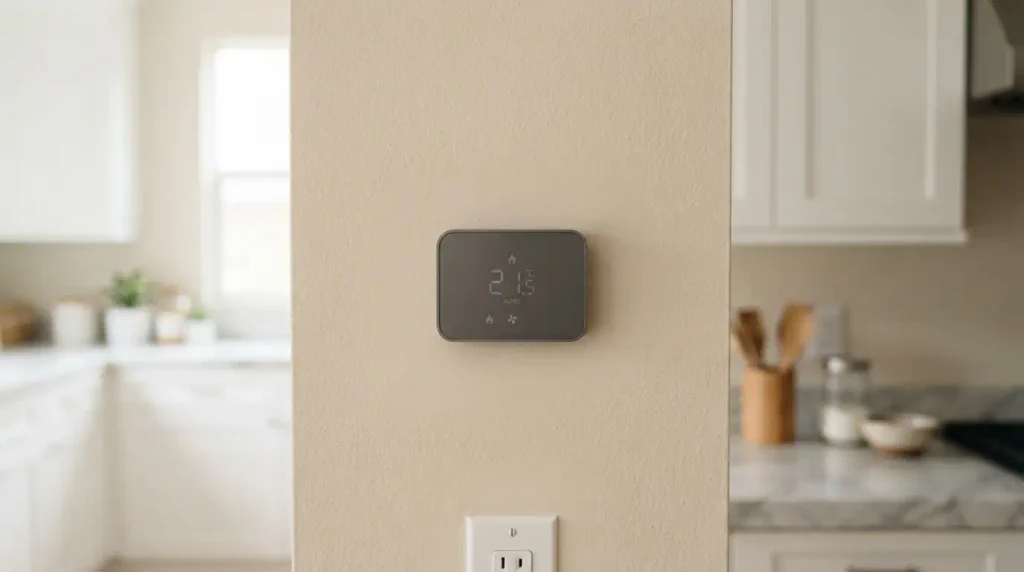
Bottom Line: For under eighty dollars, the Amazon Smart Thermostat delivers real smart features. It skips the premium price tag entirely.
This model works well with Alexa voice control. It uses Alexa Hunches to learn your habits over time. It then adjusts temperature automatically. That feature is usually reserved for pricier thermostats.
The trade-off is ecosystem lock-in. It does not work with Google Home or Apple Home. There is also no remote sensor option. Multi-room accuracy is not part of the deal here. Still, for a single-zone home already running Alexa, this stays the smartest low-cost pick.
Pros & Cons
Pros: low price, works well with Alexa, clean minimal design, large easy-to-read display.
Cons: Alexa only, no remote sensors, requires a C-wire or adapter.
Best Smart Thermostat for No C-Wire Installs
Nest Learning Thermostat (4th Gen)
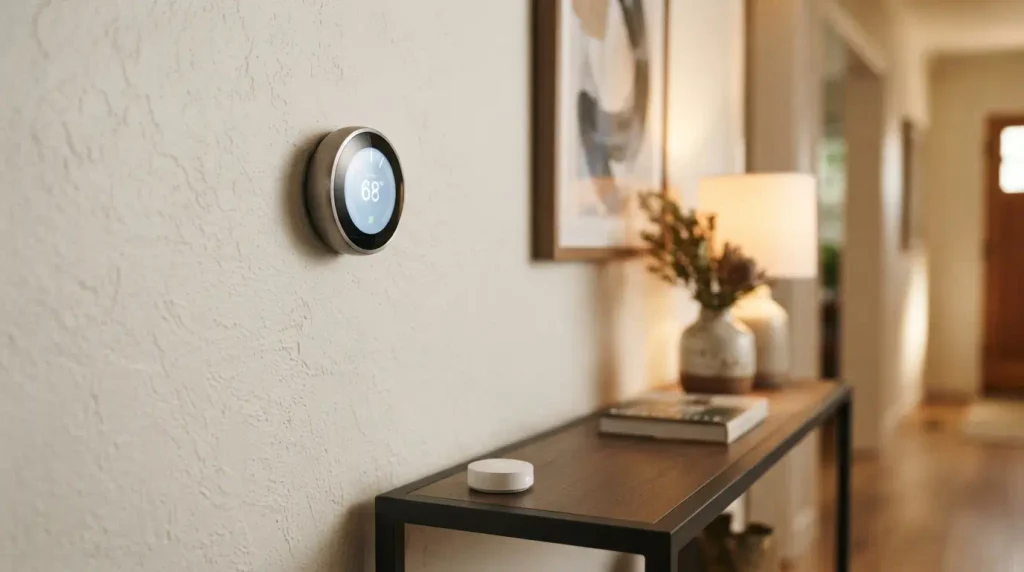
Bottom Line: Not sure about your wiring? The Nest Learning Thermostat (4th Gen) is the most forgiving option here.
Most smart thermostats need a C-wire for steady power. This Nest often runs without one on standard systems. That makes it the easiest choice for older homes. It also uses a real learning algorithm. It watches how you adjust the temperature for about a week. Then it builds a schedule around your actual habits.
The 4th generation adds Soli radar presence sensing. It also has a larger display and one included remote temperature sensor. Matter and Thread support bring Apple Home into the mix, alongside Alexa and Google.
Pros & Cons
Pros: usually works without a C-wire, genuine learning algorithm, Matter support adds Apple Home compatibility.
Cons: less manual control than Ecobee, additional sensors cost extra.
Best Smart Thermostat for Whole-Home Comfort
Honeywell Home X8S Smart Thermostat
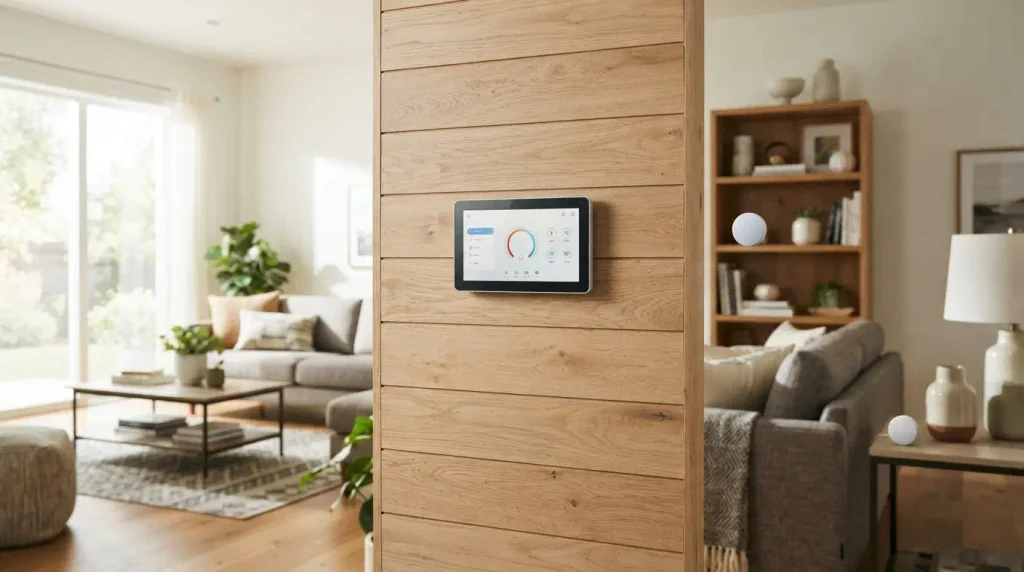
Bottom Line: Larger homes with uneven heating and cooling need more sensor coverage. The Honeywell Home X8S gives you the most of any pick here.
This model supports up to twenty optional room sensors. That lets it prioritize living areas during the day. At night, it can shift focus to bedrooms instead. It also tracks indoor air quality. It shows a “feels like” temperature that factors in humidity, not just raw degrees.
Setup inside the Resideo app can feel clunky the first time through. Once it is running, the X8S delivers strong, steady performance. It suits homes that need more coverage than a single sensor offers.
Pros & Cons
Pros: supports up to twenty room sensors, tracks air quality, Matter support through SmartThings.
Cons: app setup can be frustrating at first. Most expensive Honeywell model. Requires a C-wire.
Best Smart Thermostat for Mixed Smart Home Ecosystems
Sensi Touch 2
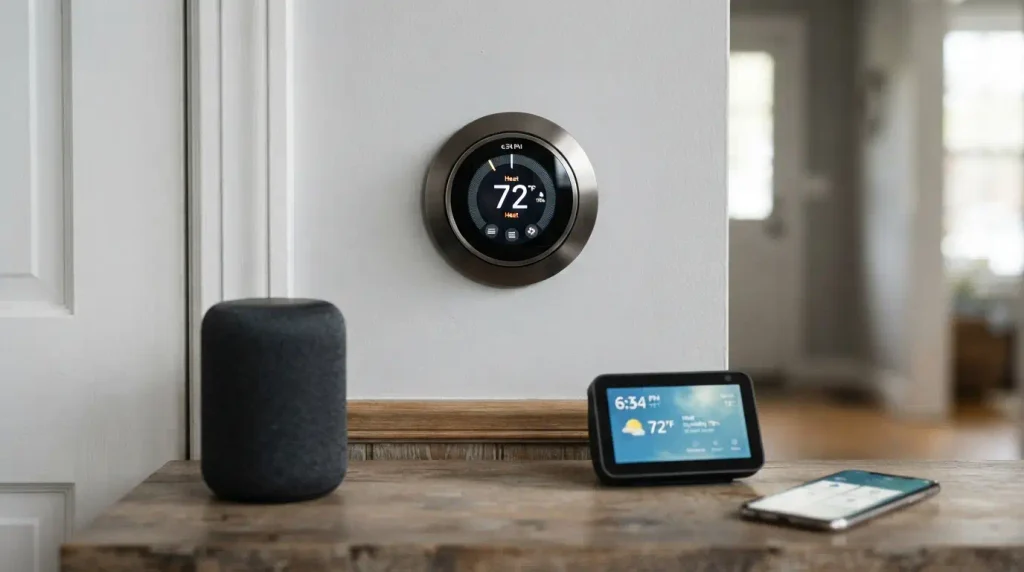
Bottom Line: Some households run Alexa, Google, and Apple devices side by side. The Sensi Touch 2 is built for exactly that mix.
Most thermostats pick one or two platforms to support well. The Sensi Touch 2 works cleanly with four platforms at once. That includes Alexa, Google Assistant, Apple Home, and Samsung SmartThings. This makes it a strong fit when everyone in the house uses a different phone or voice assistant.
It skips automatic learning in favor of manual scheduling through the app. Temperature accuracy stayed within about one degree in independent testing. That is a solid result for a mid-range model.
Pros & Cons
Pros: works with four major ecosystems at once, intuitive touchscreen, accurate temperature sensing.
Cons: no automatic learning, basic styling, requires a C-wire.
Best Smart Thermostat Design
Nest Learning Thermostat (3rd Gen)
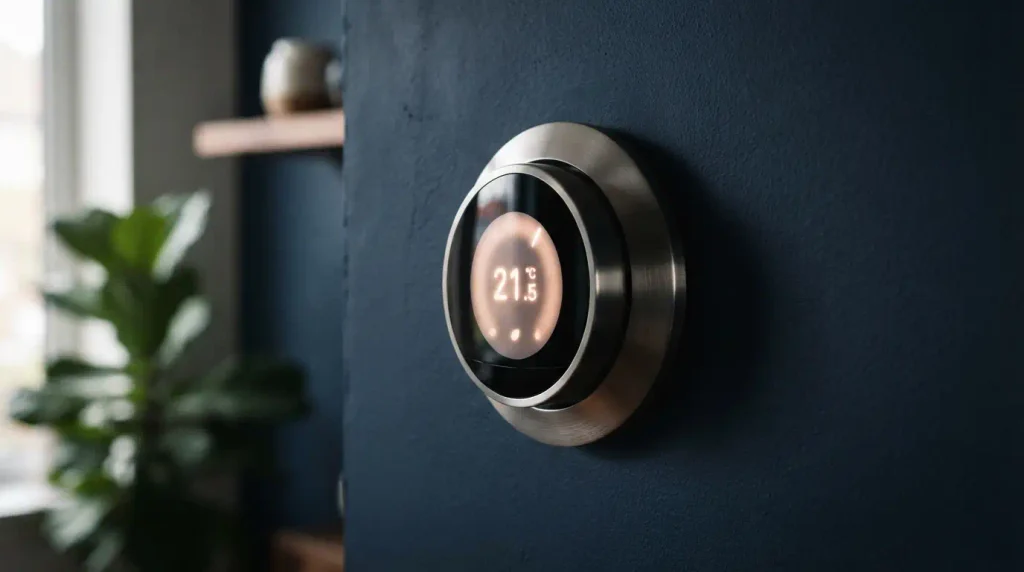
Bottom Line: Some people want a thermostat that looks as good as it works. The classic Nest Learning Thermostat still holds up.
This model was designed by the same person behind the original iPod. It uses a rotating dial instead of buttons or a flat touchscreen. It fits almost any wall or decor style. It also does not require a C-wire, a real plus for older homes with simpler wiring.
The trade-off shows up next to the newer 4th generation model. This one has a smaller display. It also lacks Matter support, which limits Apple Home compatibility.
Pros & Cons
Pros: iconic dial design, no C-wire required, works with Alexa and Google.
Cons: no Apple Home support, smaller display than the newer model.
How Much Does the Best Smart Thermostat 2026 Cost to Buy and Install
Prices for the best smart thermostat 2026 has to offer span a wide range. Budget models like the Amazon Smart Thermostat sit near eighty dollars. Premium picks with included sensors, like the Ecobee Premium, sit close to two hundred fifty.
Installation cost depends on your wiring. If you already have a C-wire, most people install these themselves in under an hour. All it takes is a screwdriver and a phone. If you lack a C-wire, you may need an electrician or HVAC technician. That step typically adds cost to the project. Some models, including the Nest Learning line, sidestep this problem. They run without a dedicated C-wire on most systems.
Utility rebates can offset part of the purchase price. Many electric providers offer twenty-five to one hundred dollars back. That applies to certified smart thermostat installs. Check your provider’s website before you buy. These programs change often, so confirm current terms first. Shoppers searching for the best home thermostat deal should always check local rebates before comparing sticker prices.
Do Smart Thermostats Really Save Money
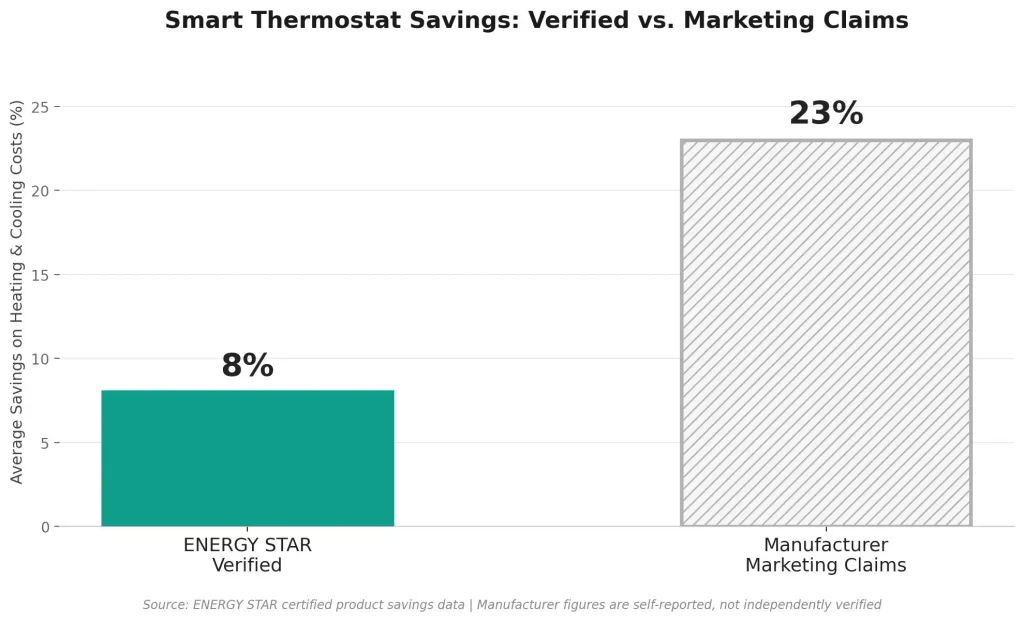
According to ENERGY STAR, a certified smart thermostat can lower heating and cooling costs. The average savings runs about eight percent. That works out to roughly fifty dollars a year for a typical household. Independent field data shows a wider range. Real results run from about five to twenty six percent. The exact number depends on your climate, your old habits, and your HVAC system’s condition.
Be careful with manufacturer marketing numbers. Some brands advertise savings of twelve to twenty three percent. Those figures come from internal studies, not independent testing. Treat them as claims, not guarantees. Homes running a fixed temperature all day, with no schedule at all, tend to see the biggest gains after switching.
Geofencing plays a big role in these savings. It uses your phone’s location to detect when everyone has left. The thermostat then switches to an energy-saving mode automatically. Occupancy sensors add another layer. They detect movement inside specific rooms. That way, you are not heating or cooling empty space.
Do You Have a C-Wire? Here Is Why It Matters
A C-wire, short for common wire, gives your thermostat steady power. Without it, some smart features can behave unpredictably. That includes Wi-Fi connectivity and touchscreen displays.
How to Check for a C-Wire
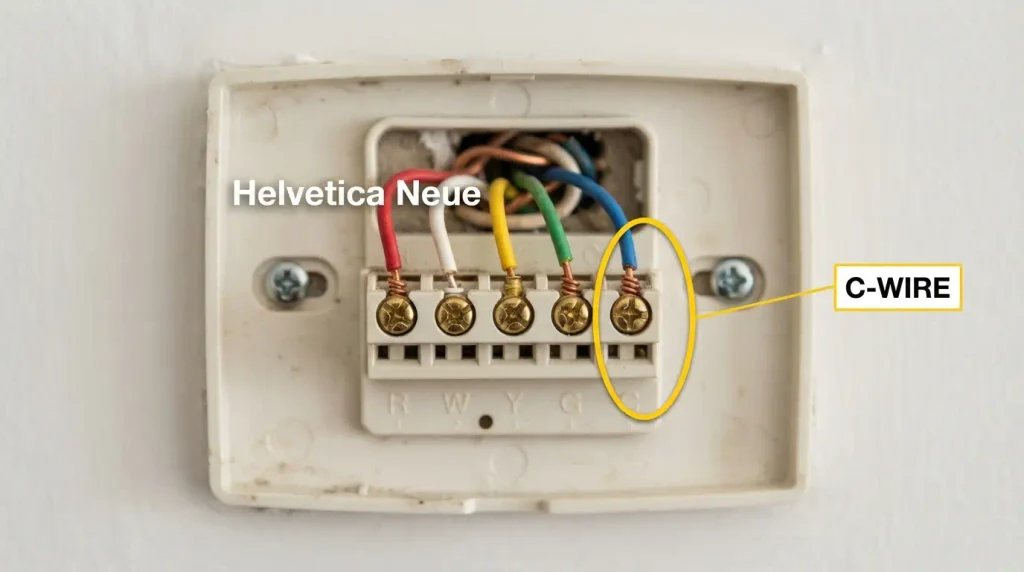
Turn off power to your HVAC system at the breaker first. Remove your existing thermostat’s faceplate next. Look at the wiring terminals behind it. A wire connected to a terminal labeled C means you already have one. Many homes built in the last fifteen years include this wire. Sometimes it sits unconnected behind the wall plate.
What to Do If You Do Not Have One
Some thermostats work around a missing C-wire. They use a power-stealing method or an included adapter kit. Ecobee’s Power Extender Kit is one example. The Nest Learning Thermostat often runs without any workaround at all. If neither option fits your system, call a licensed HVAC technician. Adding a proper C-wire usually takes under an hour. Guessing wrong here can cause random reboots or dropped Wi-Fi. Do not skip this step.
Programmable vs. Learning Thermostats: What Is the Real Difference
A programmable thermostat runs on a fixed schedule you set manually. You tell it when to change temperature. It follows that schedule every day until you change it again.
A learning thermostat, like the Nest Learning line, works differently. It watches how you adjust the temperature over your first week of use. It then builds an automatic schedule around your real habits. No manual setup is required after that first week. Both types connect to Wi-Fi and your phone. Only learning models keep adjusting themselves without ongoing input from you. Anyone comparing the best thermostat for home automation should understand this split before choosing a model.
Matching a Smart Thermostat to Your HVAC System
Not every thermostat works with every heating and cooling system. Standard central air and gas furnace systems fit almost every model on this list. Heat pumps, dual-fuel systems, and multi-stage heating need extra checking first.
Ecobee and Honeywell both publish detailed compatibility lists for heat pumps and auxiliary heat setups. Some homes currently run a brand-specific proprietary thermostat, such as one built for a Lennox system. In most cases, you can replace it with a generic smart thermostat like a Nest or Honeywell model. The key is your wiring type. Standard low-voltage wiring works fine. A proprietary communicating system, built to work only with that brand’s own thermostat, does not. When in doubt, a quick call to your HVAC manufacturer’s support line settles it fast. This step matters more than picking the best smart thermostat for home use on looks alone.
What If You Do Not Have Central Heating and Cooling
Homes with window units, ductless mini-splits, or electric baseboard heat are not left out. Mini-split systems often have their own smart control options. These come through the manufacturer’s app, sometimes paired with third-party smart plugs for basic scheduling. Baseboard heat uses line-voltage thermostats, a different category entirely. Certain Mysa thermostats are built specifically for that wiring type. Standard smart thermostats built for central systems will not work safely on line-voltage baseboard heat. Check your system type carefully before buying anything.
Smart Thermostats for Hot and Humid Climates
A few features matter more in regions with long, intense cooling seasons. Strong humidity monitoring matters most, since high humidity makes a room feel warmer than it reads. Aggressive cooling schedules also help. Raise the set point slightly during work hours. Then cool the home back down before you arrive. This pattern tends to produce the biggest savings in hot climates. Both the Ecobee Premium and Honeywell X8S handle this well. Their occupancy sensors and app-based scheduling do the heavy lifting.
DIY Installation vs. Hiring a Professional
Most smart thermostats are built for a homeowner to install alone. A working C-wire and a standard single-zone system make it simple. Expect the whole process to take thirty to sixty minutes. You will need a small screwdriver, a phone, and your Wi-Fi password.
Hire a professional if your home lacks a C-wire. The same goes if you are not comfortable working near your electrical panel. Complex systems also benefit from professional installation. That includes multi-stage heating, dual-fuel setups, or homes with more than one heating zone. A licensed technician can confirm compatibility before mounting anything. That step avoids a frustrating return trip later.
How We Chose These Picks
Every pick above came from currently published manufacturer specifications. We verified pricing across major retailers directly. Savings data came straight from ENERGY STAR and independent testing organizations. We did not accept manufacturer savings claims at face value. Where a brand’s marketing number differed from independent data, we noted the gap directly. We never repeated the higher figure without context. Pricing shown reflects typical street pricing at the time of writing. Expect it to shift over time.
Smart Thermostat Privacy and Data: What to Know
Any Wi-Fi-connected device in your home carries some privacy considerations. Smart thermostats generally do not record audio or video. Geofencing features do store location data pulled from your phone, though. Look for two-factor authentication on your thermostat’s app account. This step adds a second verification layer beyond your password. Use a unique password for your thermostat account. Do not reuse one from another service. A breach elsewhere should not put your home controls at risk too.
Final Thoughts
Choosing the best smart thermostat 2026 has to offer is not about chasing the flashiest feature list. Start with your wiring, then check it against your smart home setup. Whatever is left over comes down to how much room-by-room control you actually need. For most households, the Ecobee Smart Thermostat Premium delivers the strongest overall balance available this year. It remains the best home thermostat choice when comfort, savings, and compatibility all need to work together.
Frequently Asked Questions
What is the best smart thermostat 2026 for beginners?
The Amazon Smart Thermostat and Sensi Touch 2 are the easiest models to set up. Both use straightforward apps with clear step-by-step wiring guidance, which suits a first-time smart home user well.
How much does a smart thermostat cost?
Most models range from about eighty to two hundred eighty dollars. Premium models with included room sensors sit at the higher end of that range. Shoppers hunting for the best smart thermostat for home budgets under one hundred fifty dollars have one clear starting point. That is the Amazon Smart Thermostat.
How do I install a smart thermostat without a C-wire?
Some thermostats include a power-stealing method or an adapter kit for homes without one. The Nest Learning Thermostat is the most forgiving option, since it often runs without a C-wire on standard systems. An HVAC technician can add one if your system does not support any workaround.
Can I replace a brand-specific thermostat, like one made for Lennox, with a generic smart thermostat?
In most cases, yes. Your system needs standard low-voltage wiring rather than a proprietary communicating system. A generic smart thermostat from Nest, Ecobee, or Honeywell will work once that is confirmed.
Are smart thermostats worth the extra cost?
For most households, yes. A typical model pays for itself in energy savings within two to four years. Homes with inconsistent old schedules or high cooling bills tend to see a faster payback than that.
Which is the best wifi thermostat for home use without extra hardware?
The Nest Learning Thermostat (4th Gen) and Amazon Smart Thermostat both connect over standard home Wi-Fi. Neither needs an extra hub or bridge.
Which smart thermostat works best with Google Assistant or Alexa?
Some households rely mainly on Google Assistant or Amazon Alexa for voice control. The Ecobee Premium and Sensi Touch 2 both offer full native support for either platform.

About HomeFixStyle
HomeFixStyle is a home improvement blog dedicated to helping readers create better, more comfortable, and stylish homes. We share practical ideas, helpful guides, home decor inspiration, renovation tips, and simple solutions for everyday home projects. Our goal is to make home improvement easier to understand and apply, whether you are updating one room or improving your entire home.