

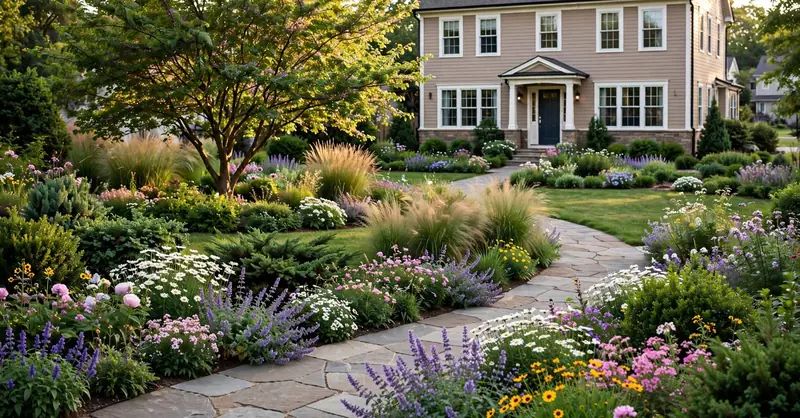
A beautiful garden starts with a little planning. Whether you have a small backyard or a large lawn, the right layout and plants can make your outdoor space more enjoyable without adding too much maintenance.
These garden design ideas cover everything from choosing plants and arranging flower beds to creating privacy and making better use of small spaces. You don’t need a big budget or professional landscaping experience. A few thoughtful changes can make a noticeable difference.
Why Garden Design Ideas Matter for Every Home
It’s easy to spend money on plants and decorations without thinking about how everything will look together. That’s often when gardening becomes frustrating.
Having a plan helps you avoid buying plants that won’t grow well in your yard or placing shrubs where they’ll eventually block a walkway. It also makes it easier to decide where you want seating, flower beds, or open lawn space.
A well-arranged garden can improve curb appeal and give you more reasons to spend time outside. Even small changes, like widening a path or moving a flower bed, can make the yard feel more comfortable.
Start with a simple sketch before heading to the nursery. You’ll have a better idea of what you need and where everything belongs.
Start With Your Space, Not Your Wishlist
Before choosing plants, take a good look at your yard.
Notice which areas receive plenty of sunlight and which stay shaded. Check where rainwater collects, how much wind the space gets, and whether neighboring properties overlook your backyard.
Think about how your family uses the yard. Do your kids need somewhere to play? Would you like a quiet sitting area or a patio for outdoor meals?
Measure the space and mark existing trees, fences, slopes, and walkways on paper.
Don’t assume that every awkward corner is a problem. A shaded spot might be perfect for ferns, while a sloping area could become a terraced flower bed. If one section stays wet after rain, a rain garden might be worth considering.
Working with the yard you already have is usually easier than trying to change everything.
Core Rules for Strong Layouts
One of the biggest things to consider is scale. A large patio can overwhelm a small backyard, while tiny flower beds may look lost in a spacious lawn.
Try repeating a few plants or colors throughout the garden. This helps different areas feel connected without making everything look identical.
Keep paths wide enough for comfortable walking and routine garden work. If you use a wheelbarrow, make sure it can pass through easily.
Simple lawn shapes are generally easier to mow, and flower beds that follow the lines of your house can give the yard a more organized appearance.
Most importantly, leave enough space for plants to grow. Those little shrubs at the garden center won’t stay little forever.
Know Your Sun, Soil, and Climate
Plants that grow beautifully in one state may struggle in another. That’s why it’s worth checking your local growing conditions before planting.
Start with your USDA Hardiness Zone, which helps you understand which perennial plants can survive winter temperatures in your area.
Then look at your soil. Sandy soil tends to dry quickly, while heavy clay can hold water for longer. A basic soil test can help you determine whether any improvements are needed.
Sunlight matters just as much. Most plants labeled for full sun need at least six hours of direct sunlight each day, while shade-loving varieties prefer less exposure.
You can also visit a nearby nursery or contact your local Cooperative Extension office for advice on plants suited to your area.
Choose Plants for Scale and Season
It’s tempting to choose plants based on how they look at the nursery, but their mature size is much more important.
A small shrub might eventually grow wide enough to cover a path or crowd nearby flowers. Always check the expected height and spread before planting.
For a garden that looks attractive throughout the year, mix plants with different blooming seasons.
Spring bulbs bring early color, summer perennials fill the warmer months, and ornamental grasses or shrubs with colorful foliage can keep things interesting into fall.
Evergreens are useful during winter when many flowering plants have died back.
Instead of planting dozens of different varieties, try grouping a few favorites together. Repeating plants often gives flower beds a more natural, connected appearance.
Popular Garden Design Ideas and Styles for USA Homes
Every garden has its own character, but choosing a general style can help you decide which plants, pathways, and decorations belong together.
Here are a few popular options for American homes.
Cottage Garden Design Ideas for Pollinators
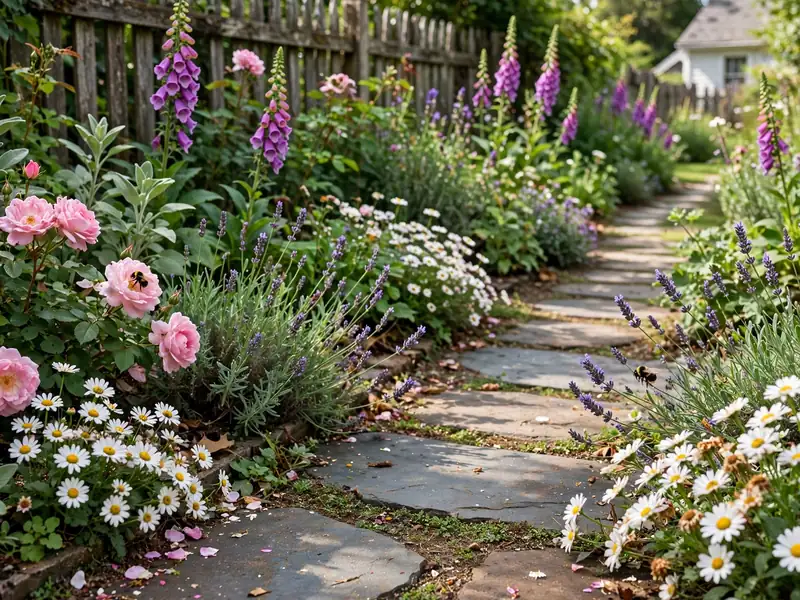
Cottage gardens are known for colorful flowers, informal arrangements, and plants that spill gently over pathways.
Roses, lavender, foxgloves, and daisies can help create this look where growing conditions suit them. You can mix flowering plants of different heights to make the beds feel full and natural.
If you want to attract pollinators, include flowers that bloom at different times of the year.
A small birdbath or curved garden path fits nicely into this style.
Cottage gardens don’t need perfectly trimmed edges, but they still benefit from occasional pruning, weeding, and removing spent flowers.
Formal Garden Style
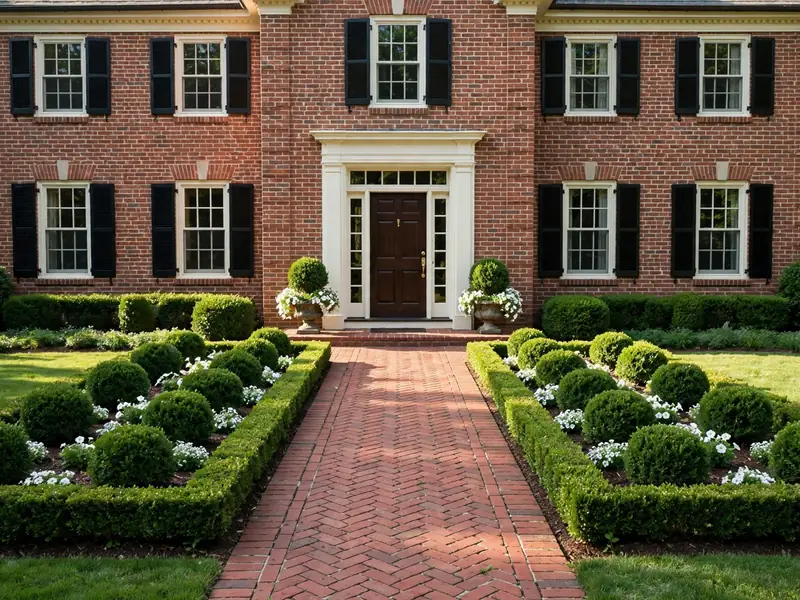
Formal gardens work particularly well around traditional brick and Colonial-style homes.
The design usually includes straight paths, matching flower beds, neatly trimmed shrubs, and balanced arrangements.
You might place identical planters beside the front entrance or use low hedges to outline a walkway.
Brick and gravel paths also suit this style.
Formal gardens can look beautiful, but they require regular upkeep. If you enjoy tidy hedges and clean lawn edges, this may be a good choice.
Japanese-Inspired Garden Style
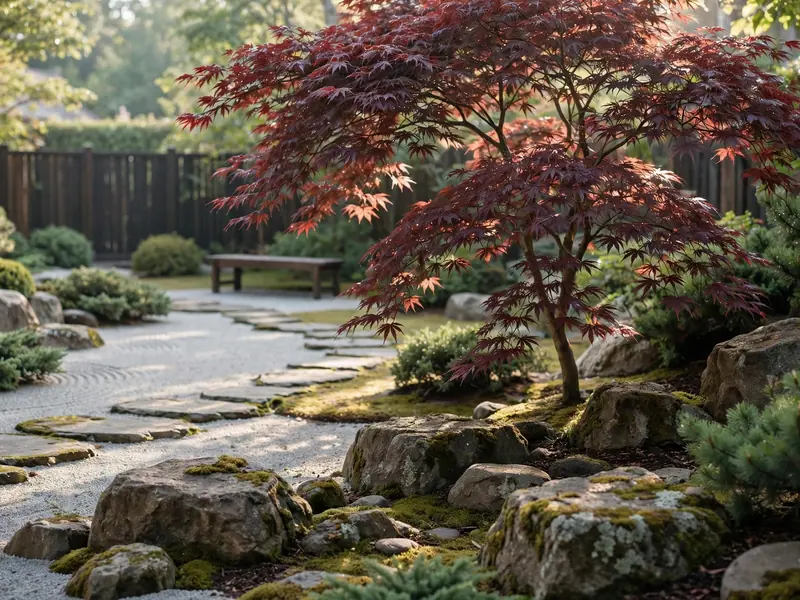
A Japanese-inspired garden focuses on natural materials, thoughtful plant placement, and open space.
You can use gravel, stones, moss, and a small ornamental tree to create a peaceful corner of the yard.
Japanese maples are a lovely option in suitable climates, especially where they receive protection from harsh afternoon sun.
Instead of filling the space with decorations, choose a few features you really like. A simple bench overlooking the garden may be enough.
The goal is to create somewhere comfortable to sit and enjoy the surroundings.
Mediterranean Garden Style
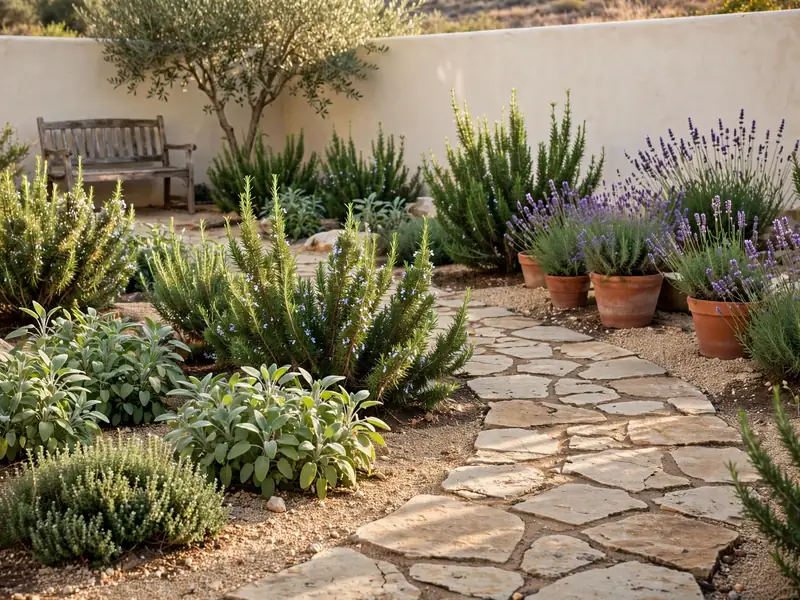
Mediterranean gardens are especially appealing in areas with hot, sunny weather.
Rosemary, thyme, sage, and lavender can work well in dry, well-drained locations. Terracotta pots, gravel paths, and natural stone help complete the look.
You could also grow herbs near your patio or kitchen door so they’re easy to reach when cooking.
Many Mediterranean plants tolerate dry conditions once established, although new plants still need regular watering.
In colder regions, use containers for plants that can’t survive freezing temperatures.
Tropical Garden Style
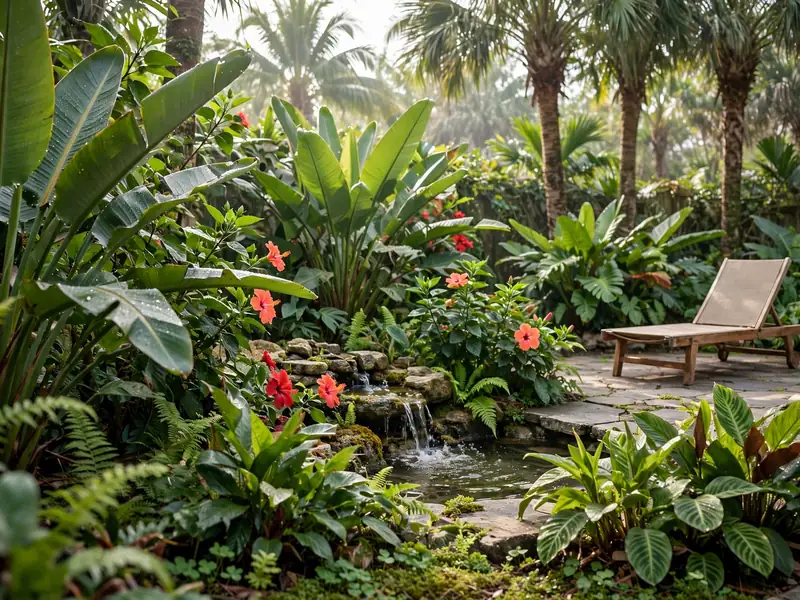
If you like large green leaves and bright flowers, a tropical-style garden might be your favorite.
Plants such as hibiscus, palms, and bird of paradise can create a lush appearance in suitable climates.
For colder areas, consider growing tropical plants in containers that can be moved indoors before frost.
Arrange plants with different leaf sizes around a patio or seating area to give the space more depth.
A small fountain can also fit nicely into this setting, provided you’re comfortable maintaining it.
Best Layouts for Small Backyards
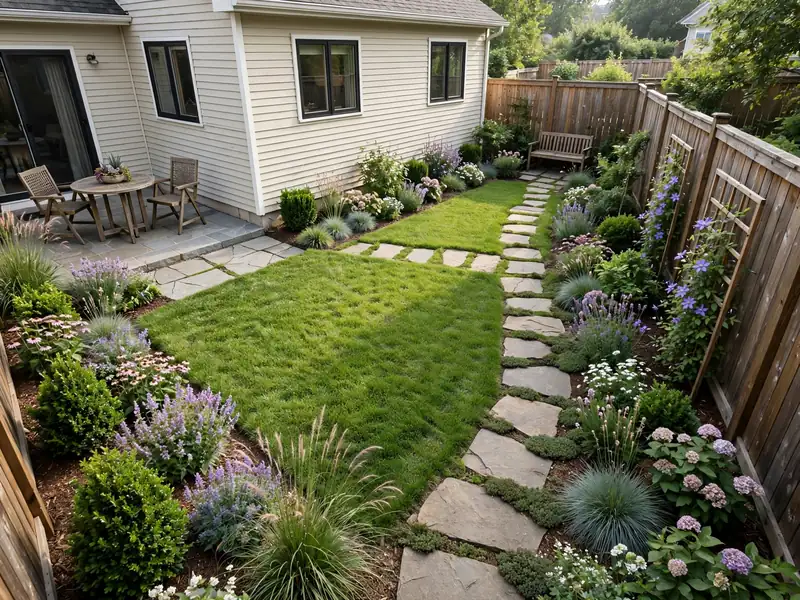
Small backyards can look surprisingly spacious when the layout is kept simple.
One option is to arrange flower beds along the edges and leave the middle open for seating or a small lawn.
You could also create a straight path leading toward a bench, decorative planter, or small tree at the far end of the garden.
If you enjoy growing food, herbs and vegetables can share space with ornamental flowers.
Before digging, use a garden hose or marking chalk to outline the proposed beds and pathways. Walk around the yard for a few days to see whether the arrangement feels comfortable.
It’s much easier to adjust a layout before anything has been planted.
Four-Layer Planting Model
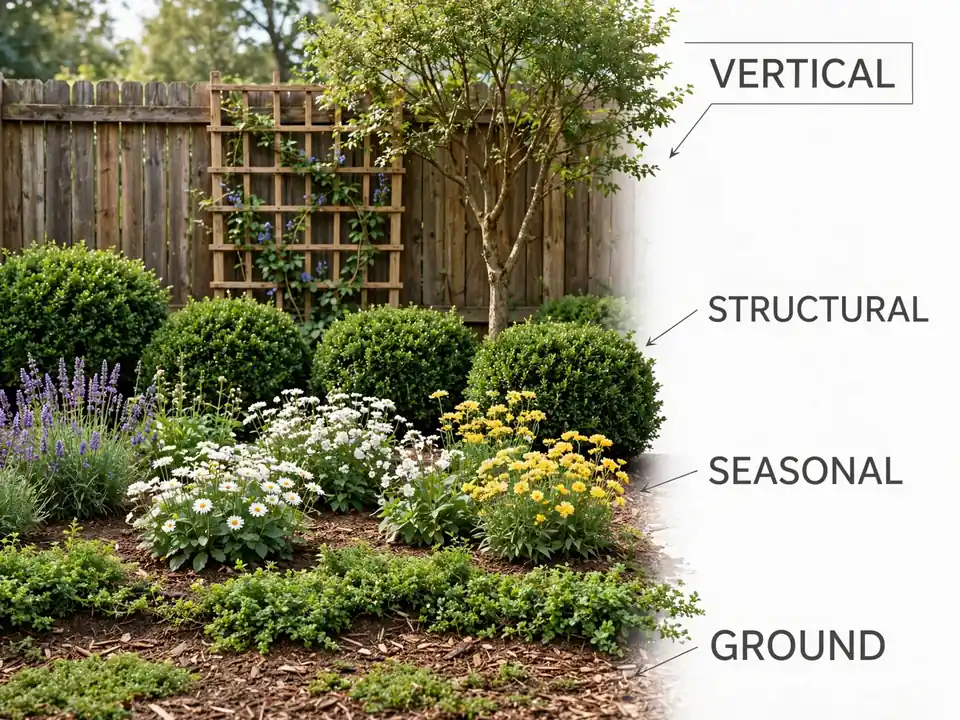
Layering plants is a useful way to give flower beds more depth without making them overcrowded.
Think of the garden in four basic layers:
Vertical layer: Small trees, climbing plants, or trellises that add height.
Structural layer: Shrubs and evergreens that give the garden its main shape.
Seasonal layer: Flowers, bulbs, and perennials that provide color throughout the year.
Ground layer: Low-growing plants or mulch that covers exposed soil.
You don’t need all four layers in every bed. A narrow border may only have room for shrubs and a few low-growing flowers.
Repeat some of the same plants throughout the yard to create a consistent appearance.
Take pictures as the seasons change. They’ll help you see where another plant might be useful.
Privacy Without Feeling Closed In
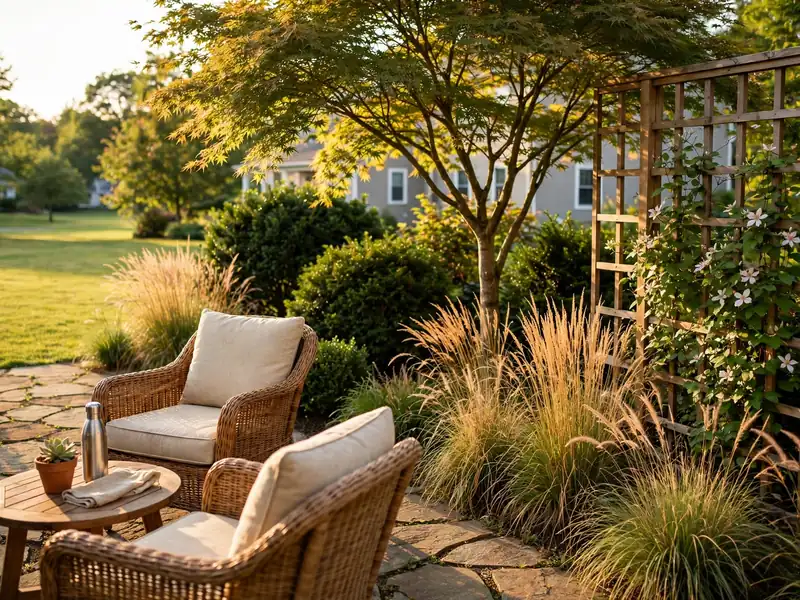
A little privacy can make your backyard much more enjoyable, especially when nearby houses overlook your patio.
You don’t always need a tall fence or a solid wall of shrubs.
Sometimes a small tree, climbing vine, or decorative trellis positioned near the seating area is enough.
Ornamental grasses can also provide seasonal screening while keeping the garden feeling open.
Think about exactly where you need privacy rather than blocking the entire yard.
Leave some space between plants for airflow, and check their mature sizes so they don’t become difficult to manage later.
Make a Small Yard Feel Bigger
You can make a small garden feel more open without changing its actual size.
Try placing a bench, attractive planter, or small tree toward the far end of the yard. It gives your eyes somewhere to focus.
Keeping the center relatively clear also helps.
Instead of scattering lots of tiny pots around, choose a few larger containers and arrange them together.
Repeating plants and limiting the number of materials can prevent the garden from looking cluttered.
A diagonal walkway or gently curved border may also create a sense of depth, depending on the shape of the space.
Low-Maintenance and Water-Smart Tips
If you don’t have hours to spend gardening every weekend, choose plants that suit your local conditions and won’t need constant attention.
Mulch is one of the easiest ways to reduce routine work. A two- to three-inch layer around plants can help retain soil moisture and discourage weeds.
Watering near the roots is generally more useful than spraying the leaves. Drip irrigation or soaker hoses can make watering easier, especially during summer.
Group plants with similar water needs together so you’re not watering drought-tolerant shrubs as frequently as moisture-loving flowers.
You can also reduce maintenance by keeping lawn areas manageable and choosing shrubs that don’t need frequent pruning.
A little planning now can save plenty of work later.
Light It Up and Add Final Touches
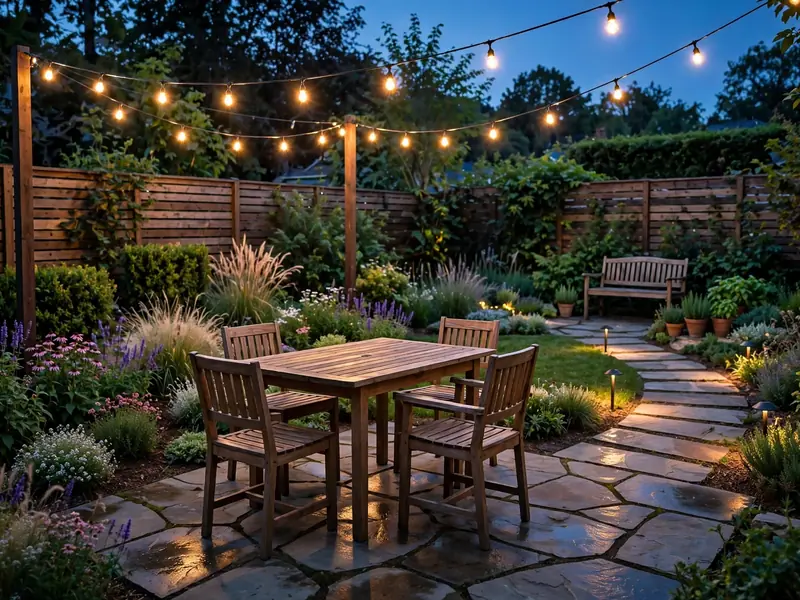
Good garden lighting makes outdoor spaces more useful after sunset.
Solar lights along a path can help people find their way, while warm string lights above a patio table create a comfortable setting for evening meals.
Avoid placing very bright lights near neighboring windows.
You might also add a small bench where morning sunlight reaches the garden or grow fragrant herbs near the back door.
There’s no need to fill every corner with decorations. A few well-chosen pieces often look better than lots of unrelated ornaments.
Choose things you enjoy and that work with the space you have.
Common Mistakes to Avoid
Even experienced gardeners make mistakes, but a little preparation can help you avoid some common ones.
Buying plants without a plan: You may end up with plants that don’t fit or have nowhere suitable to grow.
Using too many varieties: A crowded mix of unrelated plants can make small flower beds look messy.
Ignoring mature sizes: Shrubs and trees need enough room to grow without blocking paths or windows.
Filling every open space: Leave some room for walking, sitting, and enjoying the garden.
Mixing too many materials: Using several different paving stones, edging styles, and decorations can make the yard feel disconnected.
Forgetting winter interest: Evergreens and ornamental grasses can help the garden look attractive after summer flowers fade.
Watering incorrectly: Check soil moisture and direct water toward the root area instead of watering on a fixed schedule without considering conditions.
Walk around your garden regularly to see what needs attention. Small adjustments are easier than fixing larger problems later.
Frequently Asked Questions
How do I start if I’ve never designed a garden?
Start by sketching your yard and marking sunny and shady areas. Decide what you want to use the space for, then plan the main paths and flower beds before buying plants.
What is the easiest garden style for beginners?
A simple cottage-style garden can be a good starting point because it allows a more relaxed planting arrangement. Choose easy-care flowers and shrubs that grow well in your local conditions.
How much sunlight do most flowers need?
Many flowering plants need around six hours of direct sunlight daily, although some varieties grow well in partial shade. Always check the plant label before choosing its location.
Can I grow food in a small yard?
Yes. Herbs grow well in containers, and a small raised bed can provide space for vegetables. Dwarf fruit trees may also work if you have sufficient sunlight and room for their roots.
How do I keep my garden low-maintenance?
Choose suitable plants, use mulch to limit weeds, and group plants with similar watering needs. Keeping lawn areas smaller can also reduce mowing time.
When is the best time to plant?
Spring is suitable for many flowers and vegetables once frost danger has passed. Fall can be a good time for planting trees and shrubs in many parts of the United States. Check local planting dates before getting started.
Conclusion
A good garden doesn’t need an expensive makeover. Start by understanding your yard, choosing plants that suit the conditions, and arranging everything around how you want to use the space. These garden design ideas can help whether you’re updating a small flower bed or planning an entire backyard. Take your time and work on one area at a time. As the plants grow, you’ll get a better sense of what works and what you’d like to change. That’s part of the enjoyment of having a garden.

About Author
Hello there. I am Lathen Reed, a home improvement and interior design enthusiast. With a passion for creating beautiful, practical, and comfortable spaces, I share helpful ideas and inspiration related to home improvement, home decor, interior design, and home styling. Through HomeFixStyle, my goal is to make home improvement simple, inspiring, and accessible for everyone.