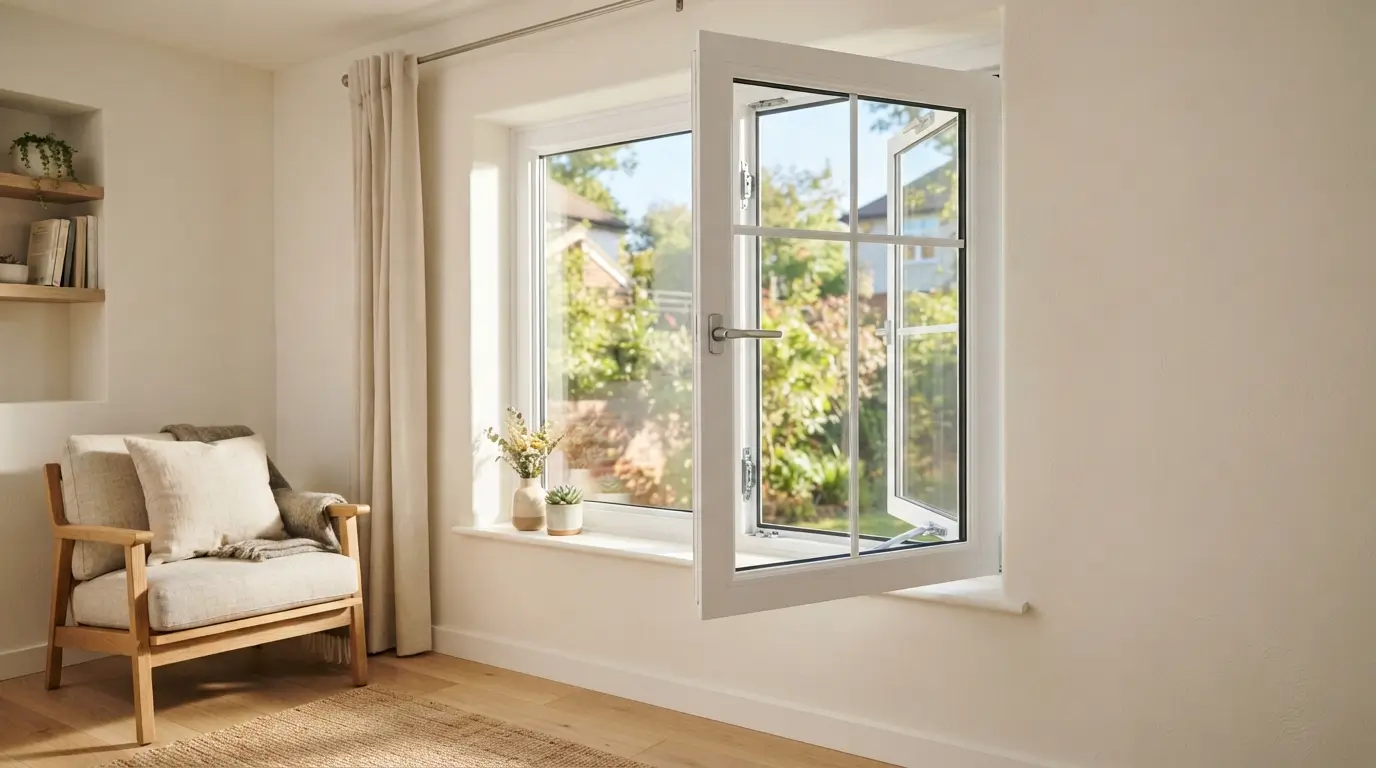
Hinged windows are windows that swing open on hinges, much like a door. They include casement, awning, hopper, tilt and turn, and pivot styles. Each type opens differently, but they all share the same basic idea. A sash is attached to the frame by hinges, and it swings open instead of sliding.
This guide covers every type on the market today. You will learn how each one works, what it costs, and where it performs best. We compare them against sliding and double hung windows so you can see the real tradeoffs. We also cover security, maintenance, and the questions homeowners ask most often. By the end, you will know exactly which hinged window fits your home, your budget, and your climate.
What Is a Hinged Window?
A hinged window is a window with a sash that opens by swinging, not sliding. The hinges sit along one edge of the frame. When you turn a crank or push the sash, it pivots outward or inward.
Most swing outward. This design lets the sash press tightly against the frame when closed. That tight seal is why these windows often perform better against drafts than sliding windows do, according to research from the U.S. Department of Energy.
The sash is the moving part of the window. It holds the glass. The frame is the fixed part attached to your wall. Hinges connect the two and control how far and which way the window opens.
How a Hinged Window Differs from a Sliding or Fixed Window
A sliding window moves side to side or up and down inside a track. A fixed window does not open at all. A hinged window swings open on a hinge, similar to a cabinet door.The hinge itself attaches directly to the window frame, the same basic setup used in a standard door frame.
This difference matters for airflow. It can catch a breeze from the side and funnel it indoors. A sliding window only lets air pass straight through the opening.
Common Names People Search For
Many homeowners do not know the technical term for this window type. They search using everyday language instead.
Some common phrases include:
- Windows that open like doors
- Hanging windows
- Hinged casement windows
- Swing out windows
All of these point to the same basic category. If you searched any of these terms, you landed in the right place.
5 Main Types and How They Work
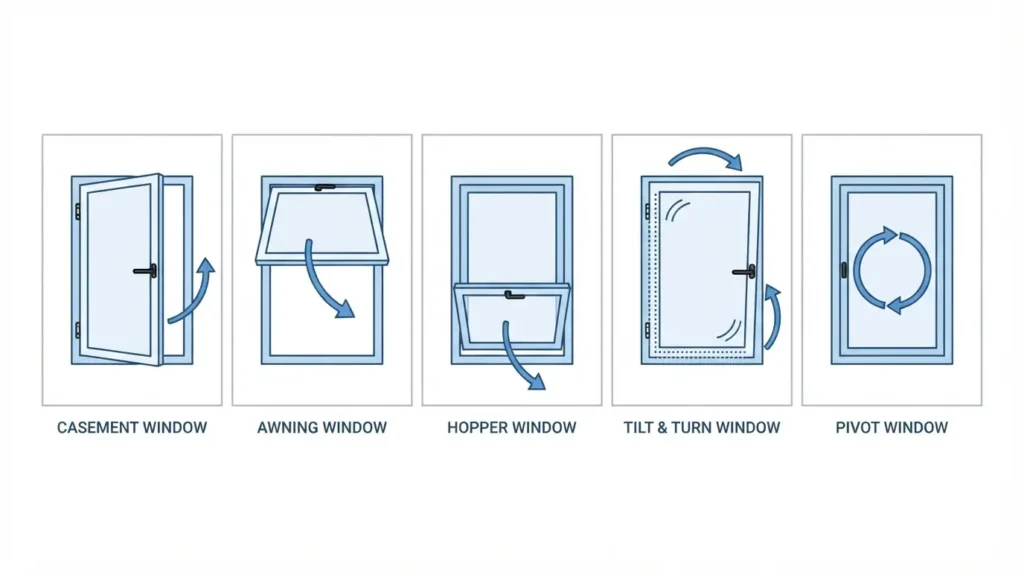
Hinged windows come in five main styles. Each one has a different hinge placement and swing direction. Picking the right type depends on your room, your climate, and how much airflow you want.
Casement Windows
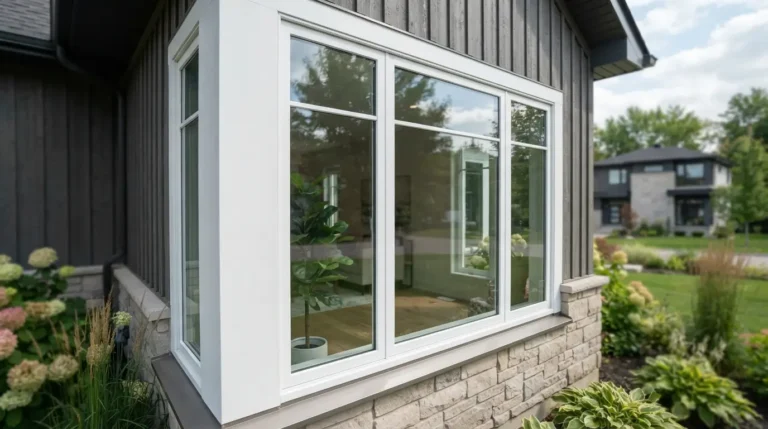
Casement windows are hinged on the side. They open outward using a hand crank. This is the most common style in North American homes.
Casement windows seal tightly when closed. The crank mechanism pulls the sash firmly against the frame. This tight seal reduces air leakage and helps lower energy bills.
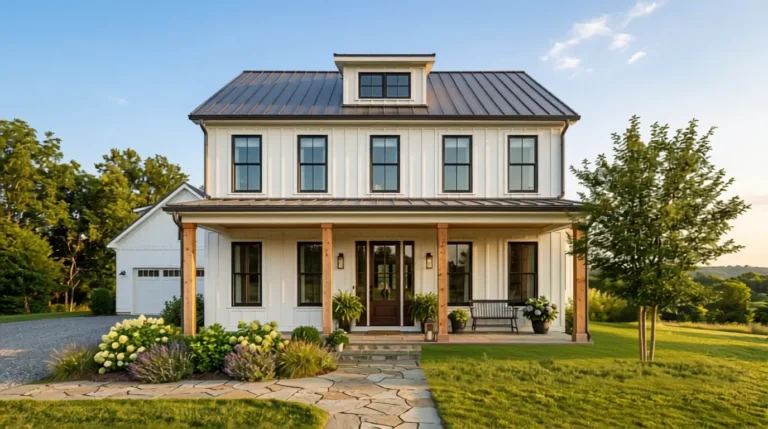
They work well over kitchen sinks and in hard to reach spots. You can open a casement window fully with one hand, even if you cannot reach the glass.This classic look also makes casement styles a popular choice for farmhouse windows and other traditional exteriors.
Awning Windows
Awning windows are hinged at the top. They swing outward from the bottom, like a small awning over a shop window.
This design lets you keep the window open during light rain. Water runs off the top and sides instead of dripping inside. Awning windows work well in bathrooms and basements where ventilation matters but privacy does too.
Hopper Windows
Hopper windows are hinged at the bottom. They tilt inward from the top, the opposite of an awning window.
You often see hopper windows in basements. Their compact size and inward tilt make them easy to install in tight spaces below ground level. They also work well as small ventilation windows above larger fixed panes.
Tilt and Turn Windows
Tilt and turn windows do two things. They tilt inward from the top for gentle ventilation, or swing fully inward on a side hinge for cleaning and emergency exit.
This dual function makes them popular in Europe and increasingly common in the United States. A single handle controls both movements, which simplifies operation for large windows.
Pivot Windows
Pivot windows rotate around a central point, either horizontal or vertical. Instead of hinges on one edge, the pivot point sits somewhere in the middle of the frame.
This style suits large or unusually shaped windows. Architects often choose pivot windows for modern homes where a bold, unobstructed look matters more than a tight budget.
Large Picture Windows That Open
A traditional picture window does not open at all. It is fixed glass built for a wide, unobstructed view.
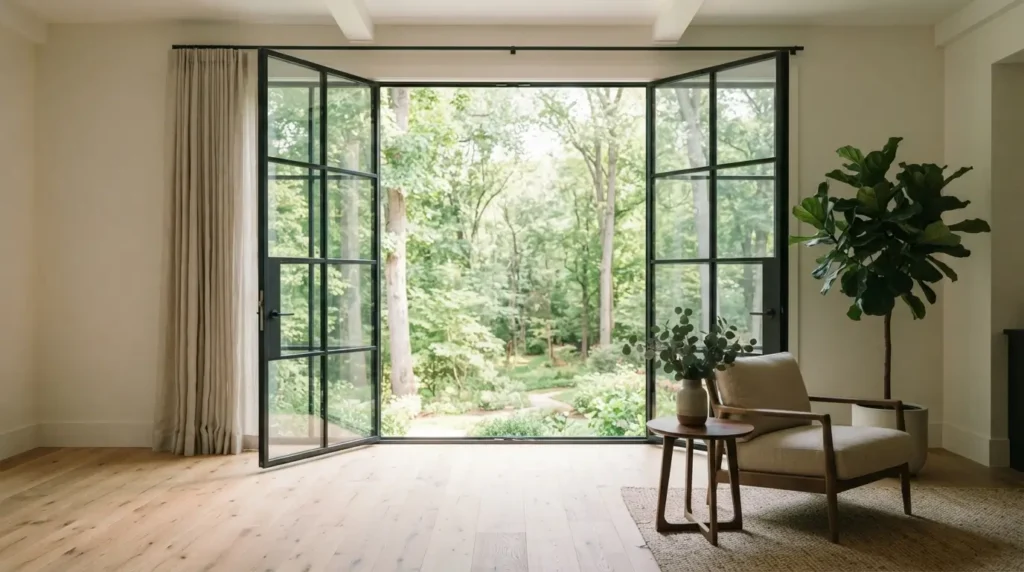
If you want that same wide view with the option to open it, a large casement or tilt and turn window is your best bet. Manufacturers now build oversized units that mimic the look of a picture window while still working as a true hinged window. This gives you both the view and the airflow.
How Window Hinges Work
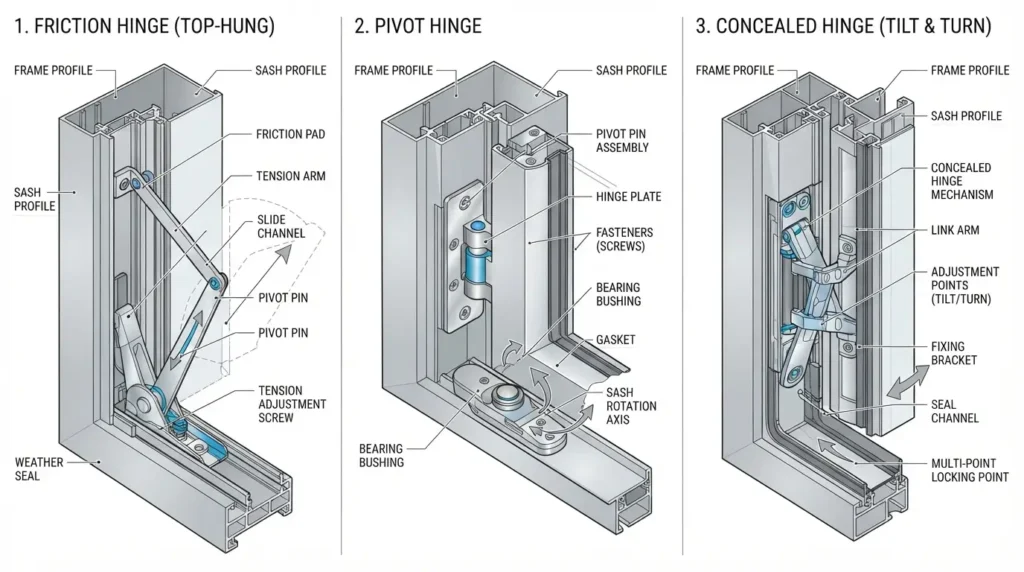
The hinge is the small piece of hardware that makes everything move. Different hinge types suit different window styles and performance needs.
Friction Hinges
Friction hinges use resistance to hold the sash in place at any angle. You can open the window a few inches or all the way, and the friction hinge holds that exact position. Most casement and awning windows use this hinge type today.
Pivot Hinges
Pivot hinges allow rotation around a fixed point rather than swinging from one edge. They suit pivot windows and some specialty tilt and turn designs.
Concealed Hinges
Concealed hinges hide inside the frame when the window is closed. You only see them when the sash is open. This gives a cleaner look, which many homeowners prefer for modern builds.
Crank Operators and How They Connect to the Hinge
A crank operator is the handle you turn to open a casement or awning window. Turning the crank moves an arm connected to the sash. The hinge lets the sash pivot as the arm pushes it outward.
Over time, crank gears can wear down. A stiff or loose crank often signals it needs lubrication or replacement, not a new window.
Hinged Windows vs Sliding and Double Hung Windows
Choosing between window types comes down to airflow, energy use, and how you plan to clean them. Here is a direct comparison.
| Feature | Hinged Windows | Sliding Windows | Double Hung Windows |
| Air leakage | Lower, tight compression seal | Higher, sash rides in a track | Moderate, two moving sashes |
| Ventilation | Can catch side breezes | Limited to opening width | Good, top and bottom both open |
| Cleaning | Easy from inside on most models | Easy from inside | Requires tilt in feature for easy access |
| Security | Strong, multi point locks common | Moderate, single lock point | Moderate, sash locks at meeting rail |
| Best for | Kitchens, hard to reach spots, coastal homes | Wide openings, contemporary homes | Traditional homes, bedrooms |
| Cost | Mid to higher range | Lower to mid range | Mid range |
Casement and awning windows generally have lower air leakage rates than sliding windows because the sash closes by pressing against the frame, according to Department of Energy backed research cited in industry standards.
Double hung windows remain popular for a reason. They fit traditional home styles and let you open just the top or just the bottom. If your priority is matching a historic look, double hung may suit you better.
Benefits of Hinged Windows
Hinged windows offer real advantages, especially in specific rooms and climates.
Ventilation
A window that opens fully can catch wind from the side. This pulls more fresh air into a room than a sliding window of the same size.
Energy Efficiency and Air Infiltration
The tight seal reduces drafts. Less air infiltration means your heating and cooling system works less hard. Over a full year, that can mean real savings on utility bills. The National Fenestration Rating Council, or NFRC, rates windows on air leakage and energy performance, so check for an NFRC label when comparing products.
Unobstructed Views
Because they swing fully open, they do not block half the view the way a sliding sash does. You get a clear line of sight even when the window is wide open.
Drawbacks of Hinged Windows
No window type is perfect. These windows have real limitations worth knowing before you buy.
Screen and Cleaning Challenges
Because the sash swings outward, the screen has to sit on the inside of the window. This can make cleaning the screen slightly more awkward than with a sliding window.
Outward Swing Clearance Issues
An outward swinging window needs open space outside. This can be a problem near walkways, patios, or tight side yards. Always check clearance before choosing a casement or awning style for a low, ground floor window.
Cost of Hinged Windows
Cost varies by type, size, material, and where you live. Here is a general breakdown to guide your budget.
Cost by Window Type
Casement and awning windows usually cost a bit more than a basic sliding window of the same size. Hopper windows tend to cost less due to their smaller size. Tilt and turn and pivot windows sit at the higher end because of their more complex hardware.
Cost by Frame Material
Vinyl frames are the most budget friendly option. Aluminum frames cost more but offer a slim profile and strong durability. Wood frames sit at the premium end, prized for their classic look but requiring more upkeep. Fiberglass window frames cost similarly to wood but need far less maintenance.
What Affects Installation Cost
Installation cost depends on window size, how many units you need, and whether the crew must modify your existing opening. Replacing an existing window in the same size and location usually costs less than a new construction install that changes the rough opening.
Security Considerations
Hinged windows can offer strong security when built and installed correctly.For homes in storm prone or coastal areas, upgrading to hurricane impact windows adds an extra layer of protection against high winds and flying debris.
Locking Mechanisms
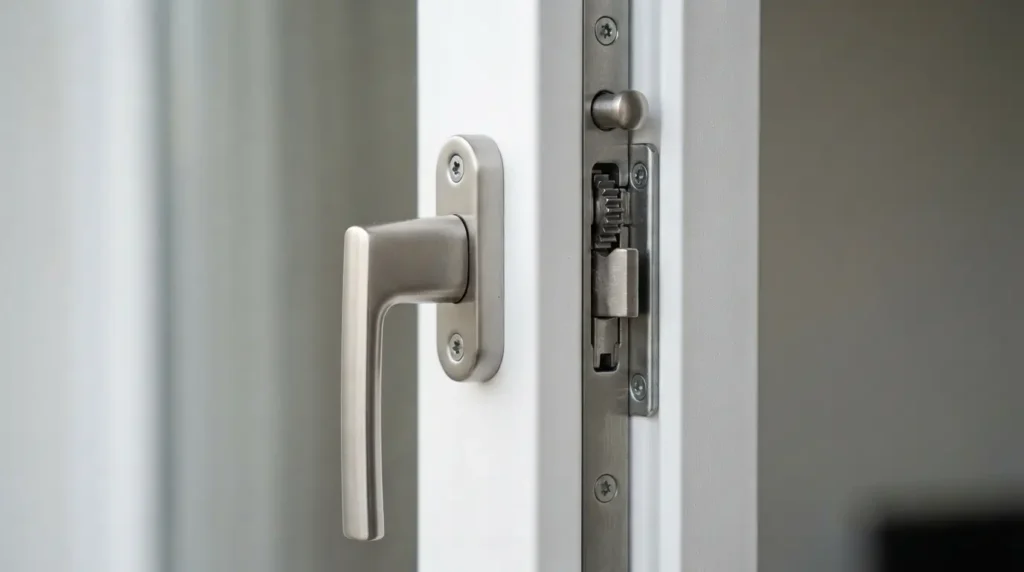
Most casement and awning windows use a cam lock or a multi point locking system. When you turn the handle, the lock pulls the sash tight against the frame at several points, not just one. This makes forced entry harder compared to a single latch on a sliding window.
Egress Window Requirements for Bedrooms
Building codes require every bedroom to have an egress window, an exit large enough for a person to climb through during an emergency. Casement windows often meet egress requirements well because they open fully and provide a wide clear opening. Always check your local code before finalizing a bedroom window choice.
Installation and Maintenance
Well maintained windows like these can last decades. Here is what to watch for.
Signs You Need a New Hinge
If your window sticks, sags, or will not stay open, the hinge may be worn out. A gap between the sash and frame when closed is another warning sign.
Lubrication and Cleaning
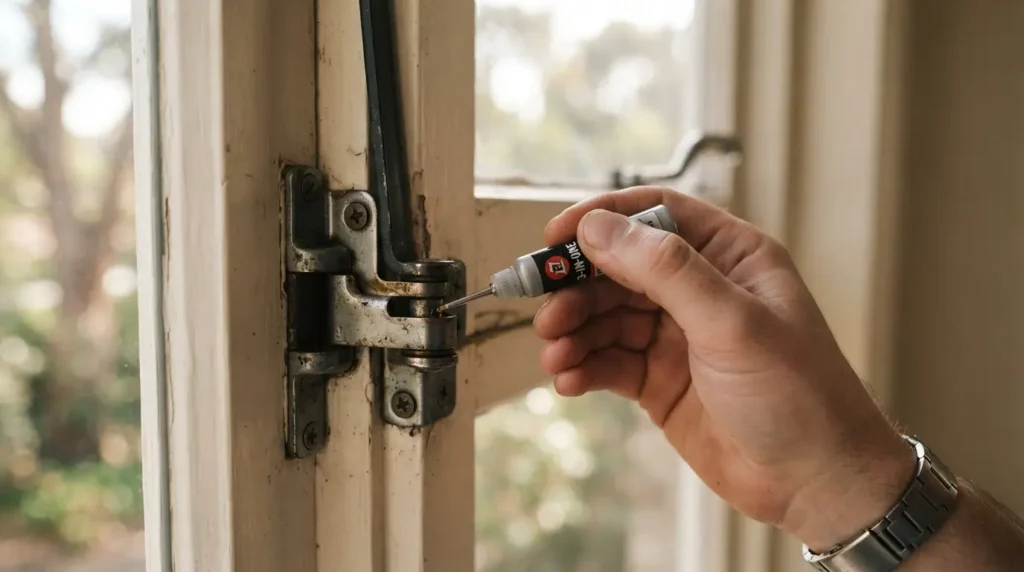
Lubricate hinges once or twice a year with a light machine oil. Wipe away dirt and debris from the hinge and track area regularly. This simple habit prevents most hinge failures before they start.
Inspection Checklist
Check these points twice a year:
- Hinges move smoothly without grinding
- Crank operator turns without excess resistance
- Weatherstripping sits flush with no gaps
- Locks engage fully and align properly
- Screens fit snugly with no tears
Catching small issues early saves you from a full window replacement later.
Final Thoughts
Hinged windows cover a wide family of styles, from casement to pivot. Each type solves a different problem, whether that is tight ventilation control, a wide unobstructed view, or strong energy performance. Choosing the right style comes down to your room, your climate, and your budget. Compare your options against sliding and double hung windows before you decide, and always check for an NFRC rating to confirm real world performance. With the right choice, it can serve your home well for decades.
Frequently Asked Questions
What is a hinged window?
Hinged windows have a sash attached to the frame by hinges. They swing open instead of sliding. Casement, awning, hopper, tilt and turn, and pivot windows all fall under this category.
What are windows that open like doors called?
Windows that open like doors are usually casement windows. They are hinged on the side and swing open using a crank, much like a door swings on its hinges.
What is the difference between a hinged window and a casement window?
Hinged windows form the broad category. A casement window is one specific type within it, hinged on the side and opened with a crank. Every casement window fits this category, but not every window in it is a casement.
Are hinged windows more energy efficient than sliding windows?
Yes, in most cases. Because the sash presses against the frame when closed, hinged windows typically have lower air leakage rates than sliding windows, based on Department of Energy research.
How much do hinged windows cost?
Cost depends on type, size, and frame material. Vinyl casement windows sit at the lower end. Wood or fiberglass tilt and turn windows sit at the higher end. Get a local quote for exact pricing in your area.
Can a large picture window open?
A true picture window does not open. If you want a wide view with airflow, choose an oversized casement or tilt and turn window instead. These give you a similar look with full ventilation.
What are the benefits of double hung windows compared to hinged windows?
Double hung windows let you open the top or bottom independently, and they fit traditional home styles well. Hinged windows generally seal tighter and offer better airflow, but double hung units often cost less and suit classic architecture better.
Which window type is best for new home construction?
For new construction, casement and awning windows are strong choices due to their energy efficiency and tight seal. Builders in colder climates often favor them for this reason, though the best choice always depends on your specific design and budget goals.
How do you fix a loose or squeaky window hinge?
Tighten any loose screws first. Then apply a light machine oil to the hinge joint. If the sash still sags or will not stay open, the hinge itself may need replacement.

About HomeFixStyle
HomeFixStyle is a home improvement blog dedicated to helping readers create better, more comfortable, and stylish homes. We share practical ideas, helpful guides, home decor inspiration, renovation tips, and simple solutions for everyday home projects. Our goal is to make home improvement easier to understand and apply, whether you are updating one room or improving your entire home.