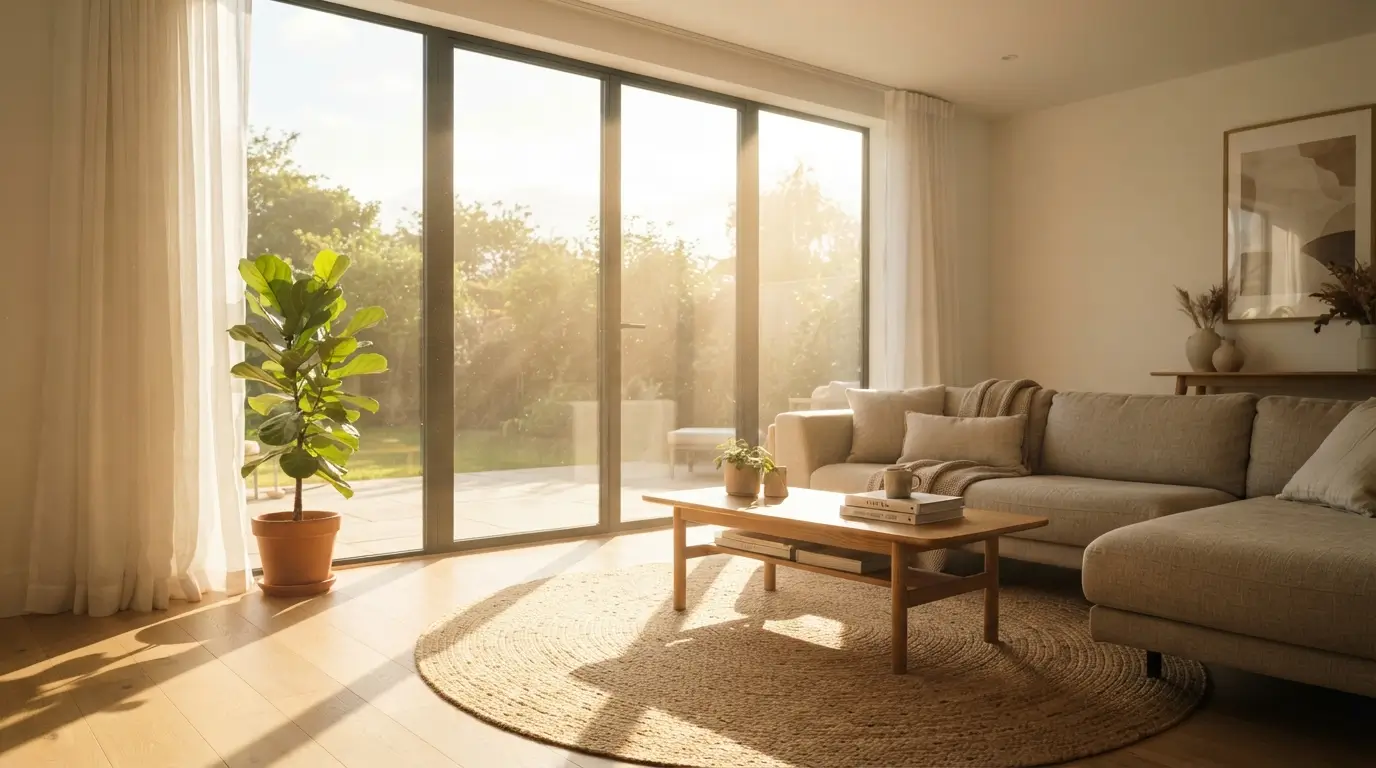
Ask any apartment hunter what they want most, and many will say the same thing. South facing windows. That single detail can shape how a room feels all day long.
South facing windows let in more sunlight than any other direction. They warm your home in winter and can overheat it in summer. This guide explains why that happens. You will learn how it compares to every other direction. You will also see which rooms benefit most and how to control the heat and light. Plus, you will learn how this exposure affects your plants, furniture, and home value.
What Does South-Facing Actually Mean for Your Home?
Window orientation determines how much sun a room receives. A window that faces south points toward the southern sky. In the northern hemisphere, that means it catches the sun for most of the day
This is why southern rooms feel brighter and warmer than rooms on other sides of the house. The effect is strongest across the United States, since most homes sit fully within the northern hemisphere. If you live south of the equator, the pattern flips. Northern exposure then behaves the way south facing windows do here.
How to Tell Which Window Is South Facing
You do not need special tools to figure this out. A few simple methods work well.
Open your phone’s compass app and stand facing the window. If the needle points south while you look outside, that window faces south. Most smartphones include a built in compass under the tools or utilities folder.
You can also watch the sun. At solar noon, the sun sits due south in the sky across most of the country. If direct sunlight pours through a window around midday, that window is likely one of your home’s south facing windows.
Google Maps offers another shortcut. Pull up your address in satellite view, then check which wall aligns with the compass rose in the corner. This works even before you move in.
Why This Orientation Gets So Much Sun
The sun does not travel the same path every season. Its angle in the sky shifts, and that shift changes how much light and heat pours through south facing windows.
Winter Sun and Southern Exposure
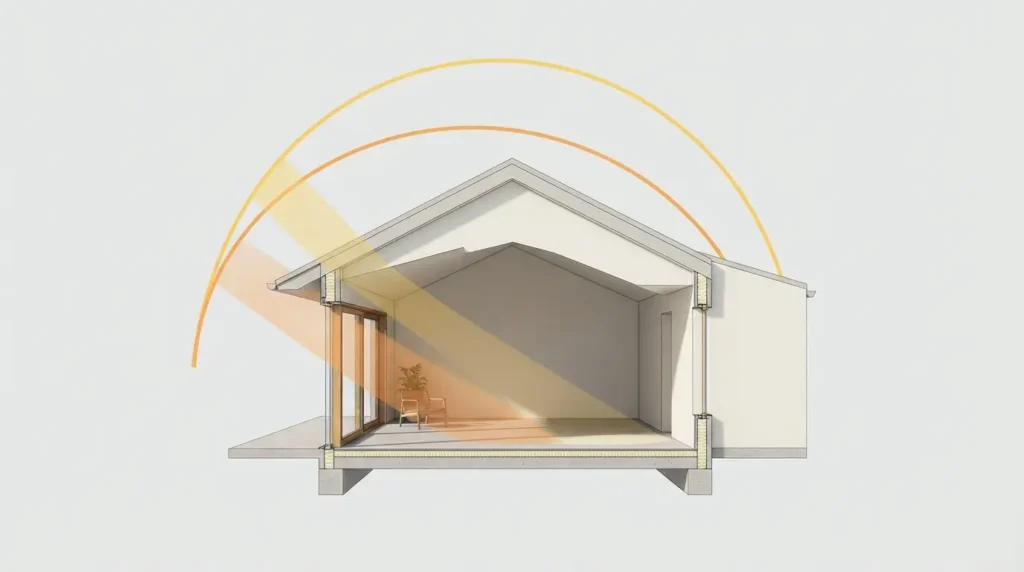
In winter, the sun stays low in the sky. It travels a shorter arc closer to the horizon. Low sun angles send light deep into a room through south facing glass. This is why southern rooms feel noticeably warmer in December than rooms on other walls.
That low winter light also carries real heat. Homes with generous southern exposure often need less furnace time on sunny winter days. The sun does part of the heating work for free.
The U.S. Department of Energy notes that well placed south facing glass is a core principle of passive solar design. It captures free heat during the coldest months without any mechanical system involved. This is why architects in colder states often push for larger south walls when designing energy efficient homes.
Summer Sun and Southern Exposure
In summer, the sun climbs high overhead. It passes almost directly above a south wall for much of the day. Less direct light enters south facing windows compared to winter, because the sun sits higher and the angle is steeper.
This might sound like good news, but summer still brings challenges. Long daylight hours mean southern rooms still soak up plenty of warmth. Without shading or efficient glass, air conditioning costs can climb during the hottest months.
The good news is that this angle difference works in your favor once you understand it. A properly sized roof overhang can block nearly all direct summer sun while still letting in the lower winter light. This single design detail explains a lot. Some homes stay comfortable year round with almost no extra cooling effort. Others struggle through every summer afternoon.
South Facing Windows vs. North, East, and West: Full Comparison
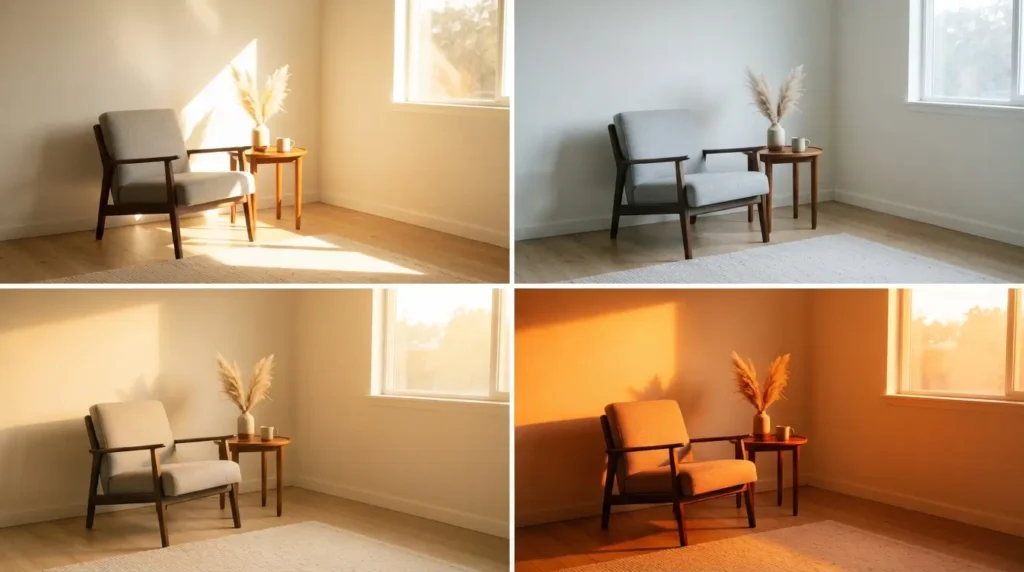
Every direction offers a different light pattern. Understanding window orientation, and knowing how south facing windows stack up against the others, helps you plan rooms, treatments, and even furniture placement.
South Facing Windows vs. North-Facing Windows
This orientation brings strong, direct light most of the day. North facing windows receive soft, indirect light that barely changes in intensity. Rooms with northern exposure stay cooler year round, but they can feel dim in winter. Artists and photographers often prefer these rooms because the light never creates harsh shadows.
North facing windows also receive the least sunlight of any orientation. If you want a cool, shaded room with steady light, this direction does that job better than any other.
South Facing Windows vs. West-Facing Windows
West facing windows deliver intense afternoon and evening sun. That light arrives low and direct, often causing strong glare on screens and furniture. South facing windows spread sunlight more evenly across the whole day instead of concentrating it in a few late hours.
Rooms with west facing windows tend to overheat quickly in summer afternoons. Southern rooms warm up too, but the heat builds more gradually throughout the day.
South Facing Windows vs. East-Facing Windows
East facing windows capture bright morning light that fades by early afternoon. This makes them ideal for kitchens and breakfast nooks. A southern orientation keeps delivering strong light well past midday, making it better suited for spaces used all day long.
| Orientation | Light Pattern | Best Rooms | Main Challenge | Energy Impact |
| South | Strong light most of the day | Living rooms, kitchens, sunrooms | Summer overheating | Lower winter heating costs |
| North | Soft, even light all day | Offices, studios, art rooms | Cooler, dimmer rooms | Higher winter heating costs |
| East | Bright morning light only | Breakfast nooks, bedrooms | Fades by afternoon | Mild, morning focused gain |
| West | Intense afternoon and evening light | Living rooms, dining rooms | Glare and summer heat | Higher summer cooling costs |
On a wall that gets this much sun, frame material matters too. Vinyl and aluminum windows perform very differently when it comes to heat.
Pros and Cons of South Facing Windows
No orientation is perfect. South facing windows bring real benefits alongside real tradeoffs worth planning for.
The Benefits
Southern rooms fill with natural light for most of daylight hours. That light supports healthy plant growth and reduces the need for artificial lighting during the day.
In winter, the low sun angle sends free heat into your home. Many homeowners notice lower heating bills in rooms with south facing windows. This orientation also improves curb appeal. Bright, sunlit rooms photograph well and feel welcoming to guests.
The Drawbacks
Summer heat is the biggest tradeoff. Without proper shading, southern rooms can overheat and push cooling costs higher. Constant sun exposure fades furniture, flooring, and artwork faster than in rooms with less direct light.
Glare can also be an issue during certain hours, especially for home offices with screens facing the window. These challenges are manageable, but they require planning from the start.
Best Rooms for This Orientation
Not every room benefits equally from south facing windows. Matching the room to the light pattern makes a real difference in comfort and function.
Living rooms and kitchens thrive here. Families gather in these spaces most of the day, and steady light keeps them bright and welcoming. This kind of light works especially well with a boho living room setup, where layered textures and natural materials rely on strong daylight to stand out. Sunrooms and plant rooms also do well here. Consistent light supports plant growth and creates a cheerful gathering spot even in colder months.
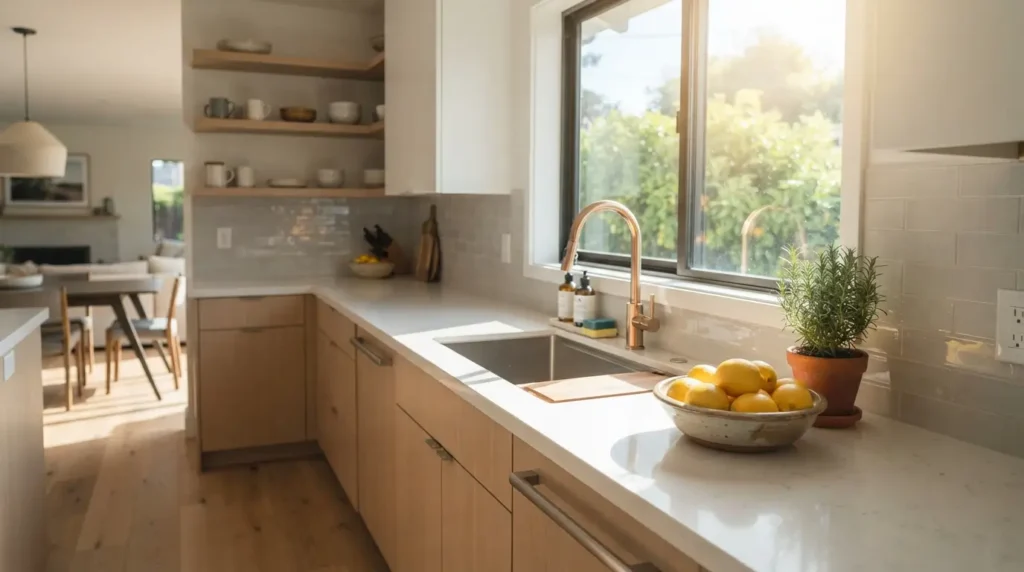
Home offices need more caution. Screen glare from strong sun can strain your eyes by midday. Position your desk perpendicular to the window rather than facing it directly.
Bedrooms with this exposure can overheat at night if left unshaded during the day. Blackout curtains or cellular shades help keep sleeping spaces comfortable through summer.
Dining rooms also benefit, since meals often happen during the brightest parts of the day. Home gyms placed in these rooms feel more energizing too. Morning workouts may need a lighter shade to cut early glare. The mood boost from natural light usually makes up for it.
Even one room with south facing windows can transform an otherwise shaded home. That single space feels brighter and more welcoming.
How to Manage Heat and Light From Southern Exposure
Good window treatments and glass choices help you keep the light you love. They also control the heat that comes with it.
Window Treatments That Work Best
Solar shades block glare and heat while still letting you see outside. Cellular shades trap air in their honeycomb pockets, adding insulation year round. Many homeowners layer solar shades with drapery for both function and style. If you want a deeper breakdown of fabric openness and motorized options, our solar screen buyer’s guide covers exactly that.
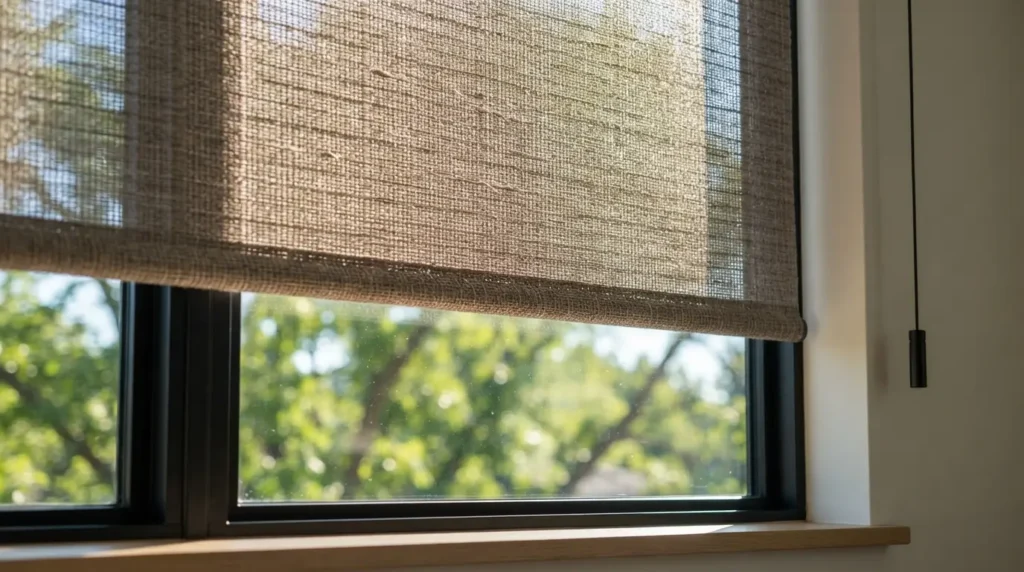
The right openness factor matters more than most people realize. A tighter weave blocks more heat and glare but reduces your outdoor view. A looser weave preserves the view but lets in more light and warmth. Living rooms with heavy afternoon sun often do better with a tighter weave. A home office may only need light glare control.
Motorized shades are worth considering for hard to reach windows. They also help in rooms where the sun angle changes quickly through the day. Setting a schedule means your shades close automatically before the strongest afternoon heat arrives, even when nobody is home.
Low-E Glass and Window Films
Low-E glass has a thin coating that reflects heat while letting visible light through. It reduces solar heat gain without darkening the room. Two numbers matter most when shopping for windows.
The solar heat gain coefficient, or SHGC, measures how much solar heat passes through the glass. The U-factor measures how well a window prevents heat from escaping. A lower U-factor keeps warm air inside during winter.
For south facing windows specifically, the Department of Energy recommends a different approach than most homeowners expect. DOE guidance calls for glass with an SHGC of at least 0.6 and a U-factor below 0.35 on the south side. This lets in winter warmth on purpose. That free heat is the whole point of a south wall full of glass. Summer overheating gets controlled separately, through overhangs, shading, and seasonal window coverings. It does not come from choosing low SHGC glass, which would block winter sun too.
Natural Shading Solutions
Deciduous trees planted on the south side offer shade in summer. Once their leaves drop in fall, they let light through again. A well placed roof overhang blocks the high summer sun. It still allows the lower winter sun to reach your windows. These passive solutions work quietly in the background without any daily effort.
Protecting Furniture and Flooring From Sun Damage
Constant sunlight fades fabric, wood, and flooring over time. UV blocking window films cut fading risk without darkening your view. Rotating rugs and furniture every few months evens out sun exposure. Moving light sensitive pieces even a few feet from the glass can extend their life significantly.
Darker fabrics and finished woods tend to show fading faster than lighter tones. Keep that in mind when furnishing a bright room. Area rugs are especially vulnerable since they sit flat and absorb direct light all day. A simple habit of closing shades during the strongest midday hours protects your investment without sacrificing morning or evening light.
Best Plants for a South Facing Room
South facing windows create ideal growing conditions for sun loving plants. Understanding placement and seasonal light changes helps your plants thrive year round.
Where to Place Plants Near the Glass
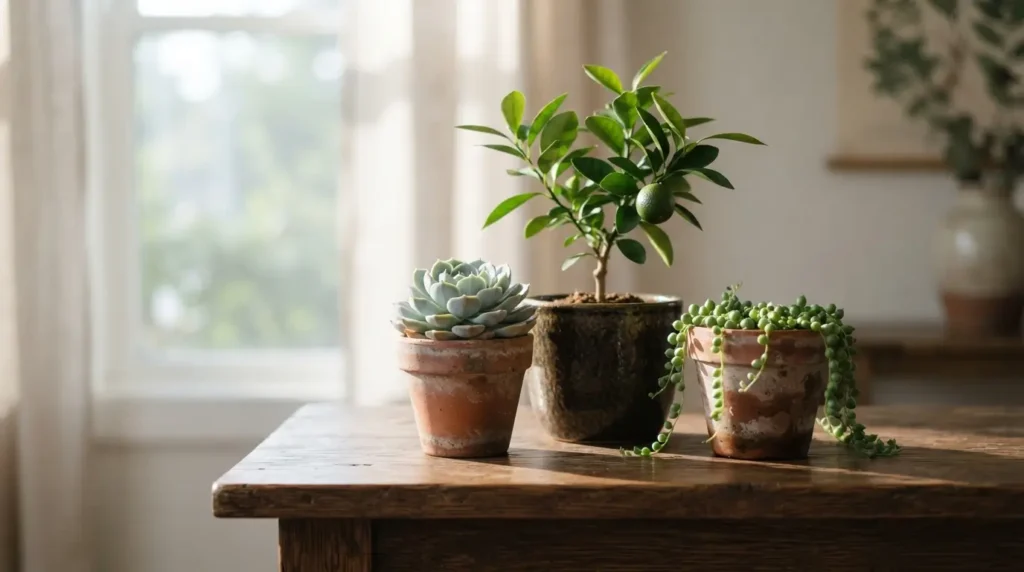
Most sun loving plants do best a few feet back from the window rather than pressed against it. Direct contact with hot glass can scorch leaves. A sheer curtain softens intense midday light for more delicate plants. Rotate pots every week or two so all sides get even light.
Does Winter Sun Give Plants a Summer-Like Boost
Winter sun through this exposure can feel surprisingly strong indoors. The low angle sends direct light deep into the room, sometimes rivaling summer light levels near the glass. Sun loving plants like succulents and citrus often respond well to this boost. Shade loving plants may need to move further back during winter months to avoid stress.
Keep in mind that indoor heating can dry the air around plants during winter, even with strong light present. Misting leaves or running a small humidifier near your plant collection helps balance the intense light with proper moisture.
Renting vs. Owning: What You Can Actually Change
Renters cannot install new glass or add a roof overhang, but plenty of options still work. Tension rod curtains, removable solar film, and portable furniture arrangement all help manage heat and glare without any permanent changes. Cellular shades that mount with pressure fit brackets are another renter friendly option that avoids drilling.
Homeowners have more flexibility. Upgrading to Low-E glass, adding exterior shading, or planting trees are long term investments. They pay off through comfort and lower energy bills over the years.
If you rent, always check your lease before installing anything with adhesive or hardware. Many landlords allow tension rods and clip on shades since they leave no permanent marks. When you eventually buy a home, treat window orientation as seriously as square footage or layout. It shapes your daily comfort far more than most buyers expect.
Does This Orientation Increase Home Value?
Buyers consistently list natural light as a top priority during home searches. Homes with south facing windows often show better in photos and during in person tours. Bright rooms simply feel larger and more inviting.
No appraisal formula directly credits window orientation. Still, real estate agents often note that light filled homes sell faster and draw stronger offers. This exposure is not just a comfort feature. It can be a genuine selling point.
More than half of real estate professionals say highlighting energy-efficient features like windows can add value to a listing. That figure comes from the 2025 REALTORS Residential Sustainability Report. The National Association of REALTORS put the number at 58 percent. Bright, sunlit rooms with strong southern exposure often become a natural focal point during showings.
Final Thoughts
This orientation offers some of the best natural light any home can have. It warms your rooms in winter, supports healthy plants, and makes spaces feel open and alive. With the right shades, glass, and shading strategy, the summer heat becomes easy to manage too. Once you understand how sun angles shift through the year, everything changes. South facing windows stop being a challenge. They start becoming one of your home’s best features.
Frequently Asked Questions
Is this orientation good for a home?
Yes, for most homeowners. South facing windows bring strong natural light and free winter warmth. The main tradeoff is extra summer heat, which proper shading and glass easily manage.
How do I tell which window is south facing?
Use your phone’s compass app while standing at the window, or check the sun’s position at midday. Google Maps satellite view also shows wall orientation clearly.
Which direction window gets the least sun?
North facing windows receive the least direct sunlight of any orientation. They offer steady, soft light without strong shifts throughout the day.
Why does southern exposure get more sun while northern exposure gets less?
The sun travels across the southern sky in the northern hemisphere. Windows facing south sit in that direct path, while north facing windows face away from it.
How important is this orientation really?
For many homeowners, it matters a great deal. Natural light affects mood, energy use, and how a home feels day to day. That is why so many buyers and renters prioritize this feature.
Does this exposure increase energy bills?
It can raise summer cooling costs without shading, but it also lowers winter heating costs. Most homeowners find the two effects balance out with the right window treatments.
Do south facing homes really get too hot?
Not always. Overheating usually happens when windows lack shading or efficient glass. With solar shades, Low-E glass, or a well placed overhang, these rooms stay comfortable through summer.
What is the best window treatment for this exposure?
Solar shades offer the best balance of heat control, glare reduction, and visibility. Many homeowners pair them with cellular shades or drapery for added insulation and style.
Does constant sun exposure fade furniture faster?
Yes, constant direct sun accelerates fading in fabric, wood, and flooring. UV blocking films and rotating furniture placement both reduce this risk.
What is the ideal degree of orientation for true south exposure?
The U.S. Department of Energy recommends windows fall within 30 degrees of true south for strong passive solar performance. Staying closer to true south improves results further, but the full 30 degree range still works well for most homes.

About HomeFixStyle
HomeFixStyle is a home improvement blog dedicated to helping readers create better, more comfortable, and stylish homes. We share practical ideas, helpful guides, home decor inspiration, renovation tips, and simple solutions for everyday home projects. Our goal is to make home improvement easier to understand and apply, whether you are updating one room or improving your entire home.