Choosing new windows is a big decision for any homeowner. This guide compares vinyl vs aluminum windows side by side. You will see the real differences in cost, energy efficiency, durability, and noise control. We also cover which material works best in your climate and home style. By the end, you will know which window material fits your budget and your house.
Key Takeaways
Vinyl windows usually cost less and insulate better in most climates. Aluminum windows are stronger and handle wind, impact, and large glass panes better. Your local climate matters more than brand names when you pick a material. High end vinyl and thermally improved aluminum close most of the performance gap between the two.
Quick Comparison Table: Vinyl vs Aluminum Windows at a Glance
| Feature | Vinyl | Aluminum |
| Average cost per window | $100 to $900 | $75 to $400 |
| Typical lifespan | 20 to 40 years | 20 to 25 years |
| Insulation | Better, lower heat transfer | Weaker, conducts heat |
| Maintenance | Low | Moderate |
| Noise reduction | Good | Very good |
| Best climate | Moderate to cold regions | Hot, humid, or storm prone areas |
| Recyclability | Limited | Highly recyclable |
| Impact resistance | Good, costs more | Strong, often cheaper for impact rated units |
What Is Vinyl? What Is Aluminum?
What Is Vinyl (PVC) Window Material?
Vinyl window frames are made from PVC. PVC is a plastic known as a thermoplastic. Heat can soften thermoplastic material over years of sun exposure. This is why vinyl frames can warp in very hot climates.
What Is Aluminum Window Material?
Aluminum window frames use extruded aluminum. This process makes the metal thicker and stronger than basic sheet aluminum. Most aluminum frames get a powder coated finish. This coating resists fading and adds many color choices.
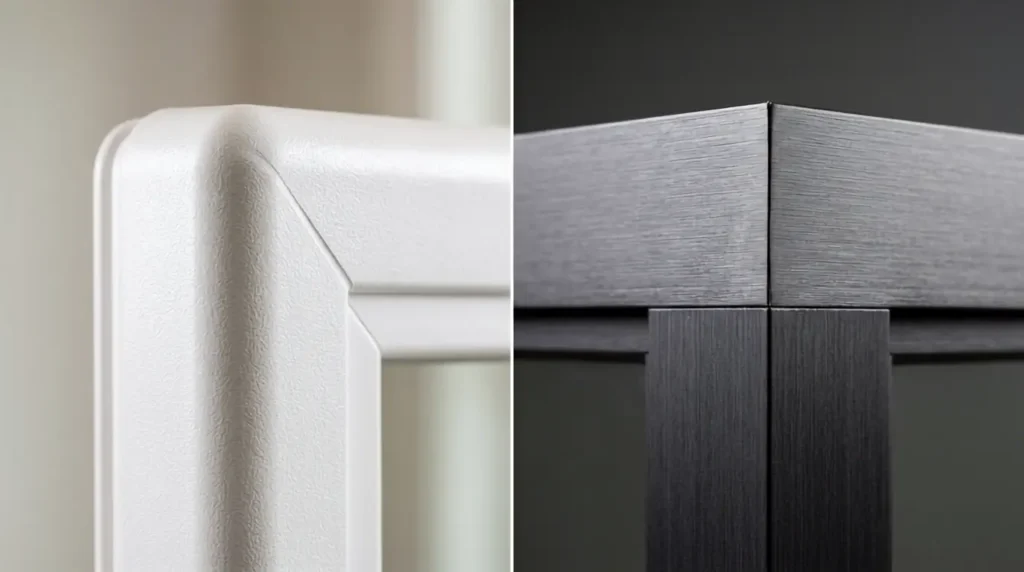
Understanding vinyl vs aluminum windows starts with comparing nine factors that affect your daily comfort and long term costs.
Vinyl vs Aluminum Windows: Full Side by Side Comparison
1. Cost & Price Comparison
When homeowners compare vinyl vs aluminum windows, price is often the first factor. Vinyl windows usually cost less upfront than aluminum. On average, vinyl runs about 30 percent cheaper for standard styles. There is one exception. Impact rated aluminum windows often cost less than impact rated vinyl. Aluminum needs less material to meet the same strength rating, which lowers the price. Get at least three local quotes before you decide, since labor and brand can shift these numbers.
2. Energy Efficiency & Insulation
Vinyl frames slow down heat transfer better than aluminum. Aluminum is a metal, so it conducts heat fast. This effect is called thermal bridging. Manufacturers fight this problem with a thermal break, a strip of insulating material placed inside the frame. When comparing windows, check the U-Factor and SHGC rating on the label. Lower U-Factor numbers mean better insulation. ENERGY STAR and the National Fenestration Rating Council, or NFRC, set the testing standards behind these ratings.
3. Durability & Structural Strength
Aluminum frames handle wind pressure and impact better than vinyl. This makes aluminum a common choice for large windows and storm prone regions. Many aluminum products carry certification from the American Architectural Manufacturers Association, known as AAMA. This group sets industry standards for strength and performance. Vinyl can also meet impact codes, but the frames need extra reinforcement to match aluminum’s natural strength. This gap is one of the clearest differences in the vinyl vs aluminum windows debate.
4. Weather & Climate Performance
Coastal air causes corrosion on aluminum frames over time. Salt in the air speeds up pitting and rust near fasteners. Cold weather affects vinyl differently. Extreme cold can make vinyl brittle and prone to cracking. Both materials can suffer from condensation if a home has poor ventilation.
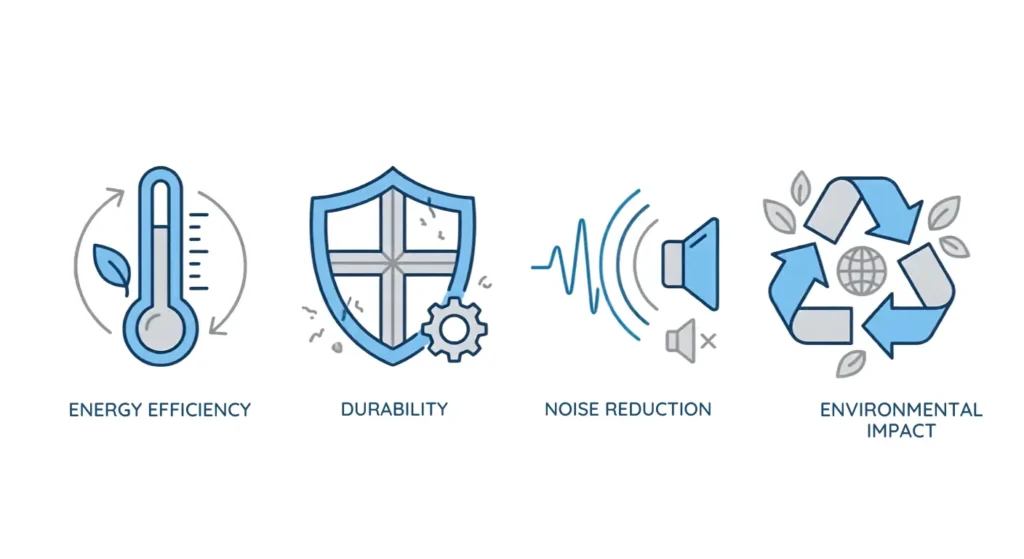
5. Maintenance Requirements
Vinyl windows need very little upkeep. Occasional cleaning and fresh caulk around the frame are usually enough. Aluminum needs more regular care. Wipe frames down to prevent oxidation, and lubricate moving parts a few times a year to stop corrosion.
6. Noise Reduction (Sound Insulation)
Sound insulation is measured using an STC rating, short for Sound Transmission Class. Higher STC numbers block more outside noise. Aluminum frames, especially with thicker glass packages, often score higher STC ratings than standard vinyl. If you live near a busy road, ask your installer for STC data before you buy.
7. Appearance & Design Flexibility
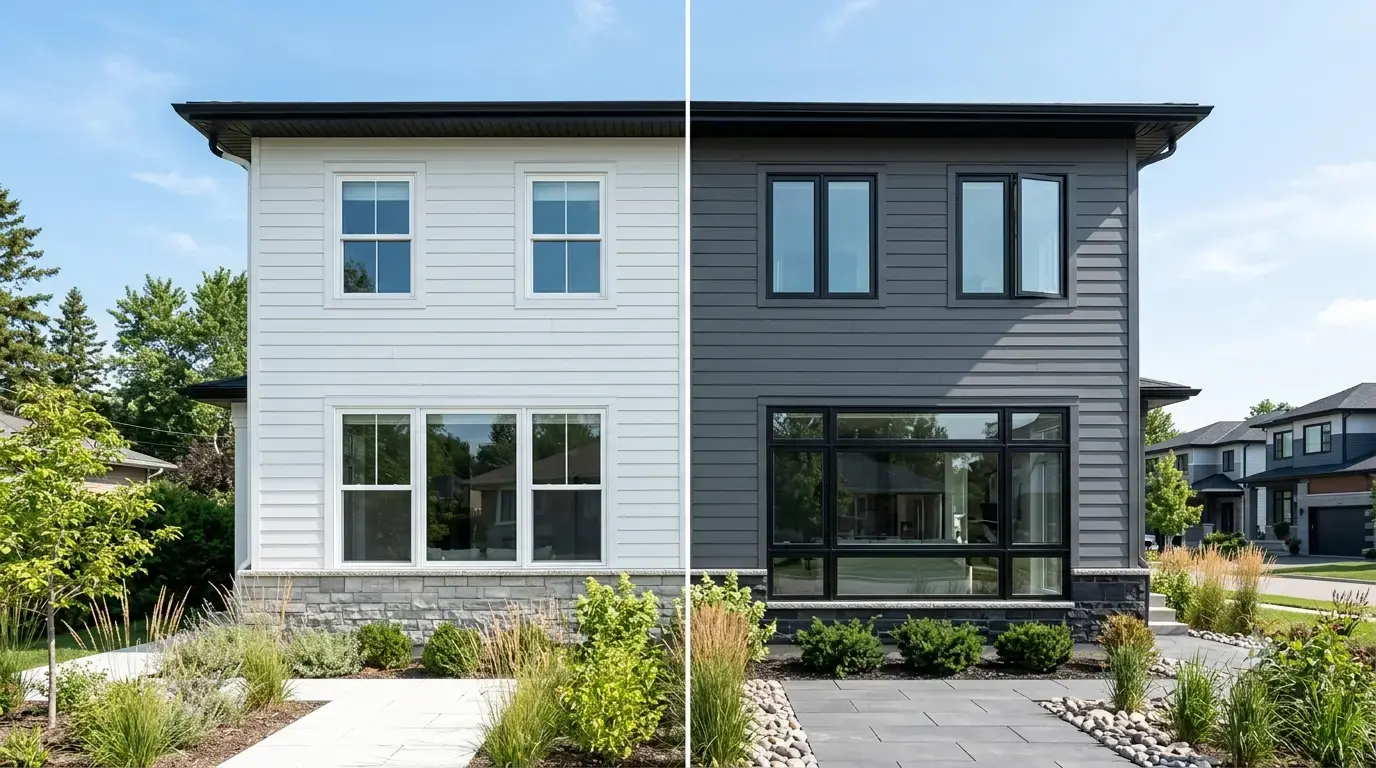
Vinyl frames come in wood grainVinyl frames come in wood grain textures and many colors. This makes vinyl popular for traditional homes like bungalows and Victorians. Vinyl’s wood grain finish also works well for classic farmhouse windows, where a warm, natural look matters. Aluminum frames are thinner and have a sleek, modern look. Architects often choose aluminum for modern houses with large glass walls.
8. Environmental Impact & Recyclability
Aluminum is highly recyclable and holds its value as scrap metal. Vinyl is harder to recycle, but its strong insulation can lower a home’s energy use over time. Both materials have real environmental tradeoffs worth weighing.
9. Installation Difficulty (DIY vs. Professional)
Vinyl frames flex slightly, which makes them more forgiving during installation. Aluminum frames are rigid and need precise measurements. A small gap around the frame’s jamb or sill can cause air leaks or a poor seal. If you are unfamiliar with window and door frame parts, it helps to learn the basics before starting. Hire a licensed installer for either material to protect your warranty.
Which Is Better by Climate?
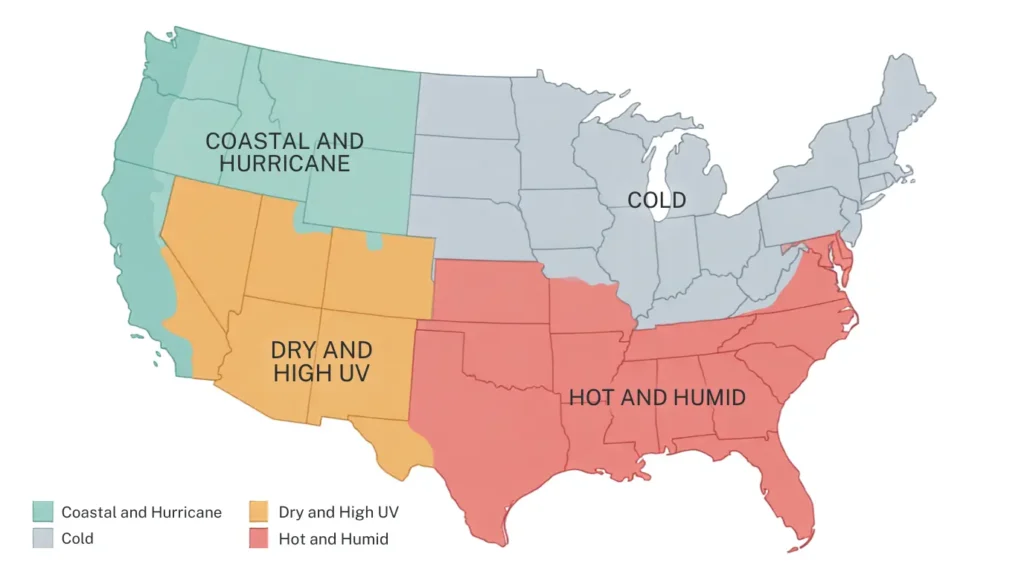
The vinyl vs aluminum windows decision often comes down to where you live.
Best Window Material for Hot & Humid Climates
Vinyl performs well in most hot regions thanks to its natural insulation. In extreme, sustained heat, check the manufacturer’s heat rating before buying, since lower grade vinyl can soften over time.
Best Window Material for Cold Climates
Vinyl is usually the better pick for cold winters. Its lower thermal conductivity keeps heat inside your home and can lower your heating bill.
Best Window Material for Coastal & Hurricane-Prone Areas
Choosing between vinyl and aluminum windows in a hurricane zone depends on your budget and building code. Impact rated aluminum is often the more affordable option here. Vinyl needs reinforced frames to meet the same wind rating.
Best Window Material for Dry, High-UV Climates
Strong, constant sun exposure can fade lower grade vinyl over the years. Aluminum’s powder coated finish tends to resist UV fading better in these areas.
10-Year Cost of Ownership: Vinyl vs. Aluminum
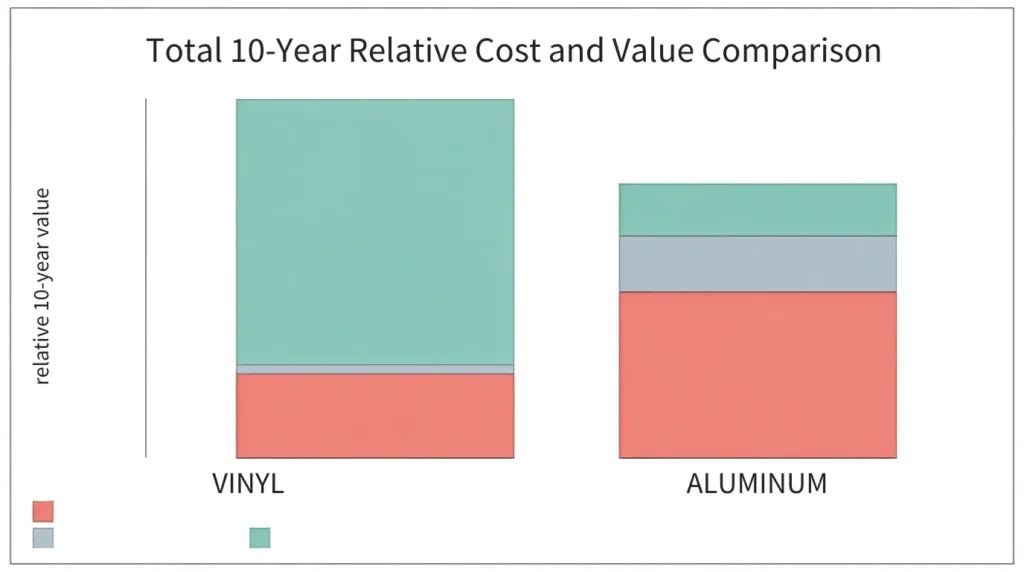
Purchase price is only part of the story. Over a 10 year span, vinyl’s lower energy bills often offset its slightly higher upfront cost in cold and moderate climates. Aluminum can save money upfront in hurricane zones, but ongoing maintenance adds cost over time. Remodeling Magazine’s Cost vs Value Report tracks this yearly. Window replacement, in both materials, recoups a strong share of its cost at resale. Ask local contractors for maintenance estimates specific to your climate before you commit.
Vinyl Clad vs Aluminum Clad Windows: Is That the Same Thing?
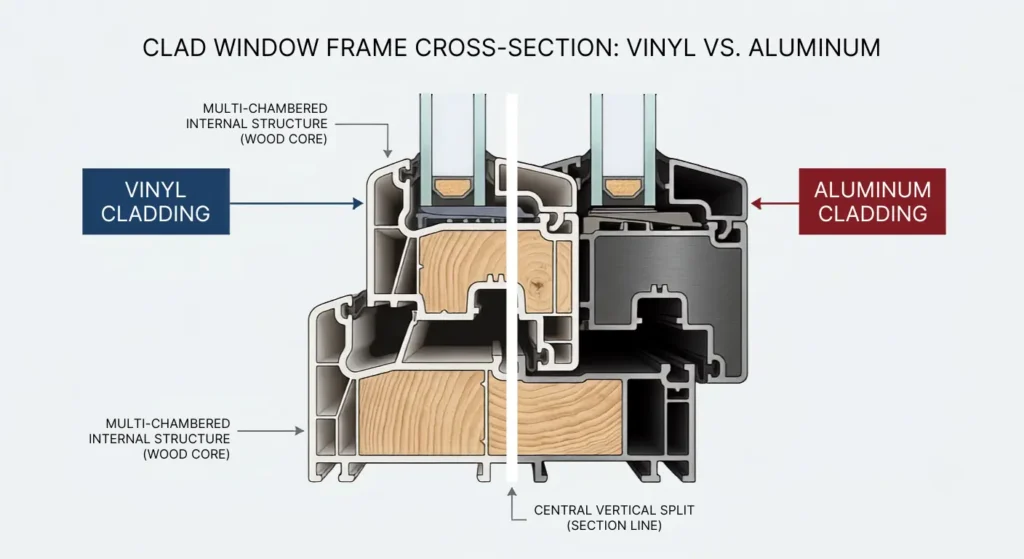
Vinyl clad and aluminum clad windows are not the same as standard vinyl or aluminum frames. Clad windows have a wood core covered with a protective outer layer. The cladding adds weather resistance while keeping the warmth of real wood inside your home. This is a different product category, built for homeowners who want a wood interior with less maintenance outside.
Which Should You Choose? A Decision Framework
Your final vinyl vs aluminum windows choice should match your home and your budget.
Choose Ainyl if:
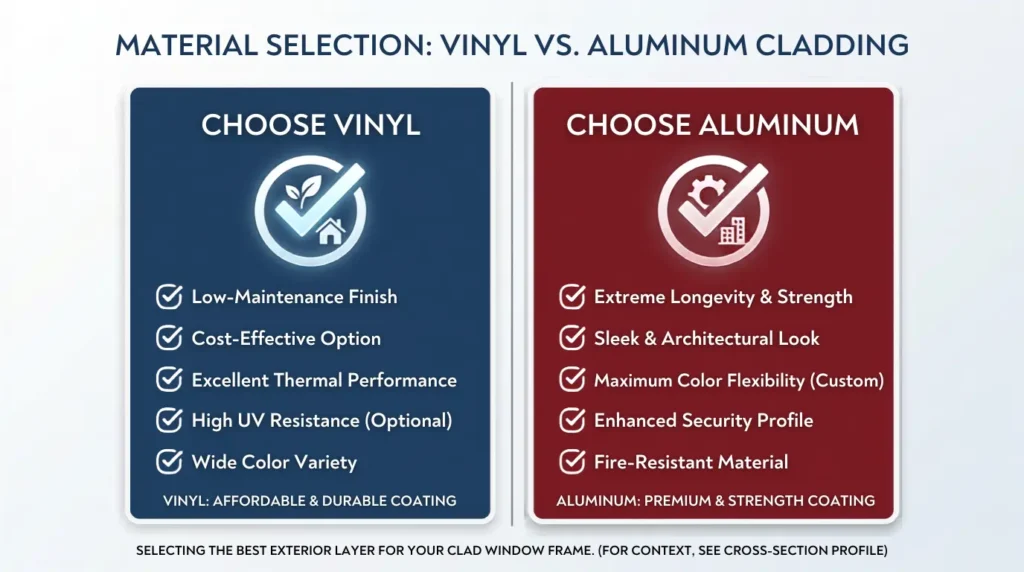
You want lower upfront cost, easy maintenance, and strong insulation. Vinyl fits well in traditional style homes and moderate to cold climates.
Choose Aluminum if:
You need maximum strength, large glass openings, or a modern look. Aluminum is a strong fit for hurricane zones and contemporary architecture.
Conclusion:
There is no single winner in the vinyl vs aluminum windows debate. Vinyl offers better insulation and a lower price for most homes. Aluminum offers superior strength for storms and modern design. Match the material to your climate, budget, and home style, and you will make the right call for your project.
Frequently Asked Questions:
Is vinyl better than aluminum for windows?
When comparing vinyl vs aluminum windows, vinyl usually wins on cost and insulation. Aluminum wins on strength and impact resistance. The better choice depends on your climate and budget.
What are the disadvantages of vinyl windows?
Vinyl can warp in extreme heat and is harder to recycle. Lower grade vinyl may fade or soften faster than premium versions.
What are the disadvantages of aluminum windows?
Aluminum conducts heat, which can raise energy bills without a thermal break. It also corrodes near salt air and needs regular cleaning.
Which is more expensive, aluminum or vinyl?
Standard vinyl usually costs less than aluminum. For impact rated windows, aluminum is often the cheaper option.
Can vinyl windows last 40 years?
High quality vinyl windows can last 35 to 40 years with proper care. Lifespan depends on the brand, climate, and installation quality.
Is there a problem with vinyl windows?
Budget vinyl windows can warp in high heat and show yellowing over time. Premium vinyl brands address most of these weaknesses.
Is aluminum or vinyl better for insulation?
Vinyl insulates better in most cases because it does not conduct heat like metal does.
Are aluminum windows good for hurricane zones?
Yes, aluminum is a common choice in hurricane zones due to its strength and often lower cost for impact rated glass.