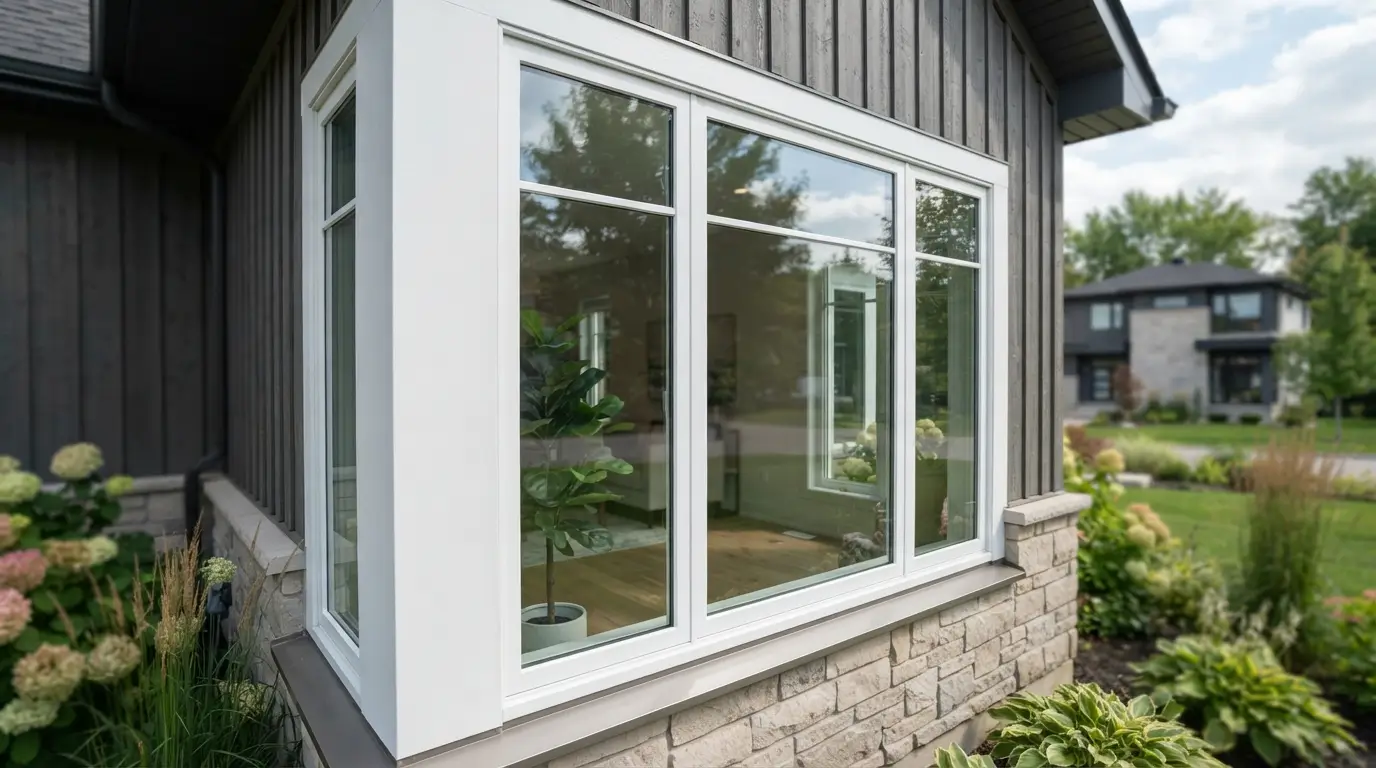
Fiberglass windows cost between $300 and $1,900 per window installed. They last 30 to 50 years and resist warping, rot, and fading better than vinyl or wood. This guide covers real costs, honest pros and cons, top brands, and the warranty question most sites never explain.
Quick Verdict
- Cost: $300 to $1,900 per window installed
- Lifespan: 30 to 50 years, longer than vinyl
- Best for: extreme climates, long-term homeowners, energy savings
- Watch out for: higher upfront cost and possible painting upkeep
- Skip if: you are on a tight budget or a short ownership timeline
What Are Fiberglass Windows?
A fiberglass window uses a frame built from thin glass fibers. Workers weave these fibers into a mat, then coat it with resin. The resin hardens around the fibers to form a rigid, strong frame.
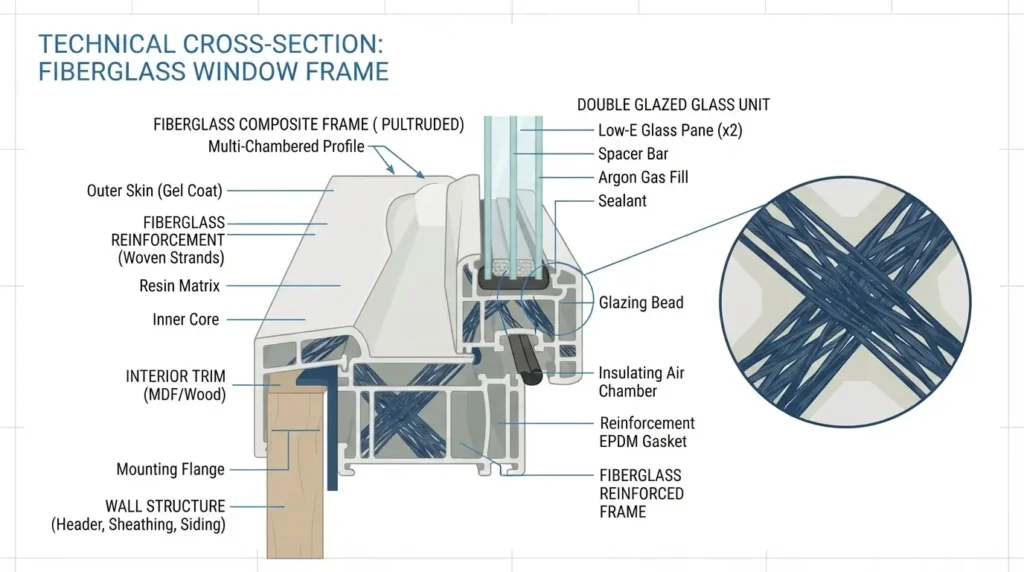
This process is called pultrusion. It creates a material that barely expands or contracts with temperature changes. That matters because window seals fail when frame materials move too much. A stable frame means fewer leaks and drafts over time.
Installers who work with this material daily notice one thing right away. The frames hold their shape even after years of sun and freeze-thaw cycles. Vinyl often softens or sags in extreme heat. This material does not.
The technology started in insulation products back in the 1920s. It later moved into boats, aircraft parts, and window frames. That history explains its strong resistance to heat, cold, and moisture.
How Fiberglass Windows Are Made
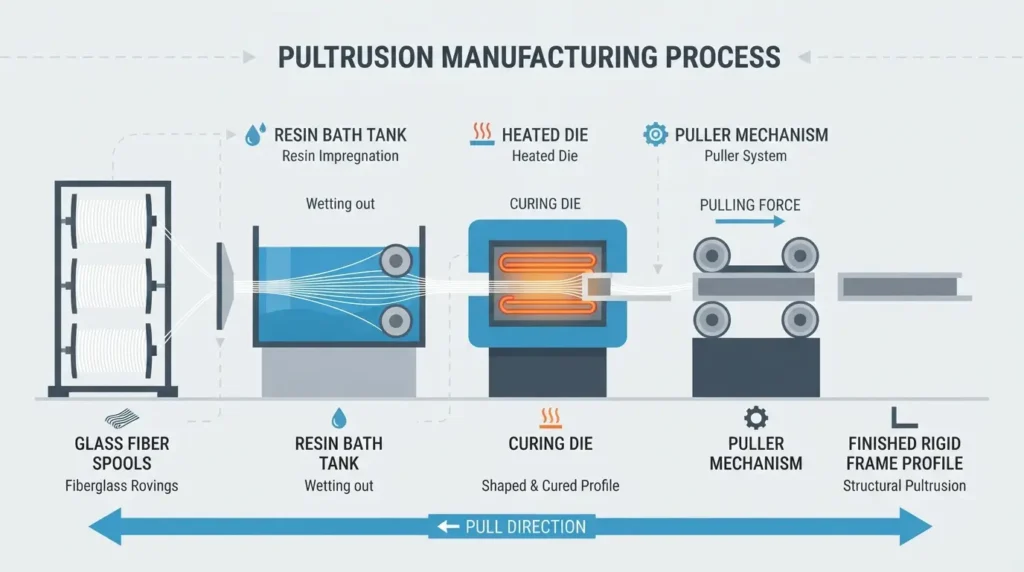
Manufacturers pull glass fibers through a resin bath during pultrusion. The resin hardens around the fibers to form rigid frame pieces. Workers cut these pieces to size and assemble the frames. Then they add glazing, hardware, and finishes.
Quality manufacturers test each batch for fiber alignment and resin consistency. Cheap versions often skip these checks. That leads to uneven finishes and weak seals down the road. Ask any supplier about their testing process before you buy. A manufacturer who cannot explain quality control is a red flag.
Why Manufacturing Quality Affects Lifespan
Poor resin coating creates weak spots in the frame. These weak spots crack faster under stress. A properly manufactured frame resists cracking for decades. A poorly made one can fail within ten years, even if it looks fine on a showroom floor.
Benefits of Fiberglass Windows
This material offers real advantages backed by performance data, not just marketing claims.
Excellent Insulating Properties
These frames do not conduct heat or cold like aluminum does. Combined with double or triple pane glass, they keep indoor temperatures stable year-round.
U-Factor and Solar Heat Gain Coefficient: What the Numbers Mean
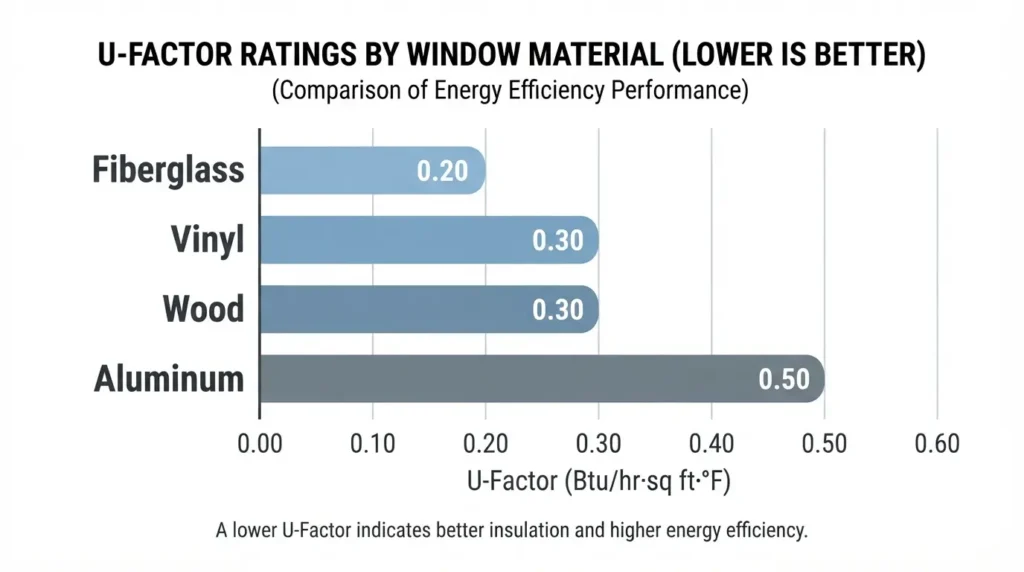
The U-Factor measures how well a window stops heat transfer. Lower numbers mean better insulation. This material often scores around 0.20, based on industry comparisons. Vinyl typically scores closer to 0.30.
The Solar Heat Gain Coefficient, or SHGC, measures how much solar heat passes through the glass. Fiberglass windows generally perform well on both metrics, according to data published by ENERGY STAR.
Long Lifespan: What Actually Shortens It
These windows typically last 30 to 50 years. Vinyl averages 20 to 30 years. Poor installation is the main thing that cuts this lifespan short, not the material itself. A bad seal at install time causes problems no frame material can fix later.
Minimal Maintenance: What “Minimal” Really Means
The frames resist rot, warping, and corrosion. A simple wash with mild soap and water keeps them looking new. “Minimal” does not mean zero, though. Painted finishes still need periodic touch-ups, which we cover honestly below.
Resistance to Environmental Factors
This material tolerates extreme heat, cold, humidity, and UV exposure without breaking down. Manufacturers test many lines from negative 40 to 160 degrees Fahrenheit.
The Honest Downsides of Fiberglass Windows
Every material has trade-offs. This one is not perfect, and you deserve the full picture before spending thousands of dollars.
Higher upfront cost. Expect to pay 40 to 80 percent more than vinyl in many markets. That premium buys durability, but it stings at checkout.
Painting can become a real maintenance commitment. Some product lines are fully paintable without voiding the warranty. Others are not. Installers who work with this material regularly flag a genuine concern. Painting the frame can turn into an ongoing task, not a one-time job. Confirm your manufacturer’s exact policy before choosing a custom color.
Fewer stock options. Vinyl sits ready-made on home improvement store shelves. This material is usually special-ordered from the manufacturer, which adds lead time to your project.
Not always the best ROI for short-term ownership. If you plan to sell within a few years, the extra upfront cost may not pay back in time.
Who Fiberglass Windows Are Not the Best Fit For
If you are flipping a house or renting out a property, this material may not pay off. The higher cost takes years to offset through energy savings. Vinyl often makes more financial sense for short-term ownership or tight budgets.
Why Is the Fiberglass Warranty Shorter Than Vinyl’s Lifetime Warranty?
This is the most common question buyers ask, and almost no guide answers it clearly.
Vinyl manufacturers can offer lifetime warranties partly because vinyl costs less to produce and replace. Manufacturers of this stronger material typically offer 20 to 25 year warranties instead.
This does not mean the material fails faster. Independent industry data shows these frames resist warping and seal failure better than vinyl over time. The shorter warranty reflects manufacturing economics and company policy, not weaker performance.
Always read what a warranty actually covers. A lifetime vinyl warranty often excludes labor costs after the first few years. A 20-year warranty on the stronger material may include full replacement and labor for its entire term. Compare the fine print, not just the number of years.
Fiberglass vs. Other Window Materials — Full Comparison
Here is how fiberglass windows stack up against four common alternatives.
| Material | Avg Cost Per Window | Lifespan | Maintenance | Insulation | Typical Warranty |
| Fiberglass | $300 to $1,900 | 30 to 50 years | Low | Excellent | 20 to 25 years |
| Vinyl | $300 to $1,700 | 20 to 30 years | Very low | Good | Lifetime (limited) |
| Wood | $300 to $2,000 | 20 to 40 years with upkeep | High | Good | 10 to 20 years |
| Aluminum | $300 to $900 | 15 to 20 years | Moderate | Poor | 10 to 20 years |
| Composite | $400 to $1,800 | 25 to 40 years | Low | Good | 20 years |
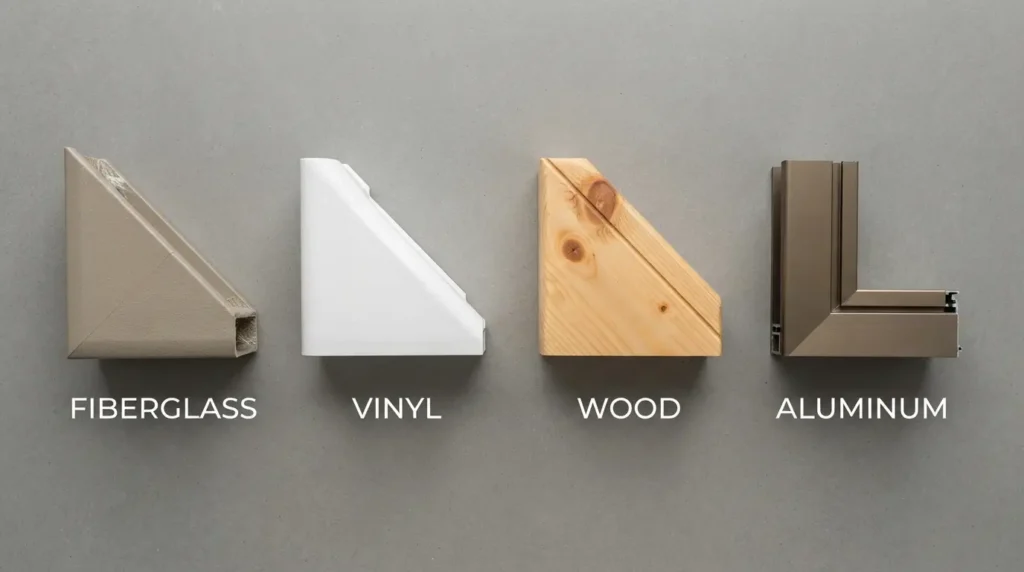
Fiberglass Windows vs. Vinyl Windows
Vinyl costs less and installs faster. The stronger material lasts longer and holds a tighter seal during extreme temperature swings. Vinyl can expand and contract far more under heat stress, according to manufacturer comparisons. That movement eventually weakens seals and invites drafts.See our vinyl vs aluminum windows comparison for more on how vinyl performs against other materials.
Fiberglass vs. Wood Windows
Wood offers unmatched natural beauty but demands regular painting and sealing. A frame with a wood-look interior gives a similar appearance without the yearly upkeep.
Fiberglass vs. Aluminum Windows
Aluminum conducts heat and cold directly into your home. The composite alternative insulates far better and resists coastal corrosion that plagues aluminum frames near saltwater.
Fiberglass vs. Composite Windows
Composite windows, like Andersen’s Fibrex line, blend wood fiber and vinyl. They aim for a middle ground between cost and performance. The pure glass fiber option generally offers stronger structural performance, while composite often needs less painting maintenance. See our full composite comparison guide for more detail.
Fiberglass Window Cost and ROI
Understanding the true cost of fiberglass windows helps you budget accurately and avoid surprises.
Initial Costs
Expect to pay $300 to $1,900 per window depending on size, style, and glass options. Specialty shapes, bay windows, and egress windows cost more than standard styles.
Cost by Brand Tier
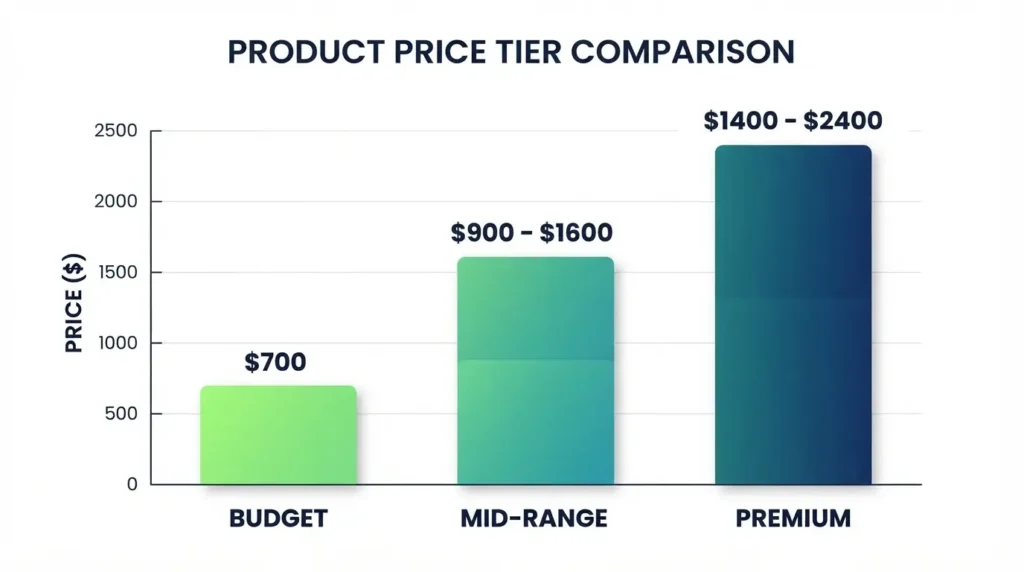
Budget lines start around $700 installed. Mid-range options from brands like Milgard typically run $900 to $1,600. Premium lines with wood interior cladding, such as Marvin Essential or Pella Reserve, can reach $1,400 to $2,400 per window.
Long-Term Savings
Fewer replacements and repairs save money over decades. Better insulation lowers monthly heating and cooling bills. A 2024 industry survey found homeowners rank energy efficiency as a top priority, right behind appearance.
Resale Value Impact
Energy-efficient, durable windows appeal to home buyers. High-quality frames can strengthen your home’s resale position, especially in climates where energy performance drives buyer decisions.
Best Fiberglass Window Brands (Honest Comparison)
Choosing the right brand of fiberglass windows matters as much as choosing the right material.
| Brand | Price Tier | Known Strength | Warranty |
| Marvin | Premium | Strongest frame material, sleek profiles | 20 years, varies by line |
| Pella (Impervia) | Mid to Premium | Extreme temperature testing, powder coat finish | 20 years, varies by line |
| Milgard | Mid-range | Wide availability, solid testing standards | 10 to 20 years, varies by line |
| Andersen (Fibrex composite) | Mid to Premium | Twice the strength of vinyl, low paint needs | 20 years, varies by line |
Warranty terms change over time. Always confirm current details directly with the manufacturer before purchase.
What Real Buyers Say
Common themes show up again and again across buyer discussions. Installation quality matters more than brand name alone. Painting concerns come up often, especially for custom colors. Buyers in extreme climates consistently report fewer seal problems compared to their old vinyl windows. Price shock at the quote stage is the most common early complaint.
Questions to Ask a Fiberglass Window Installer Before You Buy
Ask how many installations they complete each year. Ask if they hold manufacturer certification. Ask what their leak-free guarantee actually covers. A qualified installer answers these questions without hesitation.
Fiberglass Window Styles and Design Options
Fiberglass windows come in nearly every style homeowners want.
Customization Options
Choose from multiple frame colors, finishes, and interior wood-look options.
Glass Options
Pick single, double, or triple glazing. Add low-E coatings for extra UV protection and reduced glare. Tinted glass is also available for added privacy or heat control.
Popular Window Styles
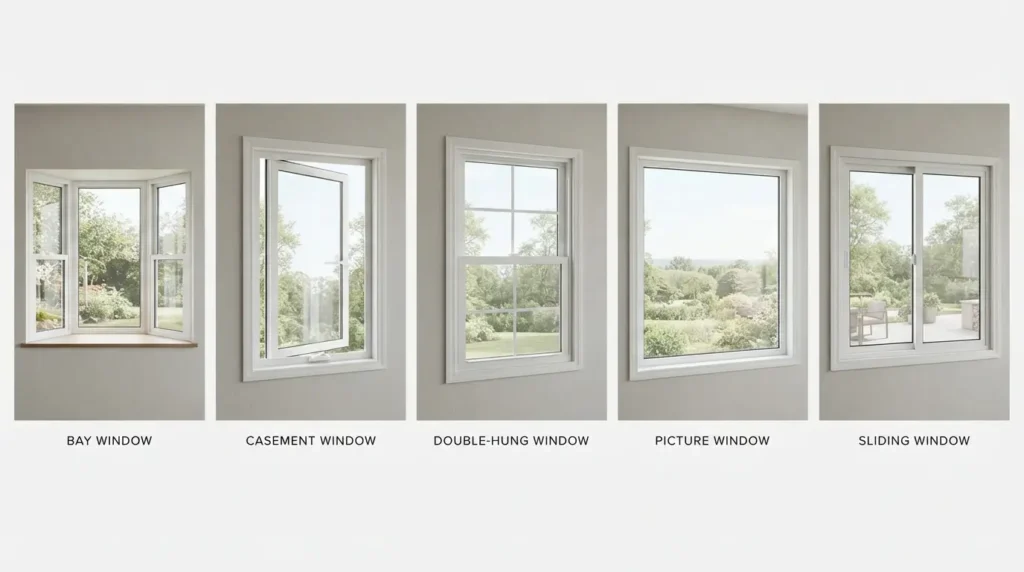
Bay and bow windows, casement windows, double-hung windows, picture windows, and sliding windows all come in this frame material. Each style suits different rooms and architectural needs.If you love a classic exterior look, check out our farmhouse windows guide for style-specific ideas.
Are Fiberglass Windows Right for Your Climate?
Climate plays a bigger role in this decision than most buyers realize.
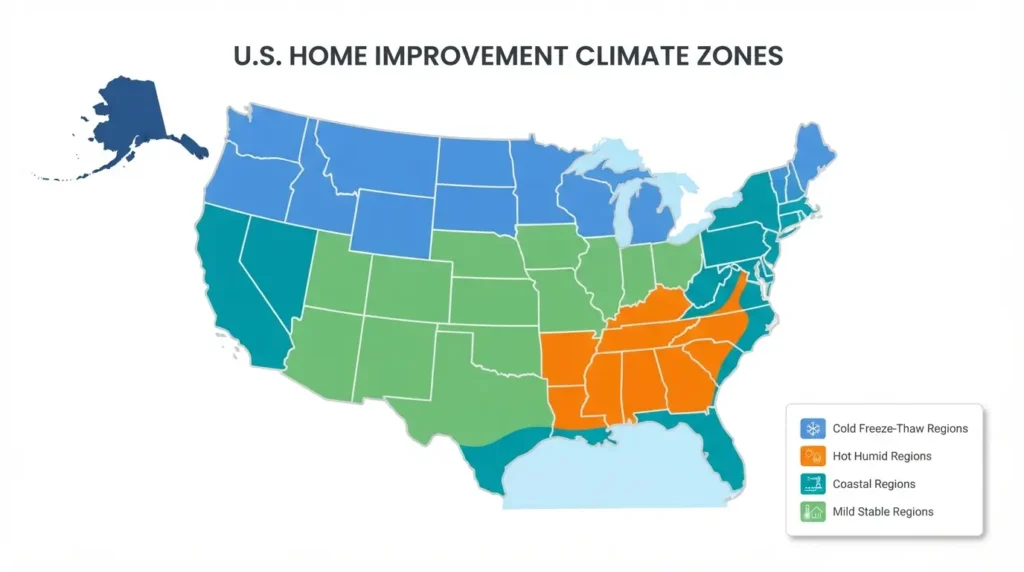
Cold climates benefit most. Minimal expansion and contraction means tighter seals through harsh winters.
Hot, humid climates also favor this material. It resists warping and moisture damage better than wood or vinyl.
Coastal areas benefit from strong corrosion resistance, an advantage aluminum cannot match near saltwater air.
If you live in a mild, stable climate, vinyl may perform nearly as well for less money.
Quick Climate Fit Table
| Climate Type | Best Material Fit | Why |
| Cold, freeze-thaw | Fiberglass | Minimal seal stress from expansion |
| Hot, humid | Fiberglass | Resists warping and moisture damage |
| Coastal, salty air | Fiberglass | Resists corrosion aluminum cannot handle |
| Mild, stable | Vinyl or fiberglass | Either performs well; budget can decide |
DIY vs. Professional Fiberglass Window Installation
Precise installation matters more for this material than for vinyl. Many manufacturers void warranties if a certified professional does not handle the job. Sealing must be exact, since the frame’s low expansion only helps if the initial seal is done right.
How to Vet a Fiberglass Window Installer
Check for manufacturer certification first. Ask for references from recent projects using this specific material. Request a written leak-free guarantee before signing any contract.
Is a Fiberglass Window Right for You?
Choose this material if you plan to stay in your home long term. Choose it if your climate brings extreme heat, cold, or coastal humidity. Choose it if energy savings and low maintenance matter more than upfront cost.
Choose vinyl instead if you work with a tight budget or a short ownership timeline. There is no universally right answer, only the right fit for your situation.
Frequently Asked Questions
Do fiberglass windows crack or dent?
This material resists cracking and denting far better than vinyl or wood. Quality manufacturing and proper installation keep this risk low.
Are they worth the extra cost over vinyl?
For long-term homeowners in harsh climates, yes. Extended lifespan and energy savings often offset the higher price within 10 to 15 years.
How long do they really last?
Most quality frames last 30 to 50 years with proper installation and basic maintenance.
Can they be painted, and does it void the warranty?
It depends on the manufacturer. Some lines are fully paintable without warranty issues. Others restrict painting. Always check your specific warranty terms first.
Do they condensate like aluminum?
No. This material insulates well and resists the interior condensation problems common with poorly insulated aluminum frames.
What’s the difference between fiberglass and composite windows?
Pure fiberglass uses only glass fiber and resin. Composite windows, like Fibrex, blend wood fiber with vinyl or thermoplastic polymers. Performance differs between the two.
Are they Energy Star certified?
Many lines earn Energy Star certification. Always confirm certification status for the specific model you want, since ratings vary by line and glazing package.
How much do fiberglass replacement windows cost installed?
Expect $700 to $2,400 per window, depending on brand, size, and glass options.
Final Verdict
Fiberglass windows deliver real, measurable advantages over vinyl, wood, and aluminum in most situations. They cost more upfront, but the lifespan, energy performance, and durability numbers back up that investment for long-term homeowners. Match your choice to your climate, your timeline in the home, and your honest budget. This material will likely serve your home well for decades.
Cost and performance figures referenced from industry sources. These include the U.S. Department of Energy and the National Fenestration Rating Council. RSMeans construction cost data and published manufacturer specifications from Marvin, Pella, Milgard, and Andersen were also used. Always confirm current pricing, warranty terms, and certification status directly with manufacturers before purchase, as these details change over time.

About HomeFixStyle
HomeFixStyle is a home improvement blog dedicated to helping readers create better, more comfortable, and stylish homes. We share practical ideas, helpful guides, home decor inspiration, renovation tips, and simple solutions for everyday home projects. Our goal is to make home improvement easier to understand and apply, whether you are updating one room or improving your entire home.