
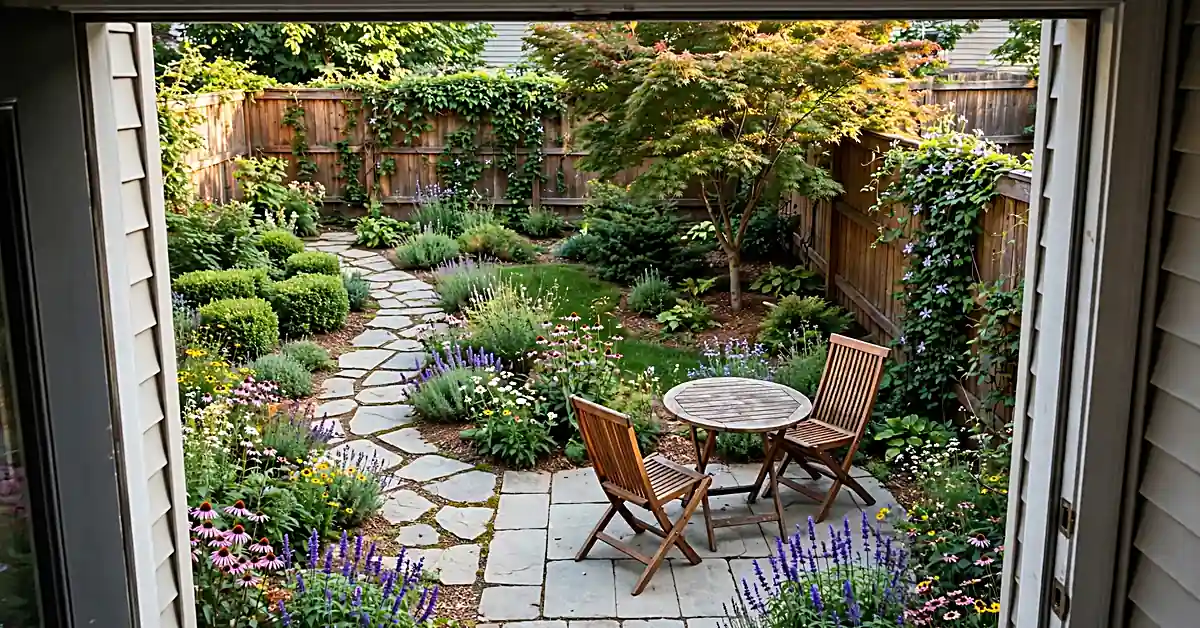
A small yard can hold flowers, fresh herbs, a place to sit, and even vegetables. The trick is planning around the space you have. These small garden design ideas include narrow-yard layouts, raised beds, patio planting, and affordable projects. You’ll also learn how to choose plants for your US climate, arrange a compact yard, and avoid costly mistakes.
25 Small Garden Design Ideas for Every Space
Choose your garden’s main purpose first. A quiet seating area needs a different layout from a vegetable patch. Each idea below works best when you adjust it to your yard’s sunlight, shape, and available room.
1. Arrange Planting Beds Along a Narrow Yard
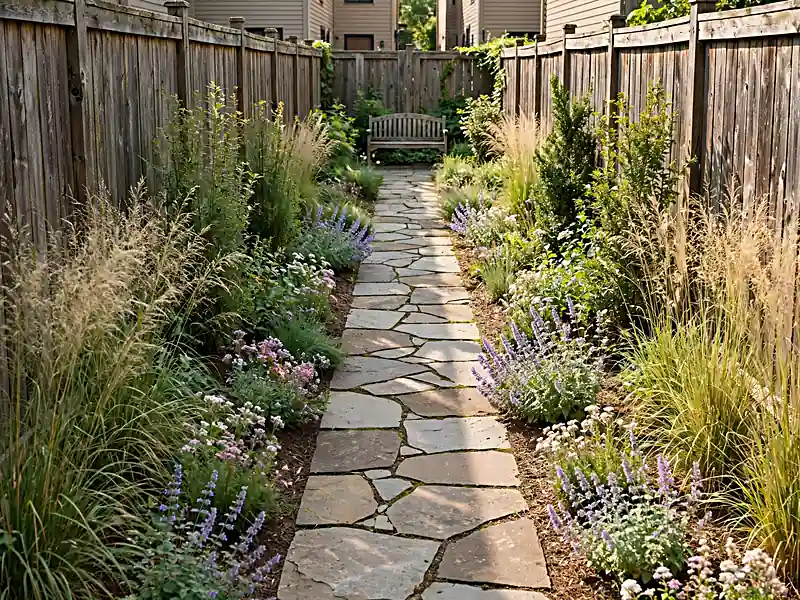
Keep larger plants near the boundaries and preserve a clear walking route. Place tall, slim plants beside the fence and lower flowers beside the path. For a long yard, a small bench at the far end creates a useful destination. Check the mature width of shrubs before planting.
Best for: Townhouses and side yards. Practical tip: Mark the walking route with string before buying plants.
2. Turn an Empty Corner Into a Bistro Patio
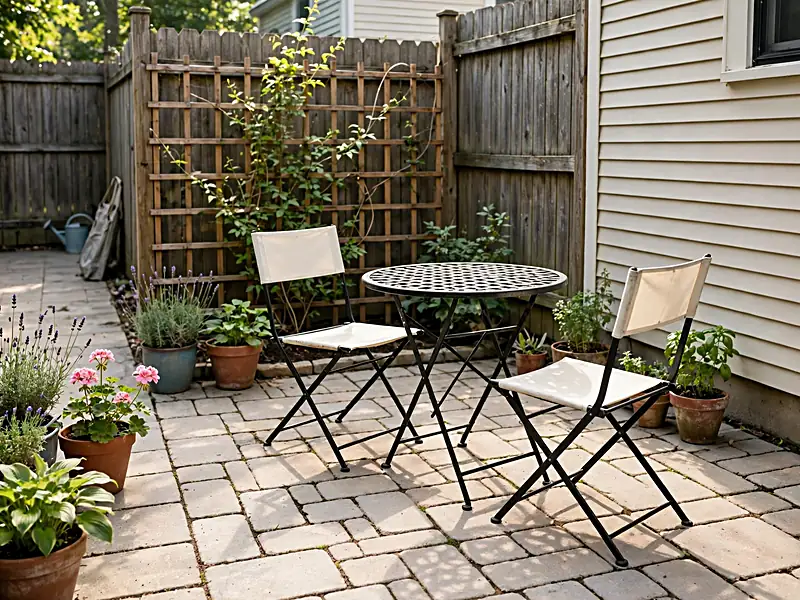
A small table and two folding chairs can make an unused corner feel inviting. Place them on level paving or another stable surface. Add containers around the edges instead of crowding the chairs. Sit at the table before finalizing the layout to check legroom and access.
Best for: Courtyards and small backyards. Practical tip: Use folding furniture when the space serves several purposes.
3. Grow Climbers on a Vertical Trellis
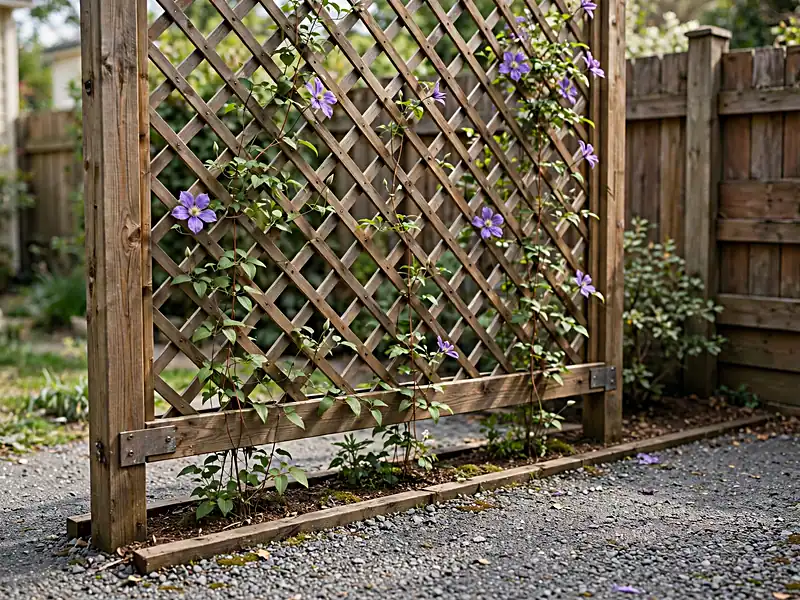
A trellis adds flowers without using much ground space. Clematis or suitable climbing roses can soften a fence when the climate and light are right. Choose a support strong enough for the mature plant. Avoid vines that local extension services identify as invasive.
Best for: Fenced yards and narrow planting strips. Practical tip: Leave space to prune and inspect the support.
4. Group Container Plants Along a Patio Wall
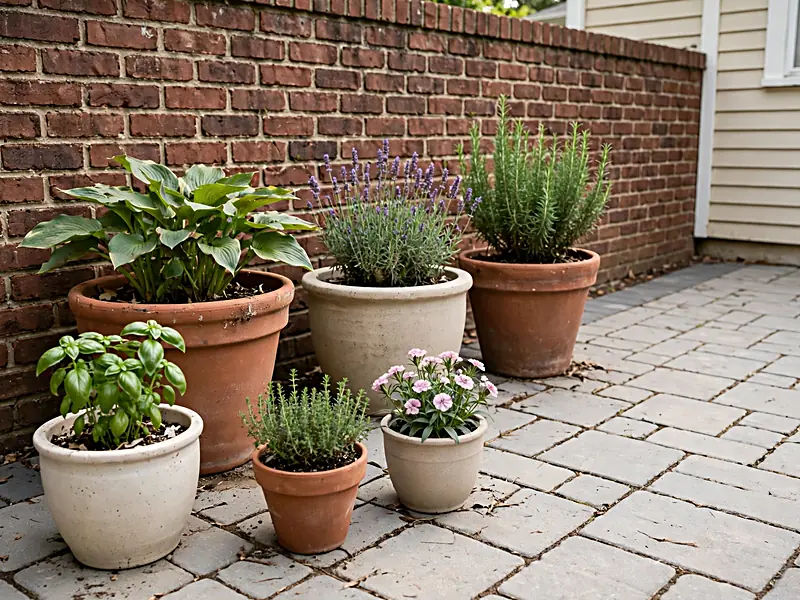
Large pots at the back and smaller ones in front create a tidy display. Group plants with similar water and sunlight needs. Use containers with drainage holes and an appropriate potting mix. Pots may dry quickly in hot weather, so place them near a convenient water source.
Best for: Paved yards and rental patios. Practical tip: Keep doors and walking routes clear.
5. Define Flower Beds With Raised Edges

One or two raised beds can give a small yard a clear planting area. Choose wood, metal, or another suitable material, then check drainage and soil quality. Put beds where plants receive enough light. Raised beds can dry faster than ground soil, according to University of Minnesota Extension.
Best for: Organized flower or food gardens. Practical tip: Make beds narrow enough to reach without stepping on the soil.
6. Use Clean Lines for a Modern Garden

Straight borders, simple paving, and repeated plants can make a compact yard feel calm. Choose a few materials that suit the house. Natural wood and pale pavers work well beside green foliage. Many modern garden design choices also leave space for a bench or narrow flower border.
Best for: Contemporary homes. Practical tip: Sketch the hardscape before buying pavers.
7. Grow a Small Cottage Flower Garden
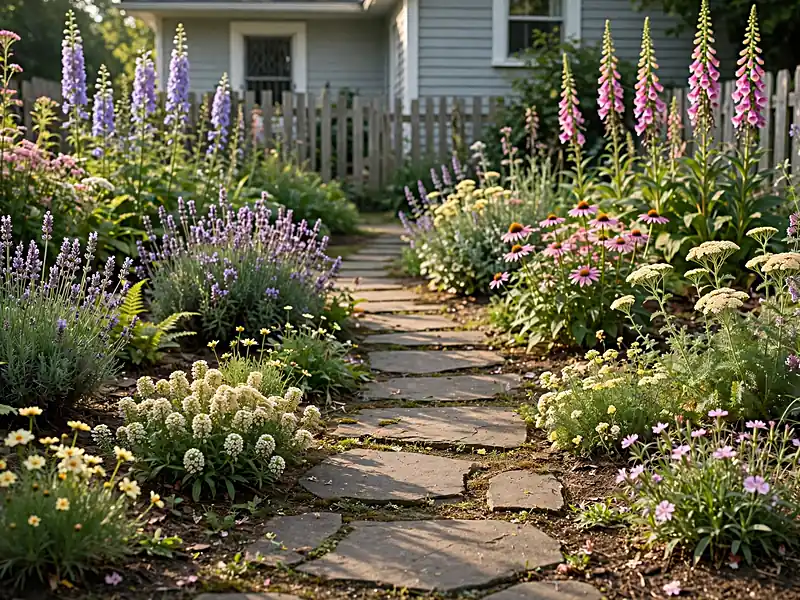
Mix flowers with different heights and bloom times. Put taller varieties behind low flowers, then leave room to reach each plant. Select some spring, summer, and fall bloomers for seasonal color. Choose mature plant sizes carefully, since dense planting can limit airflow.
Best for: Traditional yards and flower lovers. Practical tip: Repeat a few plants rather than buying one of everything.
8. Plant a Border of Compact Shrubs

Small shrubs provide structure even when flowers are out of season. Pair region-suitable shrubs with perennials or groundcovers. Spread mulch over bare soil to reduce weeds and moisture loss. Keep mulch away from trunks and stems, and choose shrubs that won’t need constant trimming.
Best for: Homeowners who want simpler upkeep. Practical tip: Check each variety’s mature height and width.
9. Make a Shaded Courtyard Feel Green
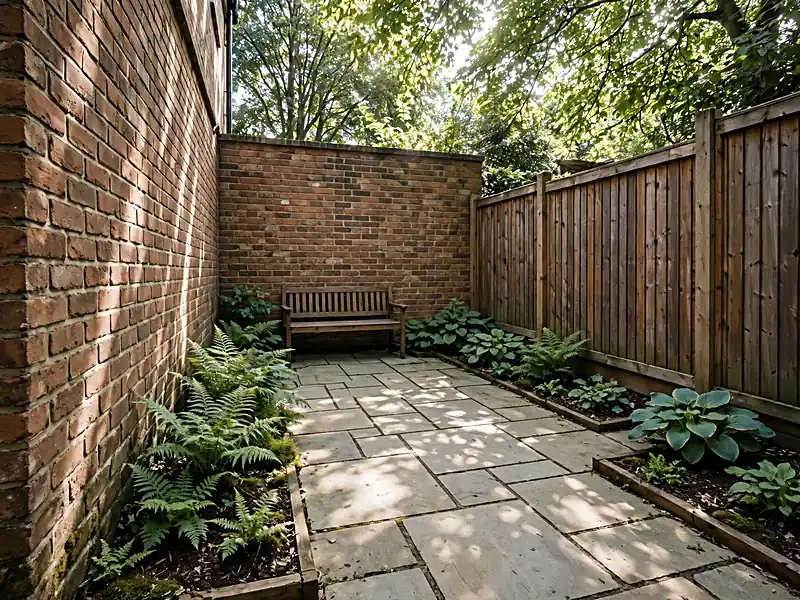
Shade can suit ferns, hostas, or suitable sedges. First, check whether the ground is moist or dry. A yard shaded by mature trees may still have dry soil. Use pale containers and a simple bench to brighten the space without adding more planting beds.
Best for: Courtyards beside buildings or trees. Practical tip: Choose plants for soil moisture as well as light.
10. Plant Flowers for Pollinators
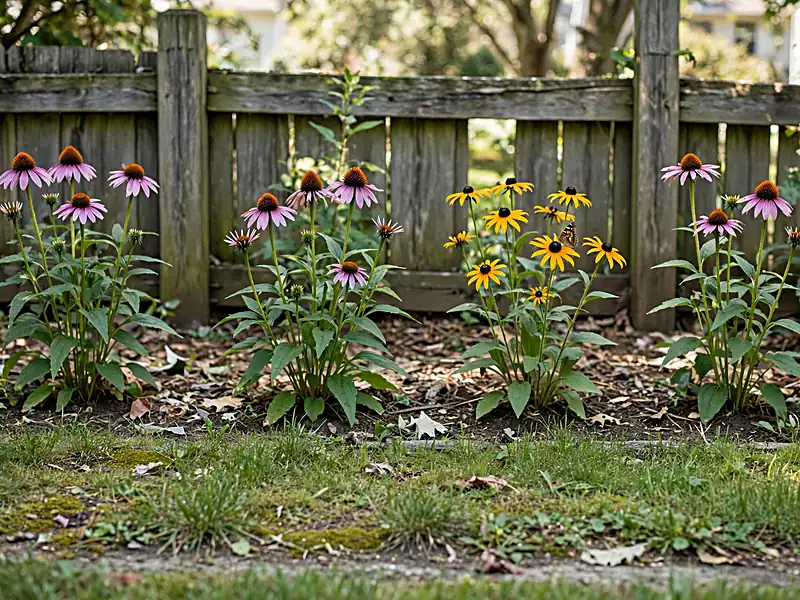
A few native flowering plants can support bees and butterflies. Select varieties suited to your region, then aim for blooms across the growing season. Leave suitable shelter and avoid unnecessary pesticide use. University of Maryland Extension explains that pollinators also need places to shelter and reproduce.
Best for: Sunny flower borders and wildlife-friendly yards. Practical tip: Check local native-plant lists before buying seed mixes.
11. Combine a Garden Bench With Planters
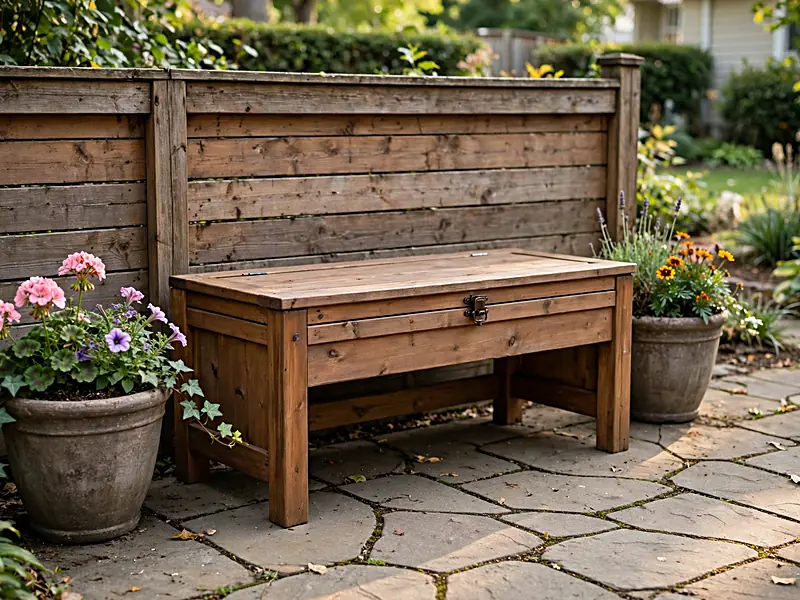
A compact bench can replace several chairs. Place planters beside it, leaving enough room to sit and stand comfortably. An outdoor storage bench can hold small tools or cushions. Check that the bench and any permanent supports can handle the intended weight.
Best for: Patios and family yards. Practical tip: A freestanding bench is easier to move than a built-in one.
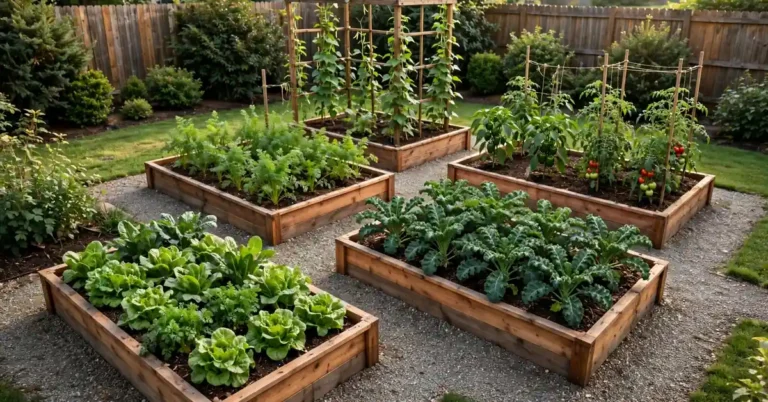
12. Grow Vegetables in a Compact Bed
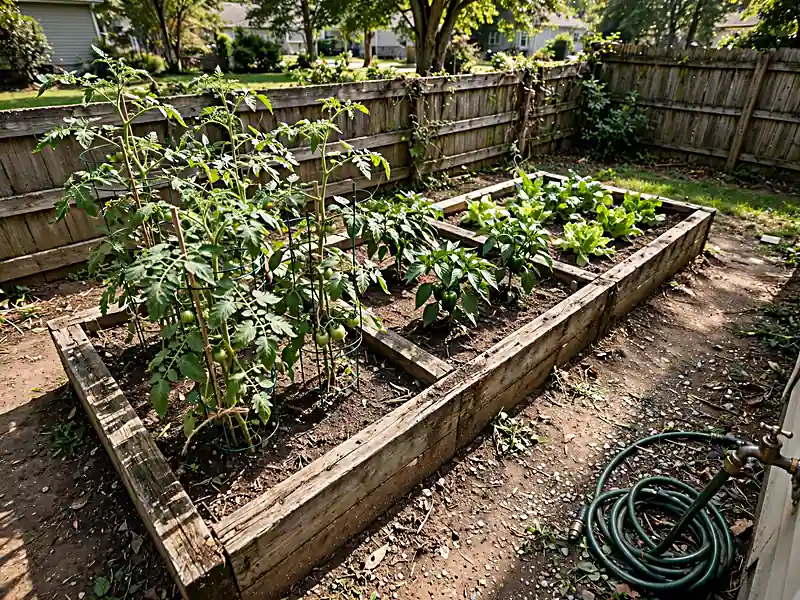
Place a vegetable bed near water and in a sunny spot. Tomatoes and peppers often need six to eight hours of direct sunlight. Lettuce and some leafy crops can tolerate less. Well-planned Vegetable Gardens leave enough access for harvesting, watering, and seasonal planting.
Best for: Small yards with good sunlight. Practical tip: Grow vegetables your household will actually eat.
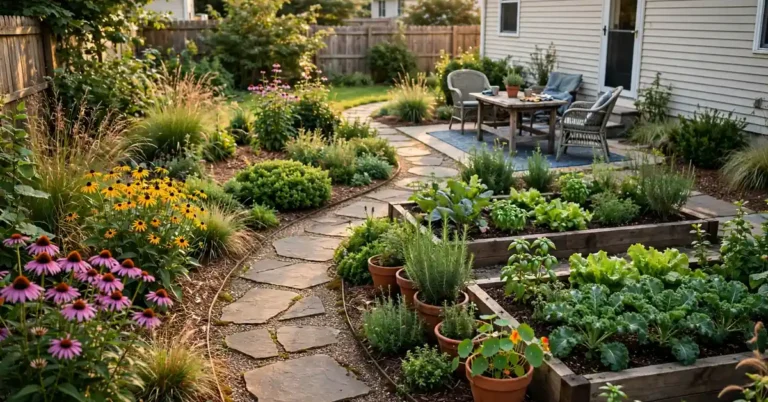
13. Keep Kitchen Herbs Near the Door
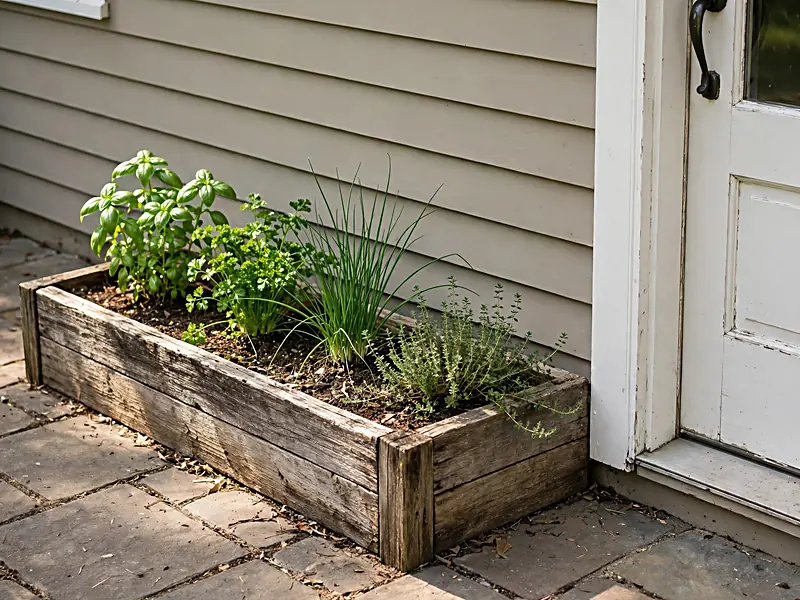
A narrow planter near the kitchen makes herbs easy to harvest. Basil, parsley, chives, and thyme are useful options when their growing needs fit your site. Keep plants with different watering needs in separate pots. Choose containers with drainage holes and avoid blocking the doorway.
Best for: Patios near the kitchen. Practical tip: Start with two or three herbs you cook with often.
14. Add Privacy With a Narrow Screen
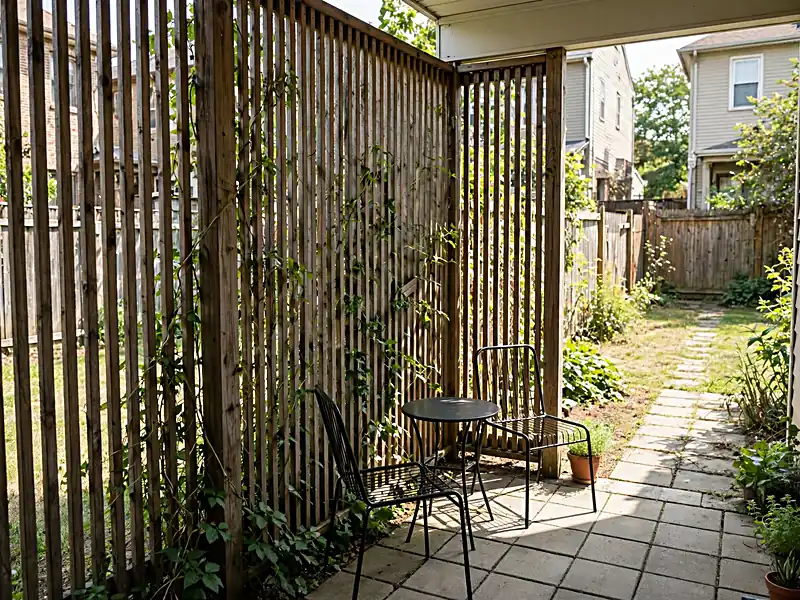
You may only need privacy around the seating area, not the whole yard. A slim screen or suitable climbing plant can block a direct view without taking much space. Check boundary rules before building permanent posts. Leave access to maintain fences and climbing supports.
Best for: Closely spaced houses. Practical tip: Mark the sightline you want to block before deciding screen height.
15. Build a Small Gravel Seating Area
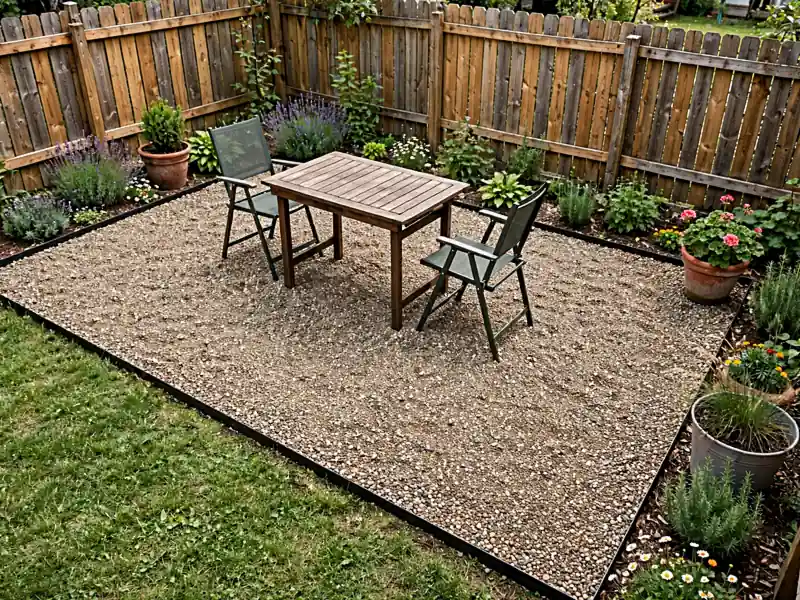
Gravel can define a place for chairs when a full patio is unnecessary. Start with level ground, good drainage, firm edging, and a properly prepared base. Loose stones need upkeep and can make furniture unstable. For wheeled access, choose a firm, continuous surface instead.
Best for: Informal outdoor seating. Practical tip: Test furniture stability before completing the project.
16. Connect the Garden With Stepping Stones
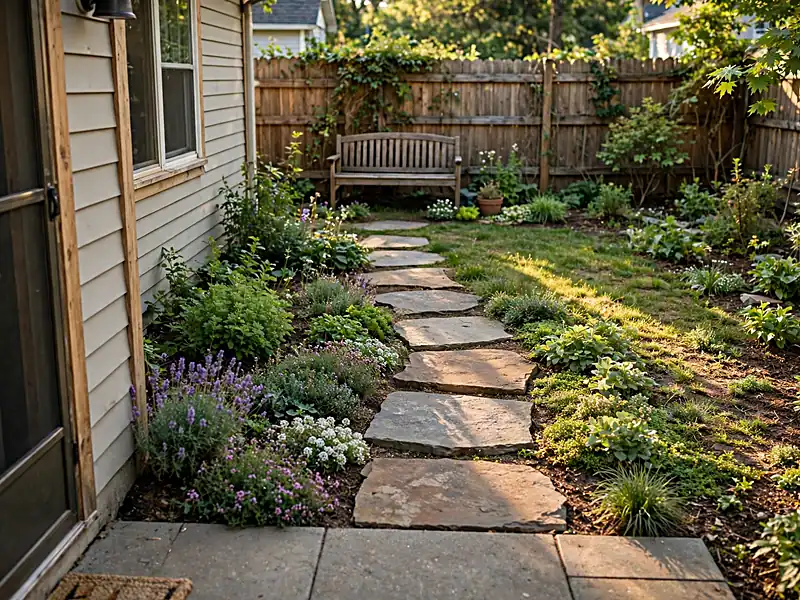
Stepping stones can link the back door, flower beds, and bench. A short direct route is often easier than a decorative curve. Set stones on a stable base and keep their walking surfaces even. Try the proposed spacing before fixing them in place.
Best for: Flower gardens and compact backyards. Practical tip: Choose surfaces that remain safe when wet.
17. Choose One Small Ornamental Tree
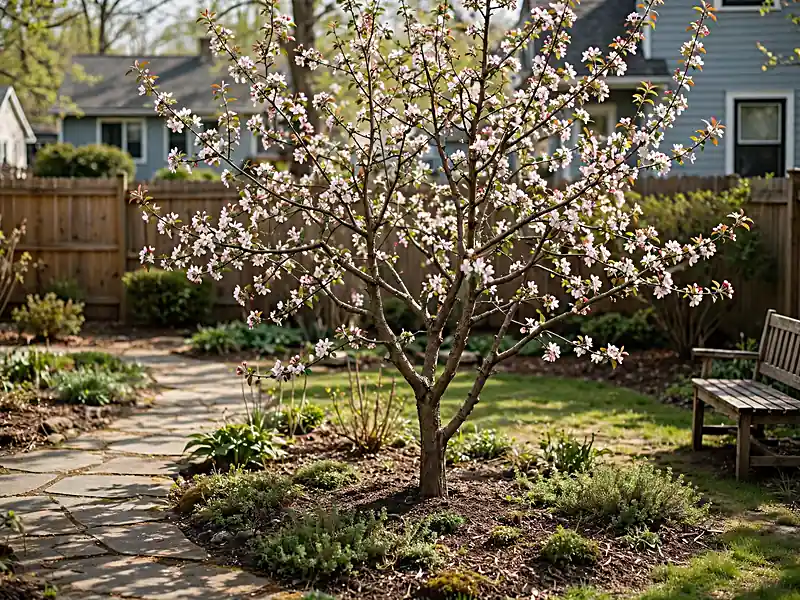
A carefully chosen tree can provide flowers, shade, and a focal point. Certain serviceberries, redbuds, or compact crabapples may suit local conditions. Check mature canopy width, root space, and nearby wires. An attractive young tree can still outgrow a tiny courtyard.
Best for: Yards with room for a permanent feature. Practical tip: Check mature size rather than nursery height.
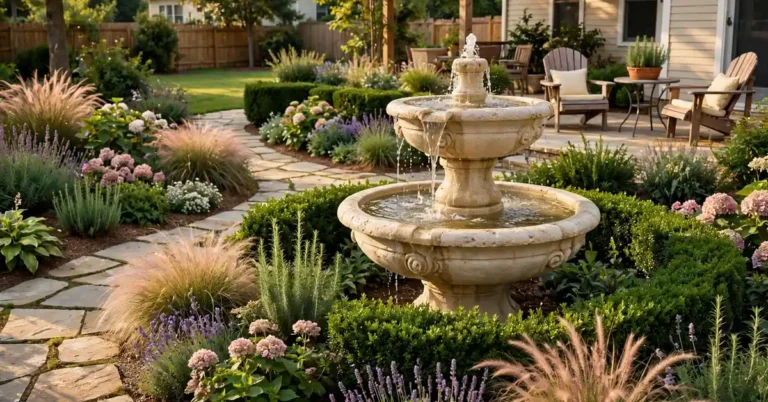
18. Add a Small Fountain

A compact recirculating fountain can bring gentle sound to a courtyard. Set it on a stable surface where you can reach the pump for cleaning. Tabletop and self-contained fountain ideas may suit tiny patios better than ponds. Use outdoor-rated equipment and prevent standing water from attracting mosquitoes.
Best for: Quiet seating areas. Practical tip: Check power access and maintenance needs first.
19. Grow Fragrant Flowers Beside Seating
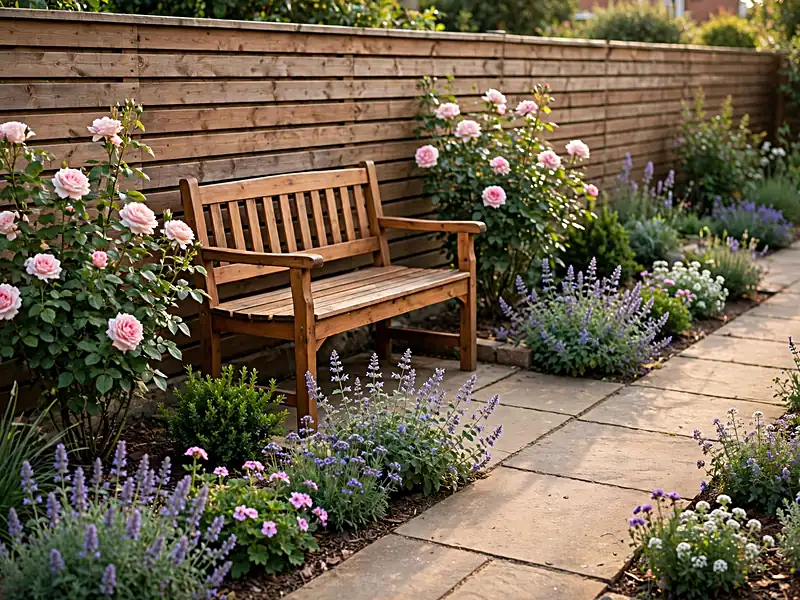
Place suitable scented plants near a bench or patio, where you’ll notice them. Fragrant roses and some other flowering plants suit certain climates. Choose species for light, soil, and mature size, not scent alone. Avoid thorny branches that would extend across seats or paths.
Best for: Relaxing corners. Practical tip: Smell flowering plants at the nursery before buying them.
20. Light Paths and Seating After Dark
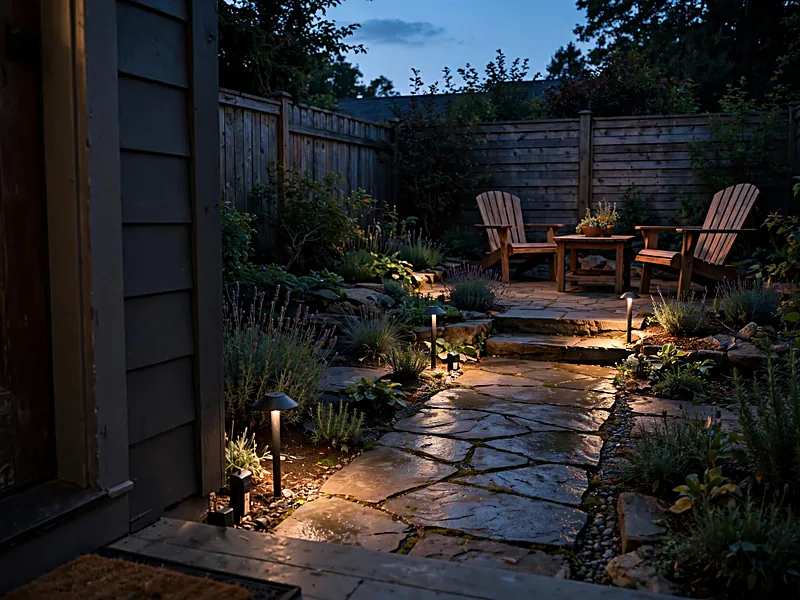
Use outdoor-rated lights near steps, entry routes, and seats. Aim fixtures downward to reduce glare into neighboring homes. Decorative solar lights may be useful, but shade can limit charging. Have a qualified professional handle permanent electrical work when needed.
Best for: Gardens used in the evening. Practical tip: Light the walking route before adding decorative accents.
21. Reuse Containers for a Budget Garden
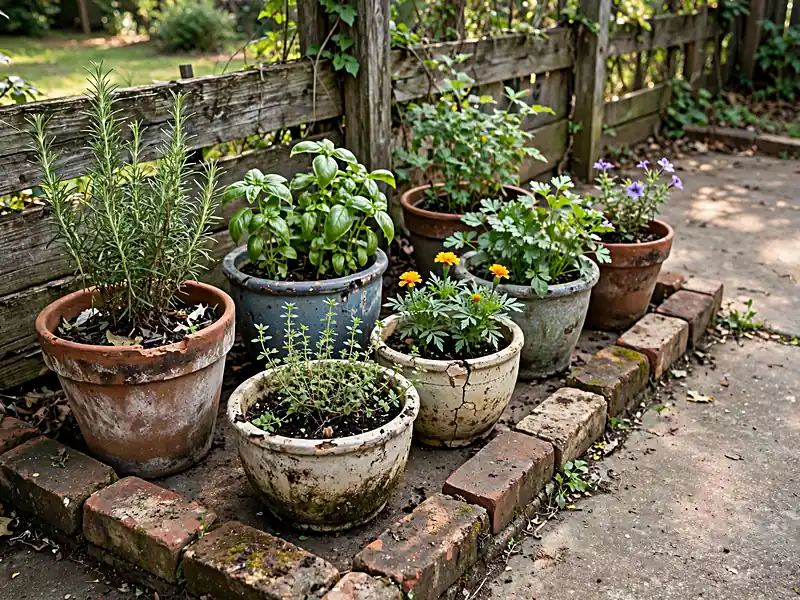
Start with sound pots you already have. Add plants suited to the same sunny or shady spot, then group containers by size. Some low-cost gardening ideas also use divided perennials and leftover edging materials. Avoid pots that previously held hazardous chemicals.
Best for: Beginner gardeners on limited budgets. Practical tip: Spend first on healthy plants and suitable potting mix.
22. Make a Movable Garden for Renters
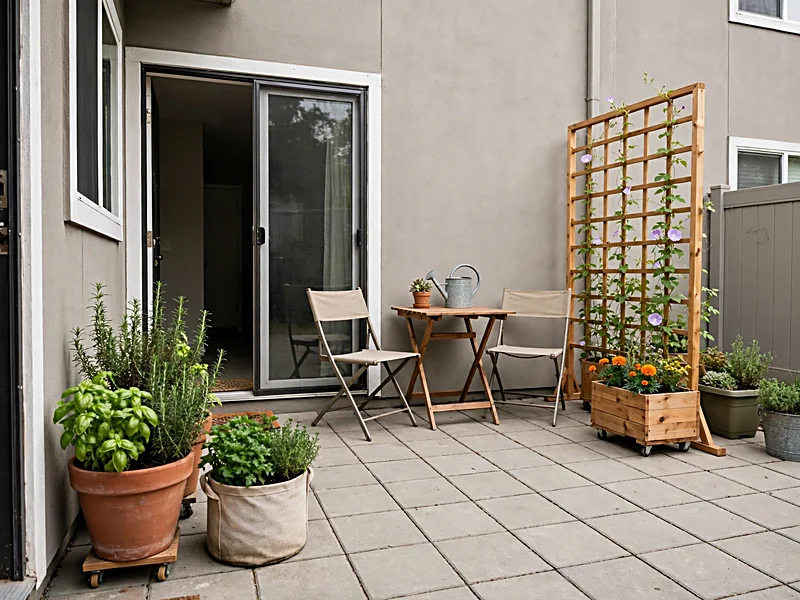
Freestanding pots and trellises provide greenery without permanent changes. Choose manageable containers and folding furniture. Leave shared pathways open, and check lease rules before installing screens. A balcony may also have weight limits for heavy, wet planters.
Best for: Rental homes and apartments. Practical tip: Keep containers light enough to move safely.
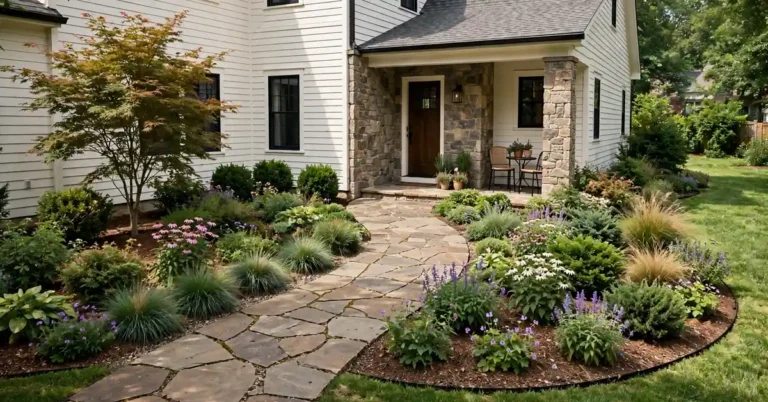
23. Frame a Small Front Yard With Flowers
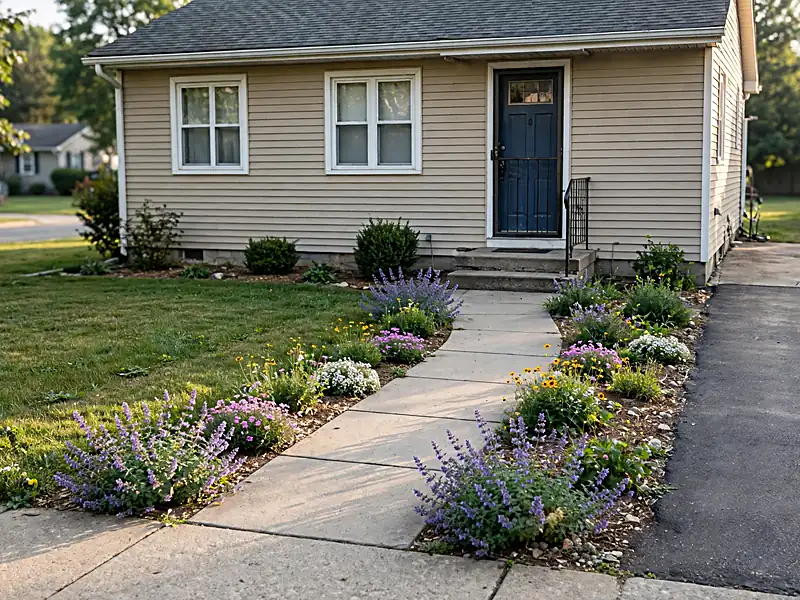
Plant low flowers along an existing front path and add a few compact shrubs near the house. Keep windows, steps, and driveway sightlines clear. Choose plants that fit your region and don’t require constant cutting back. Check local utility and homeowners association requirements.
Best for: Small suburban front yards. Practical tip: Preserve safe access to the front door.
24. Choose a Water-Wise Planting Style
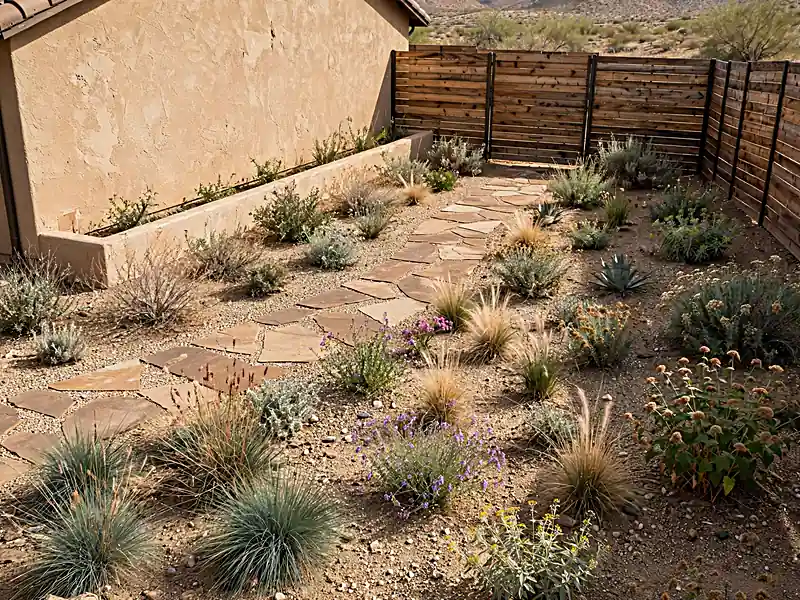
In drier areas, use suitable native perennials, grasses, and shrubs. Group plants with similar water needs and mulch where appropriate. Drip irrigation can help deliver water close to roots. Even drought-tolerant plants usually need regular water while becoming established.
Best for: Dry US regions. Practical tip: Check local extension advice rather than copying plants from another climate.
25. Hang Baskets and Add Window Boxes
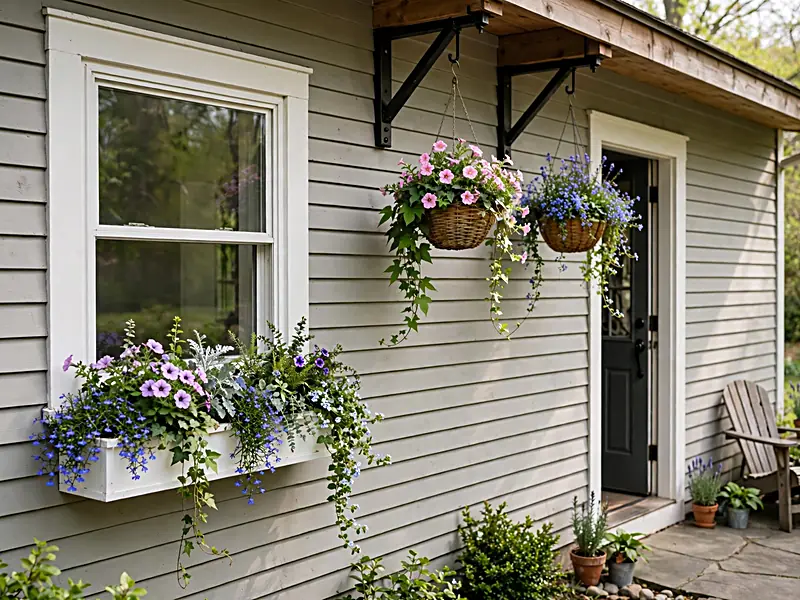
Window boxes and hanging baskets add flowers where planting space is scarce. Choose plants for light, water needs, and mature size. Secure brackets for the full weight of wet soil. Keep hanging containers above head clearance and away from doors.
Best for: Small porches and patios. Practical tip: Position baskets where you can water them safely.
Small Garden Layouts for Different Yard Sizes
A layout works only when chairs, plants, and paths actually fit. Measure the yard, note doors and drains, and sketch permanent features first. Different Garden design ideas may suit the same property, but daily use should drive the arrangement. These sample dimensions are concepts, not construction drawings.
8 × 10 Feet: Seating and Slim Planters
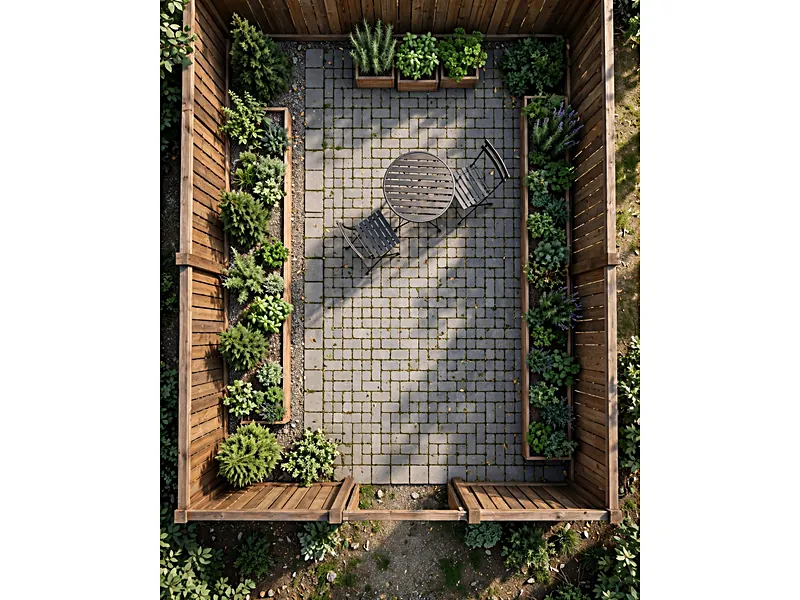
An 80-square-foot yard can hold a small table, two chairs, and planters along the edges. Position the table near a door and keep a direct access route. Use narrow containers rather than deep beds. Test the furniture with chairs pulled back before installing anything permanent.
10 × 15 Feet: Path, Flowers, and Bench
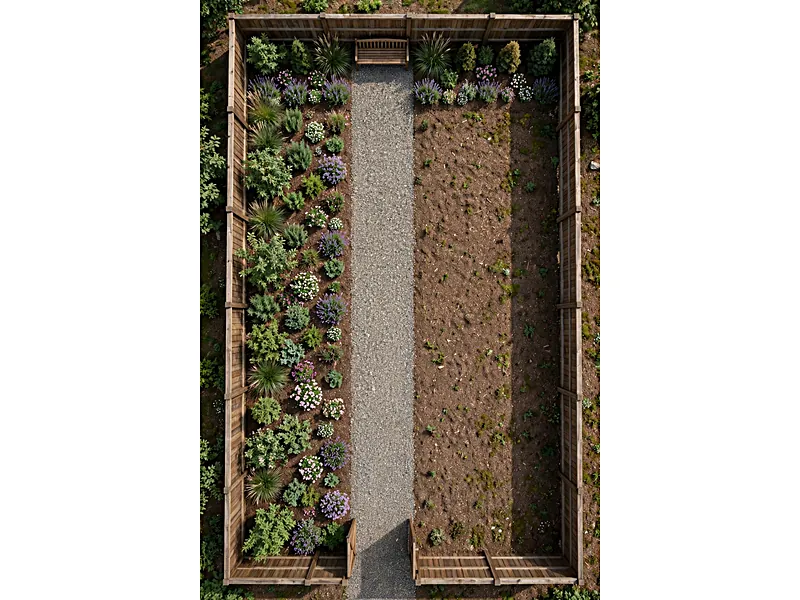
A 150-square-foot yard can have a planting border, a main path, and a bench at one end. Keep taller plants near the back or fence. Choose a stable walkway that suits how people use the yard. Leave space to prune flowers without standing in the beds.
15 × 20 Feet: Dining and Raised Beds
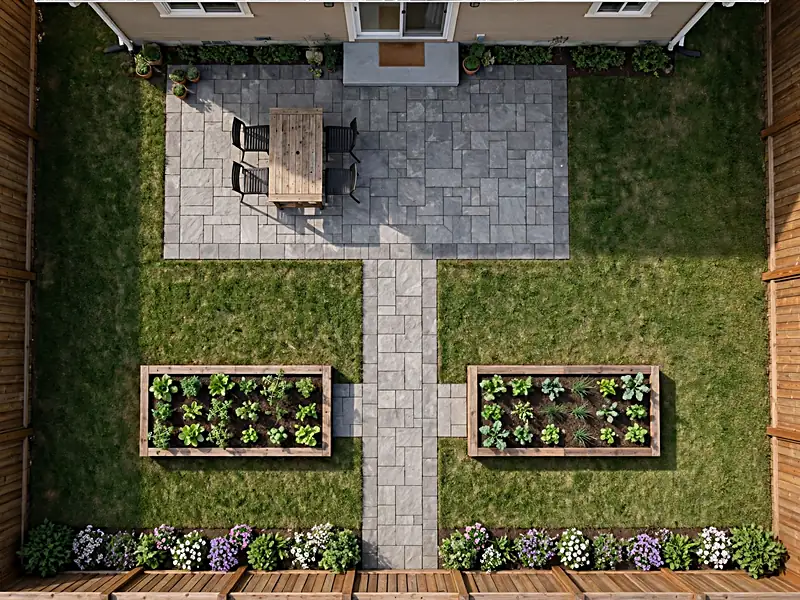
A 300-square-foot yard may fit a modest dining table and two small raised beds. Place vegetables in the sunniest part of the space. Keep a clear route between the entrance, dining area, and beds. Check table and chair clearances before deciding bed dimensions.
How to Make a Small Garden Look Bigger
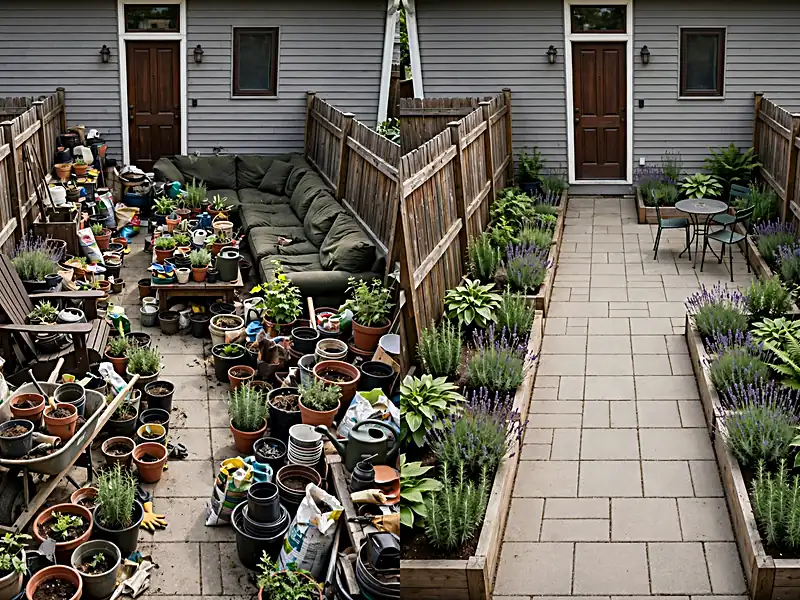
An open walking route, carefully chosen furniture, and plants at several heights can make a small yard feel less crowded.
Keep a Clear Walking Route
Place most pots and planting beds toward the edges. Avoid blocking doors, steps, or the route to the seating area. The garden will be easier to use and maintain.
Layer Plants for Depth
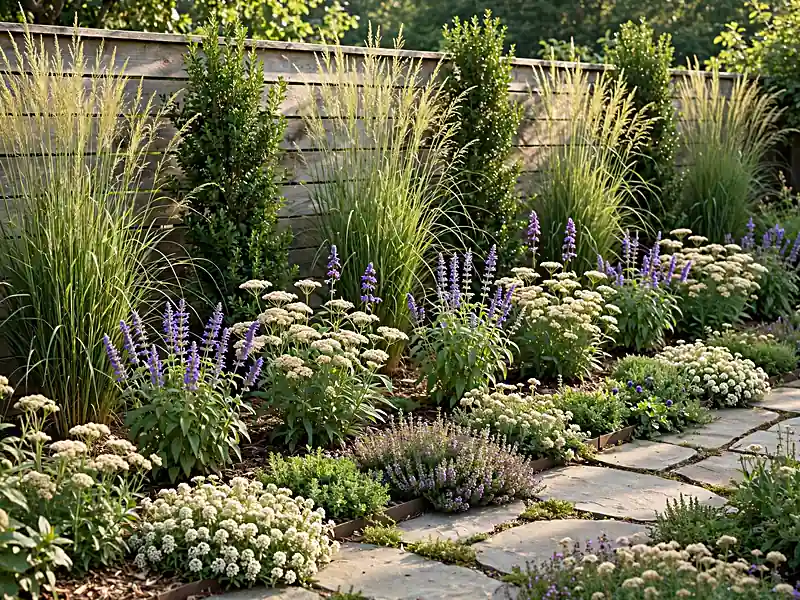
Use tall plants behind medium ones, then lower flowers at the front. Repeat several plants for a connected look. Don’t let fast-growing shrubs cover paths.
Choose Furniture That Fits
A bistro set may work better than a large dining table. Measure the chairs when pulled away from the table. Folding pieces give you room for other activities.
Repeat Colors and Materials
Limit paving finishes and repeat a few flower colors. A small palette can make borders look connected. You can still add seasonal accents without changing the whole garden.
Use One Main Focal Point
A small tree, fountain, or striking planter can draw attention. Give it enough surrounding space to stand out. Several large ornaments may compete in a compact yard.
Small Garden Design Ideas on a Budget
Keep sound patios, paths, and plants when they still serve a purpose. Compare landscape designs before replacing large areas. A change in planting may cost less than new paving.

Choose Materials for the Job
| Material | Good use | Ongoing care |
| Wood mulch | Shrub and flower beds | Top up as needed |
| Gravel | Informal paths and seating | Weed control and raking |
| Concrete pavers | Firm patios and paths | Check joints and settling |
| Garden lumber | Raised beds | Inspect for decay |
| Reused pots | Herbs and flowers | Clean and check drainage |
Compare the whole project cost, including base materials, delivery, and installation. Gravel and pavers both need suitable ground preparation.
Save on Decoration, Not Safety
Reuse sound planters, choose small healthy plants, and divide suitable perennials. Spend enough on stable walking surfaces, drainage, and safe construction. Professional labor may be necessary for major grading or electrical work.
Start With Manageable DIY Projects
Plant a flower border, add containers, mulch a bed, or start herbs near the kitchen. These projects need less construction than a new patio. Costs vary across the USA, so check local suppliers for current prices.
Best Plants for Small Gardens
Choose plants that fit the space at maturity. Light, soil, water, and winter temperatures all matter more than how a plant looks in its nursery pot.

Compact Trees and Shrubs
Look for compact cultivars with a mature width that suits your property. Some serviceberries, dwarf conifers, and flowering shrubs work in smaller yards. A dwarf label does not always mean a plant stays tiny.
Flowers for Sun and Shade
| Site | Plants to research | Check before buying |
| Sunny border | Coneflowers, coreopsis, suitable salvias | Heat, soil, and regional suitability |
| Partial shade | Coral bells, hostas, some ferns | Moisture and local climate |
| Dry shade | Region-suitable sedges and woodland plants | Tree roots and soil moisture |
| Containers | Petunias, herbs, compact vegetables | Pot size and watering |
Plant suitability varies by region and species. Use a local university extension service to confirm your choices.
Climbers for Fences
Choose vines according to their growth habit, sunlight needs, and mature weight. Check that the support can hold the plant. Avoid invasive climbers, even when they’re sold for fast coverage.
Check USDA Hardiness Zones
Use the USDA Plant Hardiness Zone Map to research perennial winter survival. The map describes average annual extreme minimum temperatures. It does not predict summer heat, rainfall, or soil conditions. Consider those factors separately.
How to Plan Your Small Garden Step by Step
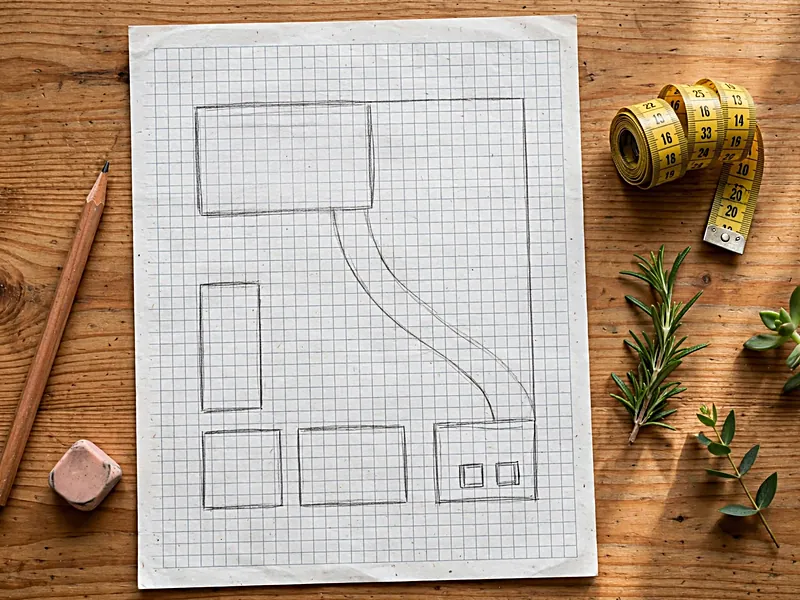
Good planning helps prevent crowded planting and expensive changes later. A measuring tape and graph paper are enough to begin.
Measure Sunlight, Space, and Drainage
Mark your yard’s boundaries, doors, trees, utilities, and existing paths. Watch sunlight across the day. Check for pooling water after rain. Solve drainage problems before installing permanent features.
Choose the Main Purpose
Decide whether you want seating, food growing, flowers, privacy, or several smaller uses. Rank them before drawing the layout. A tiny yard can’t hold every feature at full size.
Sketch Beds, Paths, and Furniture
Draw major features to scale. Measure furniture when chairs are in use, not only when pushed in. Simple garden design plans help you arrange planting beds, seating areas, and pathways before starting construction. Keep access to doors, taps, drains, and plants. Check local rules before permanent construction.
Match Materials and Plants to the Site
Choose plants for sunlight, mature size, soil, and climate. Use firm paths where access matters. Keep a limited set of materials so additions feel connected.
Plan Maintenance Before Planting
Allow time for watering, weeding, pruning, and seasonal cleanup. Resolve hardscape and drainage work before adding delicate plants. If you’re comparing small garden design ideas, choose one you can realistically maintain.
Common Small Garden Design Mistakes to Avoid
| Mistake | Why it causes trouble | Better choice |
| Crowded shrubs | Blocks paths as plants mature | Follow mature spacing |
| Oversized furniture | Limits movement | Measure actual clearances |
| Ignoring shade | Plants struggle | Track direct sunlight |
| Poor drainage | Damages plants and surfaces | Assess water movement first |
| Too many finishes | Makes the yard look busy | Repeat a few materials |
| No maintenance access | Makes care difficult | Leave working space |
| Garden soil in pots | Can drain poorly | Use suitable potting mix |
Make changes in stages. Start with access and healthy planting conditions, then add decorations.
Frequently Asked Questions
What Is the Best Layout for a Very Small Garden?
Keep a clear route and put most planting along the edges. The best arrangement depends on your yard’s shape, sunlight, and how you plan to use it.
How Much Does a Small Garden Cost?
Costs depend on local materials, labor, and the work required. Containers often need fewer permanent changes than a new patio. Price the full materials list and ask local contractors for quotes when needed.
Can You Design a Garden Without Grass?
Yes. Planting beds, patios, groundcovers, and container plants can replace a traditional lawn. Choose firm routes, suitable drainage, and a maintenance plan.
How Can You Add Privacy to a Tiny Backyard?
Block the main sightline with a slim screen, suitable vine, or compact shrub. Check boundary rules and mature plant size before installation.
What Can Grow in a Shady Small Garden?
Hostas, some ferns, and region-appropriate sedges may work. Check moisture as well as sunlight. Dry shade under trees needs different plants from a moist courtyard.
Conclusion
A useful small garden begins with a measured layout and plants that suit your site. Start with one project, leave room to move, and plan for future growth. These small garden design ideas can help turn a narrow yard, tiny patio, or modest backyard into space you’ll actually use.

About Author
Mia Anderson is a gardening writer at HomeFixStyle with a keen interest in plants, garden design, and outdoor living. Her work focuses on small-space gardening, plant care, and practical landscaping ideas. She enjoys sharing simple, well-researched advice that helps homeowners create beautiful gardens suited to their space, budget, and lifestyle.