Picking a paint finish feels harder than picking a color. The satin vs semi-gloss paint choice trips up most homeowners. Here is the short version. Satin has a soft, low sheen and hides flaws well. Semi-gloss is shinier, tougher, and easier to wipe clean. In the US, “semi-gloss” is the high-sheen option. In the UK and Australia, people call it “gloss.” This guide covers the sheen ladder, a room-by-room chart, cost, cleaning, and combining both finishes.
Satin vs Semi-Gloss Paint: The Quick Answer
Use satin on walls, ceilings, and low-traffic rooms. Use semi-gloss on trim, doors, cabinets, and bathrooms. Satin looks soft and hides bumps. Semi-gloss reflects more light and cleans up fast. That single rule solves most projects.
What Is Satin Paint?
Satin paint is a mid-sheen finish with a soft, velvety look. It reflects a little light, but not much. The surface feels smooth and silky when dry. Satin sits between flat and semi-gloss on the sheen scale. It works best where you want warmth without shine.
What Is Semi-Gloss Paint?
Semi-gloss paint is a high-sheen finish that reflects a lot of light. It looks slick and almost glassy. The surface feels hard to the touch. Semi-gloss resists moisture and scrubbing better than most finishes. That makes it a top pick for wet or busy areas.
The Real Difference Behind the Sheen
The difference between satin and semi-gloss paint comes down to chemistry. Paint holds two main parts: pigment and binder. Pigment gives color. Binder, made of resin, gives shine. More resin means more sheen. Semi-gloss carries more binder than satin. That is why it looks shinier and wipes clean easier. Satin holds less resin, so it stays soft and closer to matte. So the difference between semi-gloss and satin paint is sheen and toughness.
The Paint Sheen Ladder
Every finish sits on a sheen scale. Painters measure shine in gloss units. Here is the ladder from flat to shiny:
- Flat or matte: 0 to 10 gloss units. No shine.
- Eggshell: 10 to 25. Very soft glow.
- Satin: 26 to 40. Soft, velvety sheen.
- Semi-gloss: 41 to 69. Bright and reflective.
- High-gloss: 70 and up. Mirror-like.
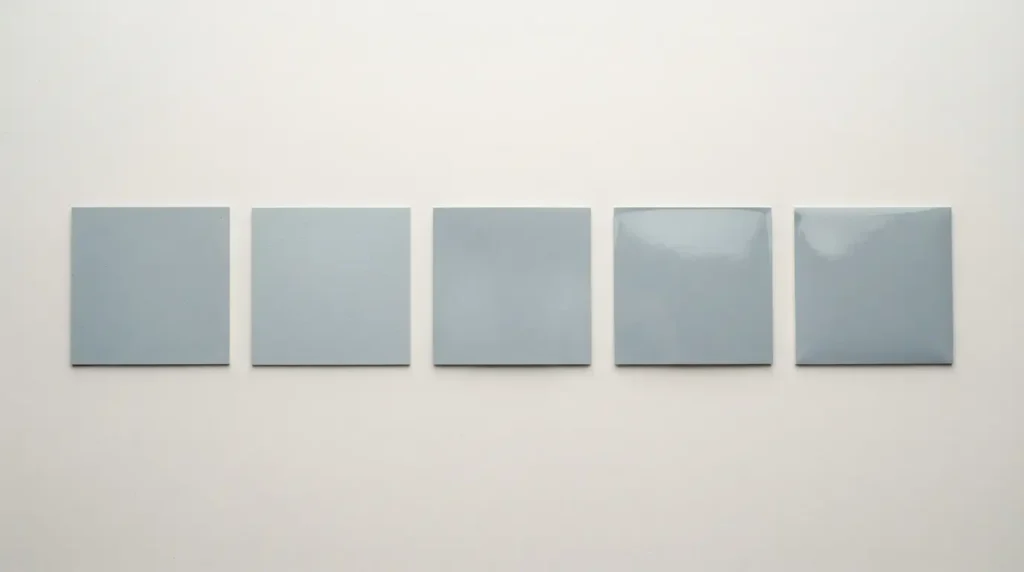
Ranges shift a little by brand. Still, satin and semi-gloss always sit next to each other. Satin is the calmer neighbor. Semi-gloss is the bold one. This satin vs gloss vs matte scale places every finish. A metallic vs satin vs gloss pick only matters for accent walls.
Satin vs Semi-Gloss : Head-to-Head
Here is how satin vs semi gloss paint stacks up by category. The semi-gloss vs satin choice depends on the surface.
Appearance and Sheen
Satin gives a soft glow that feels calm. Semi-gloss bounces light and brightens a room. In bright sun, semi-gloss can look shiny or even harsh. Satin stays gentle all day.
Durability and Wear
Semi-gloss is the tougher finish. It resists scratches, scuffs, and daily wear. Satin holds up well too, just not as long. For high-use spots, semi-gloss lasts longer.
Washability and Cleaning
Higher sheen cleans easier. Semi-gloss wipes down with a damp cloth and mild soap. Satin cleans fine, but hard scrubbing can dull it. For kitchens and baths, semi-gloss is the safer bet.
Hiding Imperfections
Satin is far more forgiving. Its low sheen blurs small dents, cracks, and patch marks. Semi-gloss does the opposite. It highlights every flaw and roller mark. Rough walls look worse under semi-gloss.
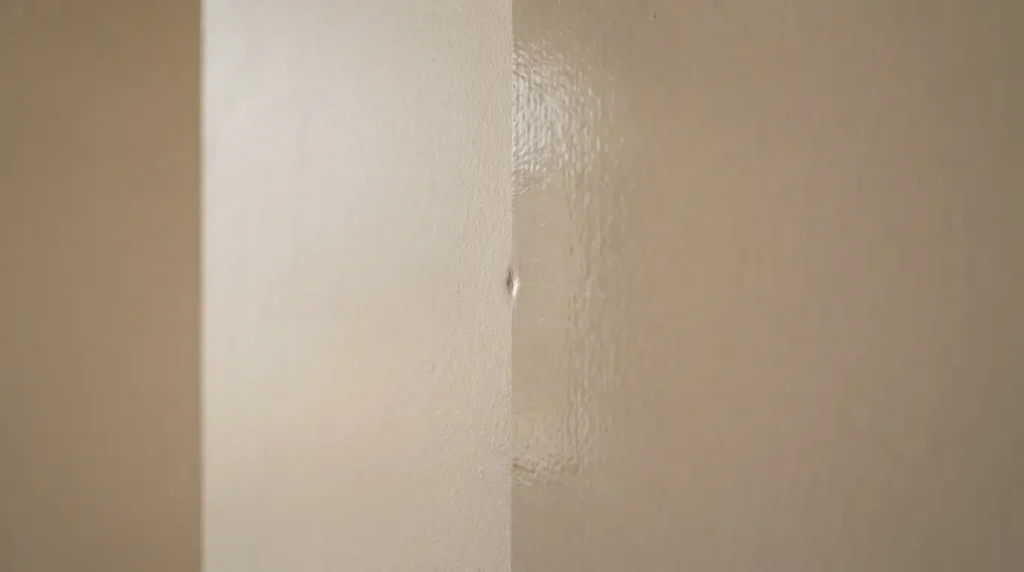
Color Accuracy
Satin has a quiet edge here. It reflects less light, so it shows truer color. Semi-gloss can shift tone as the light changes through the day. If exact color matters to you, satin keeps it honest.A soft, light-sensitive shade like Benjamin Moore Edgecomb Gray looks best in satin.
Application and a Smooth Finish
Semi-gloss is harder to apply cleanly. It shows brush marks, drips, and uneven spots fast. Satin is more forgiving for beginners. For a smooth finish with either paint, follow a few steps. Sand the surface first. Use a quality brush or short-nap roller. Apply thin, even coats. Let each coat dry fully. In the satin vs semi-gloss debate, prep matters most with semi-gloss.
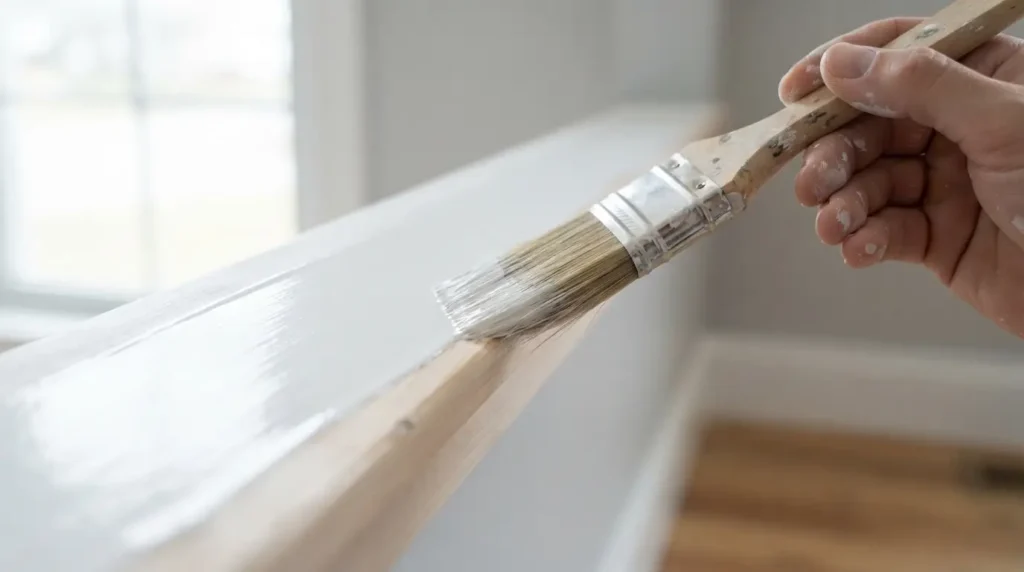
Cost
Satin usually costs a little less. Expect a few dollars less per gallon than semi-gloss. The gap stays small.
Satin And Semi Gloss Comparison Chart
| Feature | Satin | Semi-Gloss |
| Sheen | Soft, velvety | Bright, glassy |
| Gloss units | 26 to 40 | 41 to 69 |
| Durability | Good | Excellent |
| Washability | Good | Excellent |
| Hides flaws | Yes, hides them well | No, shows flaws |
| Color accuracy | Truer color | Shifts with light |
| Best for | Walls, ceilings | Trim, doors, baths |
| Cost | Slightly lower | Slightly higher |
Which Finish for Which Room?
Different rooms need different finishes. The satin vs semi-gloss paint pick changes by surface. This chart makes it simple.Painted cabinets need extra care, so pick the finish before you choose a shade for your light blue kitchen cabinets.
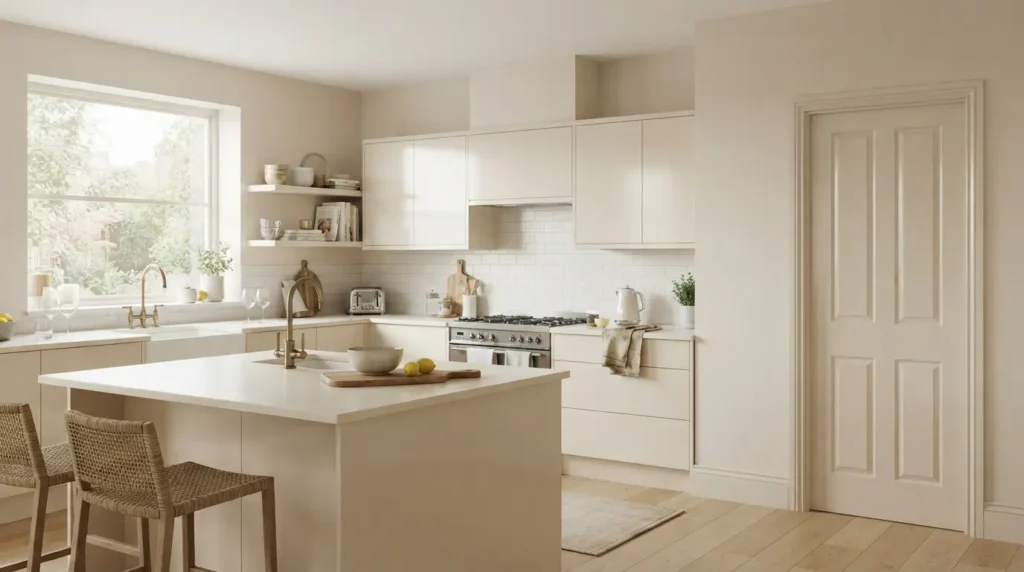
Best Rooms for Satin vs Semi-Gloss Paint
| Surface | Best Finish | Why |
| Living room walls | Satin | Soft look, hides bumps |
| Bedroom walls | Satin | Calm feel, low glare |
| Ceilings | Flat or satin | No shine overhead |
| Trim and baseboards | Semi-gloss | Tough, easy to clean |
| Interior doors | Semi-gloss | Handles touches and wear |
| Front door | Semi-gloss | Bold shine, weather ready |
| Kitchen cabinets | Semi-gloss | Wipes clean, resists grease |
| Bathroom walls | Semi-gloss | Beats moisture and steam |
| Kids’ rooms | Satin or semi-gloss | Washable and durable |
| Hallways | Satin | Hides scuffs, still cleanable |
Satin paint for kitchen walls works well away from the stove and sink.
Can You Use Satin and Semi-Gloss Together?
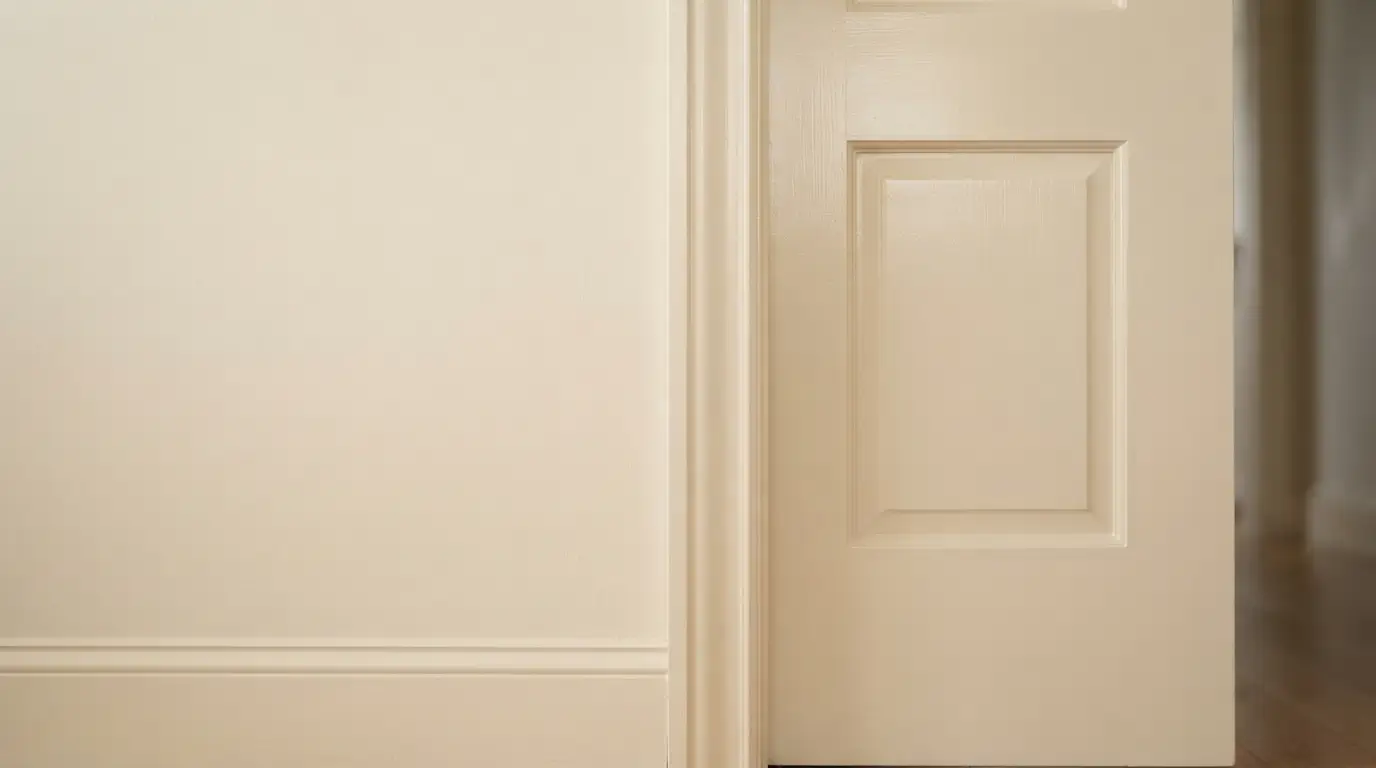
Yes, and pros do it often. The classic combo pairs satin walls with semi-gloss trim. Same color, two finishes. The trim pops with a subtle shine. The walls stay soft and calm. Try it in living rooms, hallways, and bedrooms.This pairing suits calm, layered white bedroom ideas especially well.
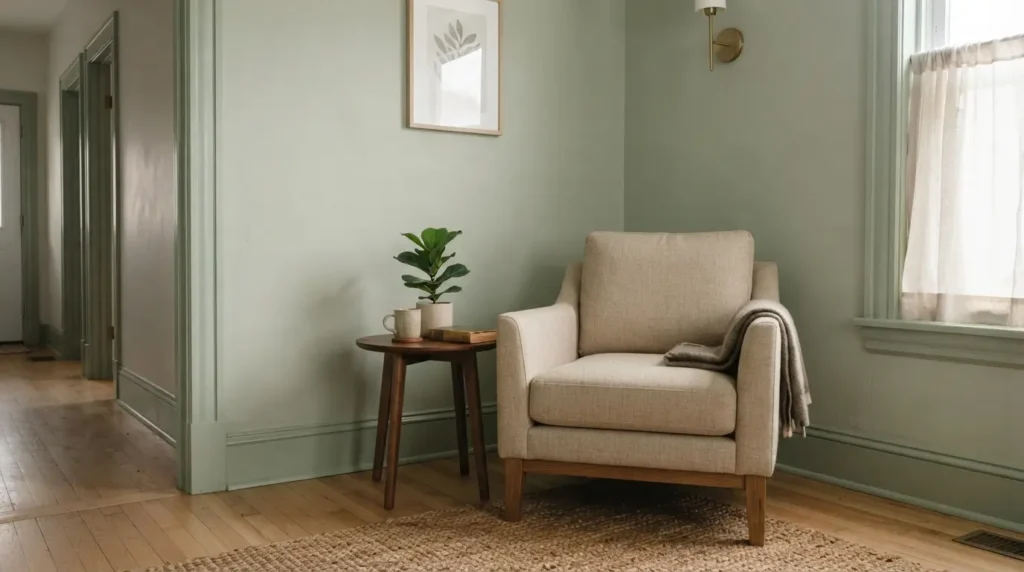
Painting Over Satin or Semi-Gloss: Do You Need to Sand?
Sanding helps, and it matters most over semi-gloss. Glossy surfaces are slick, so fresh paint grips poorly. Scuff sand the surface first. Then wipe off the dust and add a bonding primer. Over satin, light sanding is often enough. Skip the prep and the new coat may peel later.
Does This Apply to Spray Paint?
Yes, the sheen rule stays the same. Satin spray paint looks soft. Gloss spray paint shines bright. Only the application changes. Spray in thin, even coats from a steady distance. Let each layer dry before the next. This stops drips and blotches on furniture or metal.
Can You Make Satin Paint Glossier?
Yes, add a clear gloss topcoat. A clear varnish or polyurethane over satin lifts the shine. Pick a water-based topcoat for light colors. It also adds a layer of protection.
Oil-Based or Water-Based Paint?
Both satin and semi-gloss come in oil-based and water-based types. Water-based latex dries fast and has low VOC levels. It cleans up with soap and water. Oil-based paint flows smooth and lasts long, but it smells strong. For most satin vs semi-gloss jobs at home, water-based is the easy pick.
Best Satin and Semi-Gloss Paint Brands
For satin vs semi gloss paint, stick with trusted US brands. Benjamin Moore Advance works well on cabinets and trim. Sherwin-Williams ProClassic gives a smooth, hard finish. Behr Premium Plus offers solid value for walls.
Final Thoughts
The satin vs semi-gloss paint choice comes down to the surface. Choose satin for walls, ceilings, and calm rooms. Choose semi-gloss for trim, doors, cabinets, and baths. Satin hides flaws and shows true color. Semi-gloss shines bright and cleans with ease. Match the finish to the room, and your paint job will look right for years.
Frequently Asked Questions
What is the difference between satin and gloss paint?
Satin has a soft, low sheen. Gloss reflects much more light and looks shiny. Gloss is tougher and cleans easier. Satin hides flaws better. In the US, semi-gloss is the common high-sheen choice.
What is the difference between flat, satin, and semi-gloss?
Flat has no shine and hides the most flaws. Satin adds a soft glow and cleans better. Semi-gloss is the shiniest of the three. It resists moisture and scrubbing best.
Is satin or semi-gloss better for bathroom walls?
Choosing satin or semi-gloss for bathroom walls is easy. Semi-gloss wins. It resists steam, moisture, and mold better. It also wipes clean fast. Satin can work in a low-moisture powder room.
What finish is best for trim and baseboards?
Deciding satin or semi-gloss for trim is simple. Semi-gloss is the top pick for trim. It stands up to bumps, cleaning, and daily wear. The shine also sets the trim apart from the walls.
Which paint is easiest to clean: flat, satin, or gloss?
Gloss and semi-gloss clean easiest. Higher sheen resists stains and takes scrubbing. Flat is the hardest to clean. Satin sits in the middle.
Can you make satin paint glossier?
Yes. Apply a clear gloss or varnish over it. A polyurethane topcoat raises the shine. It also protects the surface below.
Is semi-gloss the same as gloss?
Not quite. Semi-gloss is shiny but softer than full gloss. In the US, semi-gloss is the usual high-sheen pick.

About HomeFixStyle
HomeFixStyle is a home improvement blog dedicated to helping readers create better, more comfortable, and stylish homes. We share practical ideas, helpful guides, home decor inspiration, renovation tips, and simple solutions for everyday home projects. Our goal is to make home improvement easier to understand and apply, whether you are updating one room or improving your entire home.