
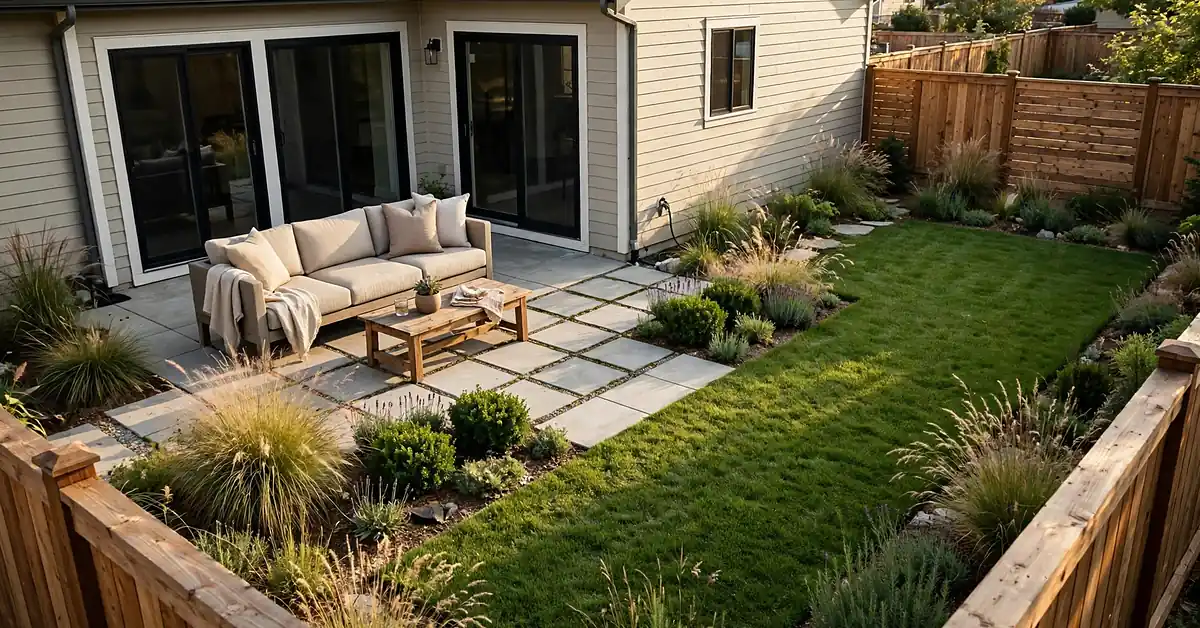
Modern garden design brings clean shapes, comfortable seating, and carefully chosen plants into one practical outdoor space. You can create this look in a narrow side yard, small courtyard, or suburban backyard. The key is choosing features that suit your home and how you spend time outside.
This article offers 25 ideas, two sample layouts, and guidance on plants, paving, costs, and care. You’ll learn what makes a garden look modern and which changes are worth making first. Start with your yard’s sunlight, drainage, and size before buying anything.
What Is Modern Garden Design?
Modern garden design uses clear shapes, organized planting, and useful outdoor features. Straight or gently curved paths connect areas. Repeated plants create structure. Pavers, gravel, stone, and wood provide surfaces for moving and relaxing.
Unlike a crowded garden, each feature gets room to stand out. A modern yard can still have a lawn, flowers, and a favorite old tree. You do not need to replace healthy plants to achieve a fresh appearance.
Key features of modern garden design
Look for these common elements:
- Defined paths: Pavers or compacted surfaces connect doors, patios, and planting areas.
- Simple planting groups: Shrubs and grasses repeat rather than appearing randomly.
- Limited materials: Two or three finishes keep the yard visually connected.
- Useful outdoor rooms: Seating, dining, and play areas have enough space to work.
- Balanced proportions: Paths, beds, furniture, and trees fit the scale of the property.
- Thoughtful lighting: Fixtures illuminate steps and gathering areas without disturbing neighbors.
The appearance matters, but so does comfort. A patio that looks impressive yet overheats all summer needs a better plan.
Modern and traditional gardens: the practical difference
Traditional gardens often include winding paths, layered flower borders, and many plant varieties. Contemporary layouts tend to use clearer boundaries and more repetition. Both can include wildlife plants, lawns, and colorful flowers.
If you’re choosing between styles, Garden design ideas can help you decide which features suit your property. Keep the pieces you love, then organize them around a clear plan.
25 Modern Garden Design Ideas for Every Outdoor Space
Choose ideas by yard size and purpose, not just by how a photo looks. Each option below can stand alone or become part of a larger makeover.
Small modern garden ideas
1. Build a courtyard around one comfortable bench
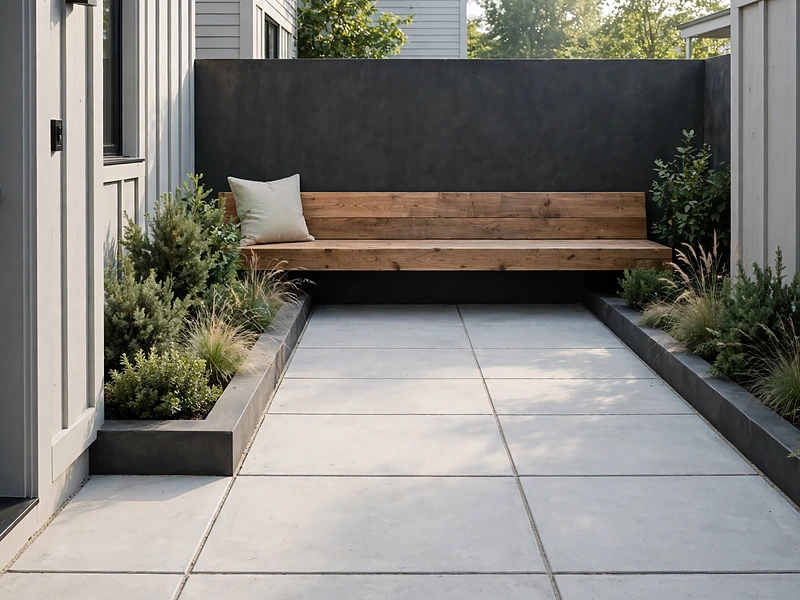
Place a simple bench against a wall and keep the center open. Add slim planting beds and one consistent paving finish. Choose compact plants that will not block the seating. This modern garden design idea suits townhouses where every square foot counts.
2. Use straight paths in a narrow yard
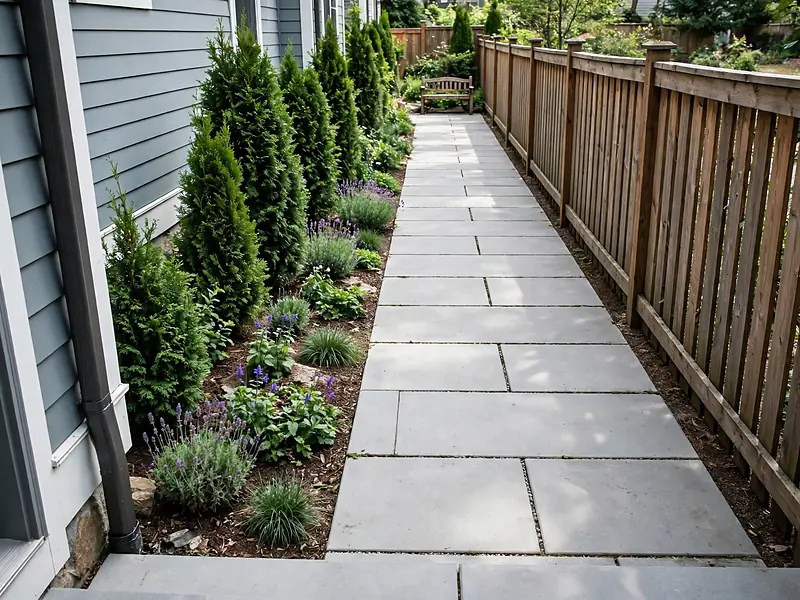
A direct path helps a long yard feel orderly. Arrange planting along one side and leave a clear walking route. Use upright shrubs instead of plants that spread across the walkway. Test the route with a hose or string before installing pavers. For more ways to make narrow yards and compact outdoor spaces useful, explore these small garden design ideas.
3. Grow plants vertically

A trellis or freestanding planter adds greenery without covering the floor. Check the structure’s strength and the climbing plant’s mature weight. Avoid trapping moisture against vulnerable siding. For modern garden design in compact spaces, vertical greenery can soften plain walls.
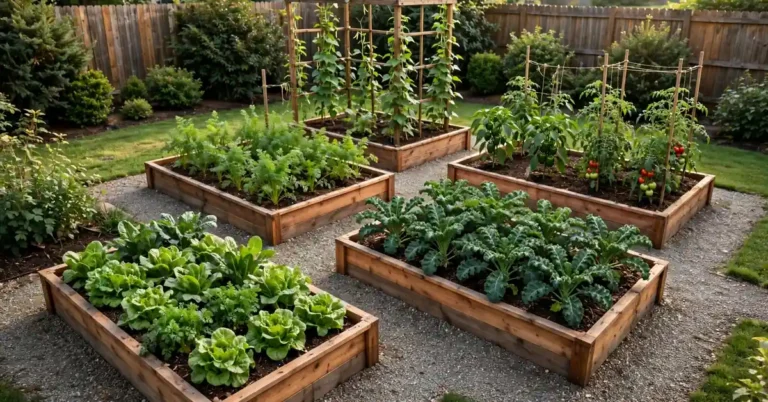
4. Frame planting with raised beds
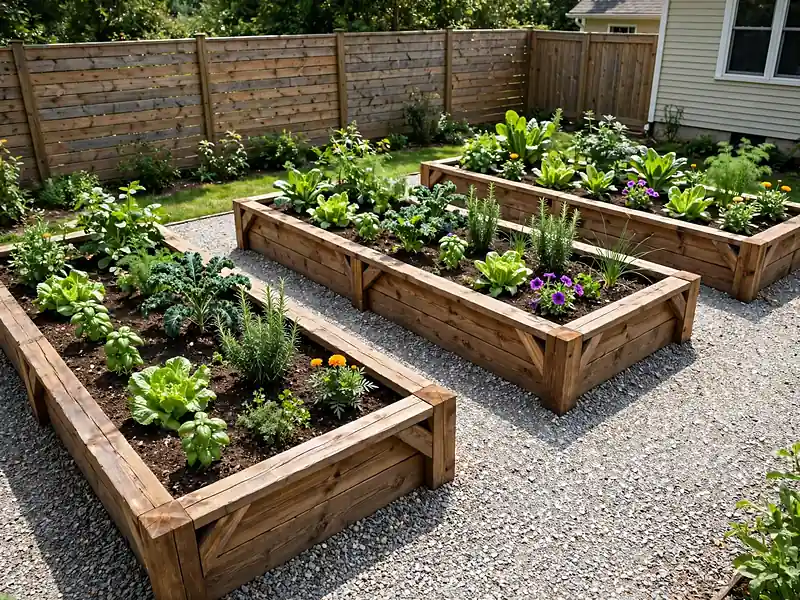
Rectangular raised beds create tidy growing areas. Make each bed narrow enough to reach across without stepping into the soil. Choose materials safe for soil contact and provide drainage. Herbs and compact shrubs both work well. Small Vegetable Gardens can fit beside ornamental plants.
5. Arrange matching containers on a patio

Group two or three container sizes in a shared color family. Put taller plants behind shorter ones. Leave room to move chairs and reach the door. Containers need drainage holes and closer watering attention than many in-ground beds.
Backyard and front yard ideas
6. Keep a rectangular family lawn
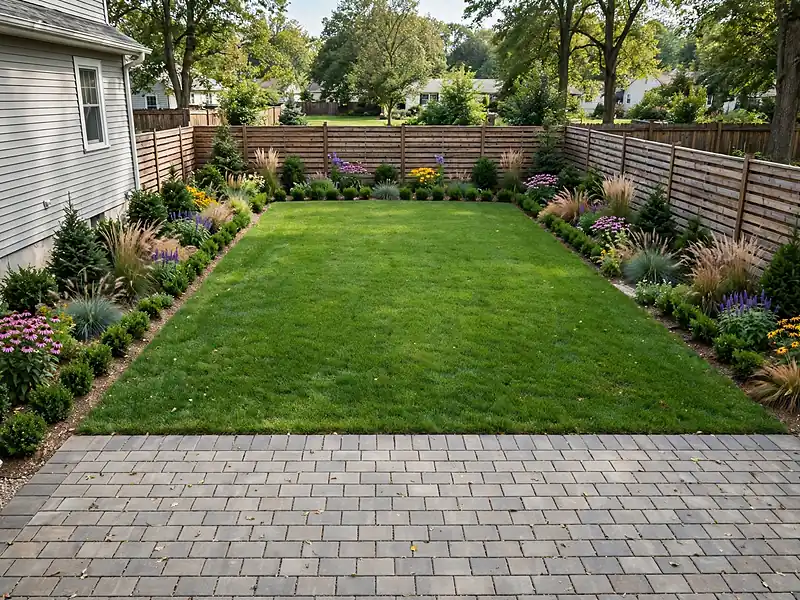
A defined lawn can provide space for play without dominating the yard. Border it with planting beds or paving. Choose grass suited to your local climate and shade. Modern garden design does not require removing every patch of turf.
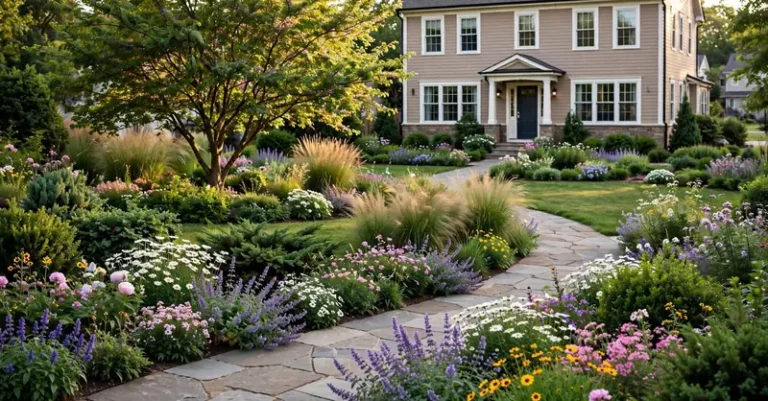
7. Make the front entry easy to follow

Connect the sidewalk or driveway to your door with a clear path. Add repeated shrubs along the route. Keep plants below windows and away from steps. One small ornamental tree may be enough for a focal point.
8. Pair large pavers with gravel

Square or rectangular pavers make a simple walking pattern. Install a stable base and firm edging. Loose gravel needs occasional raking and can hinder wheelchairs or strollers. Choose a continuous firm surface for any accessible route.
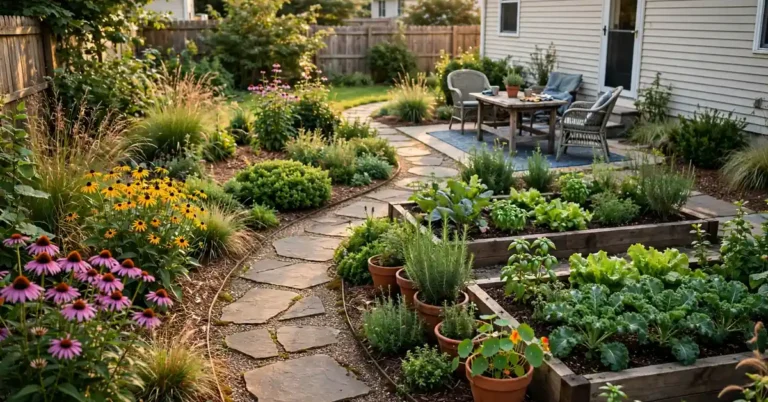
9. Give the patio a living-room layout

Arrange outdoor chairs around a table, leaving space to pull seats back. Add plants at the perimeter instead of beside every chair. Consider afternoon shade before selecting furniture. A functional patio is often the most useful starting point for modern garden design.
10. Add privacy without building a solid wall
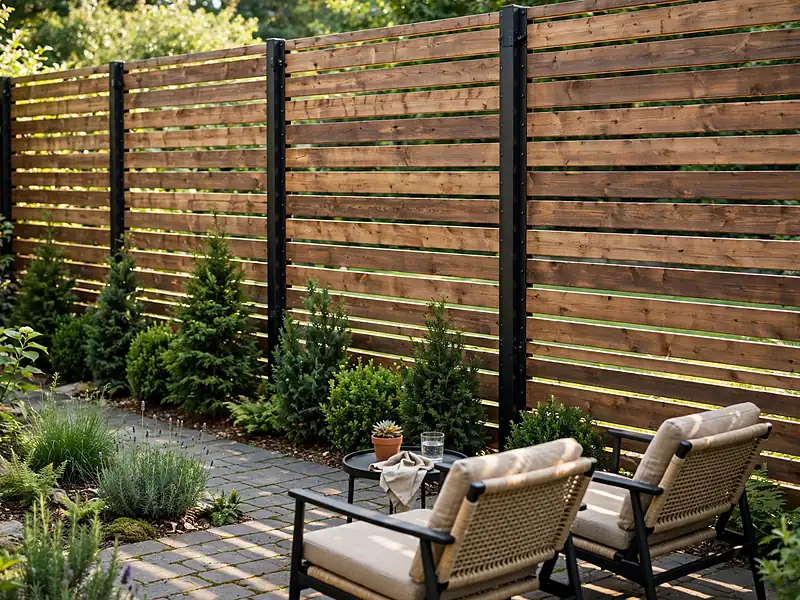
Use a timber screen, suitable evergreen hedge, or a combination. Check fence rules and plant spacing. A screen offers privacy right away, while a hedge takes time. Leave access for pruning and repairs.
Low-maintenance planting ideas
11. Replace a difficult lawn corner

Convert a patch that struggles to grow grass into a mulched planting bed. Choose plants matched to sunlight, soil, and rainfall. Gravel can work, but it still collects debris and weeds. Modern garden design should reduce chores, not move them elsewhere.
12. Repeat ornamental grasses
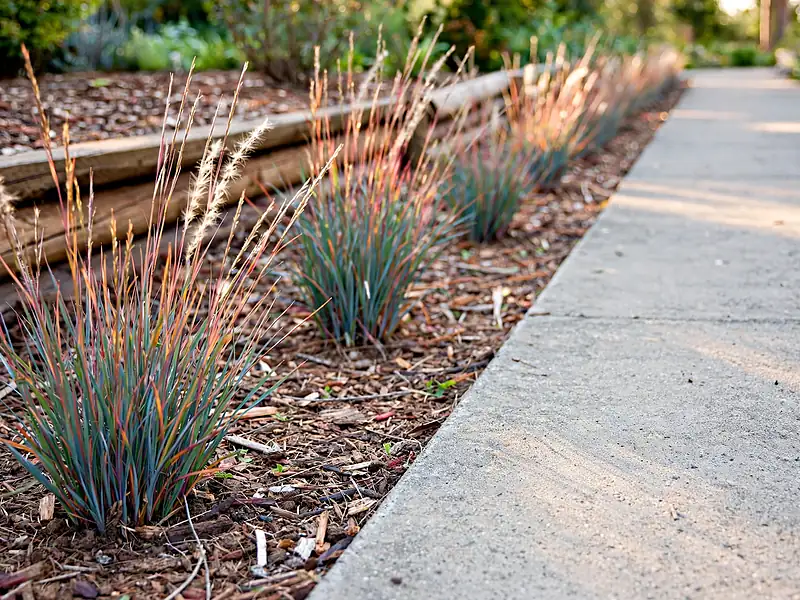
Grasses bring texture beside hard paving. Use groups of the same species for a clear pattern. Little bluestem may suit sunny, well-drained sites within its suitable range. Check local invasive-plant guidance before buying any ornamental grass.
13. Create structure with evergreen shrubs
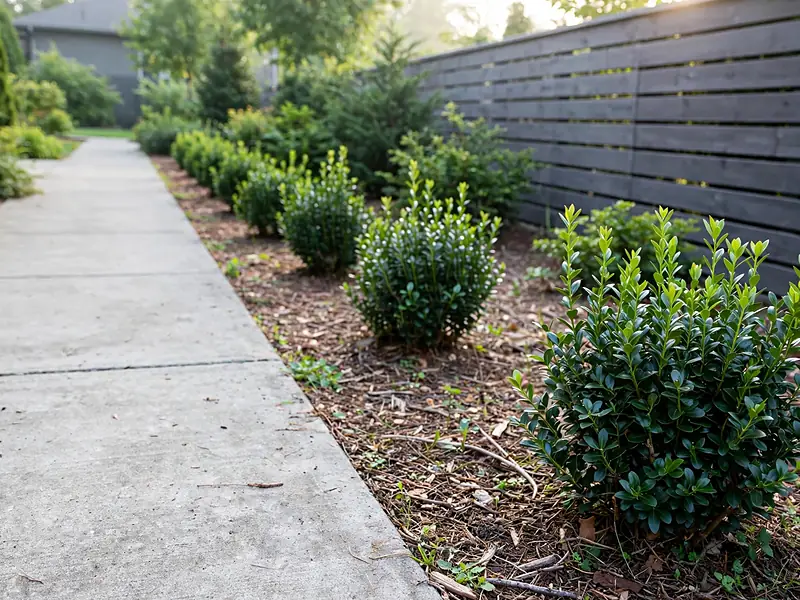
Repeat compact shrubs along paths or borders. Inkberry holly, selected arborvitae, and other evergreens offer different shapes. Check mature size and local disease pressure first. Planting for the final size reduces heavy pruning later.
14. Define beds with simple edging
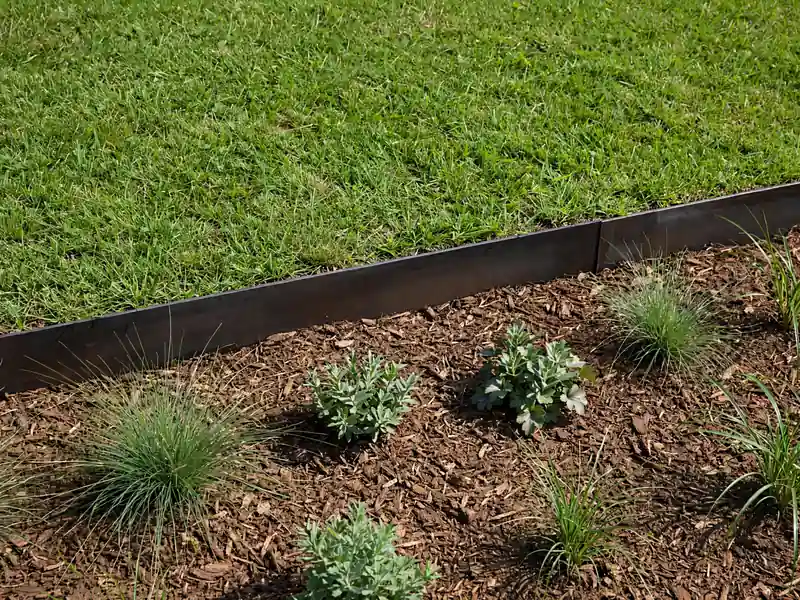
Stone, steel, or concrete edging separates lawn, gravel, and soil. Match the edging to existing paving when possible. Install it securely without exposed sharp edges. A clearly defined border can improve an older yard quickly.
15. Pair native planting with modern paths
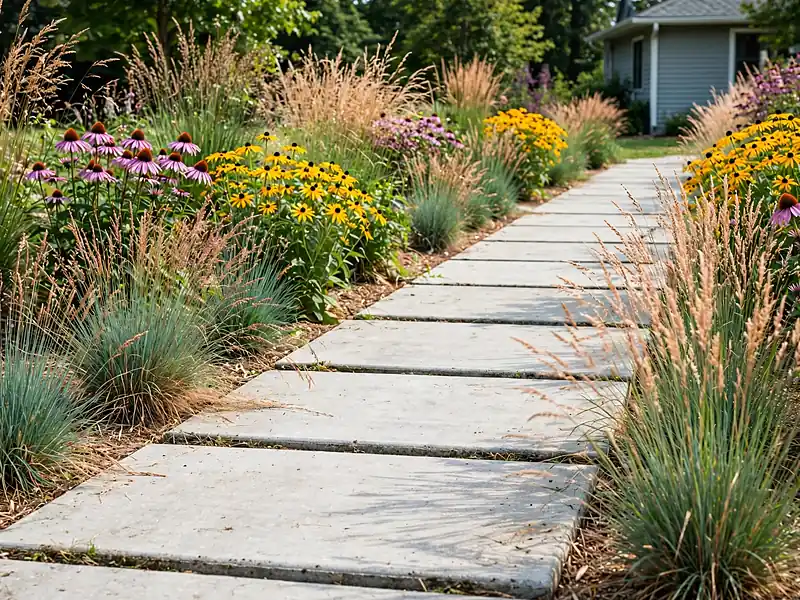
Select native perennials and grasses appropriate for your state and site. Repeat them beside simple paths for a neat look. Native plants still need suitable soil and establishment watering. EPA WaterSense recommends matching plants with local conditions to avoid wasted water.
Outdoor features and focal points
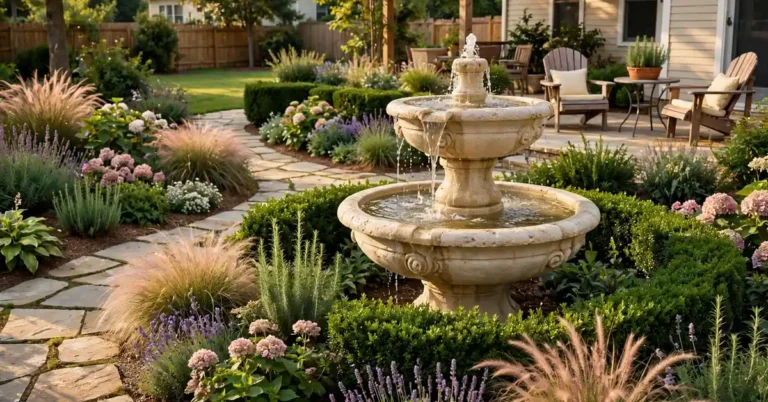
16. Add a compact water feature

A small recirculating fountain can suit a courtyard better than a large pond. Plan access for cleaning, pumps, and safe electricity. Keep child safety and local rules in mind. When choosing among fountain ideas, consider maintenance as closely as appearance.
17. Shade seating with a pergola
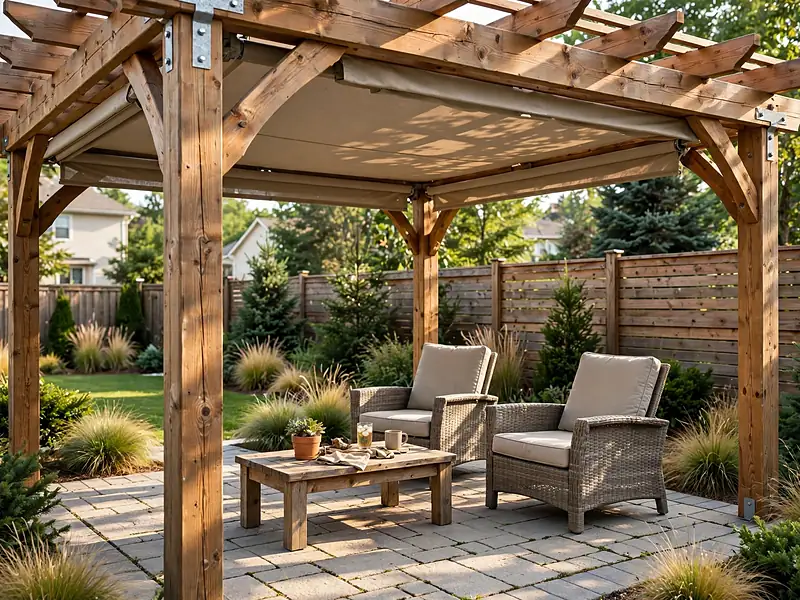
A pergola marks an outdoor room and may support shade fabric or louvers. Open slats alone provide limited midday shade. Check foundations, wind loads, and permit requirements. Modern garden design works better when seating stays comfortable in the hottest months.
18. Light paths and steps first
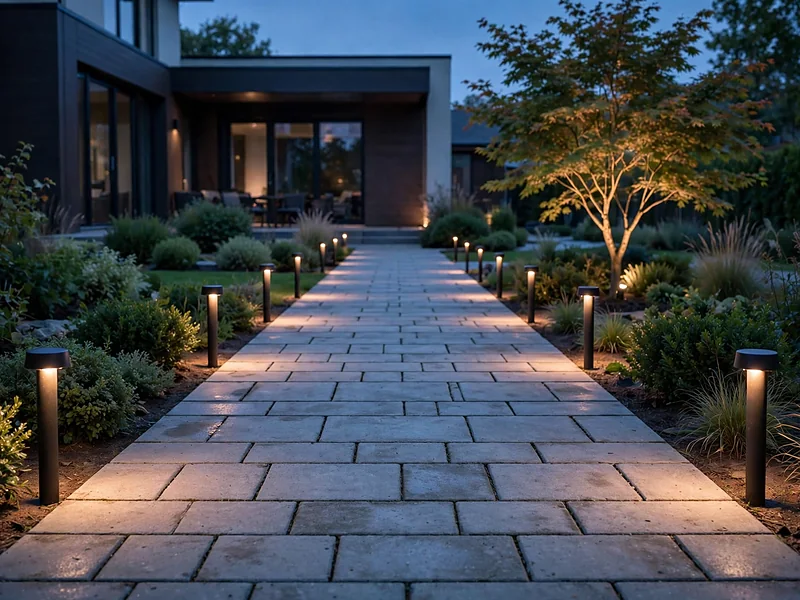
Use outdoor-rated lighting near transitions and walkways. Add a few accent lights only after the essential areas are visible. Aim fixtures downward to reduce glare. A qualified electrician should handle work that requires professional installation.
19. Plan a safe fire-pit zone
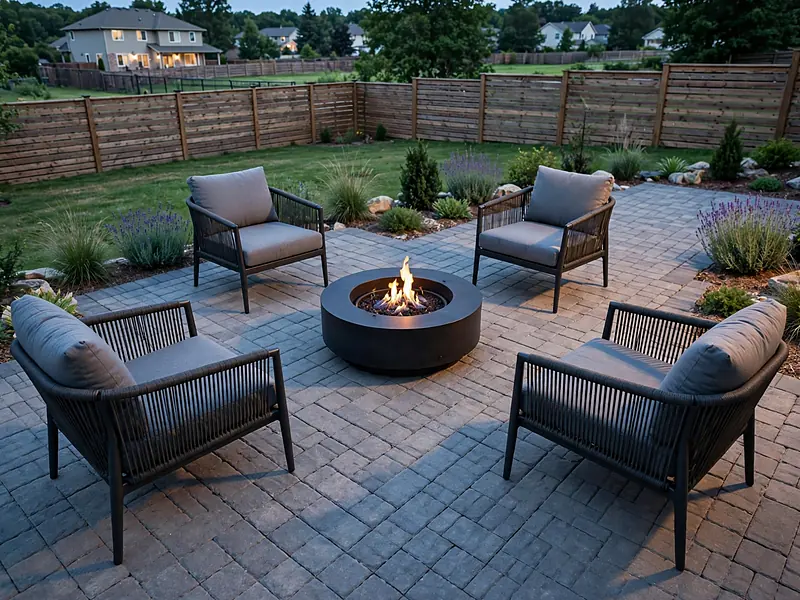
Choose a fire feature only where local restrictions allow it. Follow manufacturer clearances for buildings, furniture, and plants. Use a suitable noncombustible surface. Arrange seating to leave safe movement around the feature.
20. Use one tree as the focal point
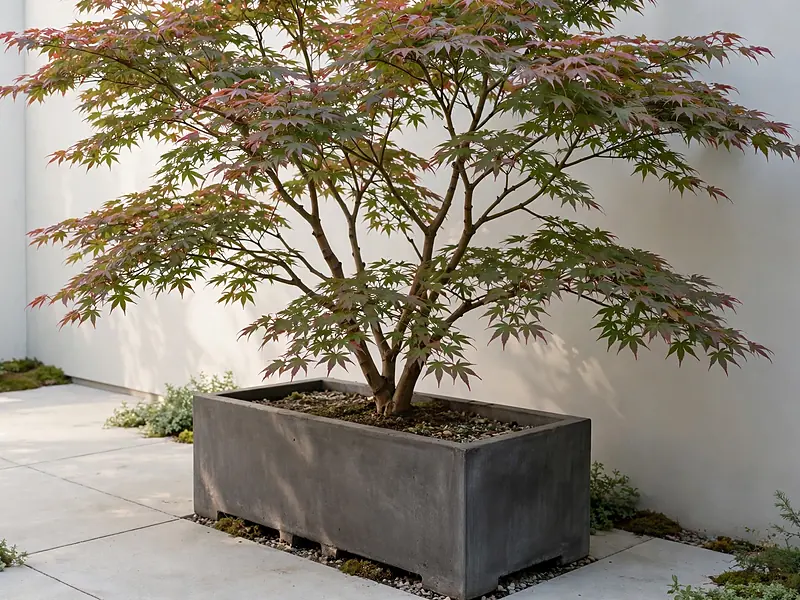
An ornamental tree can anchor a patio or entry garden. Choose it for mature height, root space, sun, and local climate. Place it where branches will not block the entrance. One well-positioned tree can be stronger visually than many small ornaments.
Styles and color combinations
21. Combine green planting with pale paving
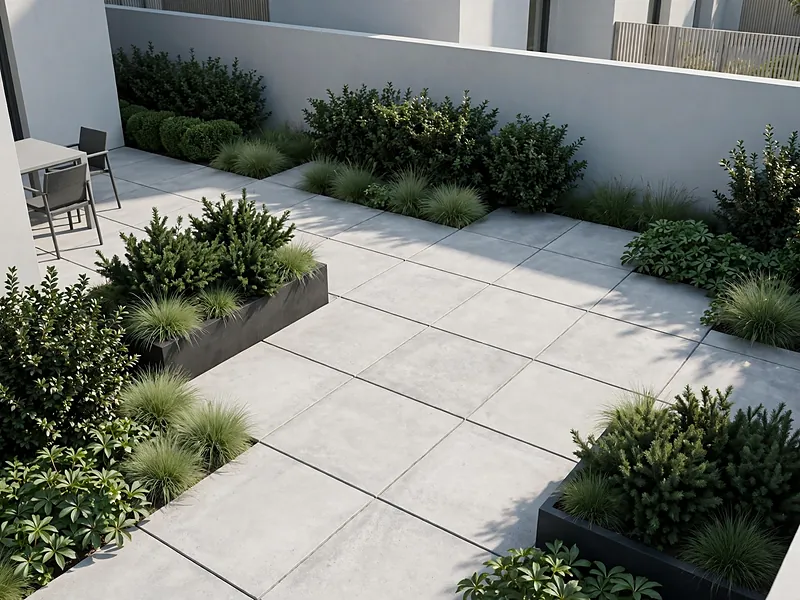
White or light-gray paving makes foliage stand out. Use dark planters sparingly for contrast. Consider surface temperatures before choosing dark stone in a sunny climate. This modern garden design palette works with many home exteriors.
22. Warm up concrete with wood

A timber bench or pergola can soften concrete paving. Repeat the wood finish in one or two other places. Choose outdoor-grade products and check refinishing needs. Too many unrelated finishes can make a compact yard feel busy.
23. Make a quiet Japanese-inspired courtyard
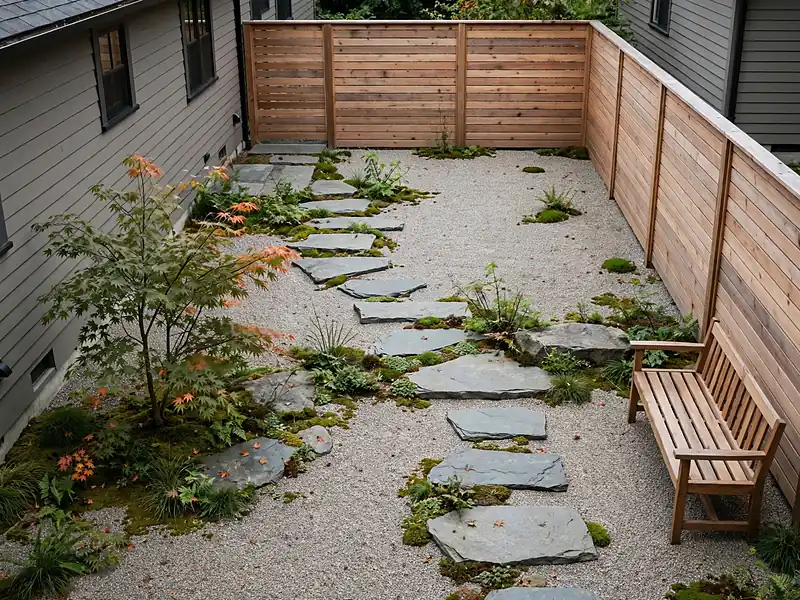
Use stone, open space, and carefully selected plants. Study the traditions behind Japanese gardens before copying distinctive cultural features. A restrained courtyard can feel peaceful without pretending to reproduce a historic garden style.
24. Give farmhouse planting a cleaner layout

Combine soft perennial beds with straight gravel paths and simple timber planters. Keep plant groupings relaxed, but organize the walking routes. For different property styles, landscape designs can provide ideas beyond a strictly minimalist look.
25. Adapt Mediterranean details to your climate
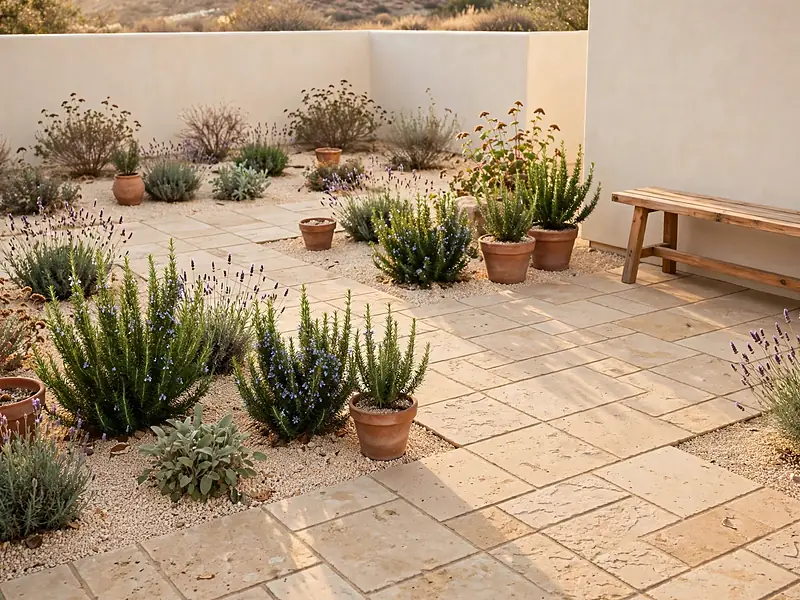
Warm stone, simple pottery, and gravel can create a relaxed outdoor space. Lavender and rosemary suit some sunny sites, but not every US winter or soil. Choose substitutes with similar shapes when local conditions differ. Successful modern garden design adapts the look instead of copying unsuitable plants.
Modern Garden Design Layouts for Different Yard Sizes
Photos can inspire a makeover, but measurements make it workable. Start by marking fixed features such as doors, trees, slopes, and utilities. For more layout options, these Garden Design Plans offer practical examples you can adapt to different yard sizes.
A sample 10 × 20-foot courtyard
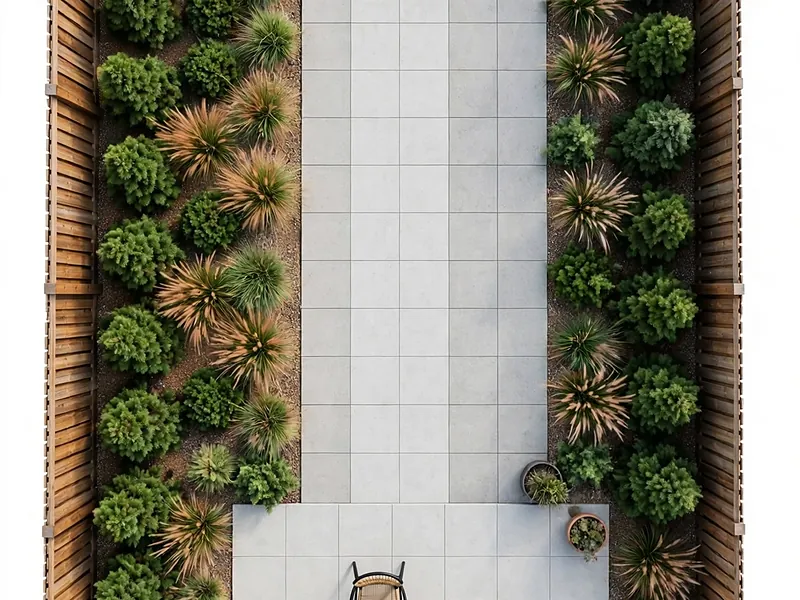
A 200-square-foot rectangle could hold an 8 × 8-foot seating area near the door. Put planting strips along the edges and leave a direct walking route. A path around 3 feet wide may work for general circulation, but accessibility needs vary. Check furniture clearance before fixing the layout.
| Zone | Example size | Purpose |
| Seating | 8 × 8 feet | Small table and chairs |
| Main route | Around 3 feet wide | Movement to the rear |
| Planting strips | Around 2 feet deep | Compact shrubs and perennials |
| Remaining space | Varies | Containers, drainage, and access |
These are illustrative dimensions, not a construction drawing. Doors, grading, and actual clearances may change the arrangement.
A sample 20 × 30-foot backyard
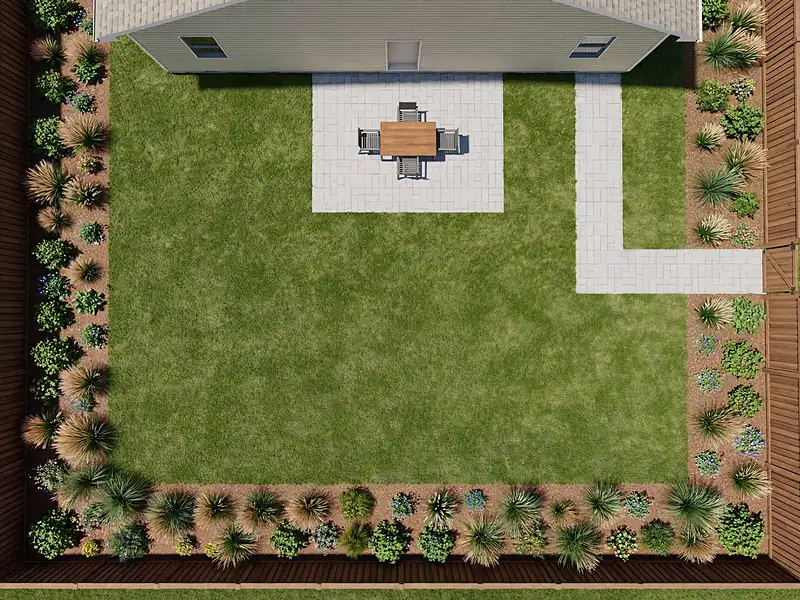
A 600-square-foot yard might include a 12 × 12-foot patio next to the house. Keep an open area for play or flexible use. Plant along the boundary and connect the patio to a side gate. Measure the full furniture footprint, not only the table.
Front yard and circulation planning
Keep the route to the front door clear and visible. Avoid shrubs that will grow across the sidewalk. In snowy areas, choose paths that can be cleared safely. Before installing permanent beds, walk the marked routes carrying a bag or garden tool.
How to Plan Modern Garden Design Step by Step
Good planning prevents attractive features from becoming daily problems. Work from the site conditions toward the smaller decorative choices.
1. Measure and study the yard
Record dimensions, doors, slopes, trees, and drainage trouble spots. Watch how sun moves across the space. Note wet areas after rainfall. A local Cooperative Extension office can help with soil testing.
2. Choose the main activity
Decide whether the space is for dining, relaxing, gardening, or play. Place that activity first. Give it enough space before adding paths and beds. This keeps the design focused on how your household lives.
3. Select hardscaping and routes
Choose paving for traction, drainage, and maintenance as well as appearance. Mark paths with string before excavation. Make sure doors, gates, and storage remain accessible. Call 811 before digging to locate buried utilities.
4. Plan planting by mature size
Choose large shrubs and trees first. Fill remaining areas with grasses, perennials, and ground covers. Group plants with similar water needs. Additional gardening ideas may help with seasonal planting combinations.
5. Plan irrigation and lighting early
Run irrigation and electrical plans before building permanent surfaces. Drip systems can deliver water near plant roots. Check for leaks and adjust watering after rainfall. Use licensed professionals where local rules require them.
Best Plants for Modern Gardens in the USA
Plant choice determines whether modern garden design keeps its structure after a few growing seasons. Choose by mature size, sun, soil, and regional climate rather than appearance alone.
Evergreen shrubs for year-round shape
| Plant | Design role | Check before planting |
| Inkberry holly | Low hedge | Soil acidity and moisture |
| Japanese holly | Compact border | Drainage and winter suitability |
| Arborvitae | Privacy screen | Mature width and deer pressure |
| Dwarf Hinoki cypress | Focal plant | Exact cultivar size |
| Boxwood | Clipped planting | Disease and pest risk |
Boxwood faces pest and disease pressure in some regions. Cornell Integrated Pest Management recommends considering suitable alternatives in areas affected by boxwood pests.
Grasses, trees, and ground covers
Little bluestem, switchgrass, and selected native perennials can complement straight-edged paths. Japanese maple or redbud may work as a focal tree in a suitable location. These are examples, not nationwide planting prescriptions. Ask a local nursery or Extension office about varieties that fit your property.
USDA zones and regional conditions
The USDA Plant Hardiness Zone Map describes average annual extreme minimum winter temperatures. It does not predict drainage, summer heat, or rainfall. Check all these factors before selecting plants.
| Region | Common planning concern |
| Northeast | Winter cold and snow |
| Southeast | Heat, humidity, and drainage |
| Midwest | Winter cold and summer swings |
| Southwest | Intense sun and water limits |
| Pacific Northwest | Seasonal rainfall and drainage |
| Coastal areas | Salt exposure and wind |
The EPA’s plant selection resources provide state and regional starting points. Local guidance is still necessary.
Materials for Modern Garden Design: Pavers, Gravel, Wood, and Stone
A modern layout depends on the surfaces between the plants. Choose materials that will stay safe and usable through your local seasons.
| Material | Useful feature | Main drawback |
| Concrete pavers | Defined geometric paths | Base preparation matters |
| Gravel | Flexible and often simple to install | Raking, weeds, loose footing |
| Natural stone | Varied texture and color | Cost and slip resistance vary |
| Porcelain pavers | Consistent finish | Needs suitable outdoor installation |
| Wood | Warm appearance | Weathering and refinishing |
| Composite decking | Predictable manufactured finish | Product-specific heat and expansion |
| Metal edging | Clean bed boundary | Corrosion and edge safety |
Permeable paving only improves infiltration when the full installation supports it. Surface gaps alone do not guarantee good drainage. In hot regions, some dark paving and rock mulch can radiate extra heat.
How Much Does Modern Garden Design Cost?
Project costs depend on labor, grading, materials, access, and the size of the work. A small planting refresh and a new paved patio have very different budgets.
HomeGuide’s February 2026 estimates list basic landscaping at $4 to $12 per square foot. Its broad range for complete new landscaping is about $3,000 to $16,000. These figures are not quotes for a specific yard.
Set a budget by project component
| Cost area | Include |
| Site work | Clearing, grading, disposal |
| Built surfaces | Base, pavers, edging, installation |
| Planting | Plants, soil improvements, mulch |
| Water and power | Irrigation, lighting, qualified labor |
| Furnishings | Seating, shade, containers |
| Reserve | Unexpected repairs or conditions |
Get local written estimates for major work. Ask what the price excludes. A modern garden design budget should also account for ongoing watering, cleaning, and plant care.
Where DIY work makes sense
Refreshing mulch, planting small beds, and arranging containers are manageable starting points for many homeowners. Retaining walls, structural pergolas, major grading, and regulated electrical work may require professionals. Confirm permits and insurance before hiring.
How to Keep a Modern Garden Low-Maintenance
Low-maintenance does not mean no maintenance. The best approach removes unnecessary work and makes routine care easier.
Reduce difficult lawn areas
Keep grass where people use it. Replace awkward edges with mulched beds or suitable ground covers. Avoid installing gravel everywhere just to escape mowing. It also needs weeding and cleanup.
Match watering to the plants
EPA WaterSense recommends grouping plants with similar water needs. Mulch can help soil retain moisture, but keep it away from trunks. New drought-tolerant plants still need water while establishing. Review the EPA’s landscaping tips for soil and watering practices.
Choose materials you can maintain
Wood may need refinishing. Loose gravel needs leveling. Planting beds need seasonal cleanup. A low-maintenance modern garden design uses materials and plants suited to the time you can realistically spend outside.
Common Modern Garden Design Mistakes to Avoid
Most costly mistakes happen before installation. Fix the plan while changes are still easy.
Choosing plants by nursery size
A small shrub can grow across a path within a few years. Check mature height and spread. Give every plant enough room for growth and access.
Ignoring drainage and surface heat
Do not direct runoff toward the house or a neighboring property. Have persistent drainage issues assessed before paving. Avoid heat-radiating stone mulch beside plants that need cool, moist roots.
Crowding the garden with features
A fountain, fire pit, pergola, and outdoor kitchen may not belong in the same small yard. Start with its main purpose. Add only features that leave enough space for movement.
Frequently Asked Questions
Can I create a modern garden on a small budget?
Yes. Keep healthy plants and sound paving. Refresh bed edges, repeat affordable plants, and improve one area at a time. Reserve professional work for projects that truly need it.
Which plants work best with modern landscaping?
Evergreen shrubs, suitable grasses, and a few focal trees can create structure. Check your USDA zone, summer heat, soil, and mature plant sizes before deciding.
Can a small backyard look modern?
Yes. Use one clear path, compact seating, and planting around the edges. Keep the middle open enough for daily use. A small space benefits from fewer, better-placed features.
Do I need grass in a modern yard?
No. Patios, planted beds, and ground covers can replace lawn. Choose surfaces that provide comfortable access and manage rainwater properly.
What needs the least maintenance?
Climate-suited plants, durable surfaces, and a simple layout can lower routine work. Every garden still needs weeding, checks for irrigation problems, and periodic care.
Final Thoughts
The best modern garden design fits your space, climate, and routine. A courtyard may need one bench and tidy planters. A family yard may need open lawn and a shaded patio. A sunny, dry site may benefit from regionally suitable low-water planting.
Measure your yard, identify its biggest problem, and solve that first. Then choose plants and materials that support how you want to use the space. A plan you can maintain will serve you better than a design copied without considering your property.

About Author
Mia Anderson is a gardening writer at HomeFixStyle with a keen interest in plants, garden design, and outdoor living. Her work focuses on small-space gardening, plant care, and practical landscaping ideas. She enjoys sharing simple, well-researched advice that helps homeowners create beautiful gardens suited to their space, budget, and lifestyle.