Farmhouse windows bring warmth, light, and character to any home. This guide covers what makes a window farmhouse style, the best window types to choose, popular grid patterns, black and white frame options, materials, cost, and how to pick the right windows for your climate and neighborhood. By the end, you will know exactly how to plan your farmhouse window project with confidence.
What Makes a Window “Farmhouse Style”?
Farmhouse windows are simple, tall, and full of natural light. They favor clean lines over fancy trim. The goal is always the same. Let the outside in, and keep the design honest and uncomplicated.
This style did not start as a trend. It grew from real farmhouses built in the 1800s. Farmers needed strong, practical homes. Windows were tall and narrow to let in daylight without wasting materials. That same simple logic still shapes this style today.
Key Characteristics of Farmhouse Windows
Most share a few common traits. They are taller than they are wide. Frames are simple, with little to no ornate trim. Grids are common but not required. Glass panes are usually large, so rooms stay bright.
You will also notice a strong link between these windows and natural materials. Wood tones, whites, and blacks dominate the color palette. Nothing feels overdesigned. Everything feels lived in.
Traditional vs. Modern Farmhouse Style
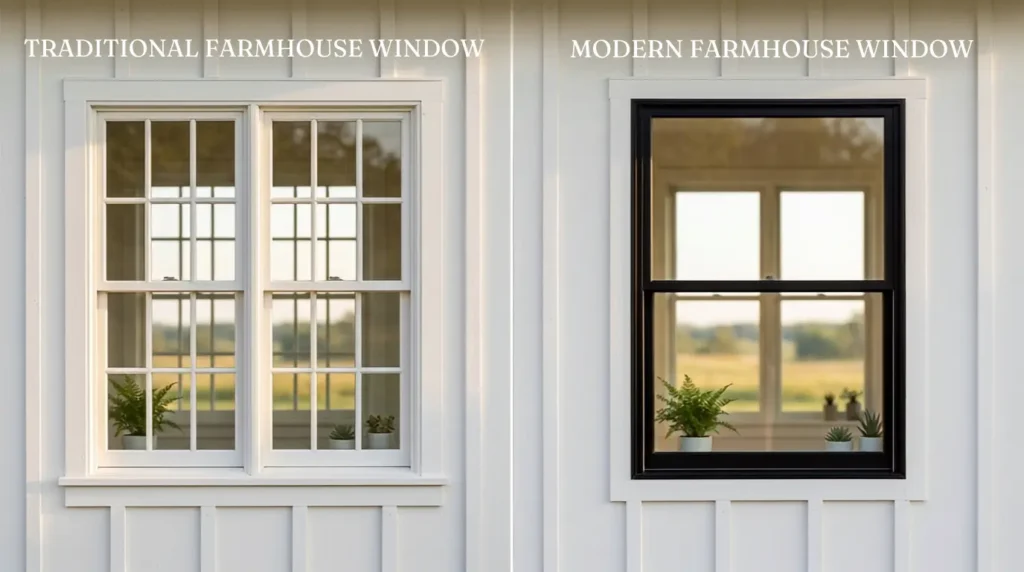
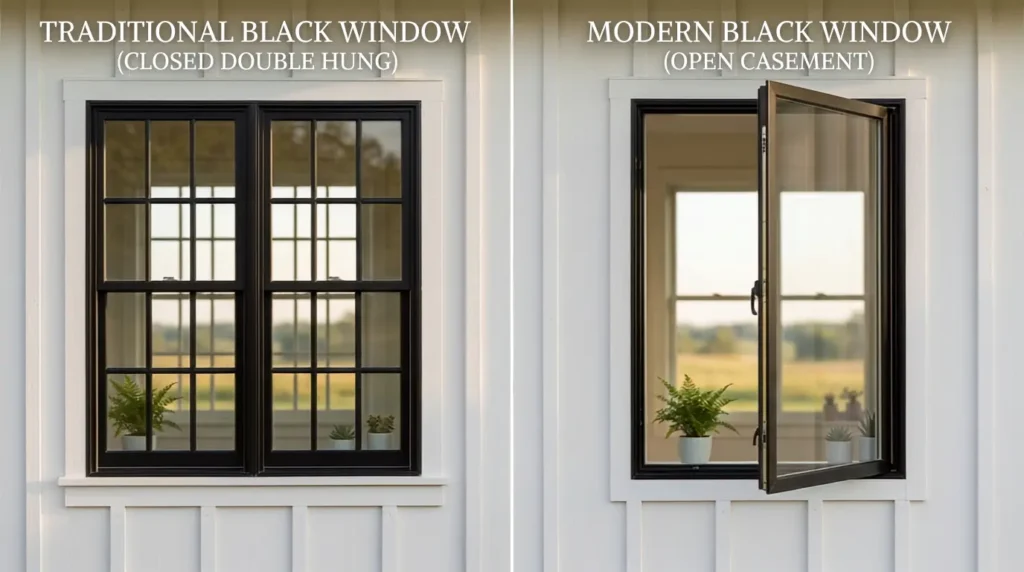
Traditional farmhouse windows are simple double hung windows in white or natural wood. They often include small grid patterns and sit close together in pairs or rows.
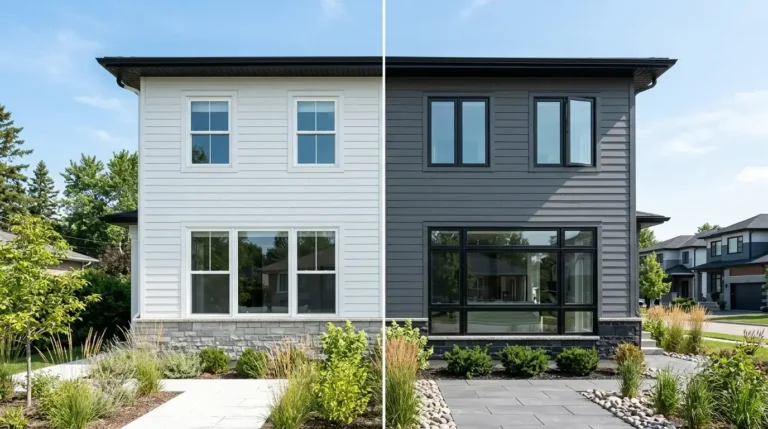
Modern farmhouse windows push the look further. Black frames replace white ones. Grids often disappear completely for a cleaner look. Glass panels get larger, sometimes stretching floor to ceiling. Both styles share the same DNA. This look simply trades rustic charm for sharper, more minimal lines.If this cleaner, minimal direction appeals to you, our modern houses guide breaks down the style in full detail.
Farmhouse Style Architecture at a Glance
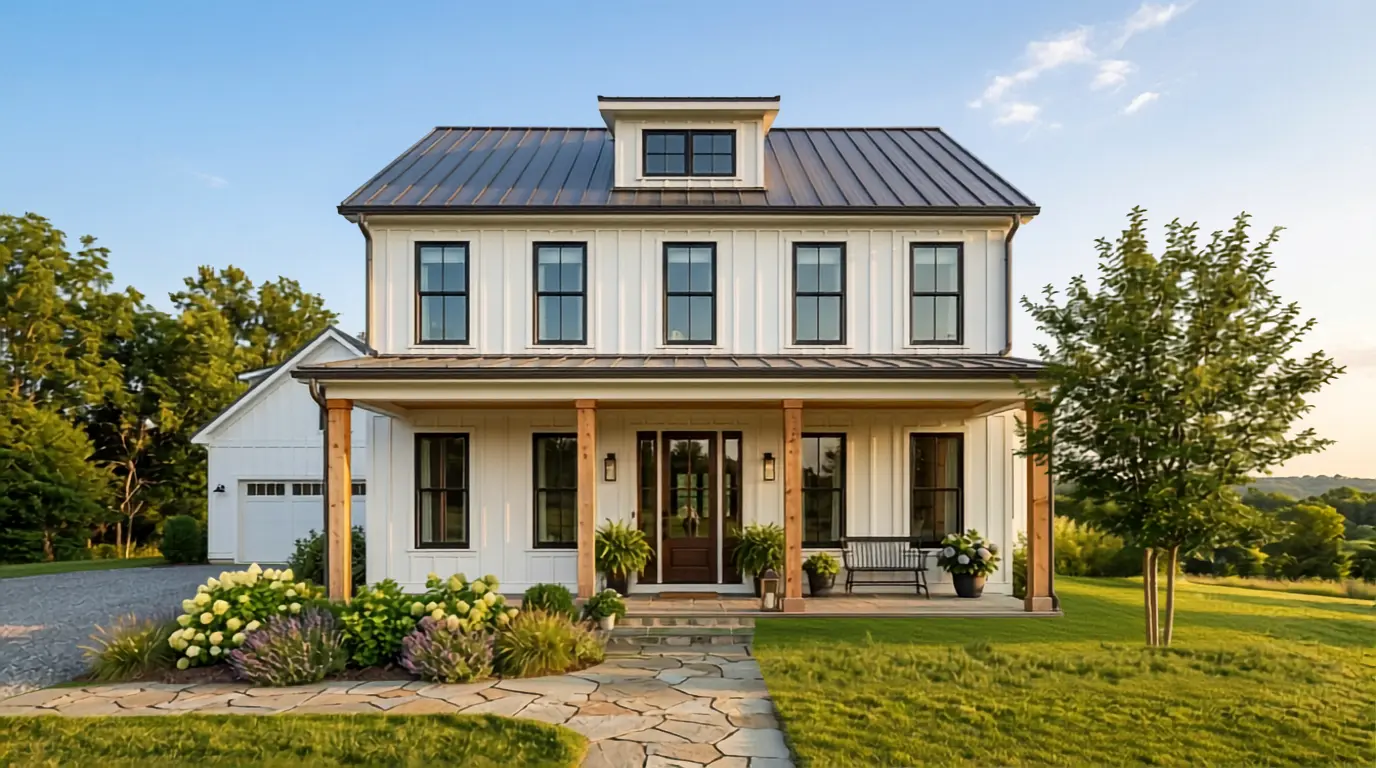
Windows do not stand alone. They work with the rest of the home’s architecture. Common farmhouse features include a gable roof, a wraparound or covered front porch, and board and batten siding. Many homes also use metal roofing and simple, square floor plans.
Understanding these features helps you choose windows that actually match your home, not just windows that look nice in a photo.f you are exploring other architectural directions, Gothic style houses offer a very different window and roofline approach worth comparing.
Types of Farmhouse Windows
Not every window style fits the farmhouse look. A handful of types show up again and again, and each one serves a different purpose in the home.
Single and Double Hung Windows
Double hung windows are the classic farmhouse choice. Both sashes slide up and down, which makes cleaning easier and improves airflow. Single hung windows work the same way, but only the bottom sash moves. They cost less than double hung windows and still fit the farmhouse look well.
Both types pair naturally with vertical grid patterns, which is part of why they remain the most common farmhouse window style across the Midwest and South.
Farmhouse Casement Windows
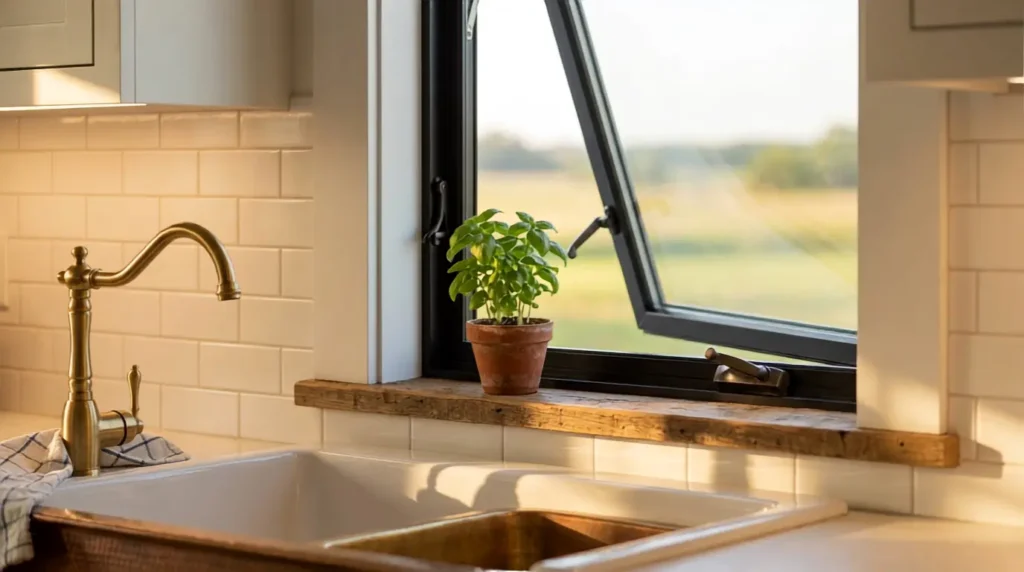
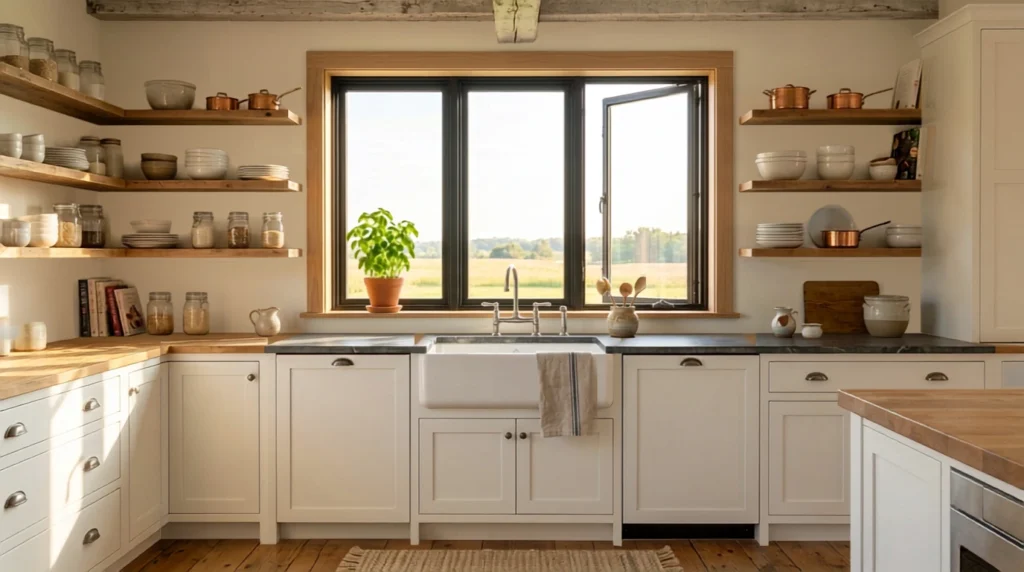
Farmhouse casement windows hinge on the side and swing outward, like a small door. They offer strong ventilation and an unobstructed view, since there is no center rail blocking the glass.
Casement windows work especially well in kitchens and over sinks, where a crank handle is easier to reach than a sash you have to lift. Many homeowners choose farmhouse casement windows for this exact reason.
Picture & Floor-to-Ceiling Windows
Fixed picture windows do not open, but they bring in more light than any other type. Floor to ceiling windows take this even further, turning an entire wall into a light source.
These work well in living rooms and great rooms, where the goal is an open, connected feeling between indoor and outdoor space. Farmhouse homes often place picture windows near a fireplace or main gathering area.
Sliding & Combination Windows
Sliding windows open horizontally and work well in spaces where a swinging window is not practical, such as above a countertop. Combination windows pair a fixed picture window with operable sashes on either side, giving you light and ventilation in one unit.
Modern Farmhouse Window Grids: A Complete Breakdown
Grids, also called grilles, are one of the most recognizable features of farmhouse windows. They split the glass into smaller panes and add texture to an otherwise simple design.
Colonial Grid vs. 2-Over-2 Patterns
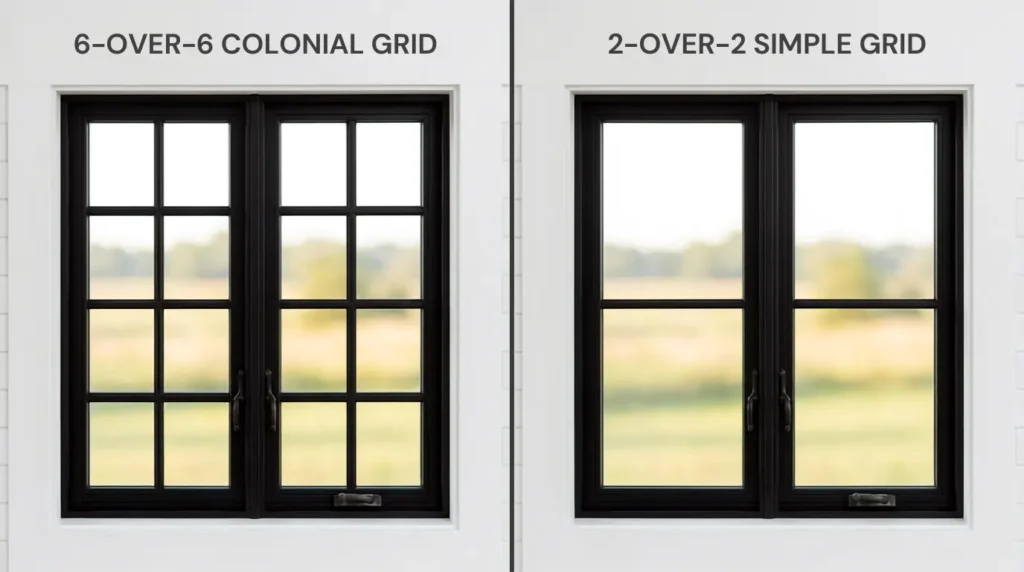
The colonial grid uses several small panes across the window, often six over six. This pattern feels more traditional and historic. The 2 over 2 pattern uses just two panes on top and two on bottom. It reads as cleaner and more modern, which is why it shows up so often in this style today.
Grid Placement (Top Sash Only vs. Full Window)
Some homeowners add grids only to the top sash, leaving the bottom pane clear. This keeps the view open while still nodding to a traditional look. Others use grids across the entire window for a more classic, cottage feel. Neither option is wrong. It comes down to how much of the outside view you want to keep unobstructed.
Should You Choose Grids or No Grids?
Grids add character, but they are not required for a home to read as farmhouse style. Many modern designs skip grids entirely for a cleaner, more minimal look. If your home leans traditional, grids usually feel more at home. If your home leans modern or industrial, going without grids often looks sharper.
Colored & Black Window Frames for Farmhouse Style
Color is one of the fastest ways to change how a farmhouse home feels. It also carries real weight in how the home performs, since darker frames absorb more heat.
Black Window Frames: The Modern Farmhouse Signature
Black window frames are the single most recognized feature of modern farmhouse design. Set against a white or light exterior, black frames create sharp, clean contrast. They draw the eye and make the windows themselves feel like part of the architecture, not just a functional element.
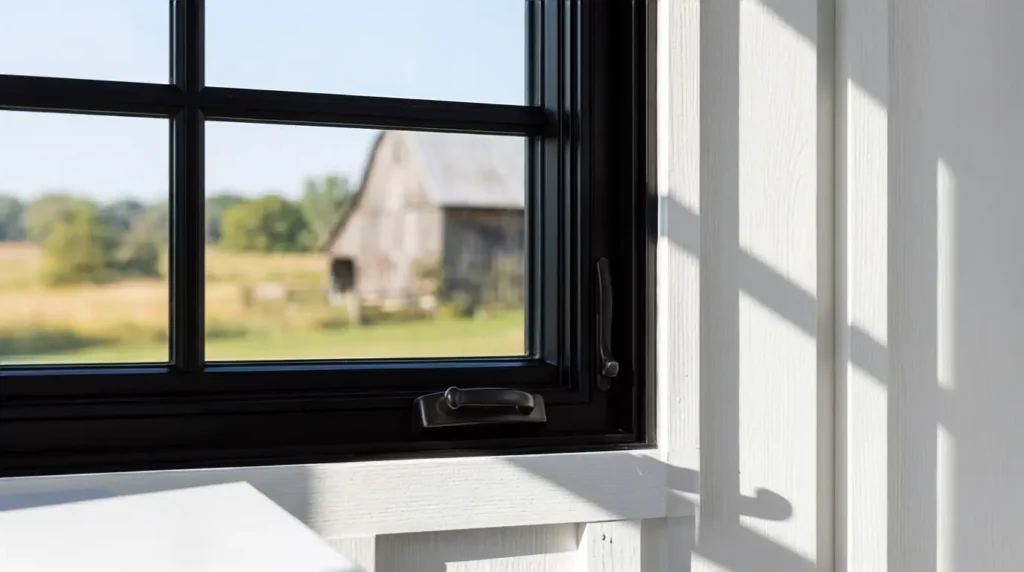
Black frames do need a bit more care in hot, sunny climates, since dark colors absorb more heat than lighter ones. Fiberglass and vinyl frames built for high heat resist warping better than standard vinyl.
White, Wood-Tone & Gunmetal Alternatives
White frames remain a safe, timeless choice and pair well with almost any siding color. Natural wood tone frames add warmth and work especially well on interior sightlines. Gunmetal, a dark gray with a slight sheen, has become a popular middle ground for homeowners who want contrast without going fully black.
Woods, Whites & Winter Greens
Some of the most inviting farmhouse interiors mix warm wood window frames with soft white walls and deep winter green accents. This combination feels cozy without looking dated, and it works well in colder climates where warmth matters both visually and physically.
Farmhouse Window Materials: Vinyl vs. Wood vs. Fiberglass vs. Aluminum
Material choice affects cost, upkeep, and how well your windows hold up over time. Each option fits a different budget and climate.
Which Material Fits Your Budget and Climate
Vinyl windows cost the least and require very little maintenance, making them a strong choice for most farmhouse homes. Wood windows offer the most authentic look and the best insulation, but need regular painting or staining. Fiberglass windows cost more than vinyl but resist warping in extreme heat or cold, which matters in states with big temperature swings, like Wisconsin or Minnesota. Aluminum windows are strong and slim but conduct more heat and cold, so they work best in milder climates.For a closer look at how vinyl and aluminum windows compare, check our full breakdown.
Pros and Cons at a Glance
| Material | Cost | Maintenance | Best For |
| Vinyl | Low | Very low | Budget projects, most climates |
| Wood | High | High | Historic homes, classic look |
| Fiberglass | Mid to high | Low | Extreme heat or cold |
| Aluminum | Mid | Low | Mild climates, modern lines |
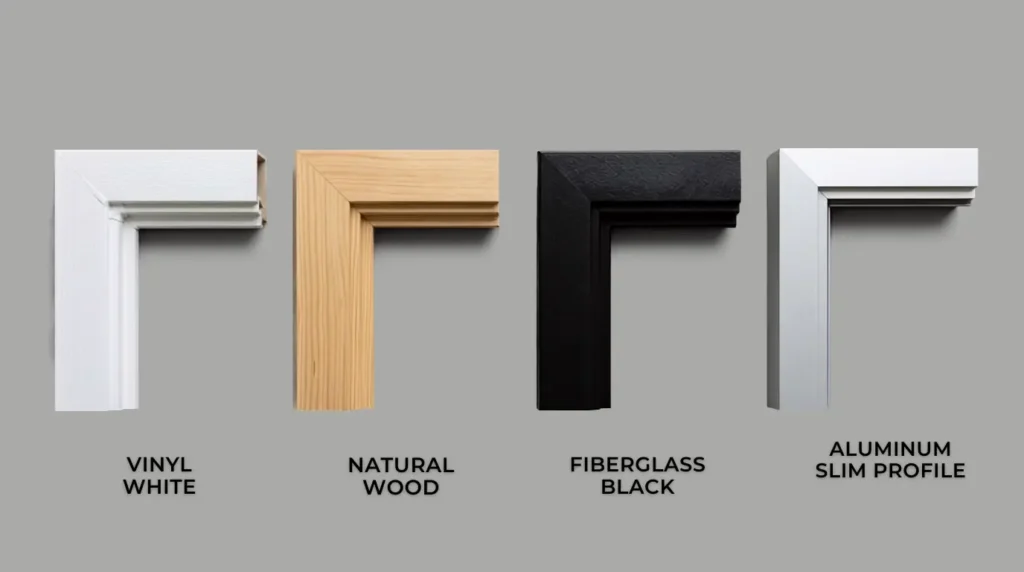
How Much Do Farmhouse Windows Cost?
Cost is one of the biggest factors in any window project, and it depends heavily on window type, material, and size.
Cost by Window Type and Material
Vinyl single hung windows typically start around 300 to 500 dollars per window installed. Vinyl double hung windows run a bit higher, often 400 to 700 dollars. Wood windows can range from 800 to over 1,500 dollars per window, depending on size and finish. Fiberglass casement windows usually fall between 600 and 1,200 dollars. Prices vary by region, contractor, and window size, so getting a few local quotes is the best way to nail down real numbers.
| Window Type & Material | Estimated Cost (Installed) |
|---|---|
| Vinyl single hung | $300 to $500 |
| Vinyl double hung | $400 to $700 |
| Fiberglass casement | $600 to $1,200 |
| Wood (any style) | $800 to $1,500+ |
New Construction vs. Replacement Pricing
New construction windows are often less expensive to install, since there is no old frame to remove. Replacement windows, especially in older or historic homes, can cost more due to extra labor, trim work, or matching existing openings.
Choosing the Right Farmhouse Style Windows for Any Home
Before you pick a window style, a few practical factors deserve attention. They can shape your options just as much as personal taste.
Neighborhood & HOA Considerations
If your home sits in a historic district or an HOA community, check local rules before ordering windows. Some historic neighborhoods require specific materials, colors, or grid patterns to preserve the area’s character. It is far easier to check this early than to redo a window installation later.
Climate
Climate should guide both material and color choice. In regions with harsh winters and hot summers, like much of the Midwest, look for windows with strong energy ratings. The National Fenestration Rating Council, or NFRC, and ENERGY STAR both provide performance ratings that make it easier to compare windows by climate zone. A well insulated, properly sealed window can make a real difference in a room that used to feel too hot in summer and too cold in winter.
Placement
Where you place a window matters as much as its style. South facing windows bring in more heat and light, which can help in cold climates but add strain in hot ones. Kitchen windows often benefit from casement or sliding styles for easy access. Bedroom windows usually call for simpler, single or double hung designs that balance light with privacy.
Design Elements That Complete the Farmhouse Look
Windows rarely stand alone. The right details around them tie the whole exterior and interior together.
Pairing Windows with Board-and-Batten Siding
Board and batten siding, with its wide vertical boards and thin strips between them, is a farmhouse staple. Simple window trim against this siding keeps the exterior looking clean instead of cluttered.
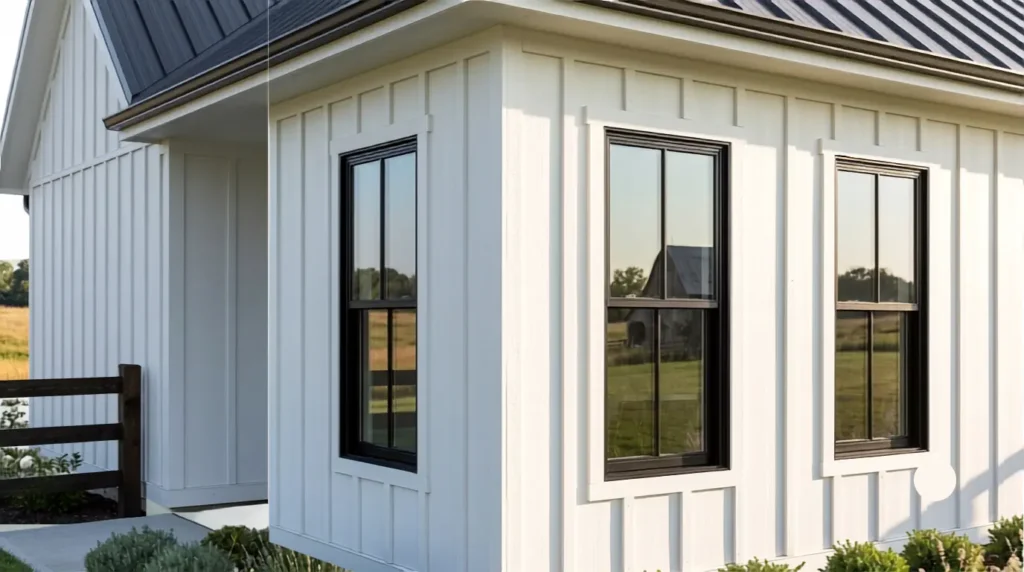
Barn Doors & Carriage-Style Garage Doors
Barn style doors and carriage style garage doors echo the same simple, functional design as farmhouse-style windows. Using similar hardware finishes across doors and windows, like matte black, helps the whole exterior feel intentional rather than mismatched.
Complementary Patio & Entry Door Styles
French doors with glass panels pair naturally with this window style, since both let in light and share a similar frame. A simple paneled entry door with clean trim keeps the front of the home consistent with the windows around it.
Is Farmhouse Window Style a Trend or Here to Stay?
Farmhouse style has stayed popular for over a decade, which is rare for a design trend. Its lasting appeal comes down to flexibility. Farmhouse windows work with historic homes, new builds, suburban lots, and rural properties alike. As long as homeowners want warmth, natural light, and simple design, this style is likely to remain a strong choice rather than a passing fad.
Real Farmhouse Window Projects
Seeing farmhouse windows in real homes makes the style easier to picture in your own space.
Featured Project: A Midwest New Build
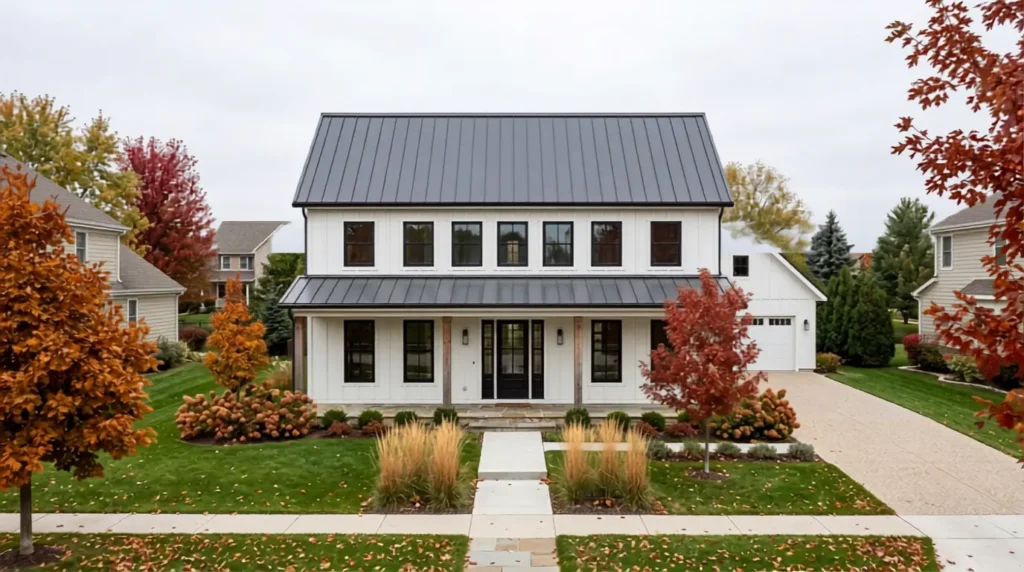
A new construction home in the Midwest used black fiberglass casement windows paired with white board and batten siding. The contrast created a clean, modern farmhouse look while the fiberglass frames held up through cold winters and humid summers.
Before & After Transformations
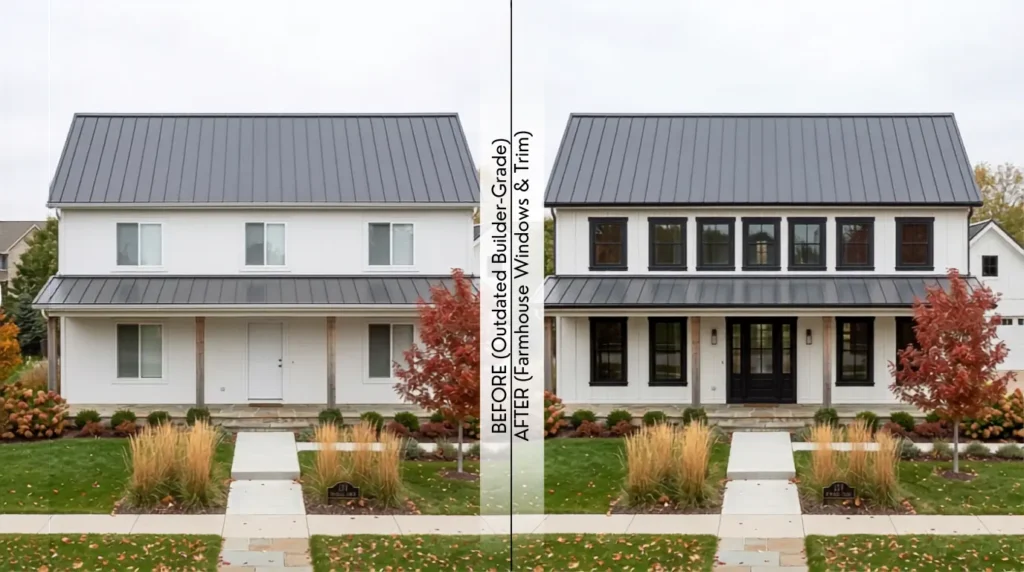
Older homes often see the biggest visual change. Swapping outdated aluminum sliders for black double hung windows with simple grids can shift a home from generic to true farmhouse style, often without any structural changes to the openings themselves.
Frequently Asked Questions
What’s the difference between farmhouse and modern farmhouse windows?
Traditional farmhouse windows usually have white or wood frames with grid patterns. Modern designs often use black frames, larger panes of glass, and fewer or no grids.
Are black windows hard to maintain?
Black frames need slightly more care in hot, sunny climates, since dark colors absorb more heat. Choosing fiberglass or vinyl rated for high heat helps prevent warping over time.
Do farmhouse windows need grids?
No. Grids are common in traditional designs, but many modern farmhouse styles skip them for a cleaner look.
What’s the most affordable farmhouse window style?
Vinyl single hung windows are usually the most affordable option that still fits the farmhouse look.
Can I install farmhouse-style windows in a historic home?
Yes, but check local historic district rules first. Some areas require specific materials or grid patterns to preserve the home’s original character.
Can window films improve comfort in farmhouse windows?
Window films can reduce heat gain and block harmful UV rays, which helps with comfort and energy costs. They work best as an add-on to quality windows, not a replacement for poor insulation or old, leaky frames.
Can I reuse old or reclaimed farmhouse windows?
Yes. Reclaimed windows like these are popular for furniture, wall décor, and cabinet fronts. For actual window openings, older single pane glass usually needs reglazing and better weatherproofing to perform well in today’s climates.
Final Thoughts:
Farmhouse windows do more than fill an opening in a wall. They set the tone for the entire home, blending natural light, simple lines, and lasting character. Whether you choose classic double hung windows with soft white frames or bold black casement windows with no grids at all, the right choice comes down to your climate, budget, and the look you want to live in every day.
Take time to weigh material, cost, and placement before you buy. A well planned set of windows will serve your home for decades, not just a season of style. If you are ready to explore options, browse more home improvement guides, or check with a local window professional to get exact pricing for your home.

About HomeFixStyle
HomeFixStyle is a home improvement blog dedicated to helping readers create better, more comfortable, and stylish homes. We share practical ideas, helpful guides, home decor inspiration, renovation tips, and simple solutions for everyday home projects. Our goal is to make home improvement easier to understand and apply, whether you are updating one room or improving your entire home.