Picking the right LED lights for bedroom use comes down to three things: color, placement, and safety. Warm white light between 2700K and 3000K works best for sleep and relaxation. Strip lights behind the headboard or along the ceiling create the coziest look. Renters need adhesive-only setups. Gamers want RGB with app control. This guide covers all of it, plus real product tiers, a comparison table, and the safety steps most buying guides skip.
Why Your Bedroom Lighting Choice Actually Matters
Your bedroom light does more than brighten the room. Your choice of led lights for bedroom use affects how fast you fall asleep.
The Sleep Foundation reports that warm light colors, like red, orange, and amber, cause less melatonin disruption than cool blue light. Blue light tells your brain it’s still daytime. That’s why bright white lights before bed can leave you tossing and turning.
Sleep experts often recommend 2700K lighting for bedrooms. That’s close to the color of a sunset. It signals your body that rest is coming.
This is the piece most lighting guides leave out. They talk about looks. They skip the science. Getting this right changes how well you sleep, not just how your room looks in photos.
LED Lights for Bedroom: Types You Should Know
Not every LED light works the same way. Here’s what’s actually available, and what each one is good for.
LED Strip Lights
These are flexible strips with small LED bulbs spaced evenly along the tape. Most have adhesive backing, so you stick them where you want. You can cut them to size at marked points.
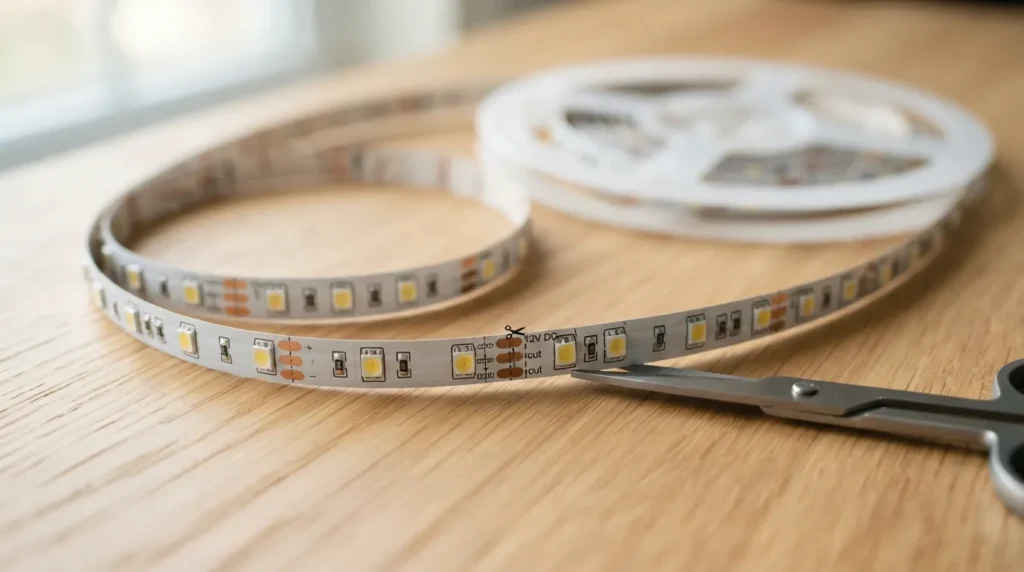
Strip lights come in warm white, cool white, RGB, and COB versions. They’re the most common choice for bedroom accent lighting, and for good reason. They’re cheap, easy to install, and flexible enough to fit almost anywhere.
Fairy Lights
Fairy lights are thin wires with small bulbs spaced further apart than strip lights. They’re not meant to light a whole room. They work best around mirrors, curtains, or a headboard for a soft, twinkling look.
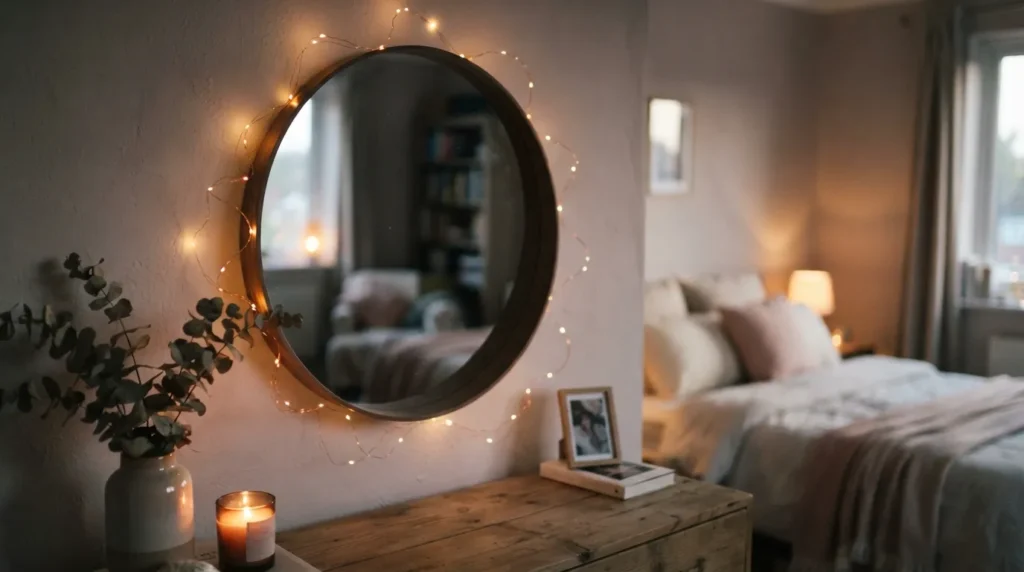
Renters like fairy lights because they’re light enough for removable hooks or clips. No drilling required.
COB LED Strips
COB stands for chip-on-board. These strips pack the diodes so close together that the light looks like one continuous line, not individual dots. The result is a smoother, more premium glow.
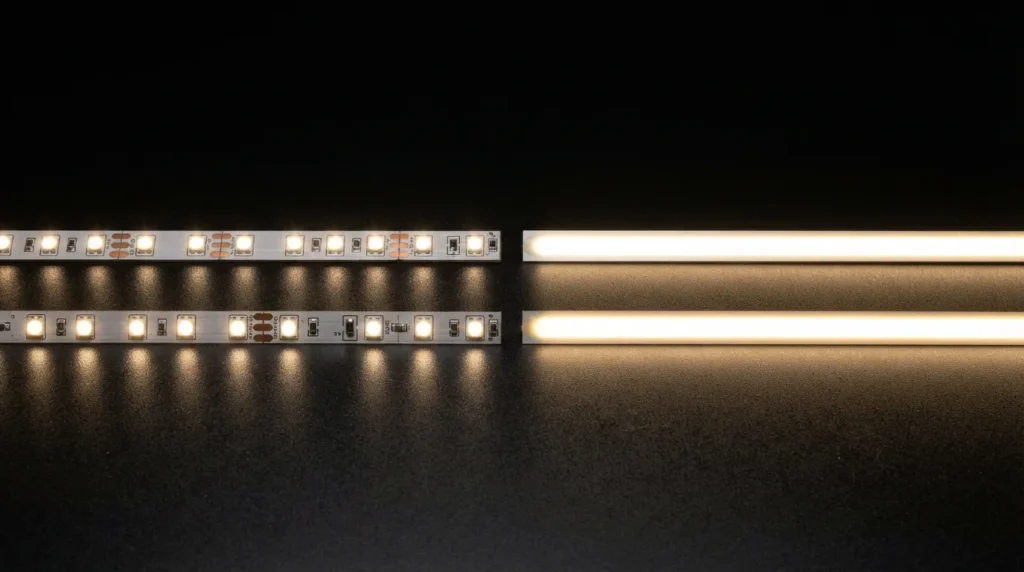
They cost more than basic strips, but the upgrade in look is real.
RGB and Addressable LED Strips
RGB strips change color through a remote or app. Addressable strips go further, letting each individual LED show a different color at once. This is what creates those color-wave and gradient effects you see in gaming setups.
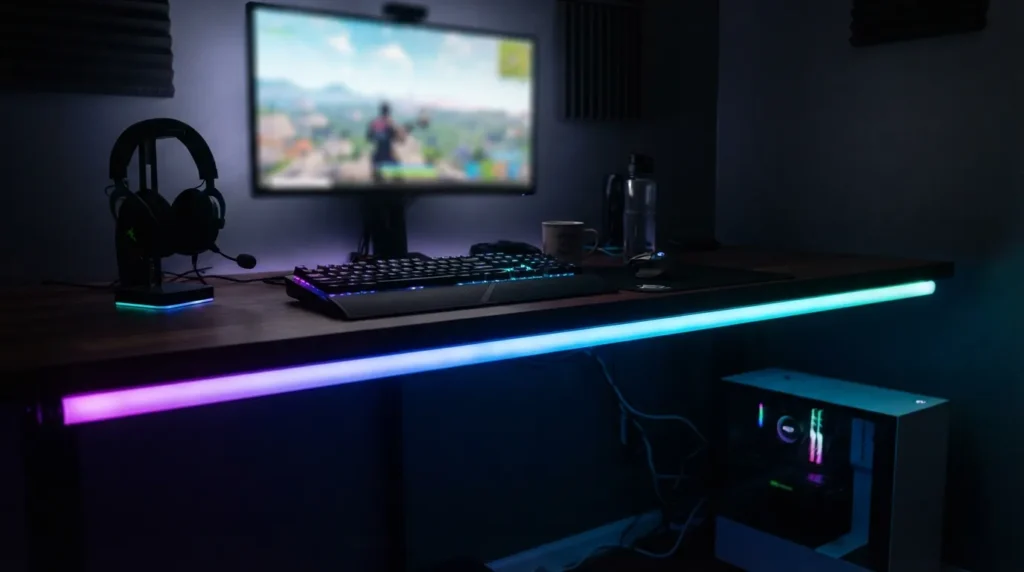
If you want a bedroom that doubles as a streaming or gaming space, this is your entity to know.
How to Choose the Right Color Temperature
Color temperature is measured in Kelvin (K). The lower the number, the warmer and more orange the light looks. The higher the number, the cooler and bluer it looks.
- 2700K to 3000K: Warm white. Best for bedrooms, relaxing, and winding down.
- 3500K to 4500K: Neutral white. Good for closets or dressing areas where you need clarity without harshness.
- 5000K and above: Cool white or daylight. Too sharp for most bedrooms, but useful for a small reading or work corner.
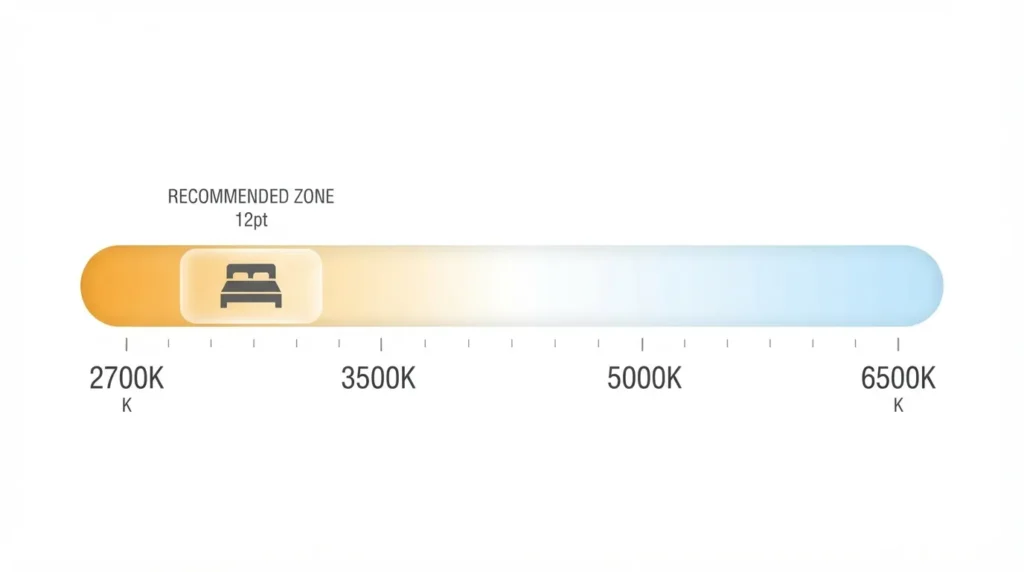
The Sleep Foundation notes that red and amber tones cause the least disruption to your circadian rhythm, since your brain doesn’t read them as a wakefulness signal the way it reads blue light. If you want your led lights for bedroom setup to actually help you sleep, keep the main light source under 3000K after sunset.
Tunable white strips let you shift color temperature through the day. Cooler in the morning. Warmer at night. This kind of flexibility is one reason tunable strips are worth the extra cost for anyone serious about led lights for bedroom use.
Best LED Lights for Bedroom by Who You Are
Most guides treat every bedroom the same. Yours isn’t. Here’s what actually fits your situation.
Renter Friendly LED Lights for Bedroom Setups
You don’t need to drill holes to get great lighting. Adhesive strip lights and fairy lights work on most painted walls without leaving marks, as long as you follow a few rules.
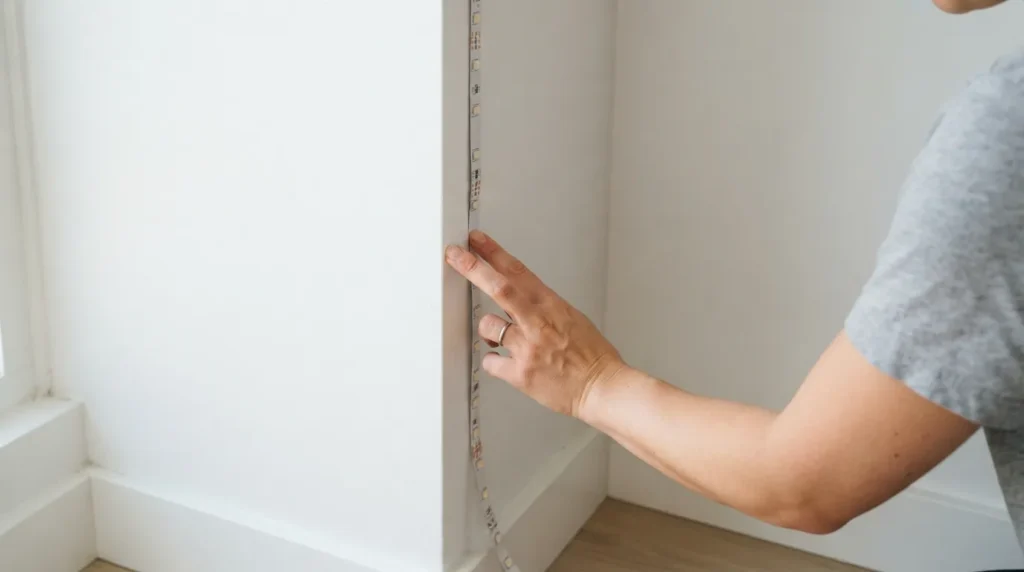
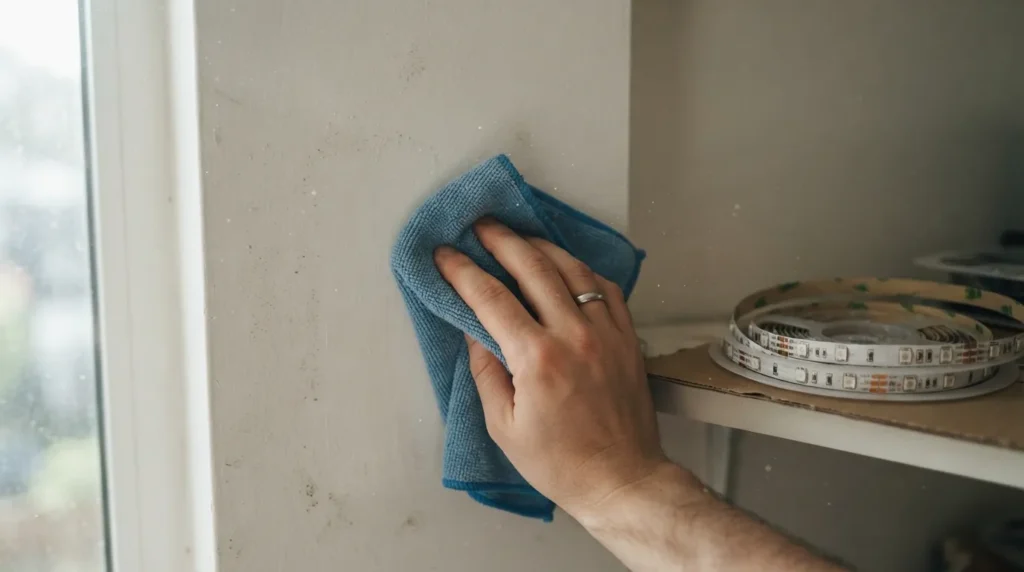
Clean the wall first. Dust and oil weaken the adhesive. Avoid textured or freshly painted walls, since the strip may not stick well or could pull off paint when removed. Command strips or tension rods are safer than heavy-duty adhesive if you plan to move soon.
Battery powered or USB strips also skip the need for a nearby outlet, which matters in older apartments with limited plugs.
For Gamers and Streamers
RGB strips with app or voice control are the standard here. Look for strips that sync with music or in-game audio for a more immersive setup. Brands like Govee and Philips Hue offer software that syncs lighting to whatever is on your screen, which fits naturally into a broader smart home ecosystem if you’re already using connected devices.
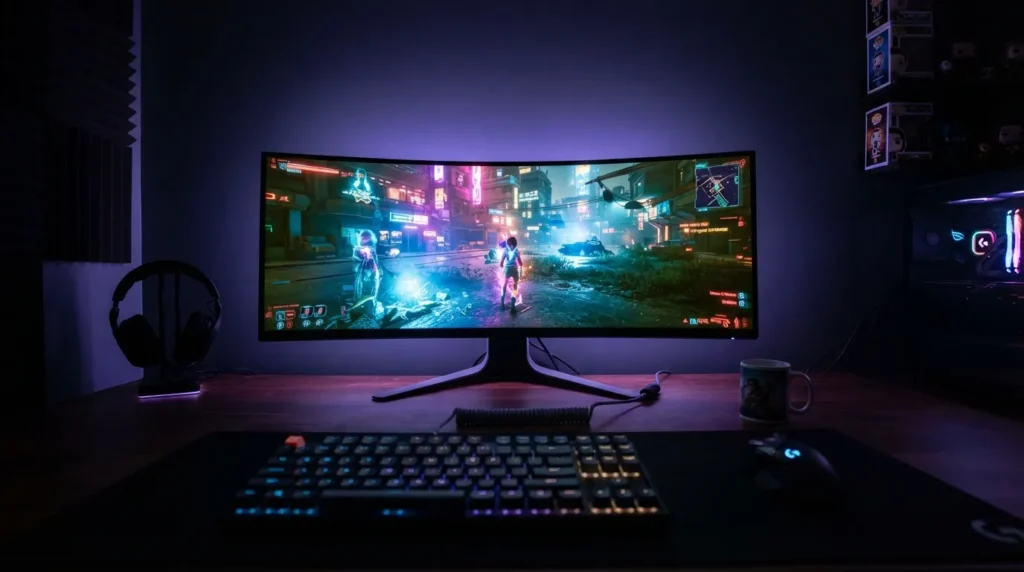
Place strips behind your monitor or desk for bias lighting. This reduces eye strain during long sessions by softening the contrast between a bright screen and a dark room.
For a Cozy, Aesthetic Bedroom
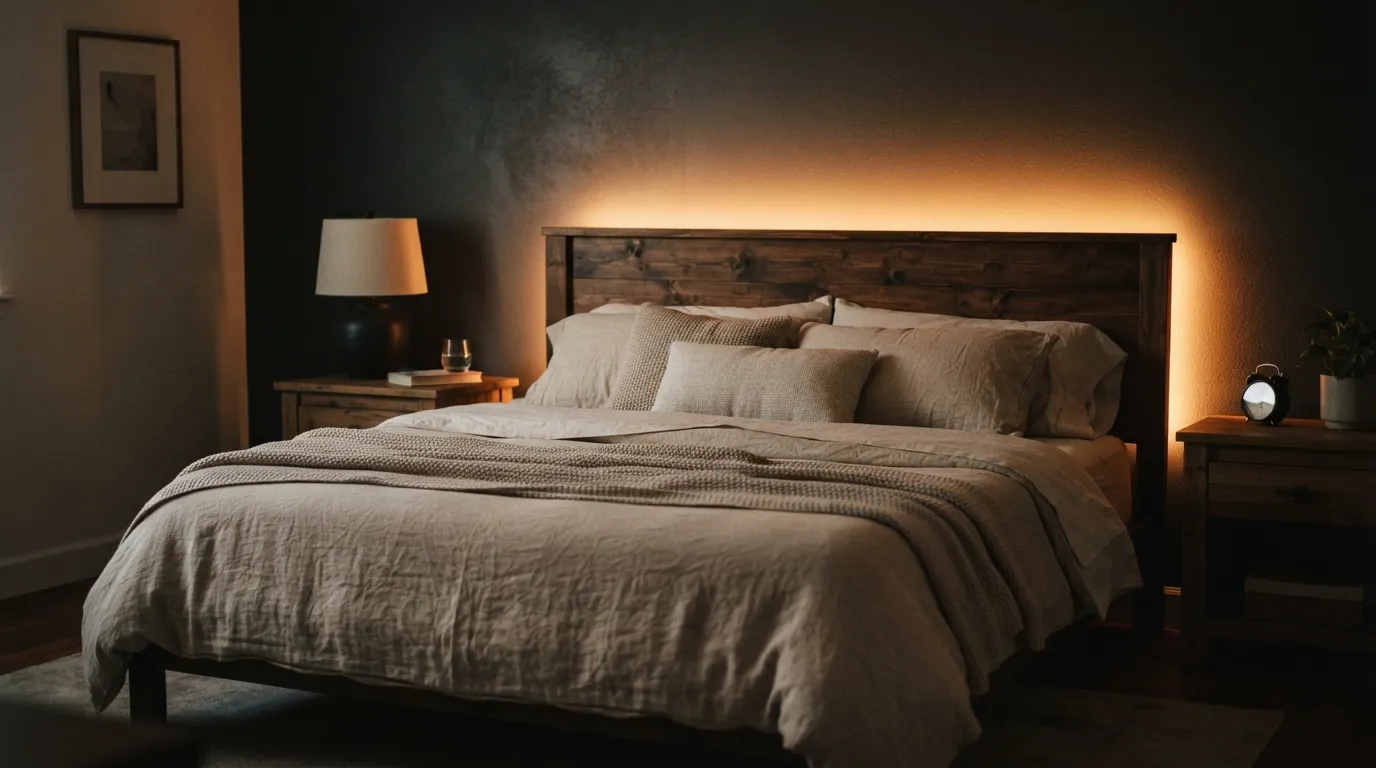
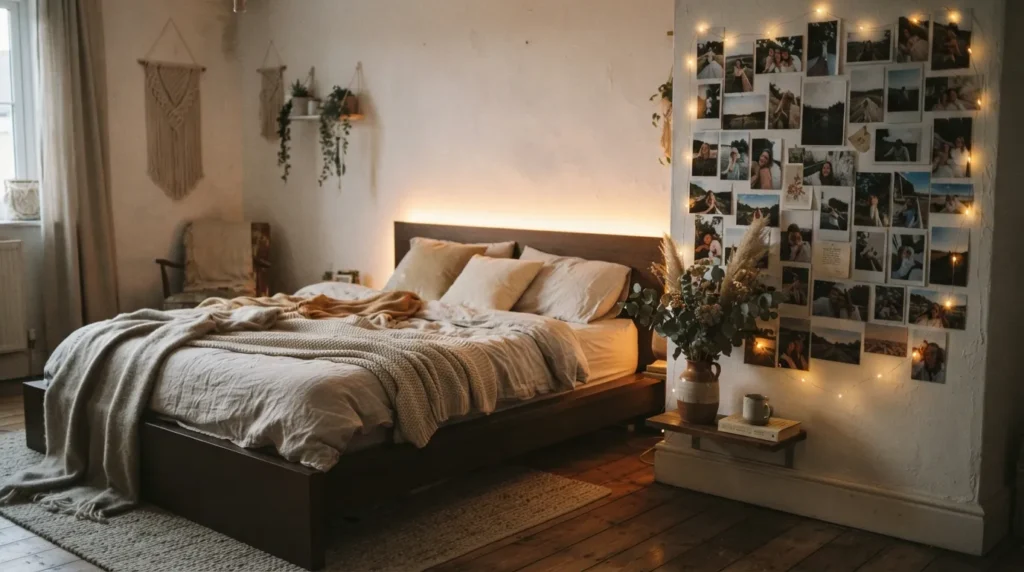
Warm white or amber strips behind the headboard create the softest, most relaxing glow. Layer in fairy lights around a mirror or photo wall for texture. Keep the color palette simple. Two tones, not five, usually looks more intentional and less cluttered.
For Practical, Function First Bedrooms
If you read in bed or need a real workspace, decoration lighting alone won’t cut it. Add a focused desk lamp or a brighter task light near your reading spot. Use decorative LED lights for ambiance, and a dedicated lamp for actual visibility.

For Gift Buyers
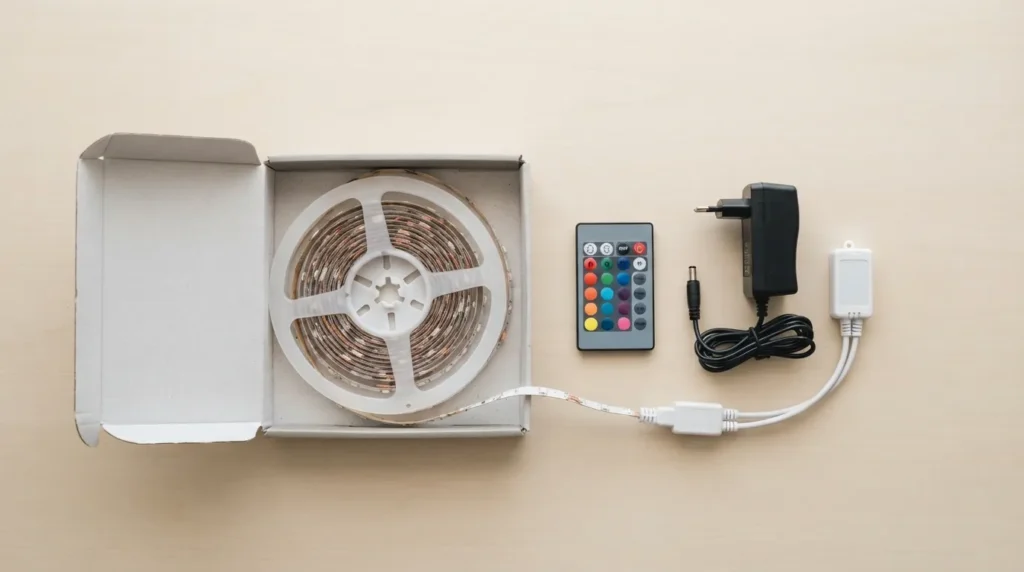
If you’re buying for someone else, especially a teen or young adult, pick something plug and play. Look for strips that come with the adapter, remote, and adhesive already included. Avoid strips that require soldering or extra wiring. A simple RGB strip with a remote is nearly impossible to set up wrong, which makes it a safe gift choice.
Where to Place LED Lights in a Bedroom
Placement changes the entire effect. Choosing the right spot for led lights for bedroom accents matters more than the strip itself. Here’s where it works best, and how to install it right.
Behind the Headboard
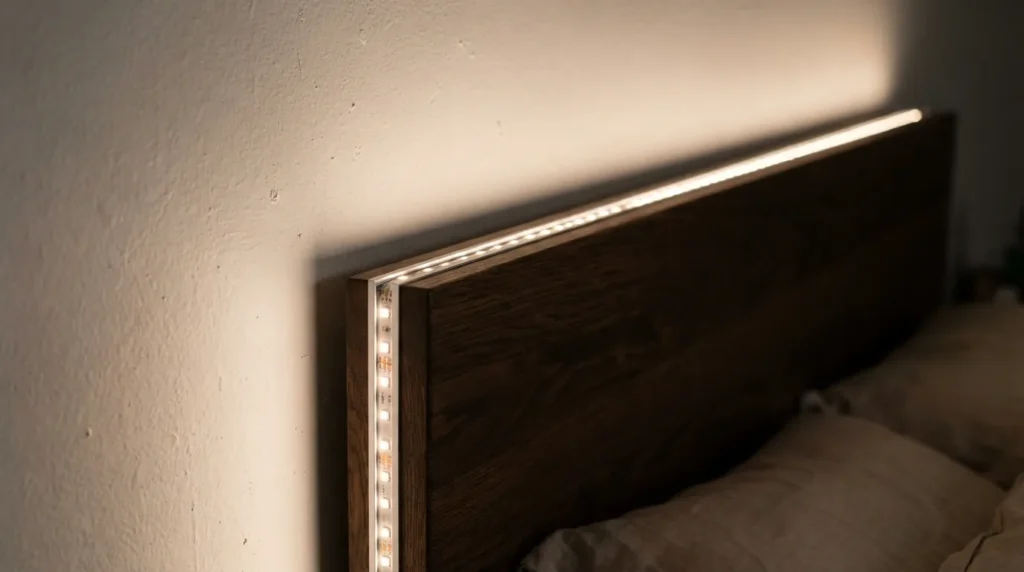
This is the single most popular placement, and for good reason. It creates a soft backlight that frames your bed without glare. Stick the strip along the top edge of the headboard, facing the wall, so the light bounces rather than shines directly at you.
Ceiling and Cove Lighting
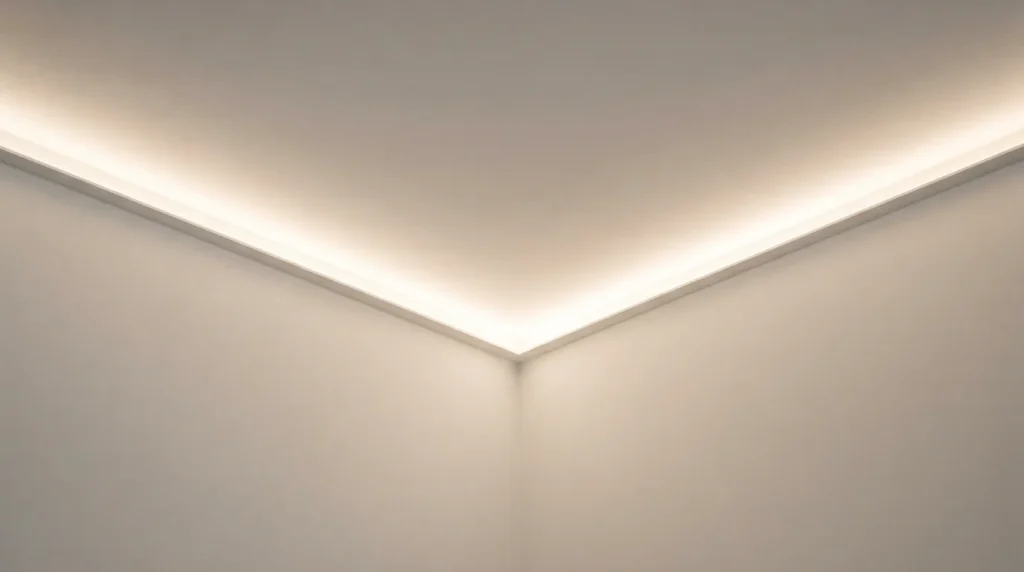
Running strips around the ceiling perimeter, hidden behind a small lip or trim, creates what’s called cove lighting. It’s indirect, so there’s no harsh glare. This is one of the most requested looks for a cozy atmosphere, since the light spreads evenly without a visible source. If your bedroom has a more dramatic ceiling style, cove lighting works even better since it highlights the extra height.
Around the Mirror
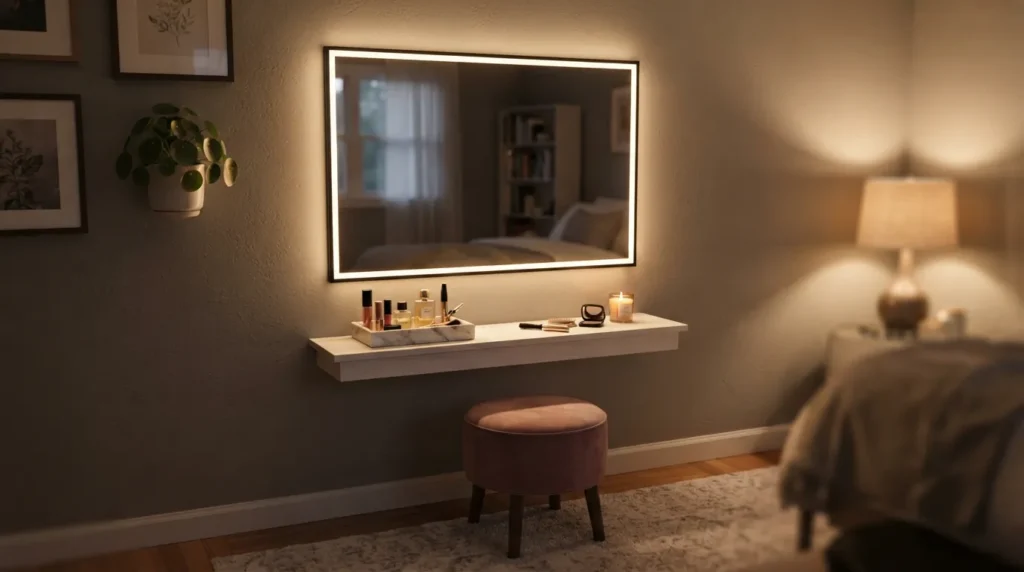
A ring or strip of light around a mirror gives even, flattering illumination. Warm white works best here. Cool white can wash out skin tone.
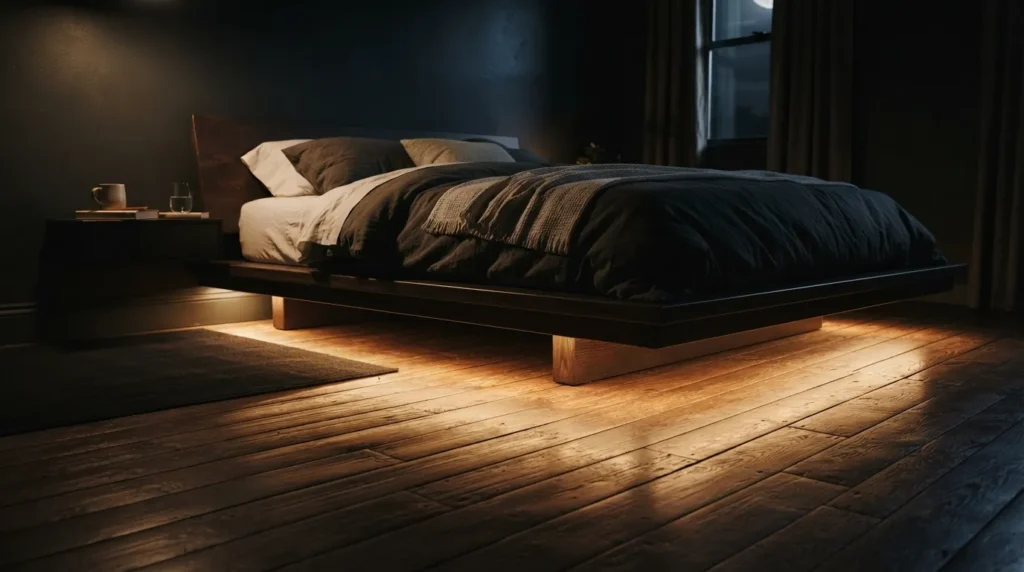
Under the Bed
Strips along the underside of the bed frame create a floating effect. It’s a small detail that makes a big visual difference, especially in low light.
Behind the TV
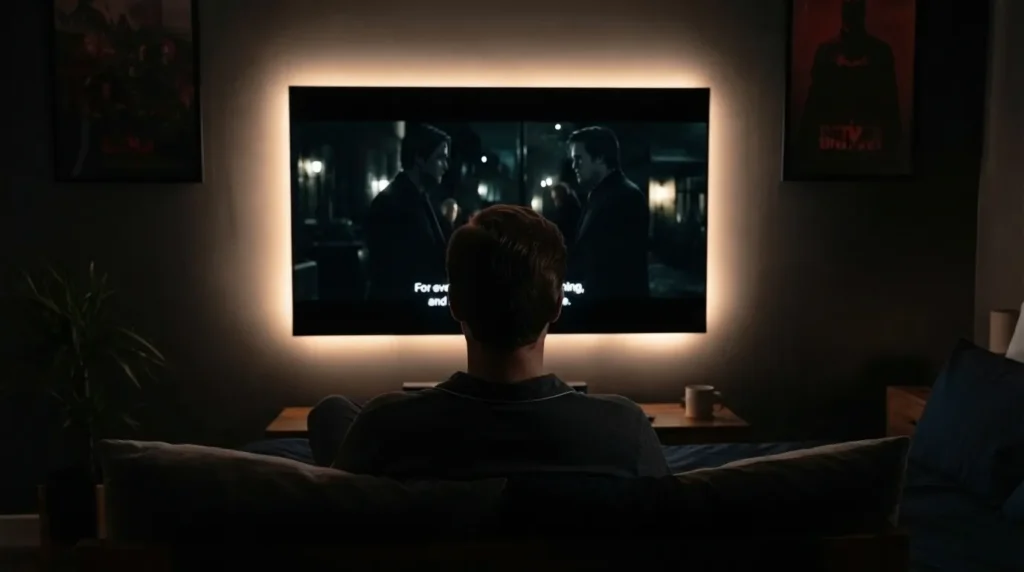
If your bedroom has a TV, a strip behind it softens the contrast between the bright screen and dark wall. This reduces eye strain during nighttime viewing.
Small Bedroom Considerations
In smaller rooms, avoid covering every wall. Choosing the right led lights for bedroom corners over full walls makes the biggest difference in tight spaces. One or two accent points, like the headboard and one shelf, keep the room from feeling cluttered. A single warm strip paired with a mirror to bounce the glow can make a small bedroom feel noticeably larger.
Comparison Table: Strip Lights, Fairy Lights, and COB Options
Use this table to compare led lights for bedroom options side by side before you buy.
| Type | Best Color Temp | Power Source | Smart Control | Price Range | Best For |
| Basic warm strip | 2700K-3000K | Plug or USB | No | Budget | Renters, simple accent |
| RGB smart strip | Tunable | Plug | App and voice | Mid-range | Gamers, mood lighting |
| COB premium strip | 2700K-3500K | Plug | Remote or app | Higher | Aesthetic upgrade |
| Fairy lights | Warm | USB or battery | No | Budget | Mirrors, curtains, renters |
How to Safely Install LED Lights for Bedroom Use
Good lighting should never come at the cost of safety. A few rules matter more than most buying guides admit.
Measure Before You Buy
Measure the exact length you need before ordering. Guessing leads to gaps or wasted product. Measure the headboard width, ceiling perimeter, or shelf length with a tape measure, not by eye.
Check the Power Source
Plug-in strips work best for permanent setups. USB strips are flexible but often dimmer. Battery powered options skip cords entirely, which helps in rooms with few outlets, but batteries need regular replacing.
Avoid Overloaded Outlets
The Electrical Safety Foundation International warns that overloaded circuits are a leading cause of home fires. Plug strip lights directly into a wall outlet when possible. Avoid daisy-chaining multiple power strips together, since that practice can overload a single outlet and create a real fire risk.
The U.S. Consumer Product Safety Commission has also flagged extension cords as a common fire source when overused or damaged. If your LED strip needs an extension cord, check that the cord isn’t cracked, pinched under furniture, or rated below the strip’s power draw.
Check for Waterproof Ratings Only If You Need Them
Standard bedroom strips don’t need a waterproof rating. If you’re placing lights near a humidifier, fish tank, or window with condensation, look for an IP65 rating or higher. Anything less isn’t built for moisture.
Smart Control Options
Most bedroom LED setups today offer more than an on-off switch. Smart features have become standard across most led lights for bedroom products, even budget ones.
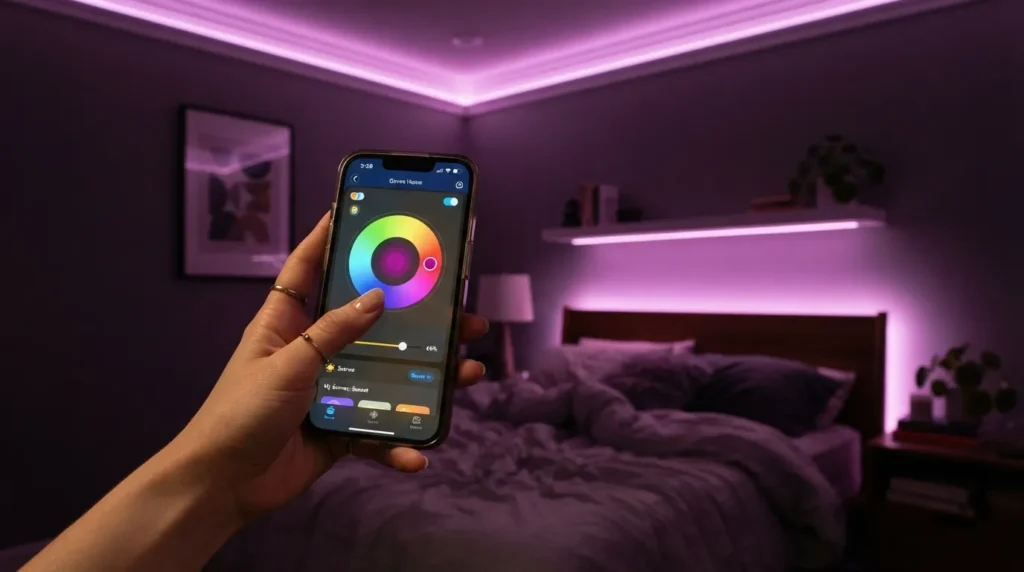
Remote control is the simplest option. Point and click to change color or brightness.
App control through Govee, Philips Hue, or similar platforms lets you schedule lighting, sync colors, and control everything from your phone.
Voice control connects to Alexa or Google Home, so you can dim lights without reaching for a switch.
Music sync reacts to sound in real time, which is popular for gaming rooms or parties, though it’s less useful for a calm, sleep-focused bedroom.
Energy Efficiency: What the Numbers Actually Show
LED lights use far less power than older bulbs. This is one more reason led lights for bedroom use make sense over older bulb types. The U.S. Department of Energy states that LED bulbs use at least 75 percent less energy than incandescent bulbs for the same brightness. For a strip running a few hours each night, that difference shows up on your power bill within a few months, and it also means less heat near fabric like curtains or a headboard cover.
Common Mistakes to Avoid
Buyers repeat the same few errors when shopping for led lights for bedroom use.
Choosing the wrong color temperature is the biggest one. Cool white in a bedroom often looks clinical, not calming. Skipping measurements leads to buying too little or too much strip. Weak adhesive on a humid or textured wall causes strips to fall within weeks. Cheap power adapters can overheat. And using too many colors in one room usually looks messy instead of stylish.
How Much Do These Lights Cost?
Prices for led lights for bedroom setups vary by type, length, and features.
Budget tier: Basic warm white strips and fairy lights. Good for small rooms or first-time buyers testing the look.
Mid-range tier: RGB strips with remote or app control. This is where most gamers and aesthetic buyers land.
Premium tier: COB strips or smart ecosystems with voice control and music sync. Best diode density and smoothest glow.
A higher price usually means better adhesive, denser diodes, and a more reliable app. Cheap strips often lose brightness or stop working within months.
As a rough guide, basic strips and fairy lights typically run in the low range, RGB strips with app control sit in the middle, and COB or full smart ecosystem kits land at the top. Length affects price directly, so always calculate cost per foot or per meter when comparing brands, not just the sticker price on the box.
Frequently Asked Questions
Which color LED light is best for a bedroom?
Warm white light between 2700K and 3000K works best for led lights for bedroom use. It matches the natural glow of sunset and causes less disruption to melatonin than cool white or blue light, according to the Sleep Foundation.
Are LED lights safe to use in a bedroom instead of traditional lights?
Yes. LED lights run cooler than incandescent bulbs and use far less energy, which lowers fire risk from overheating. The U.S. Department of Energy reports LED bulbs use at least 75 percent less energy than incandescent bulbs.
Are LED lights safe to put on a bedroom ceiling?
Yes, as long as the strip is rated for indoor use and installed away from moisture. Avoid overloading the power source, and never leave a damaged or fraying strip connected.
What are the best LED lights for a small bedroom?
Single-tone warm white strips work best in small rooms. Stick to one or two placement points, like the headboard and a shelf, instead of covering every wall, which can make a small room feel cluttered.
What’s the difference between RGB and COB LED strips?
RGB strips change color and are ideal for mood lighting or gaming setups. COB strips pack diodes tightly for a smooth, continuous glow, better suited to a premium, understated look.
What are some of the best dimmable LED lights for a bedroom?
Look for strips with a dedicated dimmer or app-based brightness control rather than a fixed on-off switch. Tunable white strips that adjust both brightness and color temperature give the most flexibility for a bedroom.
Can I install LED lights in a rental without damaging the walls?
Yes. Adhesive strips and fairy lights work on most painted walls if you clean the surface first and avoid textured or freshly painted areas. Removable clips or tension rods are safer options if you plan to move soon.
Final Verdict: Which LED Lights Should You Actually Buy
If you’re a renter, start with adhesive-only warm white strips or fairy lights. No drilling, no risk to your deposit.
If you’re a gamer, go with RGB strips that offer app and music sync control, placed behind your monitor or desk.
If you want the coziest bedroom possible, stick with warm white or COB strips behind the headboard, kept under 3000K.
If you need real function, pair decorative lighting with a dedicated task lamp instead of relying on strips alone.
Whatever you choose, the right led lights for bedroom use come down to matching the light to how you actually live in the room, not just how it looks in a photo.

About HomeFixStyle
HomeFixStyle is a home improvement blog dedicated to helping readers create better, more comfortable, and stylish homes. We share practical ideas, helpful guides, home decor inspiration, renovation tips, and simple solutions for everyday home projects. Our goal is to make home improvement easier to understand and apply, whether you are updating one room or improving your entire home.