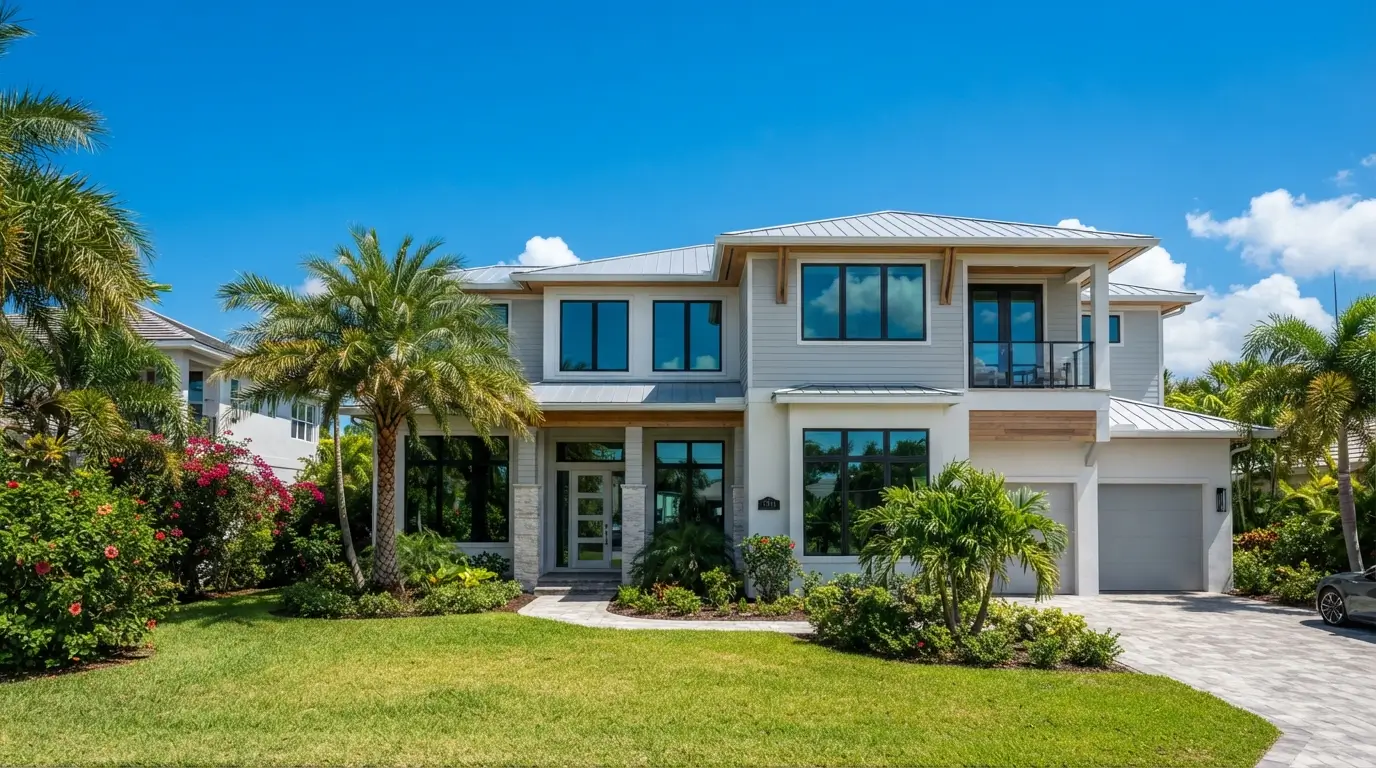
Hurricane impact windows use laminated glass with a strong inner layer and a reinforced frame. They resist flying debris in a storm. The glass can crack, but it stays in one piece. This keeps wind and rain out of your home.
What This Guide Covers
Hurricane impact windows protect your home from storm damage. They also cut noise, block UV rays, and can lower your insurance bill. But they cost more upfront, and they are not perfect. This guide walks through what impact windows are, what they cost, how they compare to shutters, what your local code requires, and how to check if the windows you already have are impact rated. By the end, you will know if hurricane impact windows are the right fit for your home.
What Are Hurricane Impact Windows?
Hurricane impact windows are windows built to survive a direct hit from flying debris. A tree branch, a roof tile, or a piece of fence can move fast in high wind. Standard glass shatters on impact. Impact glass does not.
That difference comes down to how the glass is made.
How They’re Built: Laminated Glass, PVB Interlayer and Reinforced Frames
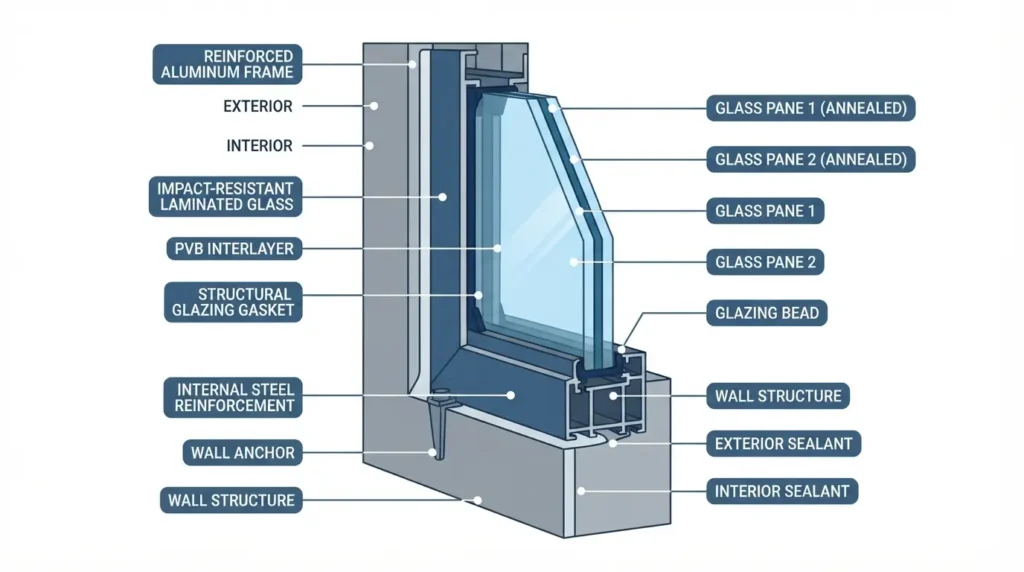
Impact windows use two or three layers of glass. Between the layers sits a tough plastic sheet called a PVB interlayer, short for polyvinyl butyral. Some brands use a similar material called EVA instead.
When debris hits the glass, the outer layer can crack. But the PVB layer holds the broken pieces in place. The window stays whole. Wind and rain stay outside.
The frame matters just as much as the glass. Impact windows use heavier, reinforced frames. These frames are built to hold the glass firmly during high wind pressure, not just a single impact.
Manufacturers also test the whole window, not just the glass. A common test fires a piece of lumber at the window at high speed, then cycles the window through thousands of rounds of wind pressure to check the seal holds. This second step matters. A window that survives one hit but fails after repeated pressure would still let a storm inside.
Hurricane Windows vs. Impact Windows: Is There Actually a Difference?
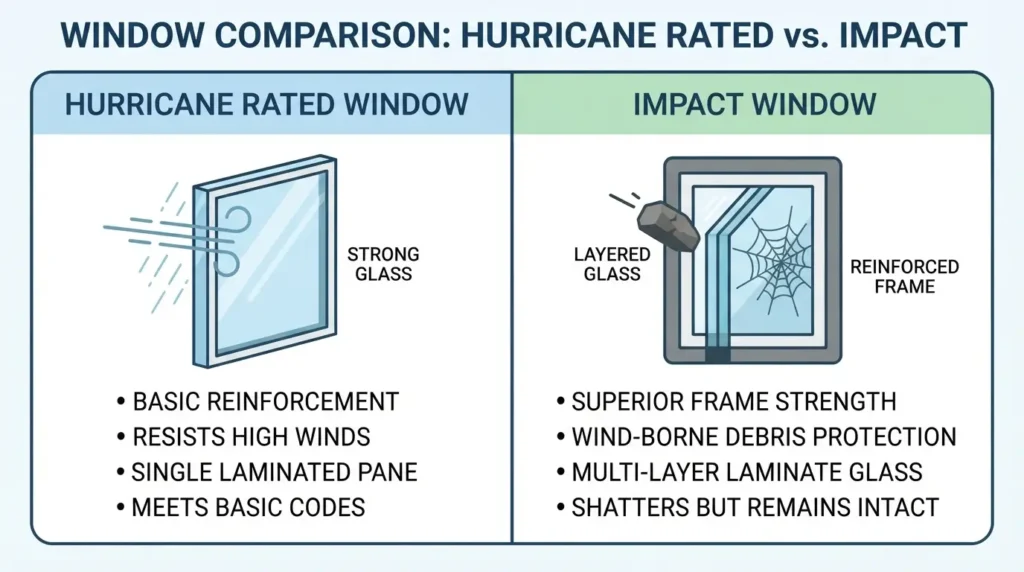
Many sales reps use “hurricane windows” and “impact windows” as if they mean the same thing. In practice, they often do not.
There is no official product called a “hurricane window.” Some companies use that label loosely, even for windows that are not impact rated. A window can be rated to handle high wind speeds without being able to survive a direct hit from debris.
This is why the term causes confusion. A salesperson might say a window is “hurricane rated” when it is really just a strong standard window, not a true impact product.
If you hear the term “hurricane windows,” ask a direct question: is this glass impact resistant, and can you show me the certification? The answer should be a clear yes, backed by a real test number, not just a marketing label.
Do Hurricane Impact Windows Really Work?
Yes, hurricane impact windows work, but not in the way most people expect.
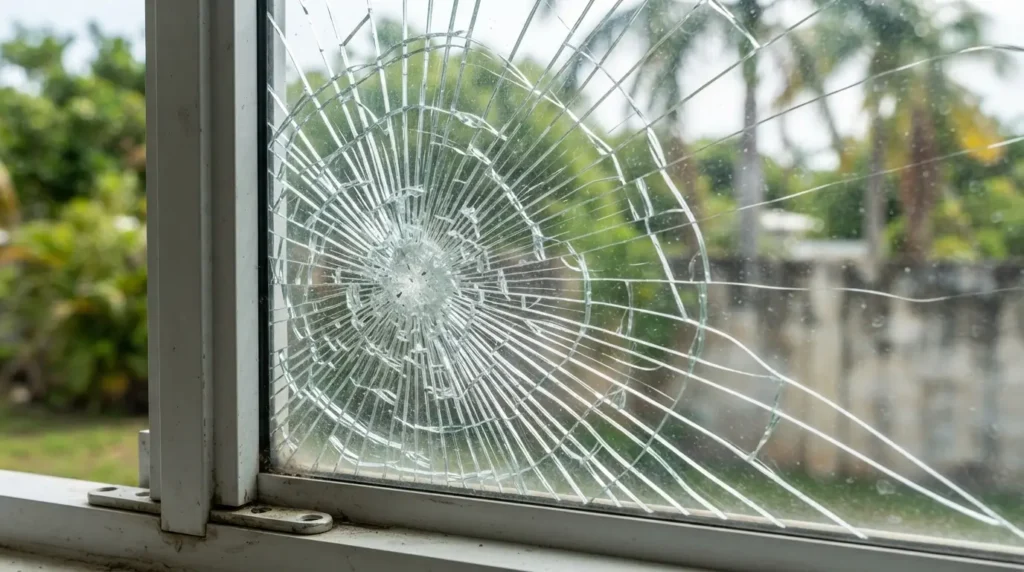
They are not designed to stay perfectly untouched during a storm. Glass can still crack. What matters is whether the window stays in one piece after it cracks.
What “Working” Actually Means
A cracked impact window that stays sealed has done its job. It kept wind and rain out. It stopped a hole from opening in your home’s outer wall.
Compare that to a standard window. Once it shatters, wind rushes inside. Pressure builds. That pressure can lift a roof or blow out other windows from the inside. This is one reason impact windows matter even in a home with a strong roof.
The Myth of “Hurricane Proof” Windows
Search terms like “hurricane proof windows” and “storm proof windows” are common, but no window is truly proof against every storm. A strong enough impact, at the right angle, in a severe enough storm, can still cause damage.
What impact windows actually offer is a much higher level of resistance than standard glass. Think of it as strong protection, not an unbreakable shield.
The Benefits of Impact Windows
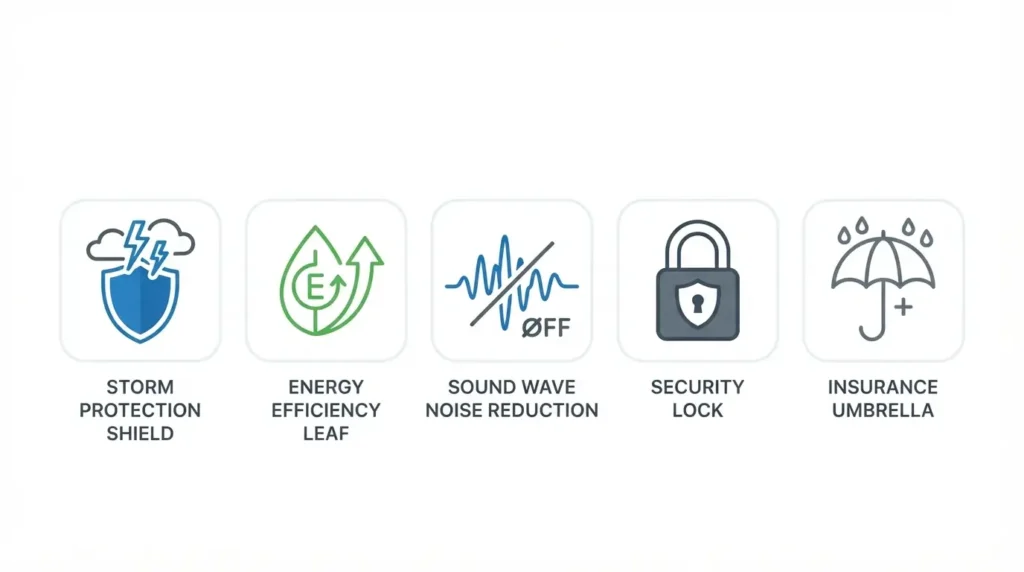
The benefits of impact windows go beyond storm protection, which is why many homeowners install them even outside hurricane season.
Storm and Wind-Borne Debris Protection
This is the main reason people buy impact windows. They lower the risk of a storm opening your home to wind and water.
Energy Efficiency and Low-E Coating
The layered glass in impact windows blocks more heat than a single pane. Many models also use a Low-E, or low-emittance, coating. This coating reflects heat away in summer and holds heat in during winter. Lower energy use often means a lower power bill.
Noise Reduction
The extra glass layers muffle sound. Homes near busy roads or airports often notice a real drop in outside noise after installation.
Enhanced Home Security
Impact glass resists more than storms. It also resists forced entry. Most impact windows pair with multi-point locking systems that secure the frame in several spots, not just one. This makes windows a harder target for break-ins.
Homeowners Insurance Discounts
Many insurers offer a windstorm mitigation credit for homes with certified impact windows. The exact discount depends on your insurer, your location, and how much of your home is protected. Ask your agent directly and bring your window’s certification number. This single conversation can save you money every year, not just during a storm.
The Negatives of Impact Windows
No product is perfect, and impact windows have real drawbacks. Being upfront about the negatives of impact windows is part of making a smart choice.
Higher Upfront Cost
Impact windows cost more than standard replacement windows. For many homeowners, this is the biggest barrier.
They Can Still Crack
Impact glass is not invincible. A hard enough hit will still crack the outer layer. The window stays sealed, but you may need to replace the glass after a major storm.
Professional Installation Is Required
A poor install can weaken even the best window. Impact windows need a tight, correct fit to perform as tested. This is not a simple do-it-yourself project for most homeowners.
Not a Full Storm Plan on Their Own
Impact windows protect your windows and doors. They do not replace flood insurance, a strong roof, or a full hurricane plan. Think of them as one strong layer in a bigger plan, not the whole plan.
How Much Do Hurricane Impact Windows Cost?
Cost is one of the first questions most homeowners ask, and for good reason.
Average Cost Per Window
Pricing varies by region and supplier, but many homeowners pay somewhere between $800 and $1,500 per window installed. A full home project, covering ten to twenty windows, often lands in the range of $10,000 to $30,000. Get a written quote from a local installer for an exact number, since your home’s size and window count change the total fast.
What Affects the Price
A few factors move the price up or down.
Design pressure rating, often shortened to DP rating, measures how much wind pressure and force a window can handle. A higher DP rating usually costs more.
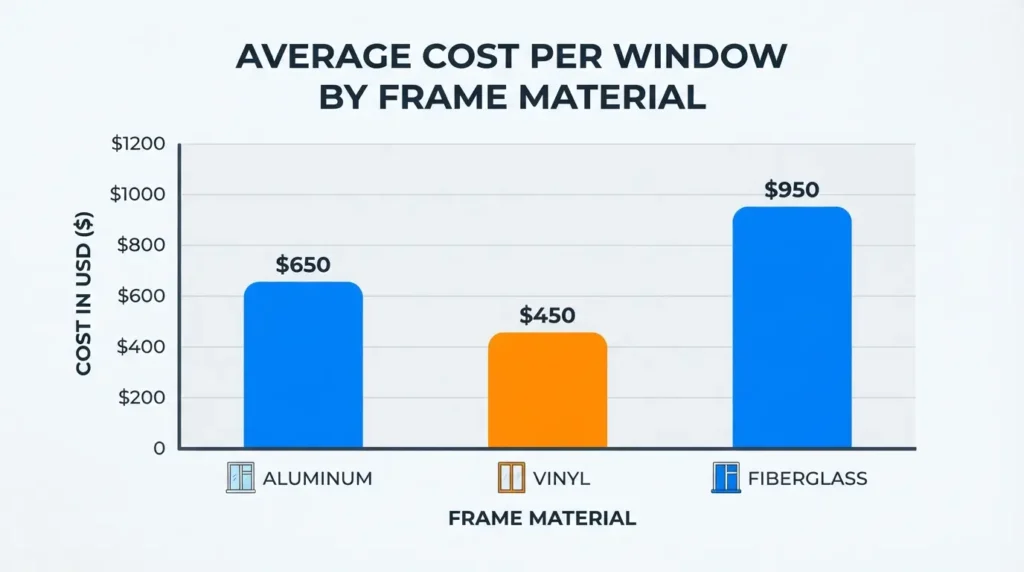
Frame material also matters. Aluminum, vinyl, and fiberglass frames each carry different price points.
Window size and shape affect cost too. Large or custom-shaped windows cost more than standard sizes.
Brand and glass thickness round out the list. Thicker glass and premium brands sit at the higher end.
Financing Options
Many window companies offer financing plans, including short-term zero-interest options. If cost is the main barrier, ask your installer about payment plans before ruling out impact windows completely.
Hurricane Impact Windows vs. Other Storm Protection Options
Impact windows are not the only way to protect your home. Shutters, panels, and plywood are common alternatives.
Impact Windows vs. Hurricane Shutters
Shutters cost less upfront but require setup before every storm. Impact windows stay in place year-round with no extra work.
Impact Windows vs. Storm Panels
Storm panels offer strong protection at a lower price than impact glass. But they must be installed before a storm and stored the rest of the year. They also block natural light while in place.
Impact Windows vs. Plywood
Plywood is the cheapest option, but it is also the least reliable. It takes time to cut, fit, and install correctly. It offers no year-round benefit like noise reduction or energy savings.
| Option | Upfront Cost | Protection Level | Convenience | Year-Round Use |
| Impact Windows | Highest | Strong | No setup needed | Yes |
| Hurricane Shutters | Medium | Strong when installed | Manual setup each storm | No |
| Storm Panels | Lower | Strong when installed | Manual setup, storage needed | No |
| Plywood | Lowest | Weakest | Labor heavy, one-time use | No |
Do I Need Hurricane Shutters If I Already Have Impact Windows?
In most cases, no. Impact windows are built to handle the same threats shutters guard against. Adding shutters on top is usually not required, though some homeowners in extreme coastal zones choose the extra layer for peace of mind. Check your local code and insurance policy to confirm what applies to your home.
Building Codes and Compliance: What You Need to Know
Local building codes shape what kind of protection your home actually needs.
Florida Building Code and High-Velocity Hurricane Zones
Florida has some of the strictest window codes in the country. Homes in a High-Velocity Hurricane Zone, often shortened to HVHZ, face tighter rules than homes outside that zone. Miami-Dade and Broward counties fall inside the HVHZ.
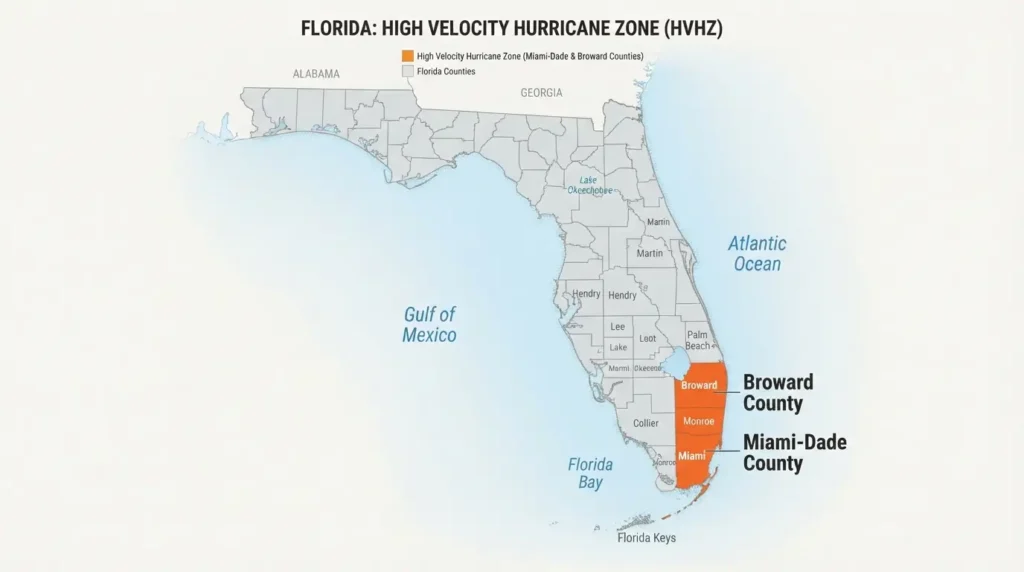
Miami-Dade NOA Explained
Products sold as impact rated in Miami-Dade County need a Notice of Acceptance, or NOA. This document confirms the product passed local testing and meets code. Ask your installer to show the NOA number for any product you are considering.
Testing Standards in Plain English
Two standards come up often in this industry. ASTM E1996 covers how well a window resists impact from flying debris. ASTM E1886 covers how the window performs under repeated wind pressure. Together, these two tests confirm a window can survive both the hit and the storm that follows it.
How to Tell If Your Current Windows Are Already Impact Rated
If you bought a home with existing windows, you may not know what you already have.
The Flashlight Test
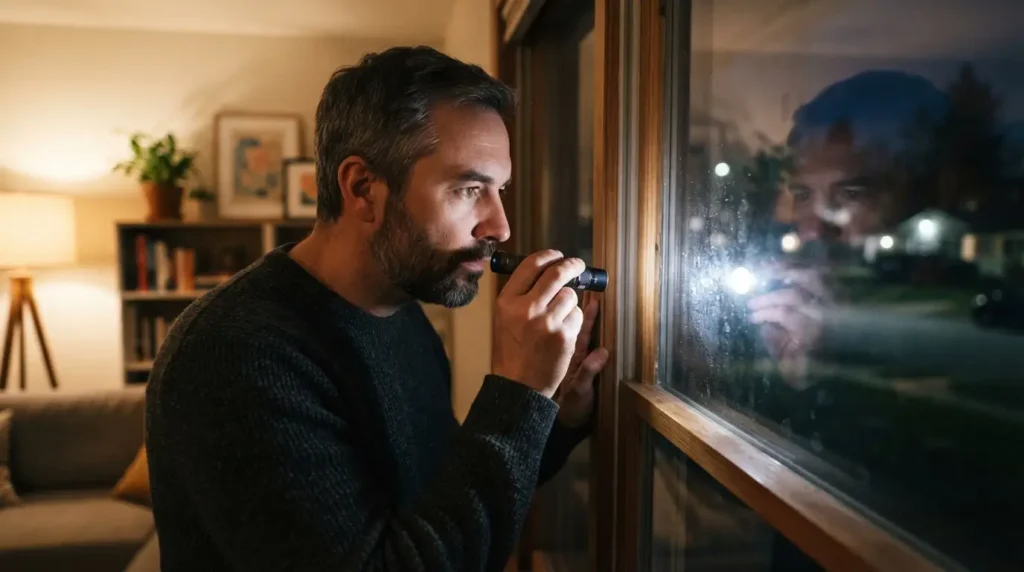
Shine a flashlight at the glass at night. Standard double-pane glass shows two reflections. Impact glass, with its extra layer, usually shows three.
The Knuckle Knock Test
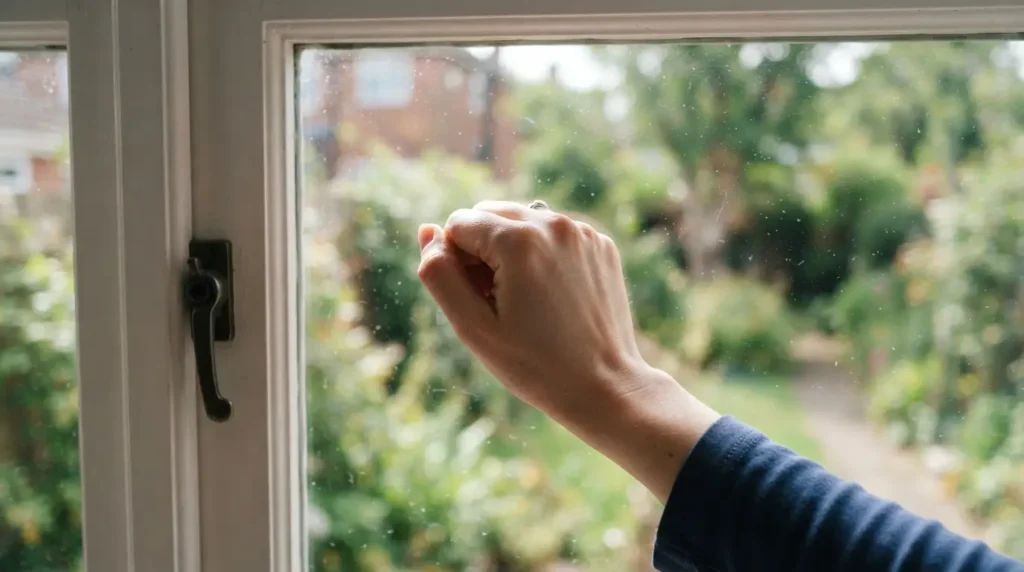
Knock on the inside of the glass. Impact glass tends to sound solid and dense. Standard glass sounds thinner and lighter.
Check for a Label or Etching
Many impact windows carry a small etched mark or sticker in one corner listing the manufacturer and certification. Check each corner before assuming a window is not rated.
The Installation Process: What to Expect
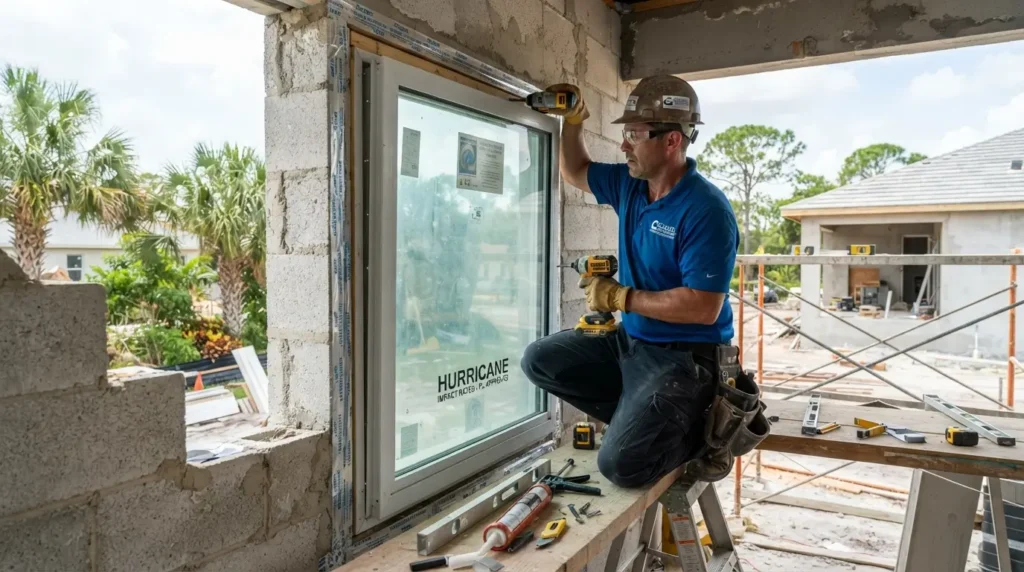
Installing hurricane impact windows follows a clear sequence.
First, an installer takes exact measurements of each window opening. Second, the old windows come out and the opening gets prepped and cleaned. Third, the new impact window goes in and gets sealed with fasteners and weatherproof caulking. Finally, an inspector checks the work against local code before the job closes out.
A full home project usually takes one to three days, depending on how many windows you are replacing.
Maintaining Your Impact Windows for Long-Term Durability
Impact windows need less upkeep than most people expect.
Clean the glass with mild soap and water. Skip harsh or abrasive cleaners, since they can scratch the surface over time.
Check the seals and weather stripping once or twice a year. Replace any seal that looks worn or cracked. A small gap in the seal can let water in during a storm.
Lubricate hinges and locks occasionally to keep them moving smoothly.
Are Impact Windows Worth It? Who Actually Needs Them
The honest answer depends on where you live and how your home is built.
When Impact Windows Make the Most Sense
Homes in coastal zones, HVHZ areas, or regions with frequent storms benefit the most. If your area sees regular hurricane warnings, the added protection and insurance savings often justify the cost over time.
When a Lighter Option May Be Enough
Homes farther inland, with lower storm risk, may do fine with shutters or panels instead. If your budget is tight and your risk is lower, this can be a smart middle step.
Resale Value
Impact windows are a selling point in storm-prone markets. Buyers in these areas often see certified impact windows as a real value add, not just a nice extra.
Final Thoughts
Hurricane impact windows offer real, tested protection against storm debris. They also cut noise, lower energy bills, and can reduce your insurance cost. They are not perfect, and they cost more upfront than standard windows. But for homes in storm-prone areas, hurricane impact windows are one of the most reliable upgrades you can make. If you are weighing your options, start with a local, in-home quote so you know your exact cost and code requirements before deciding.If you are weighing your options, start with a local, in-home quote so you know your exact cost and code requirements before deciding. For more home improvement guides like this one, explore our full library
Frequently Asked Questions
Are hurricane impact windows worth it?
For most homes in storm-prone areas, yes. The upfront cost is offset by lower insurance premiums, energy savings, and fewer storm repairs over time.
Do impact windows really stop hurricanes?
They do not stop a hurricane, but they stop wind and debris from breaking through your window. This keeps pressure and water out of your home during the storm.
How much do hurricane impact windows cost per window?
Most homeowners pay between $800 and $1,500 per window installed, depending on size, brand, and design pressure rating.
Do impact windows lower homeowners insurance?
In many cases, yes. Insurers often offer a windstorm mitigation credit for certified impact windows. Ask your agent for the exact discount in your area.
Do I need hurricane shutters if I have impact windows?
Usually not. Impact windows already provide the protection shutters are meant to add. Check your local code for any extra requirements in high-risk zones.
Can hurricane impact windows break?
Yes. The outer glass can crack under a hard enough hit. The window still stays sealed, which is what stops wind and water from getting inside.
Are hurricane windows and impact windows the same thing?
Not always. “Hurricane window” is sometimes used loosely for products that are not truly impact rated. Always ask for the specific test certification.
How long do impact windows last?
Most impact windows last twenty to thirty years with proper care and maintenance.
Are impact windows required by Florida building code?
Requirements vary by county and zone. Homes in HVHZ areas like Miami-Dade and Broward face stricter rules than other parts of the state.
Do impact windows block UV rays and reduce noise?
Yes. The laminated layers block a large share of UV rays and cut down outside noise compared to standard glass.
If a storm damages one window, does insurance pay to replace just that one or all matching windows?
This depends on your policy. Some insurers only cover the damaged window. Others include a matching clause that pays to replace windows so they look consistent. Read your policy or ask your agent before a storm hits.
What happens if you open a window during a hurricane?
Opening a window does not equalize pressure and does not protect your home. It lets wind and rain inside, which raises the risk of damage. Keep windows closed and sealed during a storm.

About HomeFixStyle
HomeFixStyle is a home improvement blog dedicated to helping readers create better, more comfortable, and stylish homes. We share practical ideas, helpful guides, home decor inspiration, renovation tips, and simple solutions for everyday home projects. Our goal is to make home improvement easier to understand and apply, whether you are updating one room or improving your entire home.