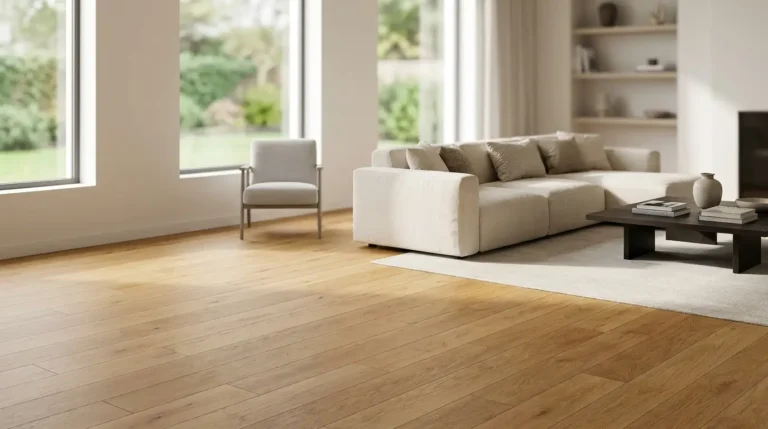

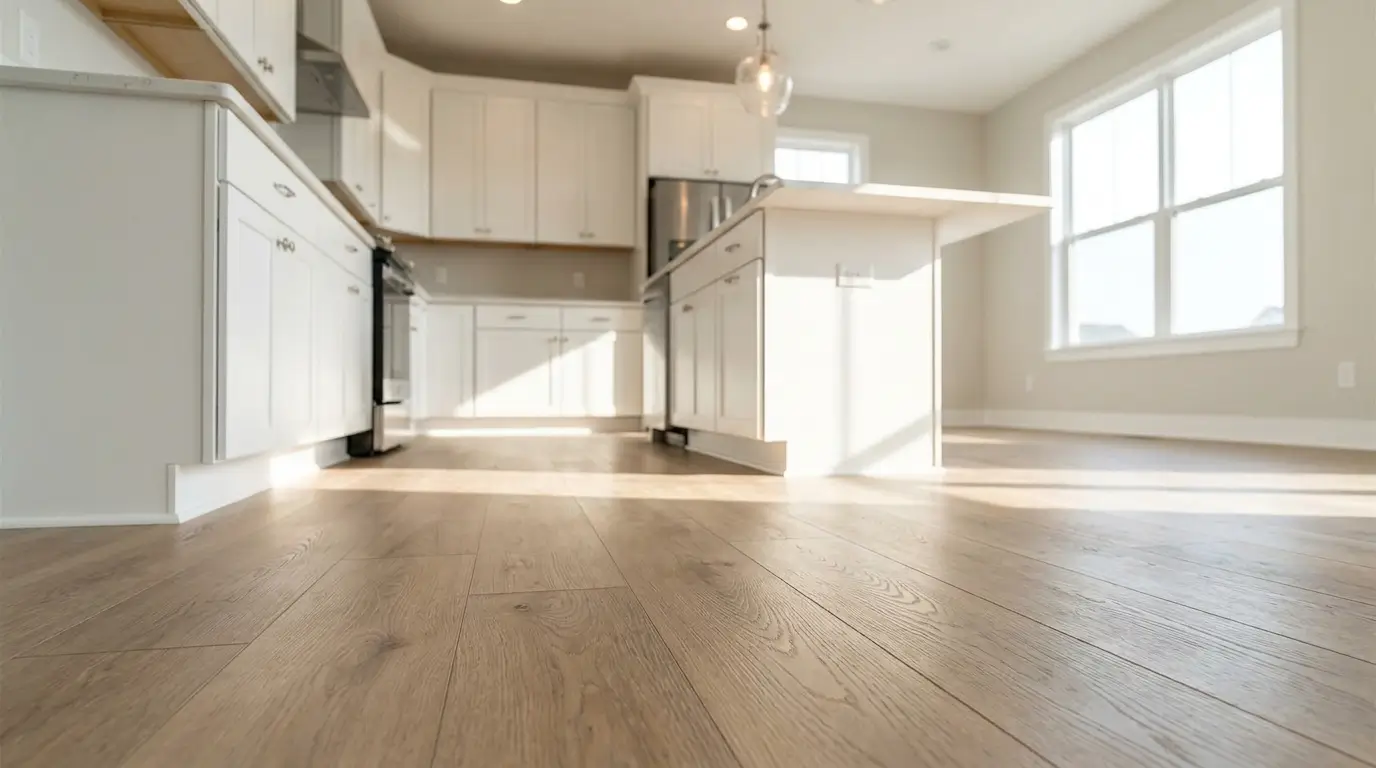
Luxury vinyl plank flooring is a waterproof, wood-look floor made from layered PVC that costs $2 to $7 per square foot for materials, less than hardwood. It handles kids and pets better than laminate. Most homeowners can install it themselves in a weekend. This guide covers real cost per square foot, the different types available, and how durable it actually is. You will also see where it falls short. No floor is perfect, and knowing the trade-offs now saves money later.
What Is Vinyl Plank Flooring
Vinyl plank flooring is a synthetic floor made from PVC. PVC is the same durable plastic used in pipes and window frames. Each plank is built in layers. A rigid or flexible core sits at the bottom. A printed design layer sits above it, giving the plank its wood grain look. A clear wear layer sits on top. This layer protects the design from scratches and stains.
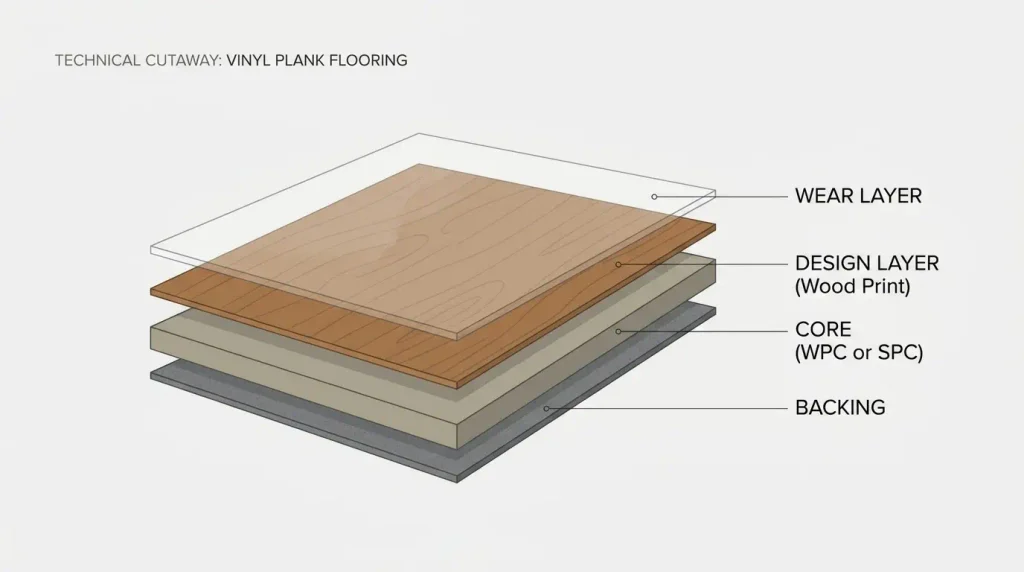
This layered build is why the floor holds up so well in busy homes. It resists water completely, unlike real hardwood. It also costs a fraction of the price. Most homeowners choose it because it looks like wood but behaves like plastic in the best way.
Types of Vinyl Plank Floors
Not all vinyl plank flooring is built the same way. The core material changes how the floor feels underfoot. It also affects how the floor performs in different rooms.
WPC vs. SPC Core
WPC stands for wood plastic composite. This core has tiny air pockets. That makes the floor softer and quieter to walk on. It works well in bedrooms and living rooms.
SPC stands for stone plastic composite. This core is denser and more rigid. It resists temperature swings better. That makes it a stronger choice for basements and sunrooms.
Luxury Vinyl Plank vs. Standard Vinyl Plank
Luxury vinyl plank flooring is not just a marketing term. It usually has a thicker wear layer, often 12 mil or more. Standard vinyl plank sits around 6 mil. That thicker layer means better scratch resistance and a longer lifespan. Upscale vinyl flooring lines also tend to have more realistic wood textures.
Standard vinyl plank is thinner and cheaper. It still works fine in low traffic areas like guest bedrooms. It wears out faster in busy hallways or kitchens.
Luxury Vinyl Plank vs. Luxury Vinyl Tile
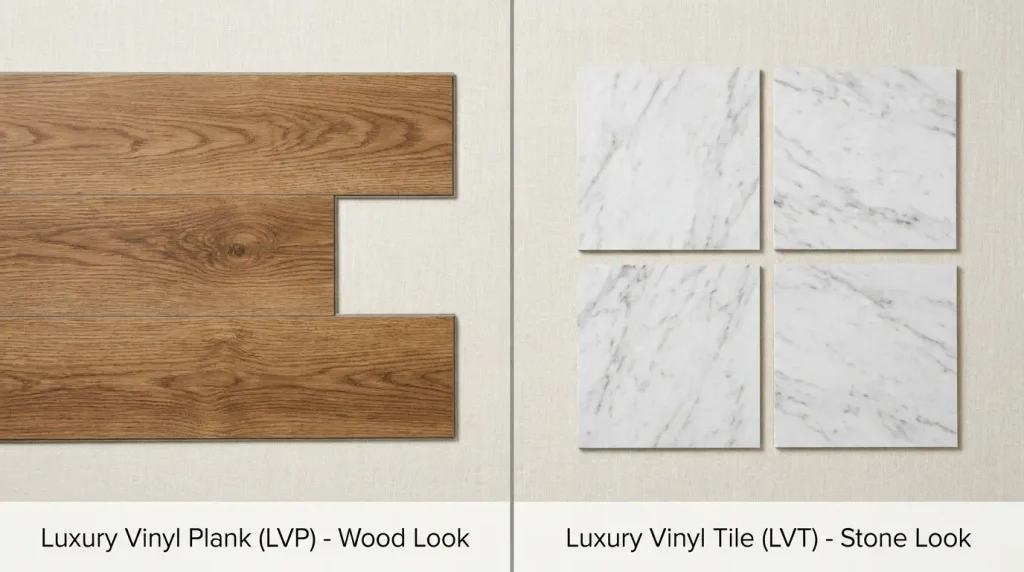
Luxury vinyl plank and luxury vinyl tile share the same core technology. The difference is shape and pattern. Plank pieces mimic wood boards. Some come in wide plank luxury vinyl flooring styles that look like real hardwood strips. Tile pieces mimic stone or ceramic in square shapes. Choose plank for a wood look. Choose tile for a stone or ceramic look.
How Much Do Vinyl Plank Floors Cost
Vinyl plank flooring costs two to seven dollars per square foot for materials. Professional installation adds one dollar fifty cents to four dollars per square foot. Cost is usually the deciding factor once homeowners understand the durability benefits.
Material Cost Per Square Foot
Materials typically run two to seven dollars per square foot. Basic WPC or standard vinyl plank sits at the lower end. Engineered vinyl plank flooring with a thicker wear layer sits closer to the top of that range.
DIY vs. Professional Installation Cost
Professional labor usually adds one dollar fifty cents to four dollars per square foot. For a 1,000 square foot home, that is roughly 1,500 to 4,000 dollars in labor alone. Installing it yourself keeps that money in your pocket. Click lock planks are built for DIY installation. Most homeowners with basic tools can do it without hiring anyone.
Vinyl Plank Floors vs. Other Flooring Types
Vinyl plank flooring competes mainly with laminate flooring, hardwood, and tile. Choosing between them comes down to water resistance, cost, and comfort underfoot. Here is a direct comparison.
| Feature | Vinyl Plank | Laminate | Hardwood | Tile |
| Waterproof | Yes, most products | No | No | Yes |
| Cost per sq ft | $2 to $7 | $1 to $5 | $6 to $18 | $3 to $10 |
| DIY friendly | Yes | Yes | Rarely | Rarely |
| Comfort underfoot | Soft, slight cushion | Firm, hard | Firm | Cold, hard |
| Refinishable | No | No | Yes | No |
| Best for | Kitchens, bathrooms, basements | Living rooms, bedrooms | Living rooms, dining rooms | Bathrooms, entryways |
Vinyl plank wins on water resistance and cost. Hardwood wins on resale value and the option to refinish later.
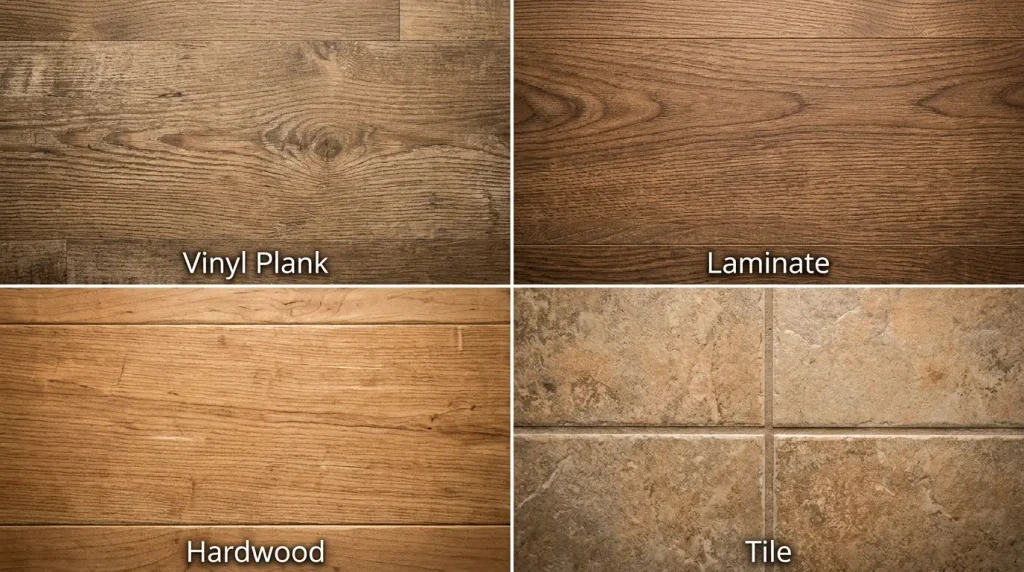
Tile matches vinyl on water resistance. It feels cold and hard underfoot, which matters if kids play on the floor.
Waterproof vs. Water Resistant: What This Means for Your Floor
Many people search this question because sellers use the terms loosely. They are not the same thing.
Water resistant flooring can handle spills if you wipe them up quickly. It is not built to survive standing water. Waterproof vinyl plank flooring will not swell or warp even if water sits on it for hours.
But waterproof only holds true for the whole system, not just the plank. The backing needs to be waterproof too. Seams need to be sealed correctly. If water gets underneath a poorly installed floor, it can still damage the subfloor.
How Durable Are Vinyl Plank Floors
Durability comes down to two numbers most shoppers never check before buying.
Wear Layer Thickness Explained
The wear layer is the clear top coating that protects the design underneath. A thicker wear layer means better resistance to scratches and dents. For homes with dogs, look for at least 12 mil. For light traffic rooms, 6 to 8 mil is usually enough.
AC Rating Explained
The AC rating, short for Abrasion Class, measures how well a floor resists surface wear. AC3 is rated for general residential use. AC4 or higher is built for commercial spaces or busy households. Checking this number takes ten seconds. It can save you from replacing a floor years too early.
Expected Lifespan
With normal wear and basic care, most vinyl plank floors last 15 to 25 years. Thicker wear layers and higher AC ratings both push that number toward the higher end.
Best Rooms for Vinyl Wood Flooring
Where you install vinyl plank flooring matters as much as which type you pick.
Kitchens and Bathrooms
These rooms deal with constant moisture from spills and steam. A waterproof floor is one of the few types built to handle both without warping.
Basements
Basements face temperature swings and occasional dampness.
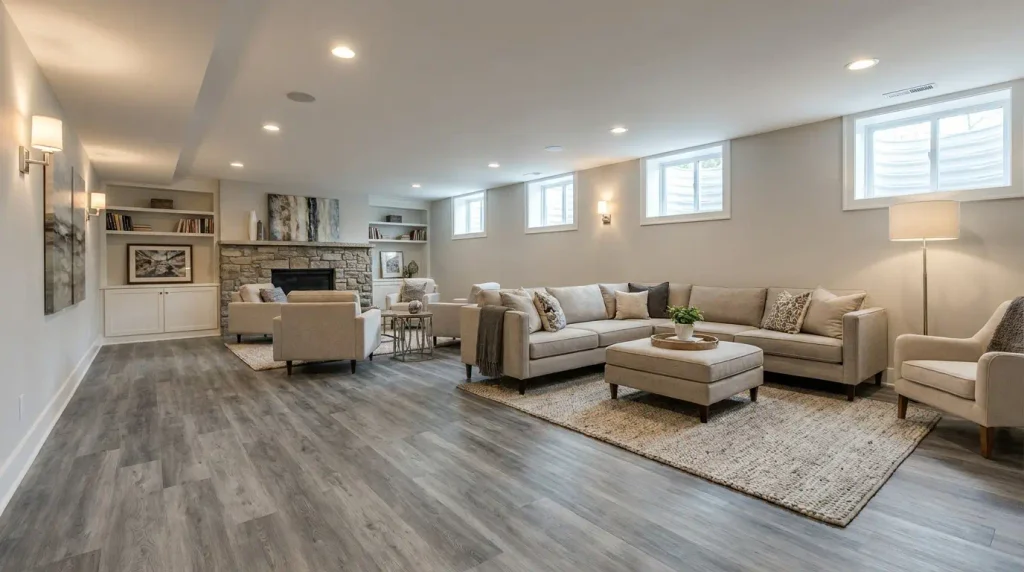
SPC core planks handle these conditions better than WPC because they stay more dimensionally stable.
Rental Properties
Landlords like this flooring because it survives tenant turnover without needing full replacement. It also costs far less to repair than hardwood.
Vinyl plank also works well on stairs when installed correctly, since it matches the rest of the floor without switching materials.
Pros and Cons of Vinyl Plank Floors
No flooring choice is perfect. Here is the honest breakdown.
Pros:
- Fully waterproof options exist for wet rooms
- Costs far less than hardwood or tile
- Scratch and dent resistant with a thick wear layer
- Comfortable and warmer underfoot than tile
- Most types are DIY friendly
Cons:
- Cannot be refinished once the wear layer wears through
- Cheaper products can sound hollow underfoot without proper underlayment
- New installations can off gas VOCs for the first few days
- Direct sunlight over years can fade cheaper products
- Adds little to home resale value compared to real hardwood
On the off gassing point, look for products certified by FloorScore. This program is run by SCS Global Services with the Resilient Floor Covering Institute. Certified products are tested against California’s strict Section 01350 air quality standard. This limits VOC emissions far below uncertified imports.
How to Install Vinyl Plank Flooring
There are three main ways to install this floor. The right one depends on your subfloor and how permanent you want it.
Click Lock Installation
Click lock planks snap together at the edges. They float over the subfloor without glue. This is the most common DIY method
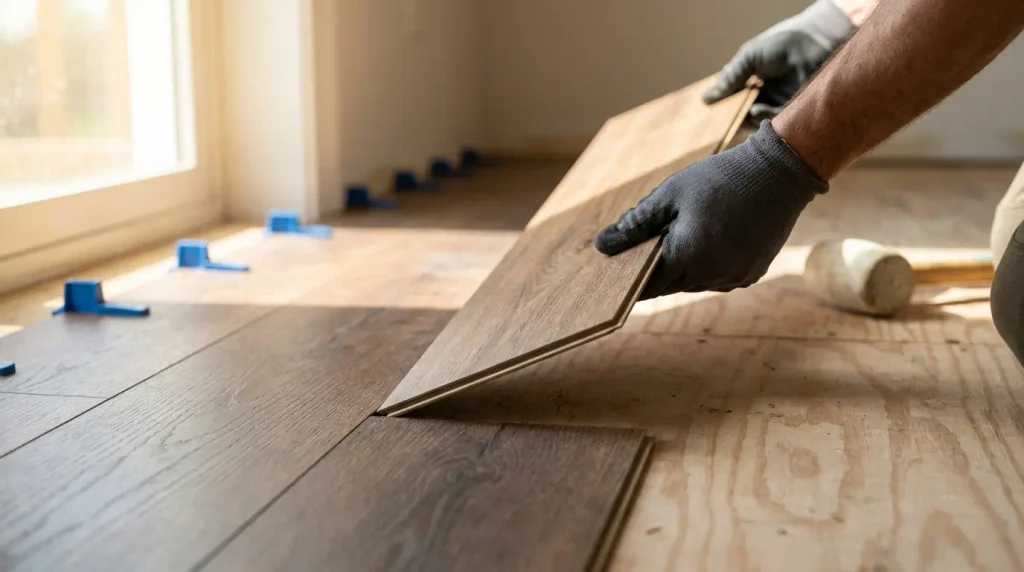
It works well over wood, concrete, or existing vinyl if that floor is flat.
Glue Down Installation
Glue down planks are pressed into adhesive spread across the subfloor. This method creates a more permanent bond. It handles heavy foot traffic better, which makes it common in busy homes.
Loose Lay Installation
Loose lay planks rely on their own weight to stay in place. There is little or no adhesive. It sounds convenient, but planks can shift over time in high traffic areas. Gaps can open at the seams if the subfloor is not perfectly flat.
Subfloor Prep and Acclimation
Before installing anything, sweep and vacuum the subfloor completely. Check for dips or high spots with a straightedge. Fix them with patching compound or sanding. Let your planks sit in the room for 24 to 48 hours first. This lets them adjust to the room’s temperature and humidity.
Sealing Edges and Transitions
Leave a small expansion gap, usually a quarter inch, between the planks and the wall. This lets the floor expand and contract with temperature changes. Use a transition strip at doorways instead of caulk. Caulk can trap moisture underneath the plank edge.
How to Clean and Maintain Vinyl Plank Floors
Daily care is simple. Sweep or vacuum with the beater bar turned off. This avoids scratching the surface. For deeper cleaning, use a damp mop with warm water and a vinyl safe cleaner.
Wipe up spills right away, even on waterproof products. Standing water can seep into seams over time. Avoid steam mops and abrasive scrubbers. Steam can loosen the adhesive on glue down planks. Harsh scrubbing wears down the protective finish faster than normal foot traffic ever would.
What to Look for When Buying Engineered Vinyl Plank Floors
Use this checklist before you buy.
| Spec | What to check | Why it matters |
| Wear layer | 12 mil or higher for busy homes | Determines scratch resistance and lifespan |
| AC rating | AC3 for homes, AC4+ for heavy use | Measures surface durability |
| Core type | WPC for comfort, SPC for stability | Affects feel in different rooms |
| Plank size | Wider, longer planks for larger rooms | Fewer seams and a realistic look |
| Underlayment | Pre attached pad if possible | Adds comfort, reduces hollow sound |
| Certification | FloorScore or GREENGUARD Gold | Confirms lower VOC emissions |
Final Thoughts
Vinyl plank flooring earns its popularity honestly. It handles water, kids, and pets better than most alternatives. It costs less than hardwood, and most homeowners can install it without hiring anyone. Check the wear layer, the AC rating, and the core type before you buy. That homework gets you a floor that holds up for fifteen years or more.
Frequently Asked Questions
How long does luxury vinyl plank last?
Most luxury vinyl plank lasts 15 to 25 years with normal use. Products with a thicker wear layer and higher AC rating last longer.
Is vinyl flooring better than laminate?
Vinyl flooring is generally more water resistant than laminate. For kitchens flooring and bathrooms, it is usually the safer choice.
Is this flooring a good investment?
It offers strong long term value. It costs less upfront and needs very little maintenance. It adds less resale value than real hardwood, so weigh that trade-off if selling soon.
Is there a difference between vinyl plank and luxury vinyl plank?
Yes. Vinyl plank is the broader category. Luxury vinyl plank is the premium tier within it, with a thicker wear layer and a denser core.
What are the downsides of luxury vinyl plank flooring?
It cannot be refinished once worn. Cheaper products can feel hollow underfoot. New installations may off gas VOCs for a short period.
What are the pros and cons of vinyl flooring?
The main pros are water resistance, low cost, and easy upkeep. The main cons are limited resale value and no option to refinish once the wear layer is gone.
What is a good thickness for vinyl flooring?
For busy households, look for a wear layer of at least 12 mil. Lighter traffic rooms can get by with 6 to 8 mil.
How do you seal the edges of vinyl flooring?
Leave a quarter inch expansion gap at the walls. Use transition strips at doorways instead of caulk, which can trap moisture underneath.
Can I install this flooring myself?
Yes. Click lock planks are built for DIY installation. Most homeowners finish an average room in a single day with basic tools.
Is vinyl plank flooring waterproof?
Many products are fully waterproof, but this depends on the backing and how well the seams are sealed. Water resistant products can only handle spills wiped up quickly.
Is vinyl plank flooring good for dogs?
Yes. A wear layer of 12 mil or higher resists scratches from nails and claws. Waterproof options also handle accidents without damage.
About HomeFixStyle
HomeFixStyle is a home improvement blog dedicated to helping readers create better, more comfortable, and stylish homes. We share practical ideas, helpful guides, home decor inspiration, renovation tips, and simple solutions for everyday home projects. Our goal is to make home improvement easier to understand and apply, whether you are updating one room or improving your entire home.