Cleaning engineered hardwood floors comes down to two habits. Keep grit off the surface, and keep moisture off the wood. Sweep or dry mop often. Damp mop once a week with a pH-neutral cleaner, then dry the floor within a few minutes. Skip steam, vinegar, wax, and soaking-wet mops entirely. Here is how to clean engineered hardwood floors the right way. Below you will also find fixes for mistakes you may have already made.
What Makes Engineered Hardwood Different (and Why It Changes How You Clean)
Engineered hardwood is not one solid piece of wood. It is a thin layer of real wood, called the veneer. That veneer is glued to a core of plywood or high-density fiberboard. That veneer usually runs between one and six millimeters thick.
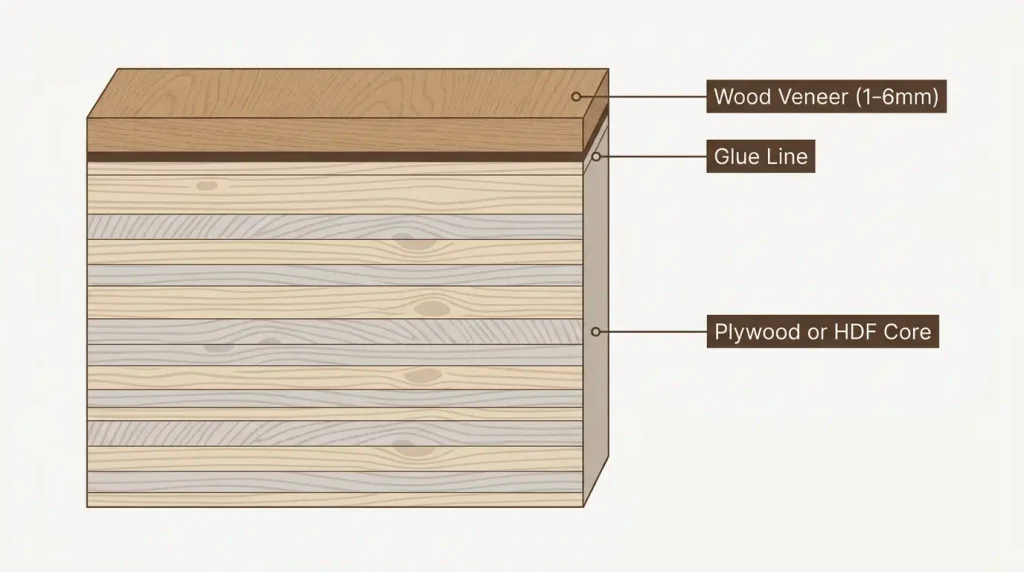
The construction is exactly why cleaning rules matter so much here. Unlike solid wood, the veneer cannot be sanded and refinished many times over. Once it wears through, the damage tends to stay for good. The glue line under the veneer reacts badly to water too. Standing moisture can seep in and cause the wood to swell or lift away from the core.
Solid hardwood forgives more mistakes since it can be sanded back later. Engineered hardwood does not have that same safety net. Every cleaning choice you make carries a bit more weight because of it.
One thing worth knowing before you start: this guide covers standard engineered hardwood with a plywood or HDF core. Waterproof-core floors built for wet areas handle water differently and follow their own routine.
Before You Clean, Check These Two Things
A few minutes of checking now can save you real damage later.
Your Veneer Thickness
Check your flooring’s spec sheet, or just ask your installer, for the veneer thickness. A thicker veneer gives you more room for error over the years. A thinner one means small mistakes show up sooner. You will find exact thickness numbers and what they mean further down, in the refinishing section.
Your Warranty Terms
Many engineered hardwood warranties list specific cleaning rules. Steam mopping and oil-based cleaners can void plenty of them. This holds true even if the floor still looks fine right afterward. It is worth checking your warranty booklet or the manufacturer’s site before trying anything new. The National Wood Flooring Association also publishes general care guidelines that most manufacturers reference.
Your Daily and Weekly Routine to Clean Engineered Hardwood Floors
A simple routine, followed consistently, protects the veneer better than any single product ever could.
Clear the Loose Grit First
Dust and grit act like sandpaper under foot traffic. Sweep or dry mop busy areas every day or two, especially near entryways. A soft microfiber pad or a robot vacuum on hard floor mode both work well here. Do this step before any damp mopping. Mopping over loose grit just grinds it into the finish instead of lifting it away.
Damp Mop Once a Week
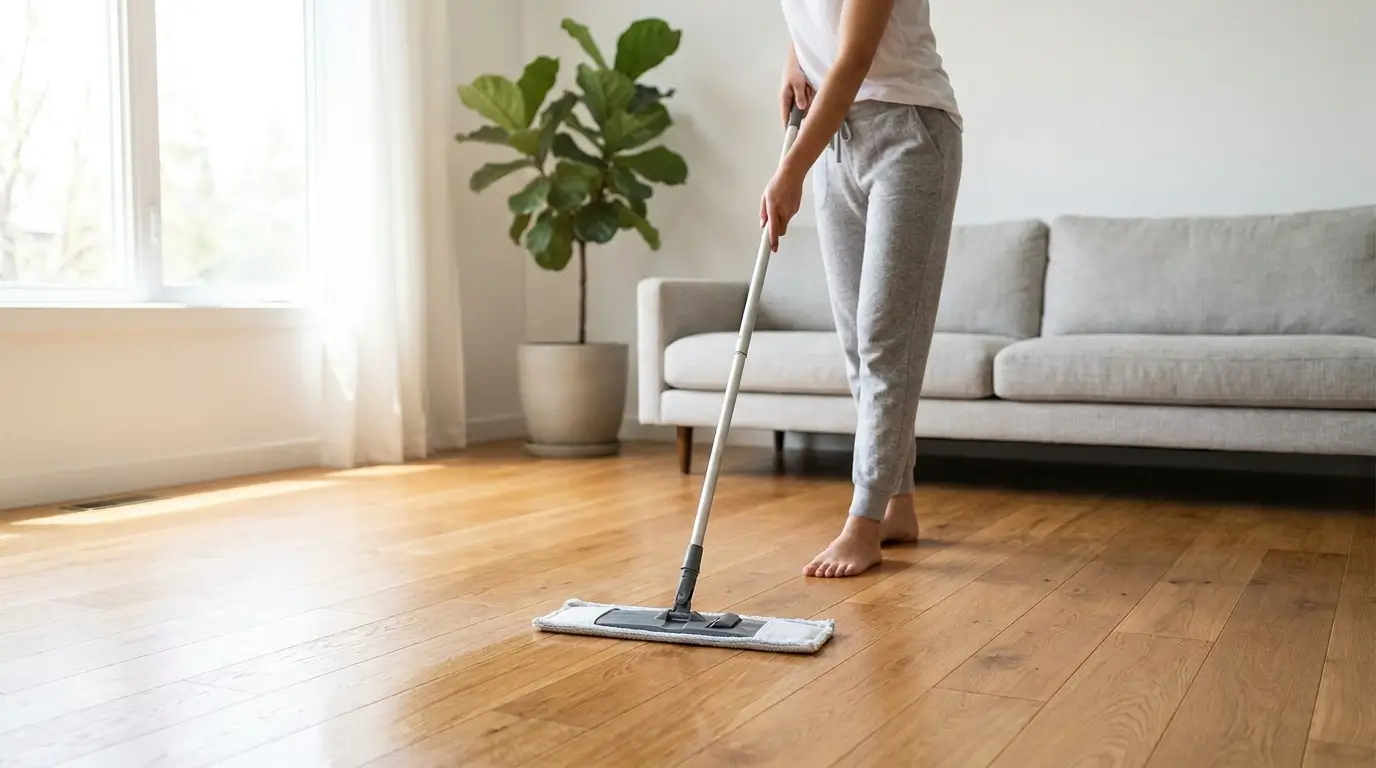
Wring a microfiber mop until it feels almost dry. Microfiber holds far less water than a string or sponge mop, so it cleans without soaking the floor. Add a pH-neutral hardwood cleaner to the mop pad, not the floor itself. Aim for barely damp, never wet.
Work With the Grain
Move the mop in the same direction as the floorboards, not across them.
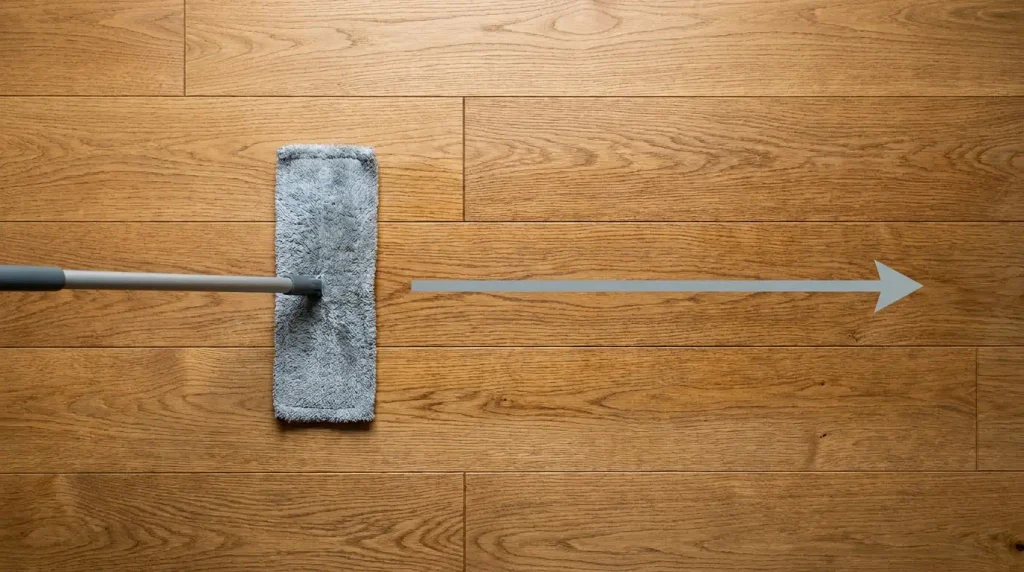
Doing this lifts dirt more evenly and keeps water from pushing into the seams. Seams are where moisture does the most damage on an engineered floor. They sit closest to the glue line underneath.
Dry the Floor Right After
Wipe up any leftover moisture within two or three minutes. Left too long, water in the seams works its way down to the glue line. That kind of swelling rarely sands back out later. A dry microfiber cloth finishes the job in seconds.
How to Deep Clean Engineered Hardwood Floors Without Damaging Them
For sticky spots or built-up grime near a kitchen, treat just that section. There is no need to mop the whole floor for one problem spot. Put a small amount of pH-neutral cleaner on the cloth, never the wood. Work with the grain and use light pressure, then dry the spot within a few minutes.
Always test a new product in a hidden spot first, like inside a closet. Wait a full day and check for dulling or discoloration before using it elsewhere. Most homes only need a deeper clean every one to three months. Busy kitchens or entryways may need it a bit more often.
Before reaching for any wax, oil, or polish, confirm your floor’s finish type first. Waxing a polyurethane finish, for instance, can leave a cloudy film that is genuinely hard to remove.
What Not to Use on Engineered Hardwood
A handful of common products cause most of the damage seen on engineered floors.
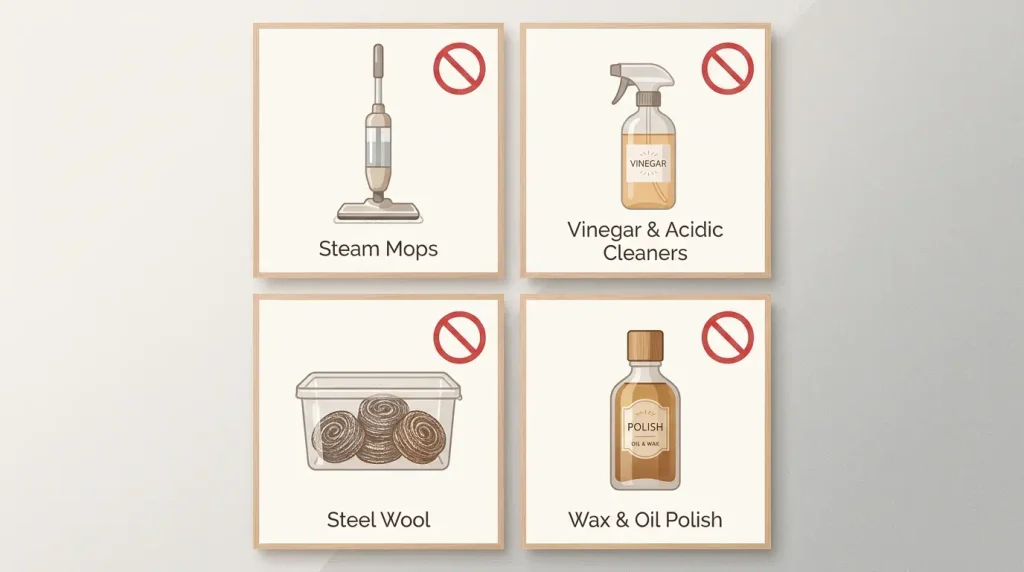
Steam Mops
Steam slips through tiny gaps in the finish and reaches the glue line beneath the veneer. Repeated exposure can cause that veneer to buckle or peel away from the core. Few things damage an engineered floor faster. This holds true even though steam mops are often marketed as safe for hard floors in general.
Vinegar and Acidic Cleaners
Vinegar shows up often as a natural cleaning tip. Its acid slowly wears down the protective finish underneath. Solid hardwood can usually be sanded to fix that kind of dulling. A thin veneer usually cannot, so the damage stays for good.
Excess Water and Soaking Mops
A soaking-wet mop leaves standing water at the seams between planks. From there it reaches the core and the glue line. The result is boards that swell, cup, or warp over time.
Abrasive Cleaners and Steel Wool
Scouring powders, steel wool, and rough scrub pads all scratch the finish. Those scratches open small paths for moisture to reach the wood underneath. That finish is the one real layer of protection the veneer has.
Multi-Surface Sprays Like Fabuloso
Multi-surface cleaners like Fabuloso are built for tile and laminate, not real wood veneer. They often leave a residue or dull the finish over time. Stick to a cleaner labeled specifically safe for hardwood or engineered wood.
Already Made One of These Mistakes? Here’s What to Do
Mistakes happen, and most are not the end of the floor. Here is how to respond.
Dulling or Streaking From the Wrong Cleaner
Start by buffing the spot with a dry microfiber cloth. If the haze remains, try a manufacturer-approved cleaner made for removing residue. It helps to avoid layering another unknown product on top of the problem.
Water Damage and Swelling at the Seams
Dry the area right away with towels and a fan if water has been sitting.
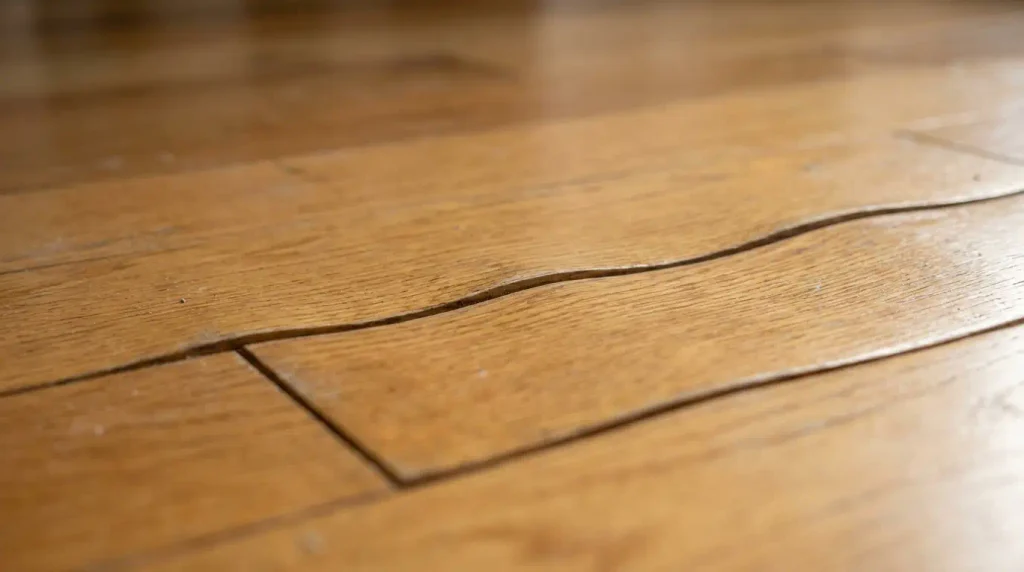
Mild cupping sometimes flattens out on its own once the wood fully dries. Give it a few days before deciding anything. Boards that stay swollen, lifted, or soft may need replacing. A flooring professional can tell you whether the damage reached the core.
Best Tools for Cleaning Engineered Hardwood
You do not need many tools, but the right ones make a real difference.
What to Look for in a Mop
Choose a flat microfiber mop or pad over a string or sponge mop. Microfiber holds less water and traps dust instead of pushing it around.
What to Look for in a Cleaner
Pick a cleaner labeled pH-neutral, made specifically for hardwood or engineered wood. Avoid anything listing wax, oil soap, ammonia, or vinegar as an ingredient.
Vacuums: Settings and Attachments That Are Safe to Use
Stick to a vacuum’s hard floor setting. Skip the spinning beater bar, since its bristles can scratch the finish. A soft brush roll or a robot vacuum with rubber wheels is a much safer pick for daily pickup.
Cleaning Engineered Hardwood With Pets and High Foot Traffic
Pet nails and grit from shoes wear down a finish faster than almost anything else in a busy home. Trim pet nails regularly. Wipe paws after walks when the ground outside is wet or muddy. Mats at every entrance catch grit before it ever reaches the floor. In homes with heavy foot traffic, daily dry sweeping matters more than any fixed deep-cleaning schedule.
How Much Does It Cost to Keep Engineered Hardwood Clean
A quality pH-neutral hardwood cleaner typically runs fifteen to twenty five dollars. It lasts several months of regular use. A good microfiber mop costs twenty to forty dollars and can be reused for years. Hiring out a professional deep clean generally runs one to three dollars per square foot. Refinishing, when the veneer allows it, often costs three to five dollars per square foot. That is well below the cost of replacing the floor outright.
Engineered Hardwood vs. Solid Hardwood vs. Laminate: Cleaning Effort Compared
| Floor Type | Water Tolerance | Refinishing | Daily Cleaning Effort |
| Engineered Hardwood | Low to moderate | Limited, depends on veneer | Moderate |
| Solid Hardwood | Low | High, can be sanded many times | Moderate |
| Laminate | Low, but no real wood to damage | Cannot be refinished | Low |
Engineered hardwood sits right in the middle. It handles daily life a little better than solid wood in humid rooms. It still needs the same careful, low-moisture approach to stay in good shape.
Can Engineered Hardwood Floors Be Refinished
That depends almost entirely on veneer thickness. A veneer of four to six millimeters can usually be sanded once, sometimes twice, by a professional. A veneer of one to three millimeters is common on budget and mid-range products. It usually cannot be sanded without cutting into the core underneath.
This is why careful daily cleaning carries more weight here than it does on solid wood. There is often no second chance once the veneer wears through.
Caring for Engineered Hardwood the Right Way
None of this is complicated, but it does take consistency. Clear grit before it scratches the surface. Keep moisture away from the seams, and skip steam and vinegar for good. Follow that routine. You already know how to clean engineered hardwood floors in a way that protects the finish for years.
The Bottom Line
Engineered hardwood rewards a light touch. Keep grit off the floor, keep water away from the seams, and skip anything harsh or wet. Do that consistently, and you now have everything you need to clean engineered hardwood floors the right way for years to come.
Frequently Asked Questions on How to Clean Engineered Hardwood Floors
Can You Use a Steam Mop on Engineered Hardwood Floors?
No. Steam reaches the glue line under the veneer and can cause it to swell or peel. That kind of damage usually cannot be repaired without replacing the affected boards.
What Is the Best Cleaner for Engineered Hardwood Floors?
A pH-neutral cleaner made specifically for hardwood or engineered wood is the safest choice. Avoid vinegar, ammonia, oil soap, and wax-based products. All of them can dull or damage the finish over time.
Is a Robot Vacuum Safe to Use on Engineered Hardwood Floors?
Yes, as long as it runs in hard floor mode with a soft brush roll or rubber wheels. A stiff spinning brush at full speed can scratch the finish with repeated use.
How Often Should You Clean Engineered Hardwood Floors?
Sweep or dry mop daily or every other day in busy areas. Damp mop about once a week for most homes. Deep clean every one to three months, more often in kitchens or high-traffic zones.
Can You Use Fabuloso or Other Multi-Surface Cleaners on Engineered Hardwood?
No. Multi-surface cleaners are formulated for sealed tile and laminate, not real wood veneer. They can leave a residue or slowly dull the finish, so stick to a cleaner made for hardwood specifically.
How to Clean Engineered Hardwood Floors Without Leaving Streaks
Streaks usually come from using too much cleaner or too much water. Use a barely damp mop. Apply cleaner sparingly to the pad instead of the floor, and dry the surface right after mopping.

About HomeFixStyle
HomeFixStyle is a home improvement blog dedicated to helping readers create better, more comfortable, and stylish homes. We share practical ideas, helpful guides, home decor inspiration, renovation tips, and simple solutions for everyday home projects. Our goal is to make home improvement easier to understand and apply, whether you are updating one room or improving your entire home.