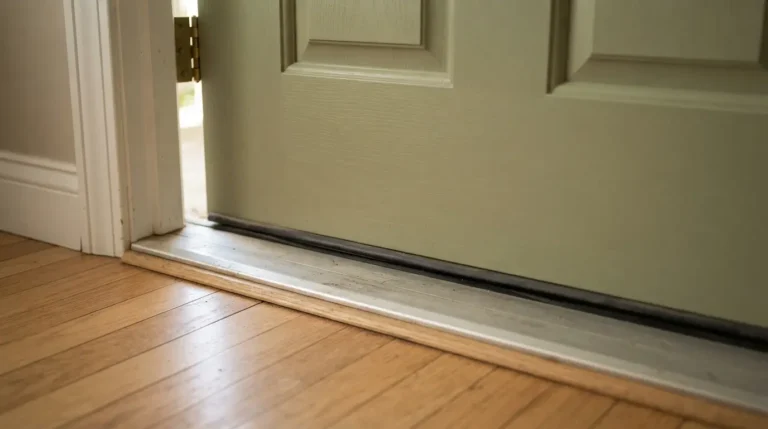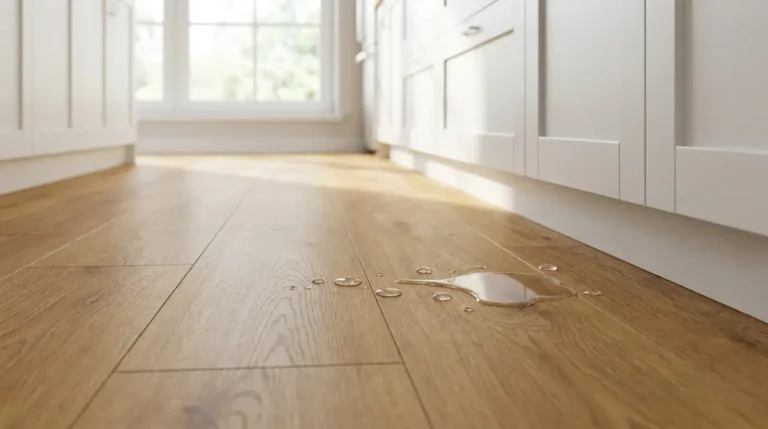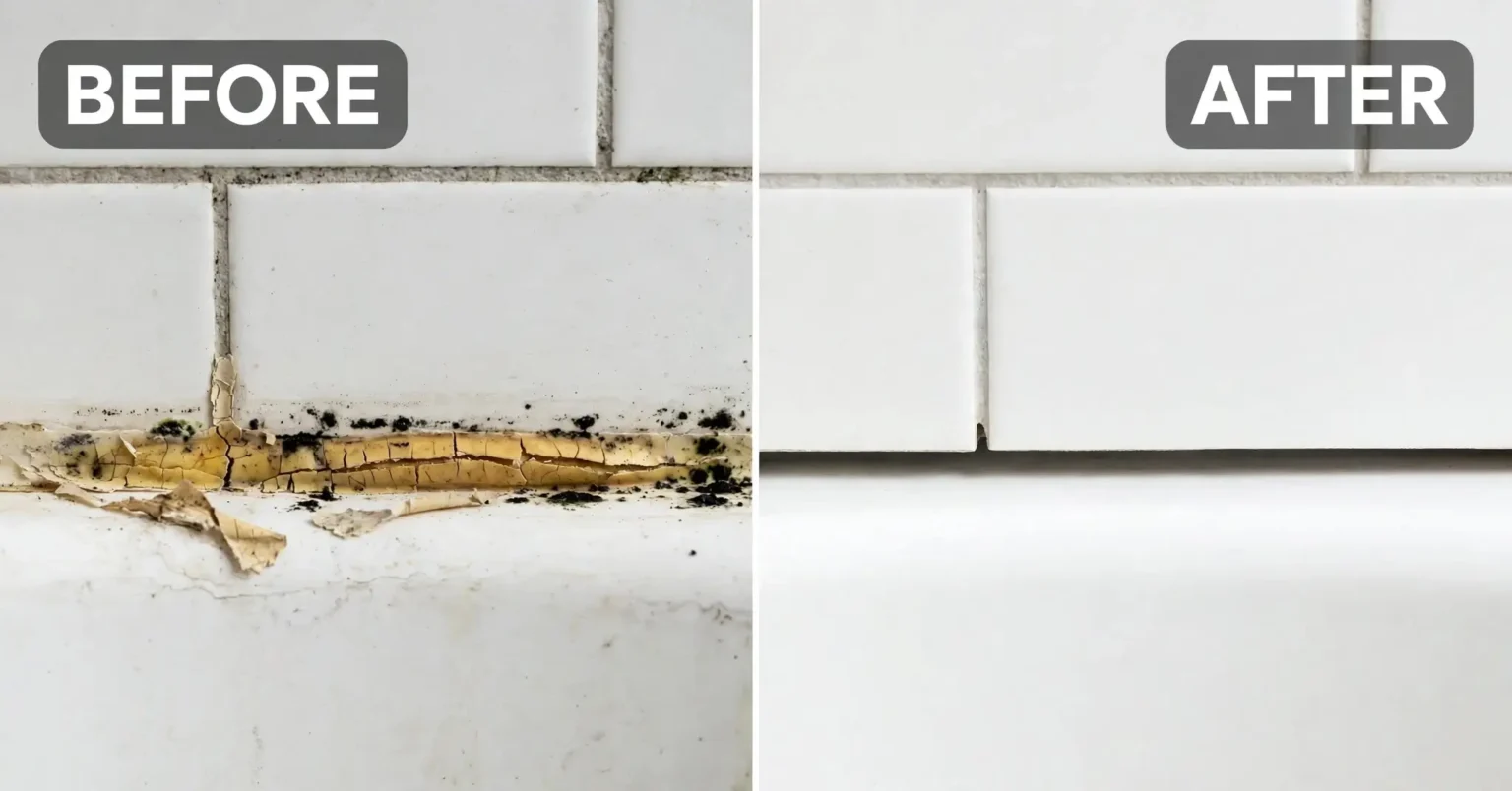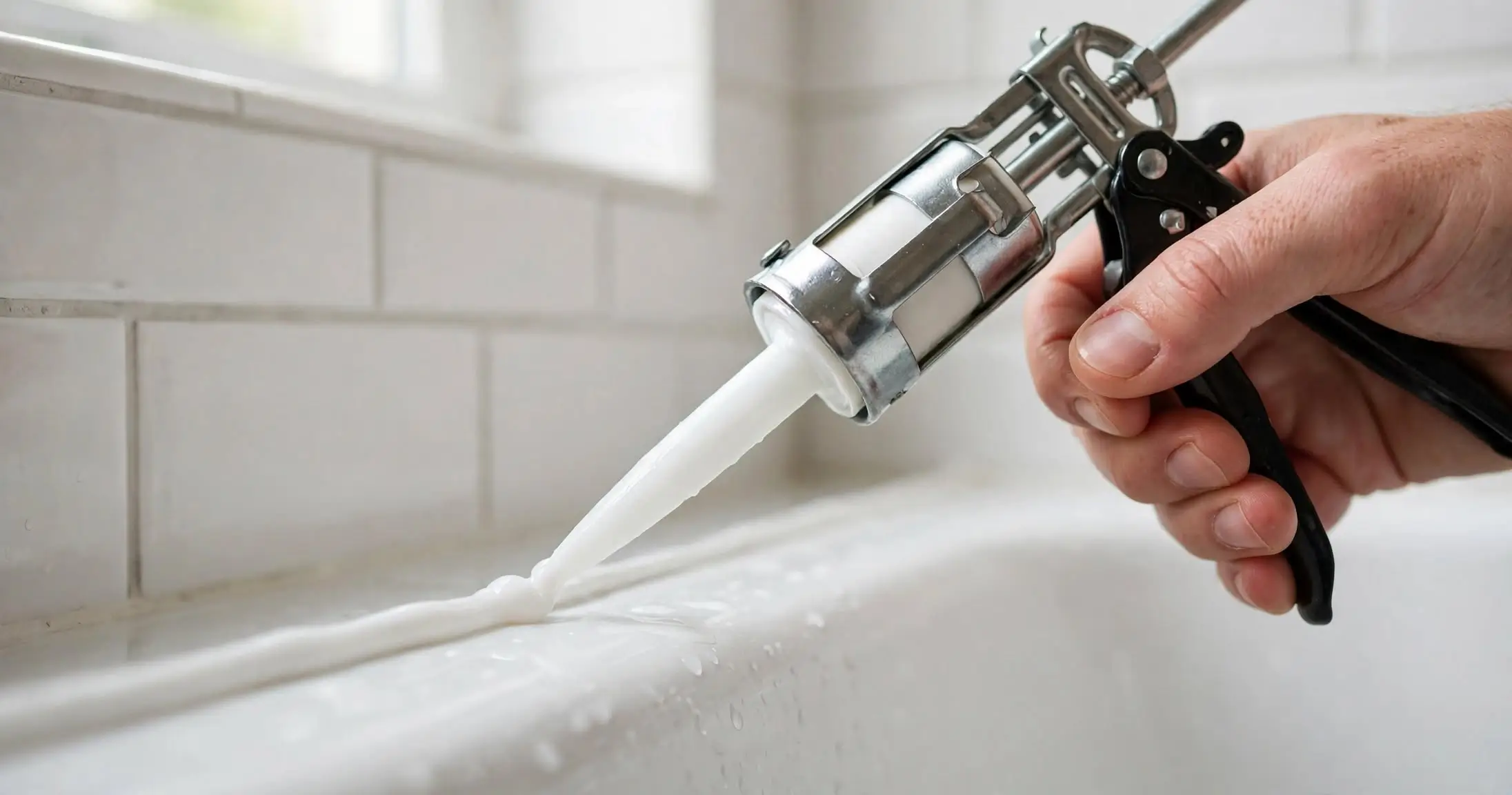
Caulk takes 30 minutes to 24 hours to dry to the touch. Full curing takes 24 hours to 10 days depending on the type. If you’re wondering how long does caulk take to dry before it’s safe to use, the honest answer depends on drying and curing being two different stages, not one.
Dry and cure times vary by caulk type, so knowing which one you’re using matters. You’ll find out when it’s safe to shower, when you can paint, and when exterior caulk can handle rain. You’ll also learn what slows caulk down, what speeds it up, and what to do if it stays tacky longer than expected.
Caulk Drying Time vs Curing Time
Drying and curing are two different stages. Confusing them is the most common caulking mistake homeowners make.
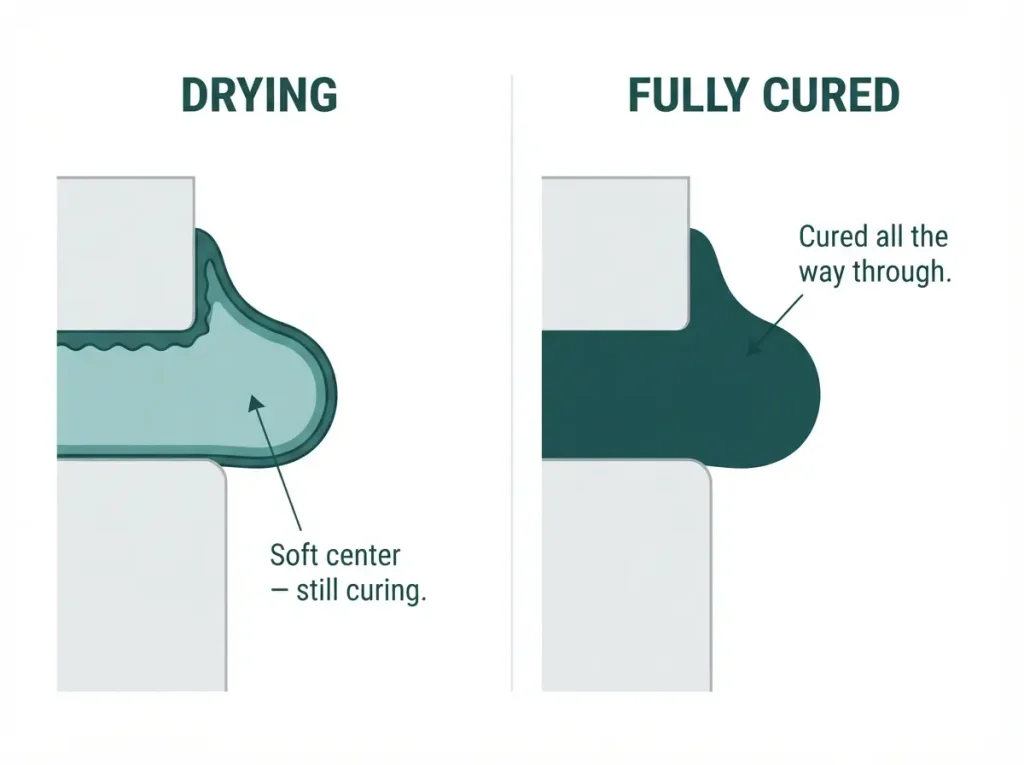
Drying happens first. This is when the surface forms a skin and stops feeling wet or sticky. Most caulk dries to the touch within 30 minutes to a few hours.
Curing happens after drying. This is when the caulk hardens all the way through. A cured bead reaches its full strength, flexibility, and water resistance. Curing takes longer than drying, often 24 hours to 2 weeks depending on the formula.
A bead can feel dry on the outside while it’s still soft underneath. Touching it too soon won’t ruin the seal. Using it too soon can. Water, movement, or pressure applied before the caulk cures can weaken the bond and shorten its life.
How Long Does Caulk Take to Dry by Type
Every caulk type dries and cures at a different rate. The chemical makeup of the product decides how fast it sets and how it handles moisture during that process.
Here are typical dry and cure times for the most common types. Always check the label on your specific product, since brands vary.
| Caulk Type | Dry to Touch | Full Cure Time |
| Silicone | 30 minutes to 1 hour | 24 to 72 hours |
| Acrylic Latex | 1 to 2 hours | 24 hours |
| Siliconized Latex (Hybrid) | 30 to 60 minutes | Up to 7 days |
| Polyurethane | Up to 24 hours | 7 to 12 days |
| Butyl Rubber | 2 to 24 hours | Up to 2 weeks |
| Clear Caulk | 30 minutes to 1 hour | 24 to 72 hours |
Silicone Caulk
Silicone caulk skins over in 30 minutes to an hour. Full cure takes 24 to 72 hours.
It’s the top choice for bathrooms, kitchens, and anywhere caulk meets water often. Silicone resists mold and stays flexible for years. One quirk worth knowing: silicone actually needs moisture in the air to cure. Extremely dry rooms can slow it down instead of speeding it up.
Standard silicone isn’t paintable. If you plan to paint over your caulk line, choose acrylic latex or a paintable hybrid instead.
Acrylic Latex Caulk
Acrylic latex, often called painter’s caulk, dries to the touch in 1 to 2 hours. It fully cures within about 24 hours.
This type works well for interior trim, baseboards, and molding. It cleans up with water and takes paint easily once dry. It’s a weaker performer in wet areas, since it can shrink and crack faster than silicone over time, which is why latex and silicone suit different rooms.
Siliconized Latex Caulk (Hybrid)
Siliconized latex blends latex with a bit of silicone. It dries to the touch in 30 to 60 minutes but can take up to 7 days to fully cure.
This hybrid gives you latex’s paintability with some of silicone’s flexibility and water resistance. It’s a common pick for caulking windows and door frames, where movement happens year round.
Polyurethane Caulk
Polyurethane caulk takes up to 24 hours to dry and 7 to 12 days to cure fully. It’s one of the toughest options available.
It bonds strongly to concrete, wood, brick, and metal. Builders use it on expansion joints, driveways, and foundations where flexibility under stress matters most. Patience pays off here. The long cure time delivers serious weather resistance once it sets.
Butyl Rubber Caulk
Butyl rubber caulk takes the longest to fully cure, often up to two weeks. Skinning time ranges from 2 to 24 hours.
It’s built for harsh outdoor exposure. Roofing, gutters, flashing, and masonry all benefit from butyl’s long-term weatherproofing, even though the wait is longer than any other type.
Clear Caulk
Clear caulk is usually a silicone or hybrid formula, so it follows those dry and cure times closely. Most clear caulk dries to the touch within 30 minutes to an hour and cures fully in 24 to 72 hours.
Clear formulas are popular for glass, trim, and spots where a visible bead would look messy. Check the label, since clear versions sometimes cure slightly slower than their colored counterparts.
How Long Does Caulk Take to Dry Before You Can Shower
Most manufacturers recommend waiting at least 24 hours before showering. Some silicone products need up to 72 hours for a full cure, especially in cooler or more humid bathrooms.
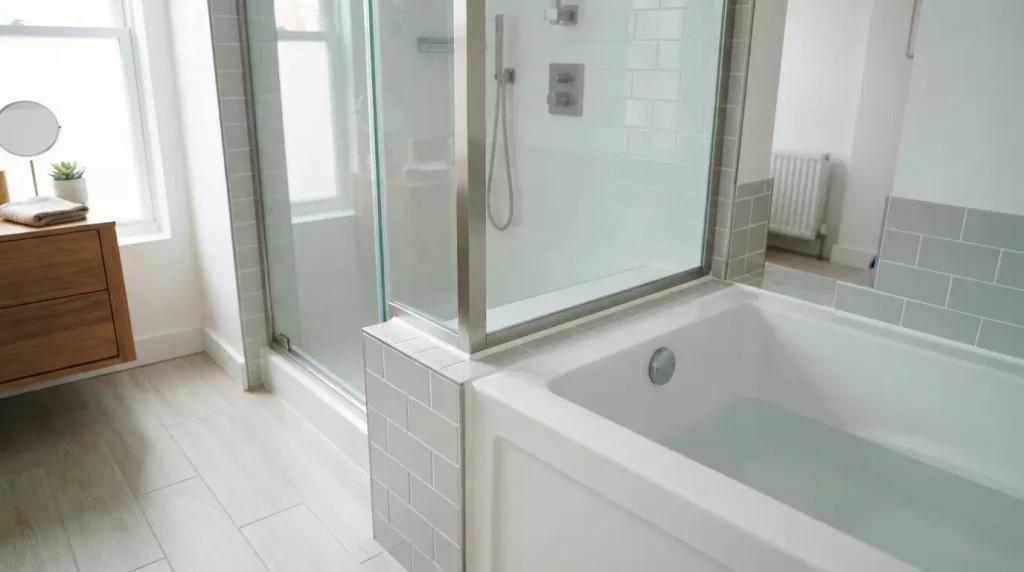
If you need your shower back fast, fast-drying silicone formulas exist. Some claim a 1-hour dry time. Read the fine print first. That fast number usually only covers skinning, not full cure, so you may still need to wait a full day before water exposure is safe.
How Long It Takes Caulk to Dry Before You Can Paint
Paintable caulk, usually acrylic latex, is often ready for paint in about 30 minutes. It’s formulated to keep curing underneath a fresh coat.
Non-paintable formulas need much longer. Polyurethane can take 7 to 10 days before you can paint over it safely. Standard silicone often can’t be painted at all, no matter how long you wait.
There’s a reverse version of this question too. Some painters caulk baseboards after painting instead of before. In that case, wait until the paint is fully dry and hard, typically 24 hours, before running a bead of caulk along the edge. Caulking over soft paint can smear the finish and weaken the bond.
How Long Before Exterior Caulk Is Rain Ready
Most exterior sealants can handle light rain after 2 to 4 hours. Full rain and weather resistance still depends on complete curing.
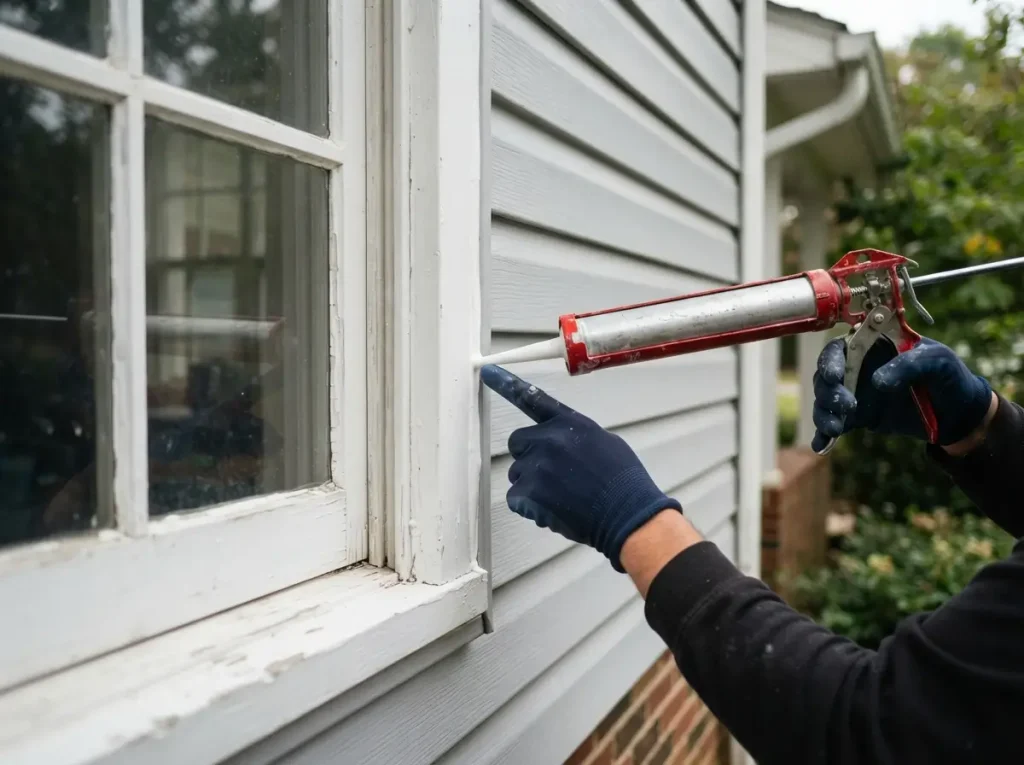
Check the forecast before starting an outdoor caulking project. Applying caulk right before a storm gives it no chance to skin over properly, which can wash the bead away or leave it weak.
What Affects How Long Caulk Takes to Dry
Several conditions speed up or slow down every type of caulk. Understanding them helps you plan your project and avoid a rushed, weak seal.
Temperature
Caulk dries fastest between 60°F and 80°F. Cold temperatures slow curing down. Extreme heat can dry the surface too fast, trapping soft caulk underneath a hard skin.
How Long Does Caulk Take to Dry in Humid Weather
Humidity changes drying speed differently depending on the caulk type. Acrylic latex dries slower in humid air, since it relies on water evaporating out. A bead that skins over in 30 minutes on a dry day might take an hour or more in a steamy bathroom with no fan running.
Silicone behaves the opposite way. It actually cures faster with some humidity present, since moisture helps trigger the chemical reaction. If you’re caulking with acrylic latex in a humid climate, run a fan or dehumidifier nearby to keep the project on schedule.
Ventilation and Air Circulation
Fresh air moving across a fresh bead speeds up drying. Open a window or run an exhaust fan while the caulk sets. Stagnant air traps moisture near the surface and stretches out dry time.
Surface Preparation
A clean, dry surface helps caulk adhere and cure evenly. Dust, grease, soap scum, or leftover old caulk can prevent a proper bond. Always clean and fully dry the area before applying a new bead. The Home Depot caulking guide confirms drying and curing are separate processes with different time requirements, which lines up with everything above.
How Bead Thickness and Gap Size Change Drying Time
A thin bead dries much faster than a thick one. This matters more than most guides mention.
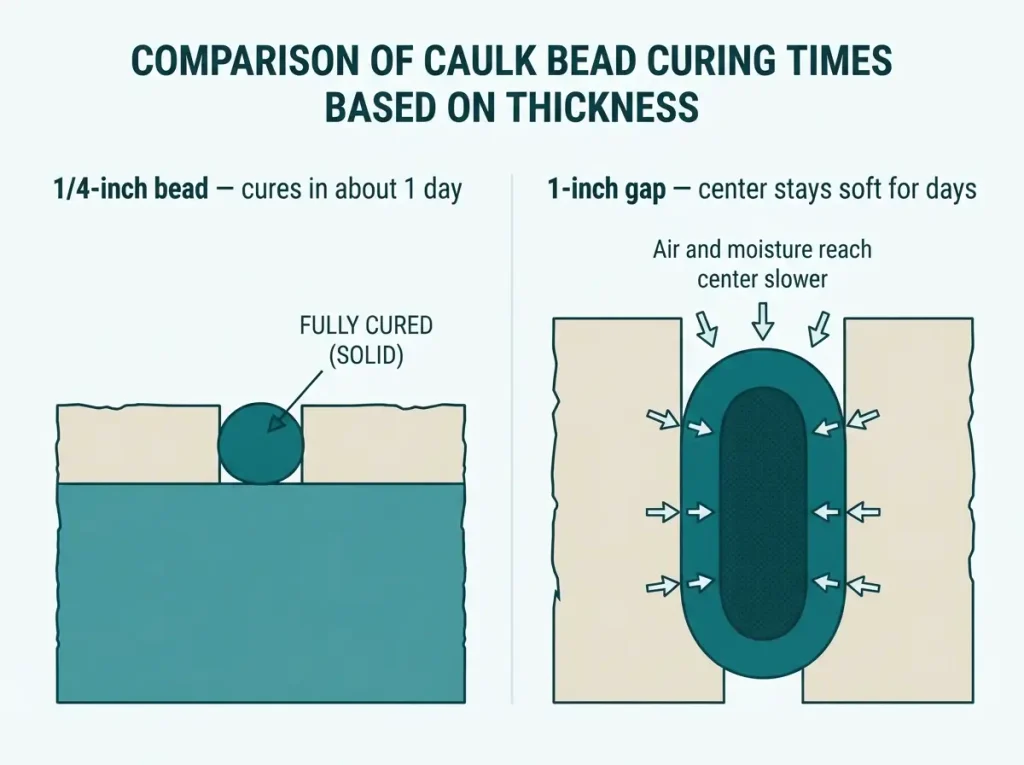
Caulk dries and cures from the outside in. A quarter-inch bead might skin over in 30 minutes and cure within a day. A one-inch gap filled with caulk behaves very differently. The surface can feel dry within hours, but the center stays soft for days longer, since air and moisture take much longer to reach it. That gap between surface-dry and fully cured is exactly why how long does caulk take to dry can vary by several days between two people using the same tube on different-sized gaps.
For gaps wider than about a quarter inch, most manufacturers recommend a foam backer rod. The rod fills space so you only need a thin layer of caulk on top. This keeps dry and cure times close to normal, instead of stretching out for days while a thick center tries to set.
If you’re filling a deep or wide gap without a backer rod, expect the true cure time to run well past the number on the label.
How to Help Caulk Dry Faster Without Ruining the Seal
A few adjustments speed up drying without weakening the bond.
- Keep the room between 60°F and 80°F while the caulk sets
- Run a fan or open a window for gentle air movement
- Apply the thinnest bead the job allows
- Use a dehumidifier if the room feels damp
- Choose a fast-drying formula if your project allows it
Avoid direct heat sources like hair dryers or heat guns. Forcing the surface to dry too fast can trap moisture underneath, leaving a soft, unreliable core.
Mistakes That Slow Down or Ruin Caulk Drying
A few habits consistently cause caulk to dry unevenly or fail early.
Applying too much caulk is the most common one. An oversized bead takes far longer to cure and often looks uneven once it sets. Skipping surface prep is another frequent issue, since dirt and moisture under the bead prevent a solid bond from ever forming.
Exposing fresh caulk to water too early is a close third. Even a bead that looks fully dry can still be soft inside. Rushing a shower, a rainstorm, or a paint job before the label’s cure time passes puts the whole seal at risk.
Caulk Still Tacky After 24 Hours? Here’s What’s Going On
Cold temperatures and high humidity are the two most common causes, especially with acrylic latex. An oversized bead, covered above, is often the third.
Check the label for the manufacturer’s expected cure time before assuming something went wrong. If it’s still tacky after that full window passes, the product may be expired or applied outside its ideal temperature range. In that case, the safest fix is removing the bead and starting fresh with a new tube.
Final Thoughts
So, how long does caulk take to dry? Most types dry to the touch within a few hours and fully cure within 1 day to 2 weeks. The exact number depends on the caulk type, the temperature, the humidity, and how thick the bead is.
Give your project the full cure window before showering, painting, or exposing it to rain. A little patience now protects the seal for years to come.
Frequently Asked Questions
How long does silicone caulk take to dry?
Silicone caulk skins over in 30 minutes to an hour. Full cure takes 24 to 72 hours, depending on humidity and bead thickness.
How long does it take for bathroom caulk to cure?
Bathroom caulk, usually silicone, needs 24 to 72 hours to fully cure. Wait the full window before exposing it to shower water.
How long does clear caulk take to dry?
Clear caulk follows the same timeline as its base formula, usually silicone. Expect 30 minutes to an hour to dry and 24 to 72 hours to cure.
Can I speed up caulk drying time?
Yes. Moderate temperature, good ventilation, and a thin bead all help. Avoid direct heat, since it can dry the surface before the inside cures.
Why is my caulk still sticky after a day?
Cold temperatures, high humidity, or an oversized bead are the most common causes. Compare your conditions to the manufacturer’s label before assuming the product failed.
Do quick-dry caulk options exist for showers?
Yes. Some silicone formulas advertise a 1-hour dry time. That number usually covers skinning only, so plan for a longer wait before full water exposure.
How long should painters wait to caulk baseboards after painting?
Most painters wait until the paint is fully dry and hard, typically about 24 hours, before caulking over a freshly painted edge.

About HomeFixStyle
HomeFixStyle is a home improvement blog dedicated to helping readers create better, more comfortable, and stylish homes. We share practical ideas, helpful guides, home decor inspiration, renovation tips, and simple solutions for everyday home projects. Our goal is to make home improvement easier to understand and apply, whether you are updating one room or improving your entire home.