To improve home insulation, seal air leaks first. Then add insulation to your attic, walls, floors, and basement based on your climate zone. Cold rooms and rising energy bills usually point to this exact gap. Below you will find your climate zone and the right R-value for your home. A room by room breakdown shows exactly what to fix. You will also see real material costs, current rebates, and when a job is safe to handle yourself. By the end, you will know exactly what to fix first.
How Insulation Works and Why It Is Losing You Money
Heat always moves toward cold. In winter, warm air inside your home pushes toward the cold air outside. In summer, the pattern reverses. Insulation slows this movement down.
Insulation works by trapping small pockets of air. These pockets resist heat flow. The measure of that resistance is called R-value. A higher R-value means better resistance to heat transfer.
The US Department of Energy tracks this waste. Poor insulation and air leaks cause a large share of home energy loss every year. A typical uninsulated home can lose 25 to 33 percent of its heat through the roof alone. Walls, floors, and windows account for much of the rest.
This is not just a comfort issue. Every extra degree your furnace or air conditioner works adds to your bill. Good insulation reduces that strain. It keeps your home steady through every season.
Signs Your Home Needs Better Insulation
Some signs are easy to miss. Others show up the moment you touch a wall or floor.
Walk through your home without shoes on. Cold floors or drafty spots often mean weak insulation. Watch for these common warning signs:
- Rooms that feel warm in one spot and cold in another
- Ice dams forming along the roofline in winter
- Frozen pipes during cold snaps
- Attic joists visible above the insulation layer
- Energy bills that keep climbing each year
- Drafts near windows, doors, or electrical outlets
If you notice two or more of these signs, your home likely needs better insulation. A home energy audit can confirm exactly where the problem areas are. Many utility companies offer free or low-cost audits for homeowners.
Find Your Climate Zone and Target R-Value
The right amount of insulation depends on where you live. The US Department of Energy divides the country into eight climate zones. Each zone has its own recommended R-value range, based on Energy Star guidance.
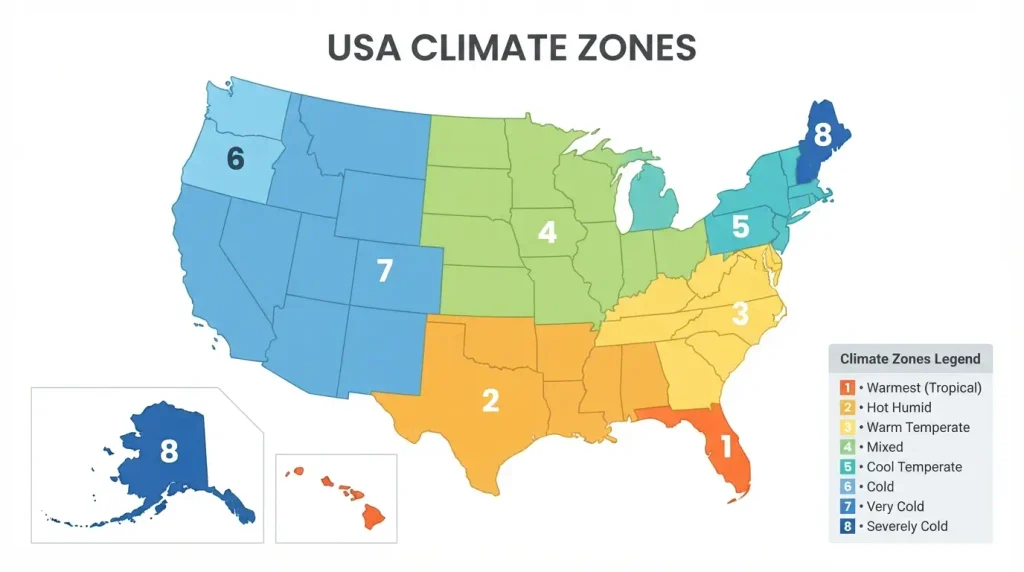
Colder zones need higher R-values. Warmer zones need less. Here is the general guide:
| Climate Zone | Attic | Walls | Floor |
| Zone 1 (South Florida, South Texas) | R30 to R49 | R13 to R15 | R13 |
| Zone 2 (Central Florida, South Georgia) | R30 to R60 | R13 to R19 | R13 to R19 |
| Zone 3 (North Carolina, Northern California) | R30 to R60 | R15 to R21 | R19 to R25 |
| Zone 4 (Virginia, Kentucky, Oregon) | R38 to R60 | R13 to R21 | R25 to R30 |
| Zones 5 to 8 (New England, Upper Midwest, Alaska) | R49 to R60 | R13 to R23 | R25 to R30 |
You can find your exact zone using the Energy Star climate zone map. Once you know your zone, compare it to your current insulation depth. If your attic falls below the recommended range, an upgrade is worth planning.
How to Improve Home Insulation Room by Room
Every part of your home loses heat differently. Here is what to check in each key area, starting with the biggest energy losers.
Attic Insulation Tips
Heat rises, so your attic often loses the most energy of any single area. Start by checking your current insulation depth. If you can see the tops of your joists, you need more.
Fiberglass batts and blown in cellulose both work well for attics. Blown in insulation fills gaps and corners more completely in tight spaces.
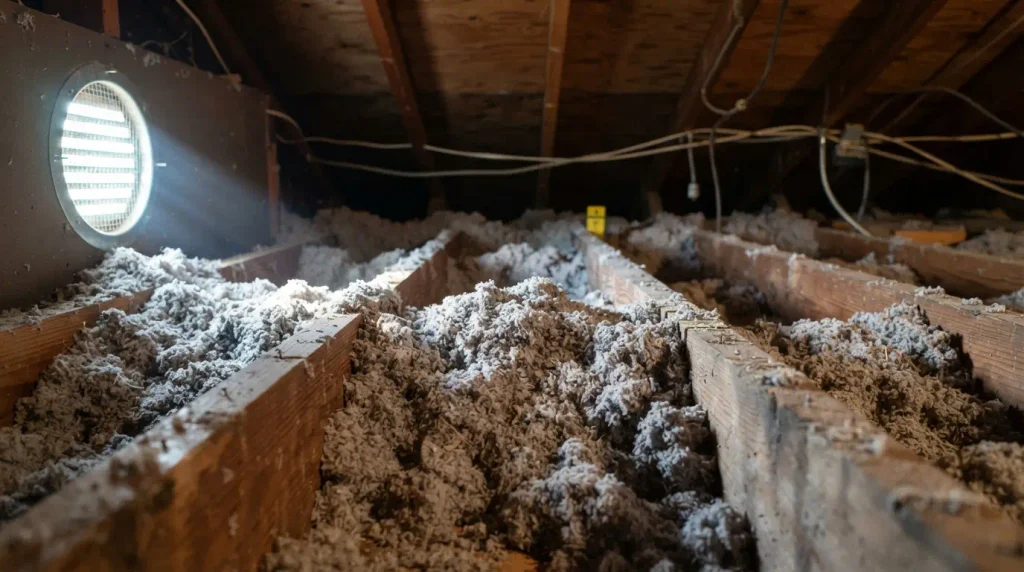
Steps to insulate an attic:
- Seal air leaks around pipes, wires, and vents first.
- Add a vapor barrier if your climate is cold and humid.
- Lay or blow in insulation to your target R-value.
- Keep soffit vents clear so air can still flow.
- Weatherstrip the attic hatch and glue foam board to its back.
Sealing leaks before adding insulation matters most. Insulation placed over an air leak still lets heat escape.
Wall Insulation
Walls without insulation feel cold to the touch. Many older homes still have empty wall cavities.
Adding insulation to finished walls usually means blowing dense pack cellulose or foam through small holes. A contractor drills the holes, fills the cavity, then patches the wall.
If you are renovating, your walls may already be open. This is the easiest time to add batts or spray foam. Waiting until the walls close up again makes the job harder and costlier later.
Basement and Crawl Space Insulation
Basements and crawl spaces let cold air creep upward into your living space. Homeowners often overlook sealing these areas.
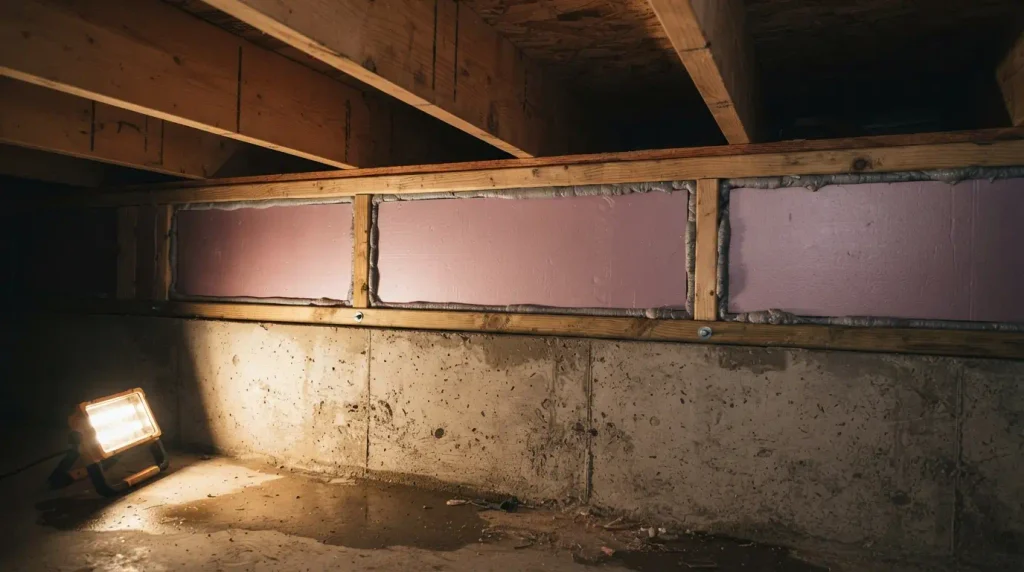
Insulate the rim joist first. This is where your foundation meets the wood frame. Rigid foam board or spray foam works best here.
For crawl spaces, insulate the walls instead of the ceiling above them. Add a plastic vapor barrier over the exposed ground. This keeps rising moisture out of your home.
Insulating Windows and Doors
Windows and doors are common leak points. The Department of Energy estimates windows cause close to 10 percent of a typical home’s air leaks. Doors account for nearly as much.
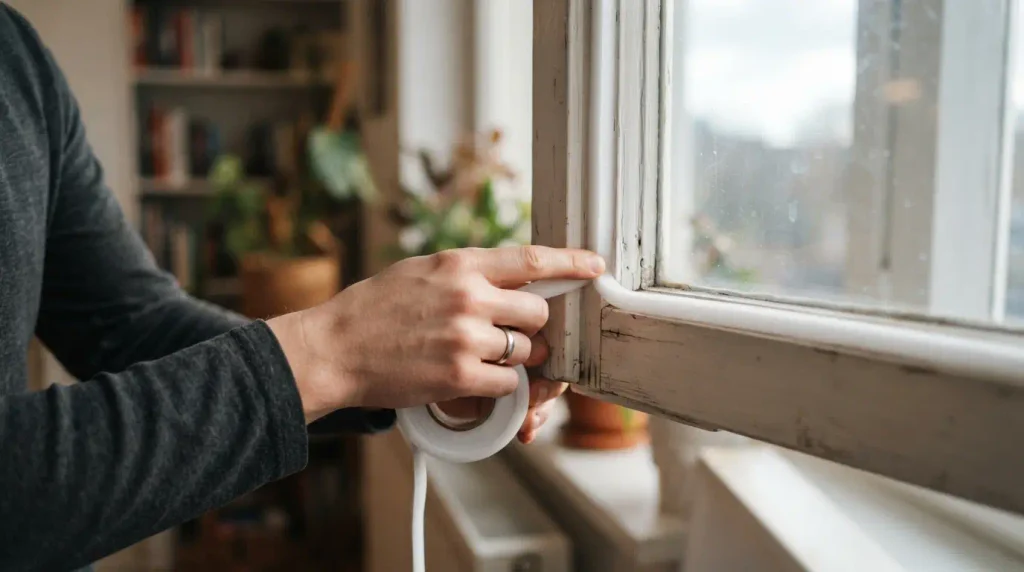
Simple fixes make a real difference:
- Apply weatherstripping around door and window frames
- Add caulk to any visible gaps or cracks
- Use door sweeps to block drafts at the bottom
- Install storm windows over older single pane glass
- Add thermal curtains for extra protection in winter
None of these fixes require special tools. Most take less than an hour per window or door.
Ductwork Insulation
Ducts running through attics, basements, or crawl spaces often leak conditioned air before it ever reaches your rooms. Sealing duct joints with mastic sealant or foil tape stops much of this waste.
Wrapping ducts with insulation sleeves keeps air at the right temperature as it travels. This upgrade pairs well with any attic or basement insulation project you already have planned.
How to Improve Home Insulation in an Older Home
Homes built before 1980 often need extra care. Many have solid walls with no cavity gap to fill. Some still carry old wiring that should never be covered by insulation.
Knob and tube wiring is a fire risk under modern insulation. Have an electrician inspect any old wiring before insulation work begins.
Solid brick or stone walls may need exterior insulation panels instead of cavity fill. A professional energy auditor can tell you the safest approach for your specific home.
Types of Insulation Materials Compared
Not all insulation performs the same way. The right material depends on your budget and the area you are insulating. It also depends on whether you plan to do the work yourself.
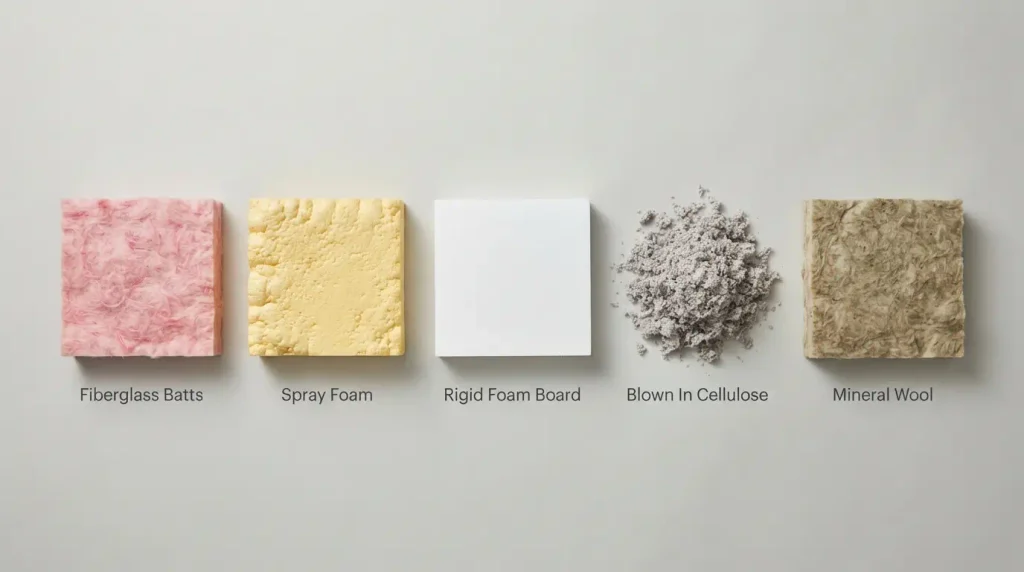
| Material | R-Value per Inch | Cost per Sq Ft | Best Use | DIY Friendly |
| Fiberglass batts | R2.9 to R3.8 | $0.64 to $1.19 | Walls, attics, floors | Yes |
| Blown in cellulose | R3.2 to R3.8 | $0.97 to $1.60 | Attics, hard to reach spaces | Sometimes |
| Spray foam | R3.5 to R6.5 | $1.50 to $3.50 | Walls, attics, rim joists | No |
| Rigid foam board | R3.8 to R6.5 | $1.00 to $2.00 | Basements, exterior walls | Yes |
| Mineral wool | R3.0 to R3.3 | $1.00 to $1.50 | Walls, attics | Yes |
Spray foam delivers the highest R-value per inch and seals air leaks in one step. The tradeoff is cost and the need for professional equipment.
Fiberglass batts remain the most budget friendly choice for open, straightforward spaces like attic floors and unfinished walls.
Eco-Friendly Insulation Options
Some homeowners want insulation with a smaller environmental footprint. Cellulose from the table above is one option. A few other natural materials also perform well.
- Cotton and denim batts, often made from recycled fabric scraps
- Sheep wool, which naturally regulates moisture and resists fire
These options usually cost a little more than standard fiberglass. Most perform just as well and last just as long.
DIY vs. Hiring a Professional
Some insulation jobs suit a weekend project. Others call for a trained professional.
DIY makes sense when:
- You are adding batts to an open, easy to reach attic
- You are sealing small gaps with caulk or foam
- You are hanging thermal curtains or adding door sweeps
Call a professional when:
- The job involves spray foam or blown in insulation
- Your home is older and may have outdated wiring, covered further below
- You need to improve home insulation in walls that are already closed
A professional already owns the right tools and understands local codes. For big projects, hiring out often saves time and prevents costly mistakes.
No-Cost and Low-Cost Fixes for Renters and Tight Budgets
You do not need to own your home to stay warm. Renters and budget conscious homeowners have plenty of options.
- Hang heavy curtains over drafty windows
- Place draft stoppers at the base of doors
- Use removable window insulation film
- Add rugs over cold, bare floors
- Seal small gaps with removable caulk made for rentals
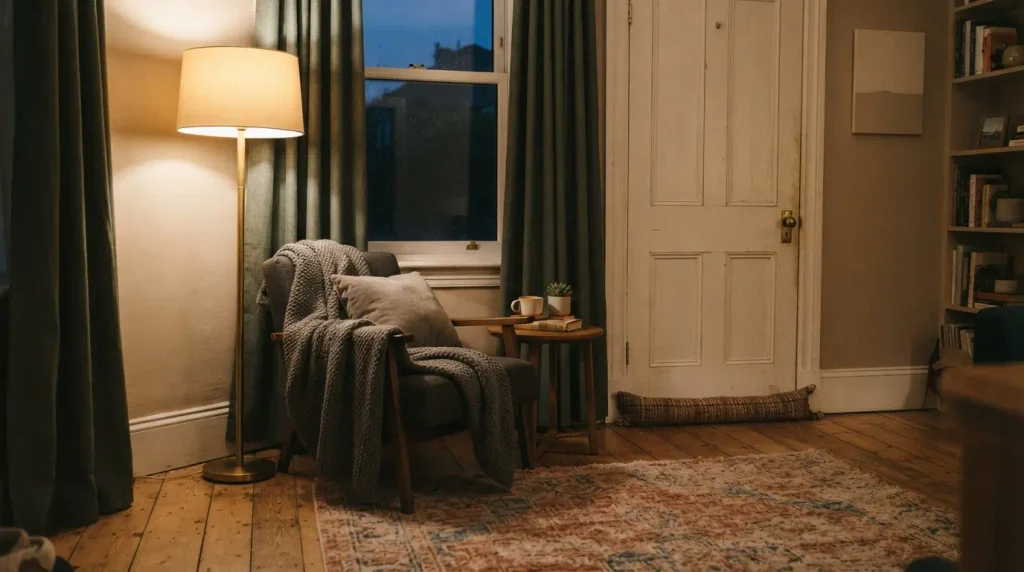
Most of these fixes cost under thirty dollars. Many take less than fifteen minutes to install.
How Much Does It Cost to Improve Home Insulation
That DIY or professional choice comes down to real numbers. Costs vary by material, project size, and labor. Here is what homeowners typically spend.
| Project | Average Cost | DIY Cost | Professional Cost |
| Attic insulation, 1000 sq ft | $1,500 to $3,500 | $600 to $1,200 | $1,500 to $3,500 |
| Blown in wall insulation | $1,500 to $3,500 | Not recommended | $1,500 to $3,500 |
| Basement rim joist sealing | $300 to $800 | $100 to $300 | $300 to $800 |
| Weatherstripping and caulking | $50 to $200 | $20 to $100 | $150 to $300 |
Most homeowners recover their investment within two to five years through lower energy bills. Attic insulation often pays for itself the fastest, since it targets the single largest source of heat loss.
US Rebates and Tax Credits for Home Insulation
The federal government offered real savings on insulation upgrades through the Energy Efficient Home Improvement Credit, which let homeowners claim 30 percent of qualifying costs with annual limits set by the IRS. This credit expired December 31, 2025, so check current federal programs before budgeting around it.
Many states and utility companies add their own rebates on top of this. The Database of State Incentives for Renewables and Efficiency, known as DSIRE, lists current programs by state.
Energy Star also publishes updated federal tax credit details on its official site. Stacking a state rebate with the federal credit can lower your total project cost significantly.
When to Insulate Your Home
Fall and spring are the best times to insulate. Mild weather makes attic and crawl space work safer and more comfortable.
Waiting until the coldest or hottest months means working in extreme conditions. It also means missing savings during the exact season you need insulation most.
If you are selling your home, insulation upgrades can boost buyer interest. Energy efficiency has become a real selling point in many US housing markets.
Final Thoughts
Good insulation touches every part of your home, including the attic, walls, and basement floor. Start with a simple walkthrough to spot warning signs. Check your climate zone, then compare it to your current R-value.
Small fixes like weatherstripping cost little and work fast. Bigger jobs like spray foam or wall insulation may need a professional. Either way, the payoff shows up in your comfort and your energy bill.
If you are ready to improve home insulation this season, start with the area losing the most heat. For most homes, that means the attic. One project at a time, your home gets warmer and cheaper to run.
Frequently Asked Questions
What happens if your house isn’t insulated?
Heat escapes fast in winter and enters fast in summer. Your HVAC system works overtime. Energy bills rise, and rooms feel uneven and uncomfortable.
Can a house have too much insulation?
Yes, in some cases. Over insulating without proper ventilation can trap moisture and lead to mold. Balance insulation levels with proper airflow and vapor barriers.
Should you insulate a home from the inside or outside?
Both approaches work. Outside insulation avoids disrupting interior walls. Inside insulation is usually cheaper and easier for DIY projects. Your best choice depends on budget and wall type.
How does insulation improve energy efficiency?
Insulation slows heat transfer between indoor and outdoor air. This means your heating and cooling systems run less often. Less runtime means lower energy use and lower bills.
How do you insulate an attic?
Seal air leaks first. Then add fiberglass batts or blown in insulation until you reach your climate zone’s recommended R-value. Keep vents clear so air can still circulate.

About HomeFixStyle
HomeFixStyle is a home improvement blog dedicated to helping readers create better, more comfortable, and stylish homes. We share practical ideas, helpful guides, home decor inspiration, renovation tips, and simple solutions for everyday home projects. Our goal is to make home improvement easier to understand and apply, whether you are updating one room or improving your entire home.