A range hood is one of the few kitchen features that works overtime. It clears smoke and grease from the air. It also anchors the whole room. This guide walks through range hood ideas by style, material, and budget. You will also find small kitchen fixes, ventilation basics backed by design standards, and answers to common questions. Maybe you want a bold plaster hearth. Maybe you want a hood that disappears into the cabinetry. Either way, there is a direction here for you.
What Makes a Statement Range Hood Work
A great hood does two jobs at once. It pulls smoke, steam, and odors out of your kitchen. It also gives your eye a place to land.
Most kitchens have one clear focal point. Often it sits above the range. That is why designers treat the hood wall the way they treat a fireplace mantel. The shape, the material, and the scale all matter.
A hood does not need to be loud to make an impact. Some of the best designs are simple. They earn attention through proportion, not decoration. Others go bigger, using texture, metal trim, or a dramatic silhouette to carry the whole kitchen.
Before you pick a look, think about your island, backsplash, and cabinet color. These pieces work as a set. A hood chosen in isolation rarely feels finished once the rest of the kitchen comes together.
Range Hood Ideas by Kitchen Style
Style is usually the first decision. Once you know the direction, everything else, from material to trim, tends to follow. Here are range hood ideas broken down by the most common kitchen styles.
Farmhouse Range Hoods
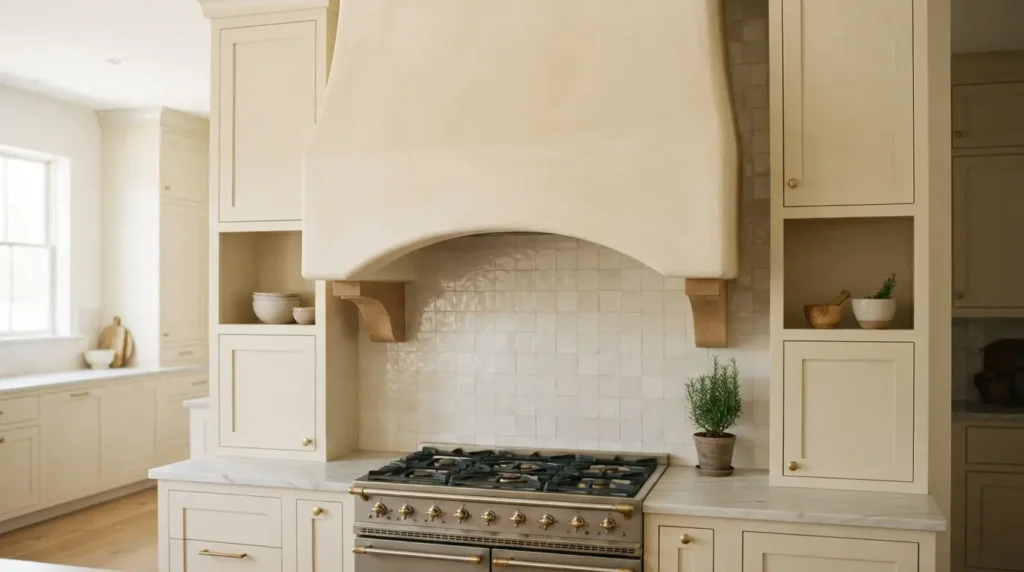
Farmhouse kitchens lean on warmth and texture. A wood mantel hood is the signature choice here. Pair it with shiplap on the surrounding wall for a look that feels collected, not built yesterday.This warmth carries outside the kitchen too, especially when paired with the same farmhouse windows style used through the rest of the home.
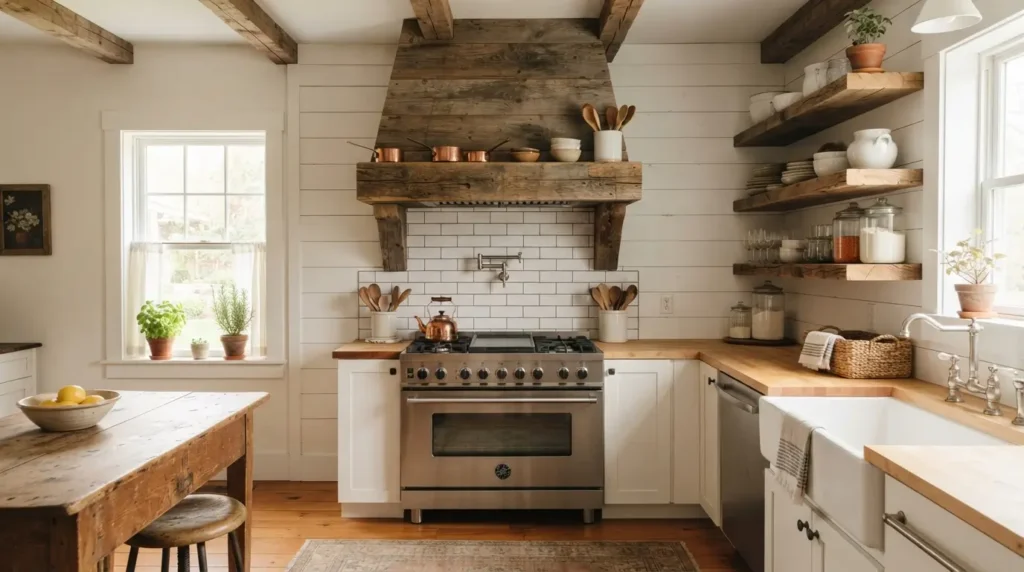
A gentle arch works well too. It softens the straight lines of the cabinetry and echoes older hearth designs. Keep the corbels simple. Bulky trim can push a farmhouse hood into costume territory fast.
Modern and Minimalist Range Hoods
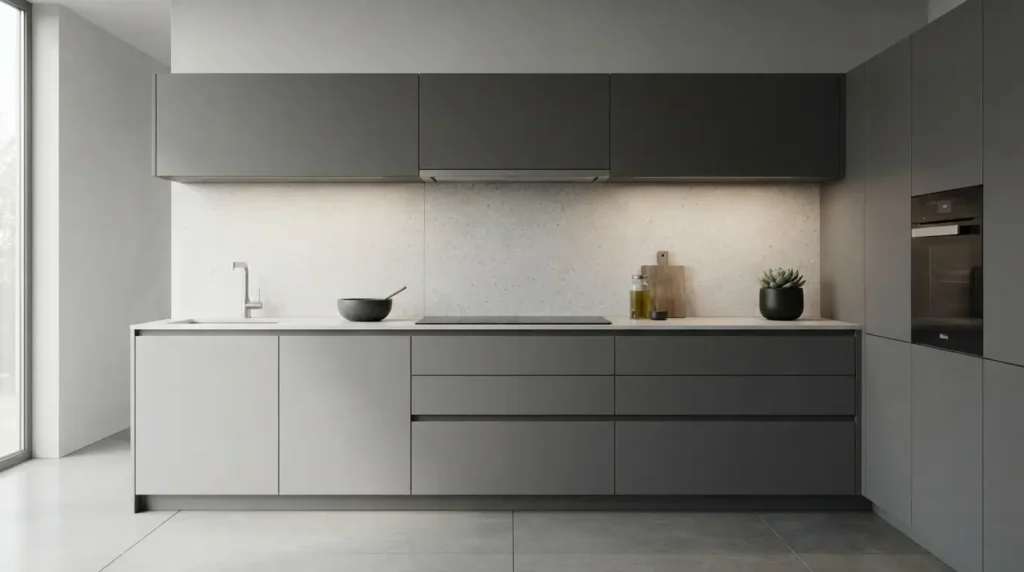
Modern kitchens often hide the hood entirely, echoing the same clean lines you see across modern house design more broadly. A slim, low-profile insert tucked behind flat panel cabinetry keeps sightlines clean. When a hood is visible, it usually reads as one block of color or metal. There is no applied trim at all.
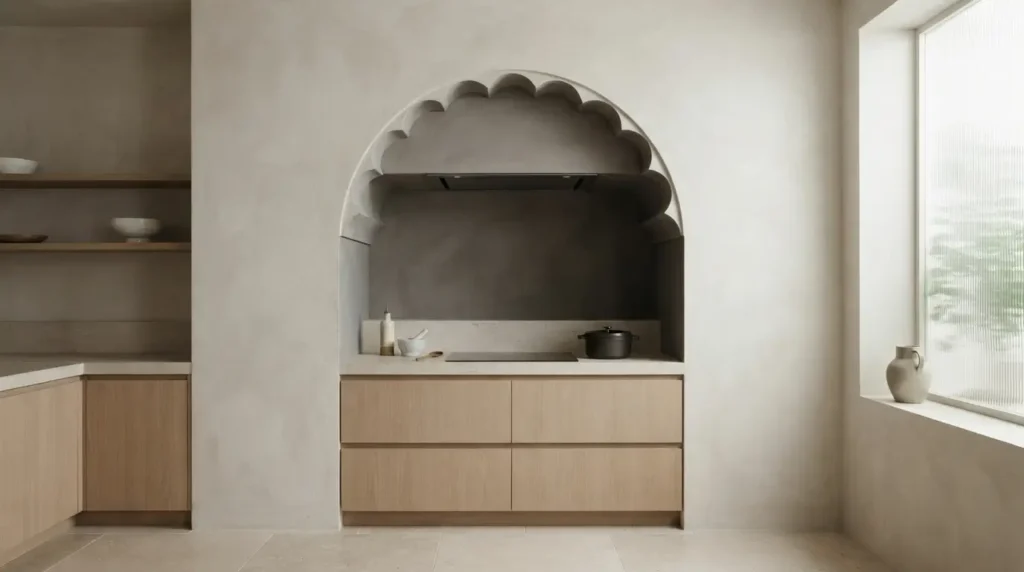
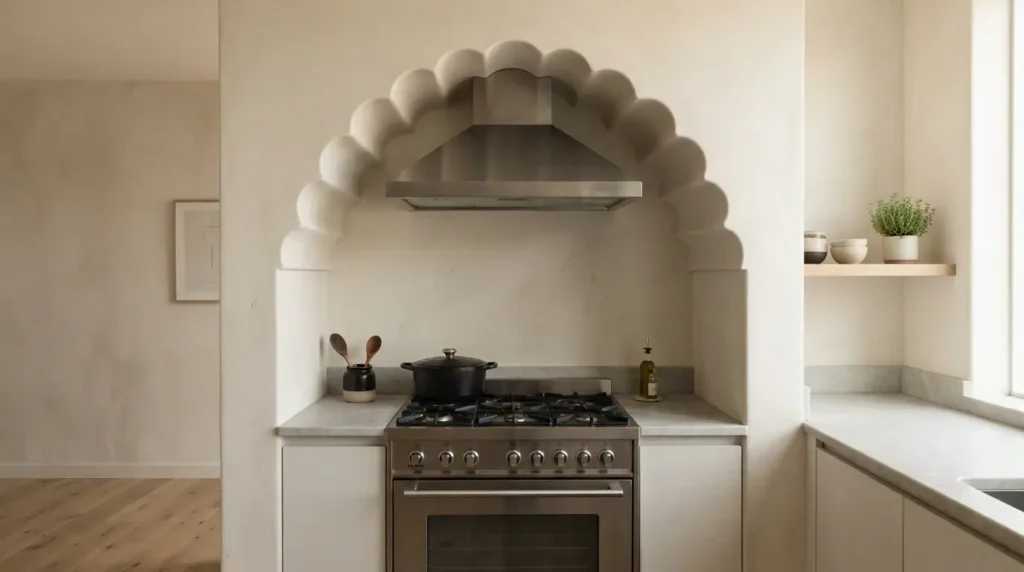
Minimalist kitchens take this further. One unexpected detail can carry the entire design, like a scalloped niche cut into the wall around the hood. Everything else stays restrained on purpose.
Industrial Range Hoods
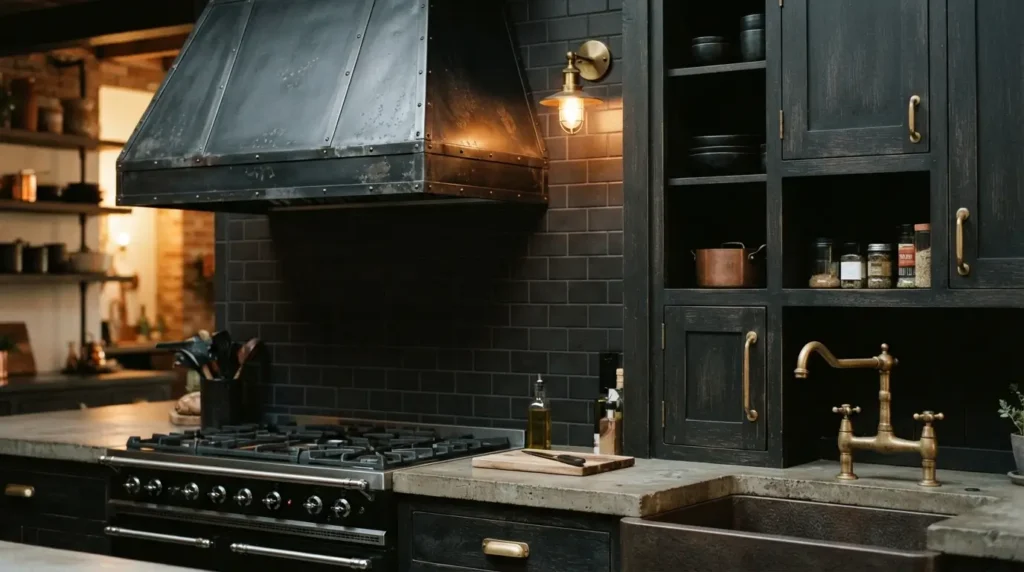
Industrial kitchens favor exposed metal and visible hardware. A stainless steel chimney hood with rivets or banding fits naturally here. Black metal frames and matte finishes also read as industrial without feeling cold.
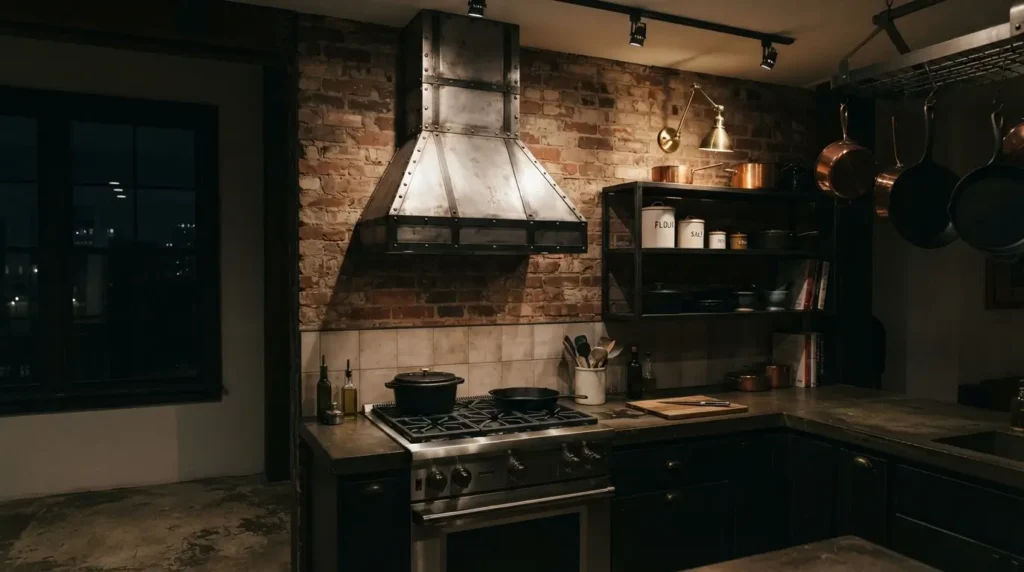
This style pairs well with open shelving. Unlacquered brass fixtures nearby keep the metal from looking too uniform.
Mediterranean and French Country Range Hoods
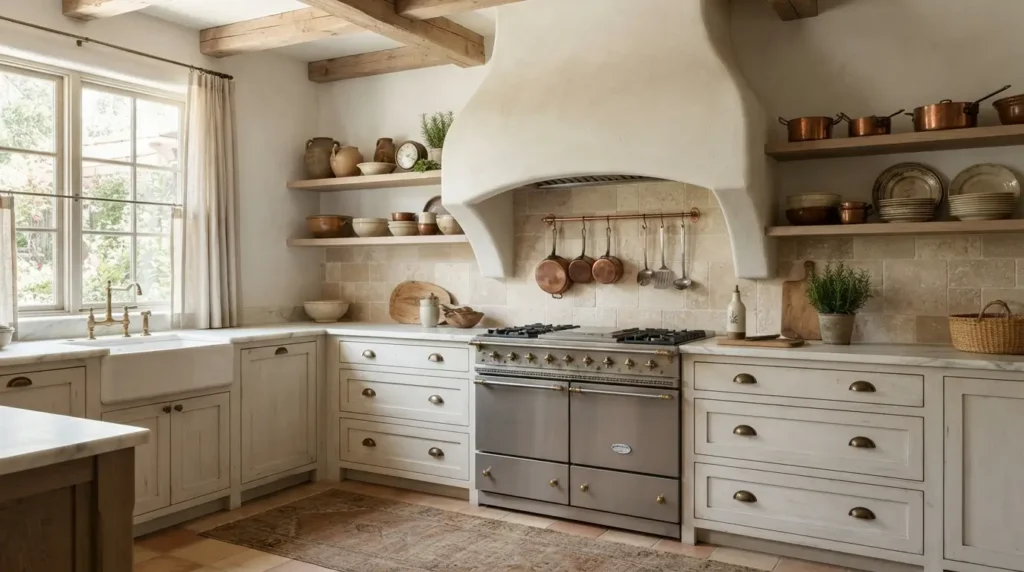
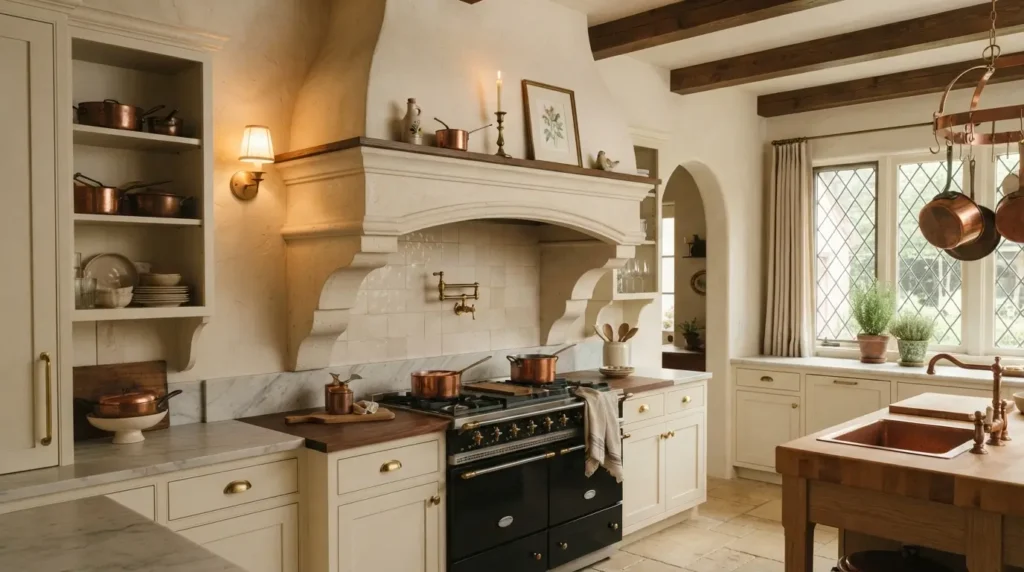
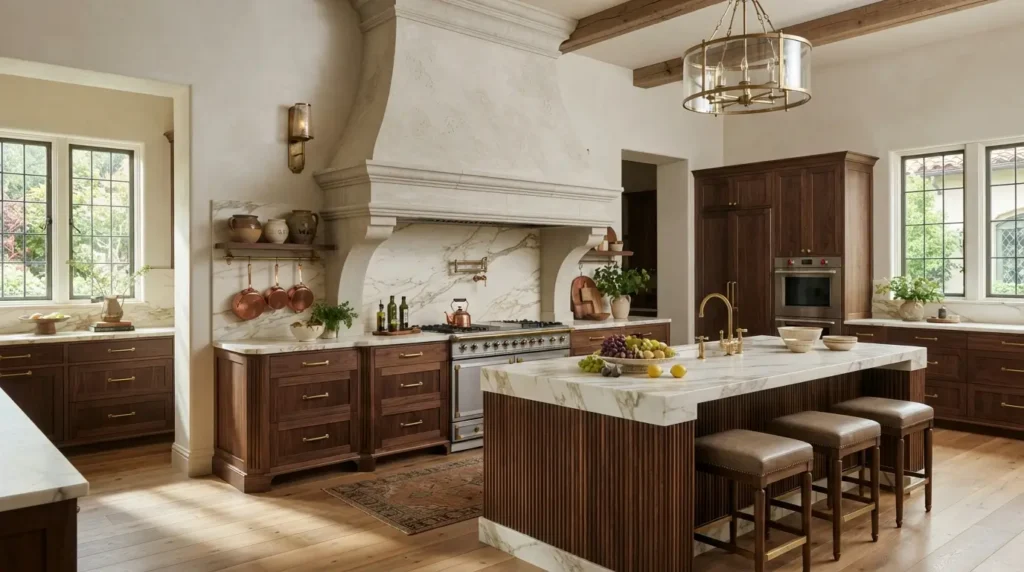
Stone and plaster define this look. A stone hearth hood with a simple arch, built in a restrained color palette, feels authentic rather than themed. Smooth hand-applied plaster is another strong choice. It brings warmth without adding pattern.
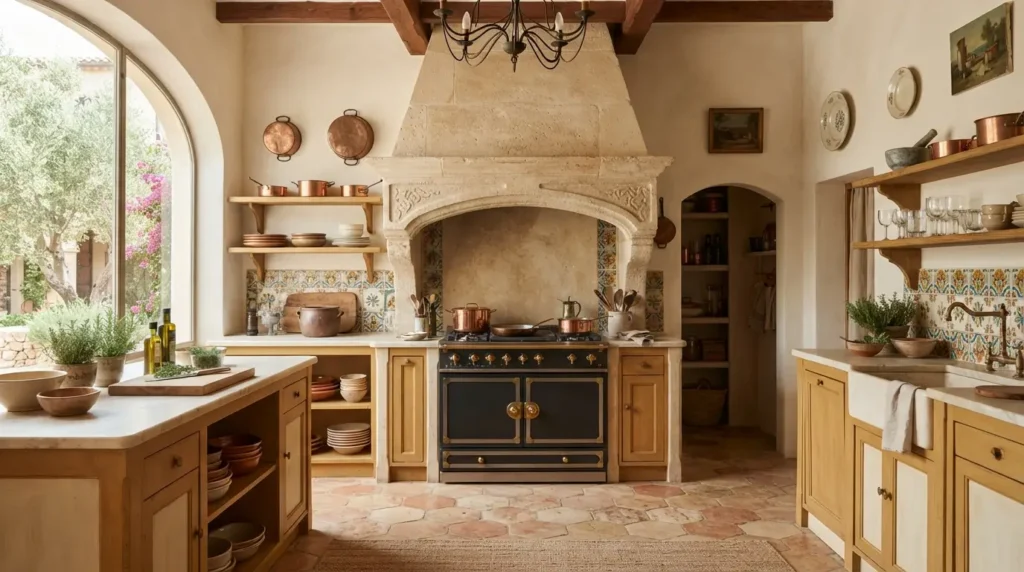
Keep the surrounding materials quiet. One textured surface, either the hood or the backsplash, should lead. Using heavy texture in both places tends to compete rather than complement.
Transitional Range Hoods
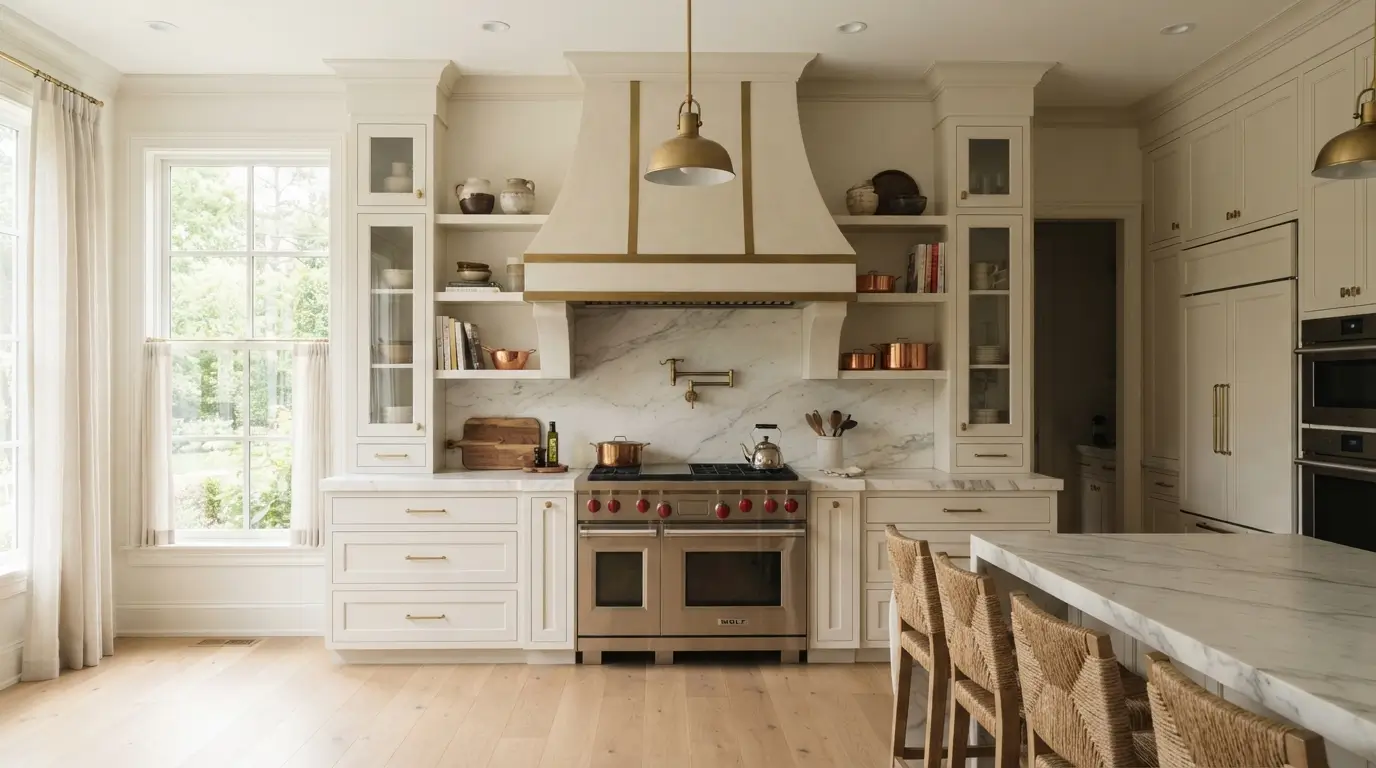
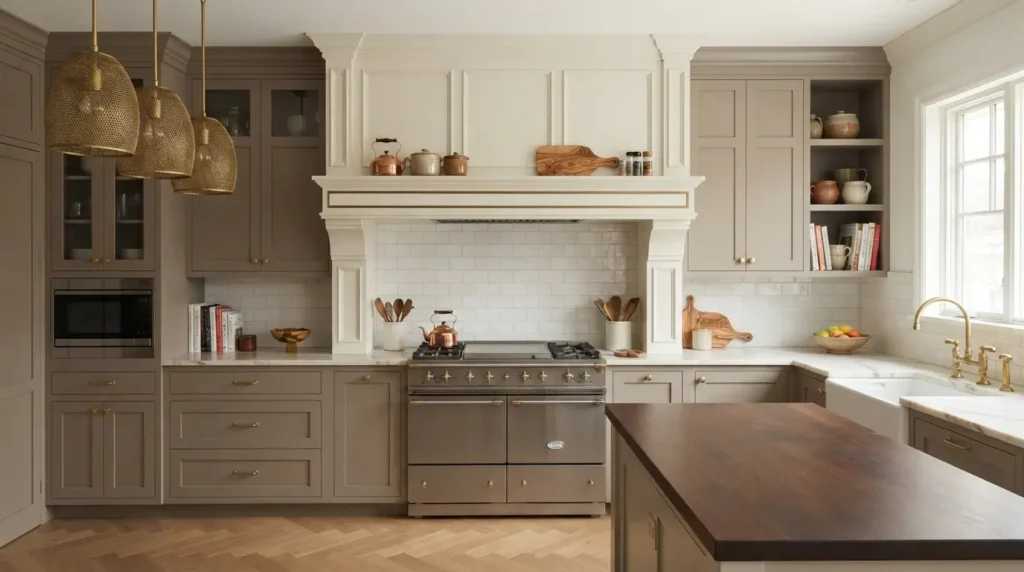
Transitional kitchens blend traditional shapes with cleaner finishes. A paneled wood hood in a painted finish, styled like a mantel, sits comfortably here. Metal accents add a touch of formality. Brass banding or a nickel finish work well without tipping into full traditional style.
Range Hood Materials Worth Considering
Material changes the personality of a hood more than almost any other choice. These range hood ideas by material show how the same product can look completely different by finish alone.
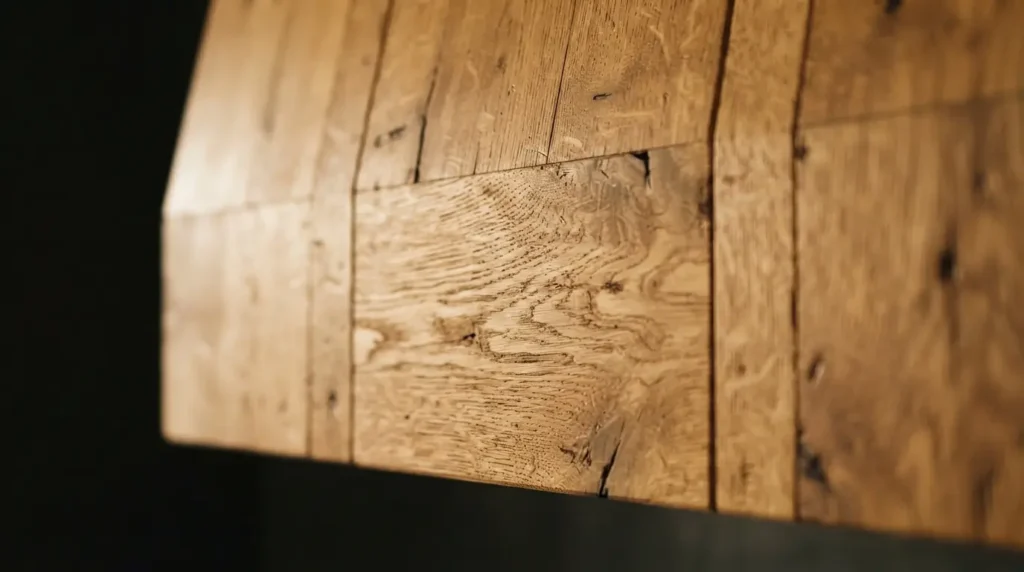
Wood brings warmth and works across farmhouse, transitional, and modern organic kitchens. It pairs naturally with wood floors and open shelving.
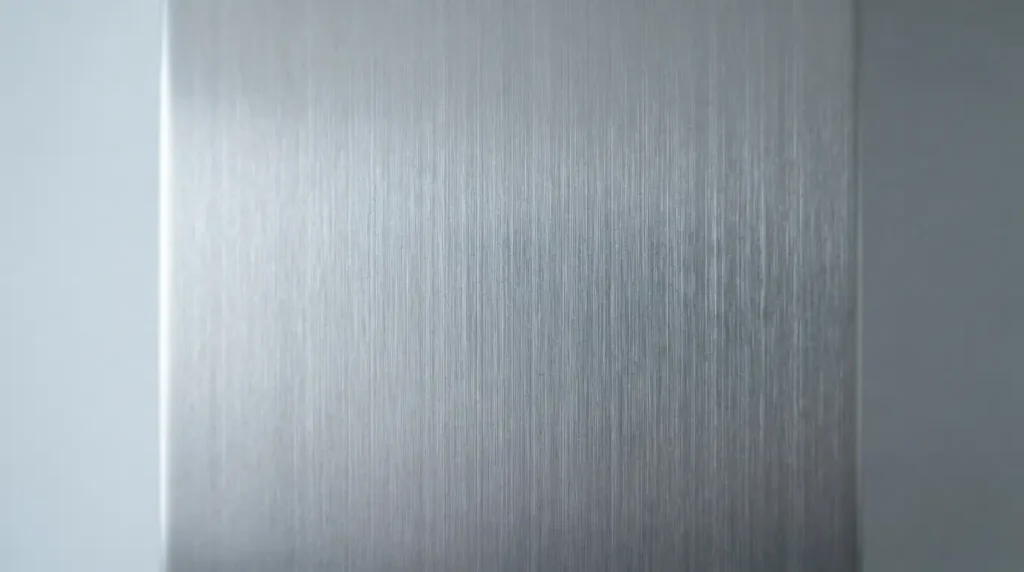
Stainless steel stays practical and easy to clean. It suits modern, industrial, and transitional kitchens equally well.
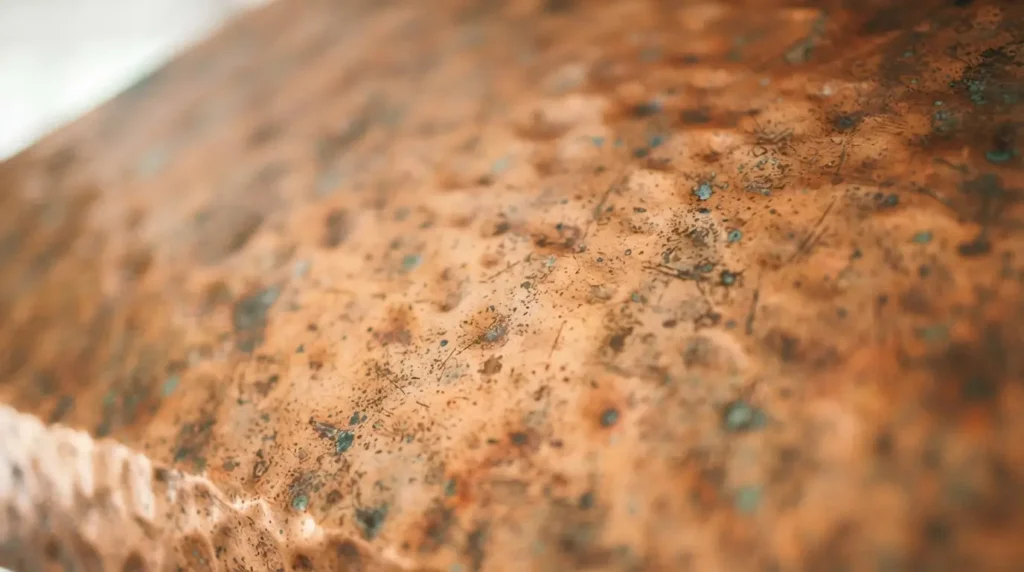
Copper develops a natural patina over time. It adds warmth and works as a genuine focal point in traditional and European-inspired kitchens.
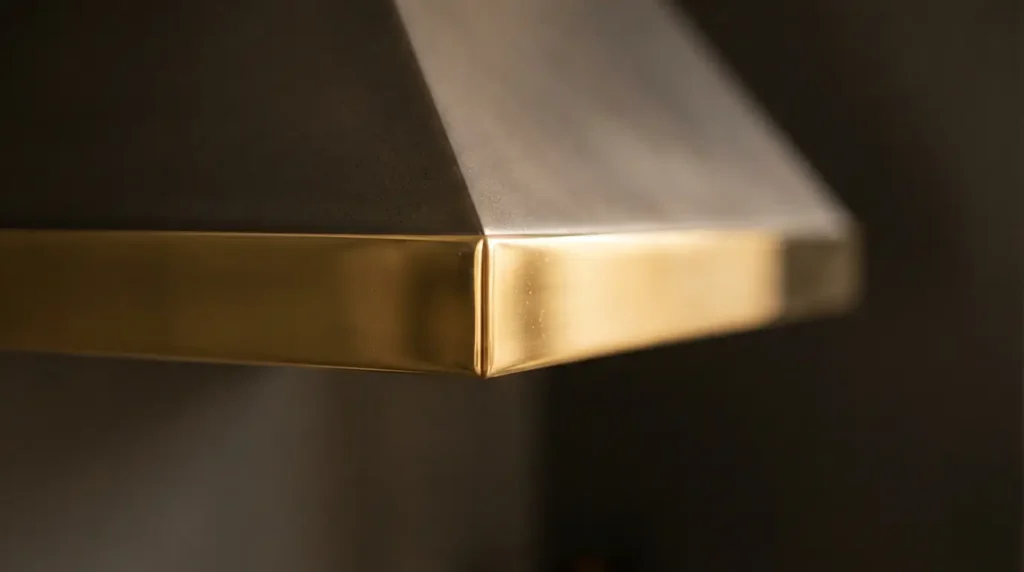
Brass trim, whether polished or aged, dresses up a plain hood shape fast. A little goes a long way.
Plaster is having a strong moment right now. Its soft, matte texture suits Mediterranean, French Country, and modern organic kitchens.
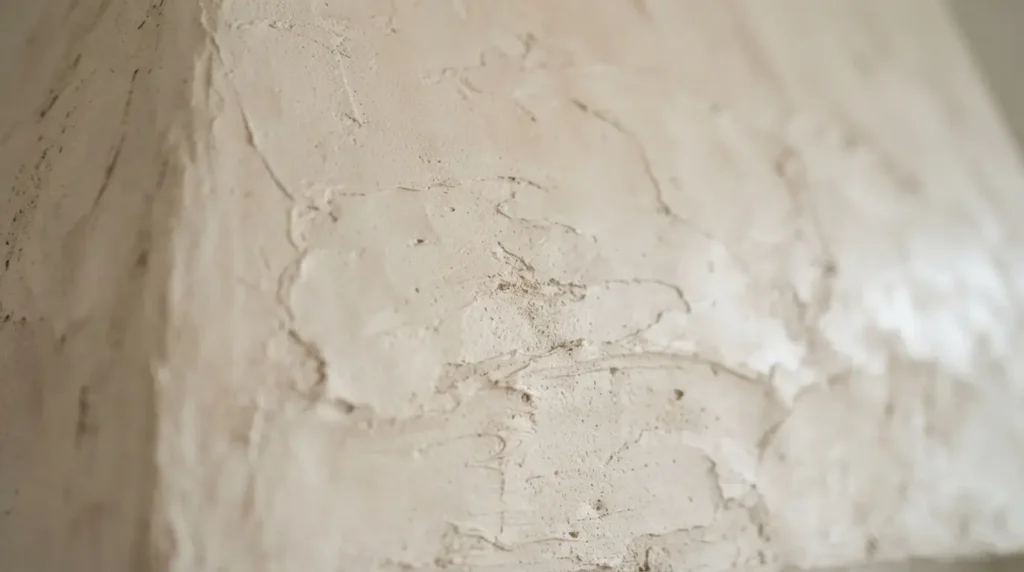
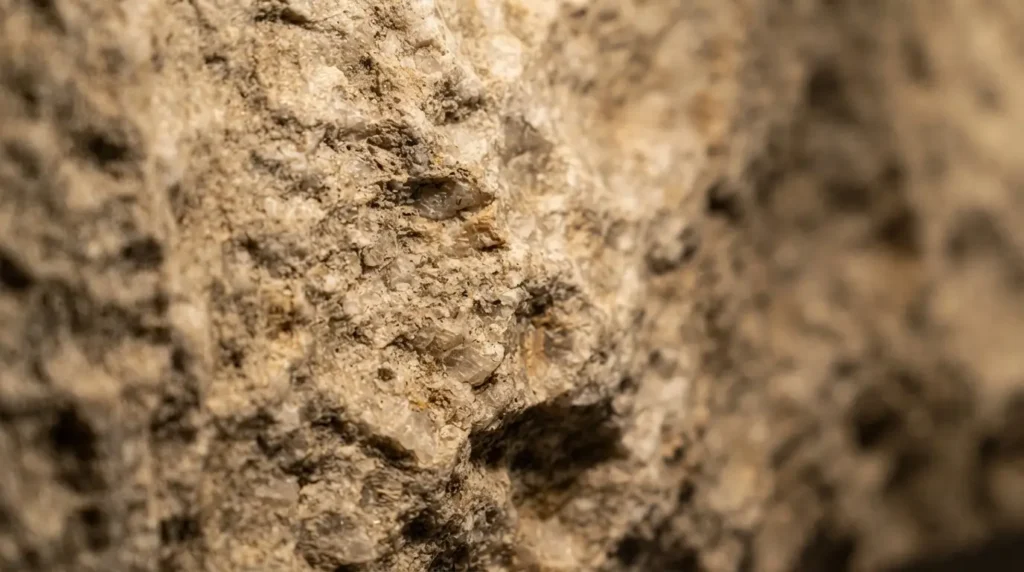
Stone, either natural or cast, brings permanence. It works best at a larger scale, where the material can be the star.If you go with a natural stone hood, learn how to clean soapstone countertops to keep matching surfaces looking their best.
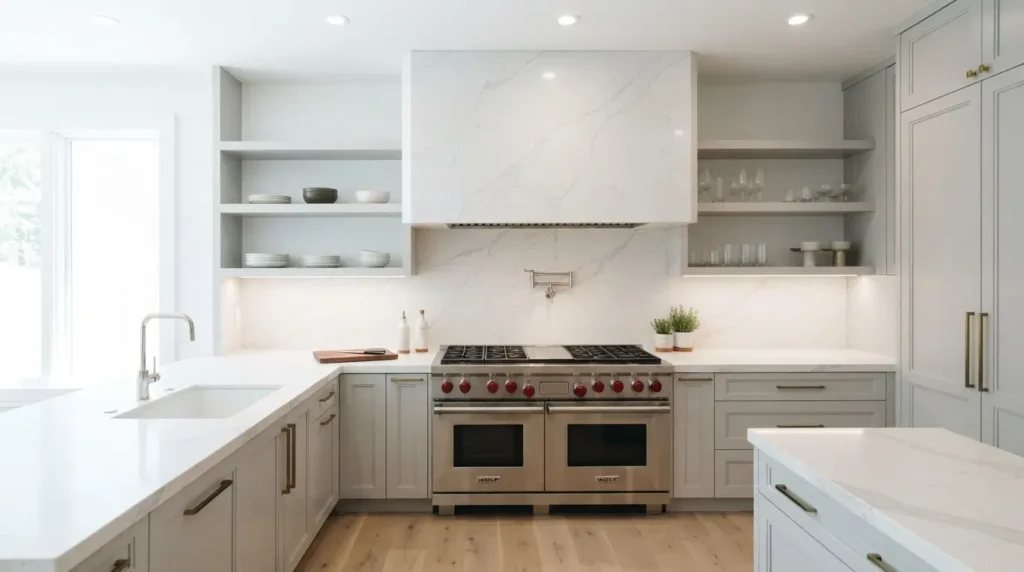
Quartz surfacing wraps around a custom hood enclosure. It offers a low-maintenance option that matches your countertops for one unified look.
Unique and Statement-Making Range Hood Ideas
Some homeowners want their hood to be the one thing guests remember. If that is your goal, consider these directions.
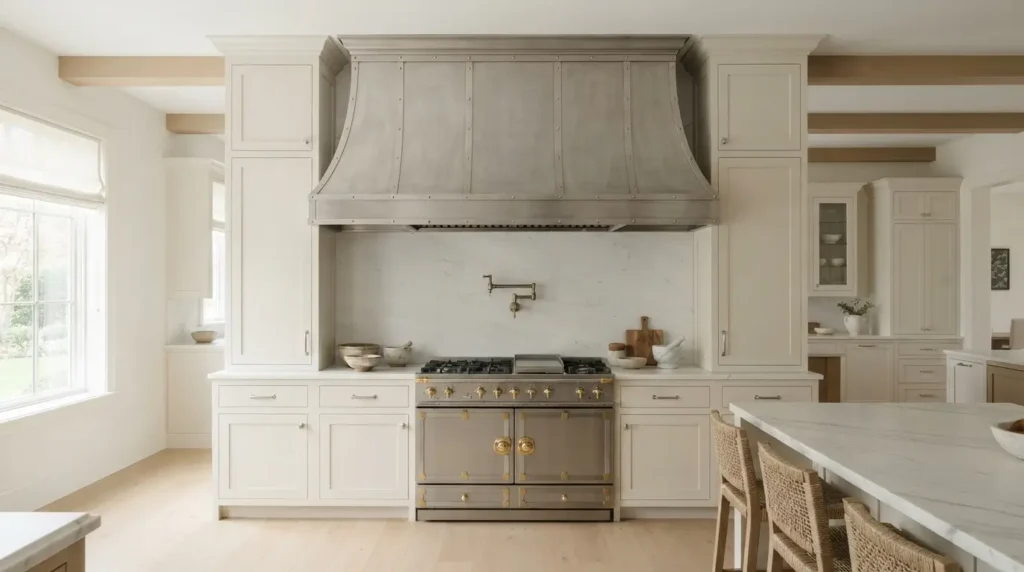
Picture a wide hood, ten feet or more, in a nickel silver finish. Capped by matching cabinet panels, it turns the whole range wall into one sculptural piece. It works best when the rest of the kitchen stays simple, so the hood carries the visual weight alone.
A chateau style mantel hood, styled after a European fireplace, is another bold option. Some homeowners add a display shelf above it for art or collected objects. They treat the space the way they would a living room mantel.
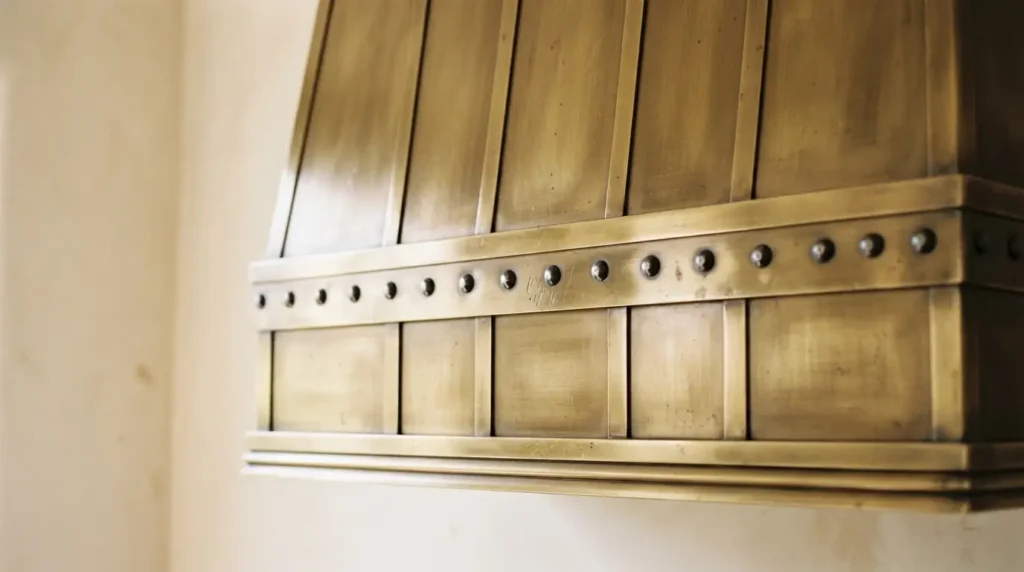
Metal riveted trim in a horizontal banding pattern can turn a plain paneled hood into a focal point. This detail borrows from traditional hardware design. It works in both classic and updated kitchens.
Want something quieter but still unexpected? A scalloped cutout in the wall around the hood adds interest without a single extra material.
Budget-Friendly to Custom Range Hood Styles
Range hood ideas do not need a luxury budget to look intentional. Here is how the options generally break down.
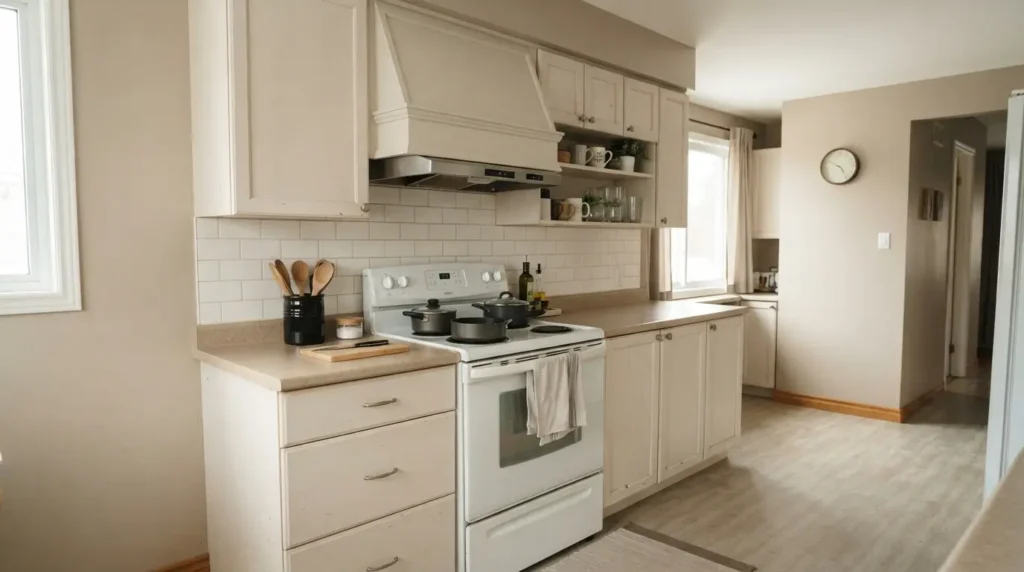
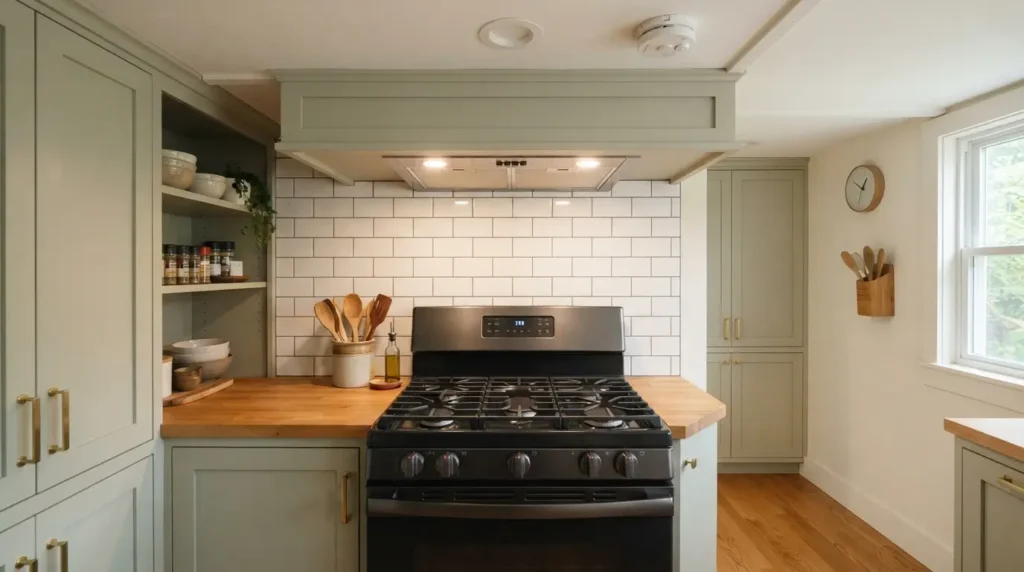
Budget-friendly. A basic insert hood, hidden behind a simple painted surround, delivers a custom look for a fraction of the cost. Many homeowners build this surround themselves with standard lumber and trim.
Mid-range. A stainless steel chimney hood sits in the middle. So does a semi-custom wood mantel built by a local cabinet shop. Both add real character without a fully custom price tag.
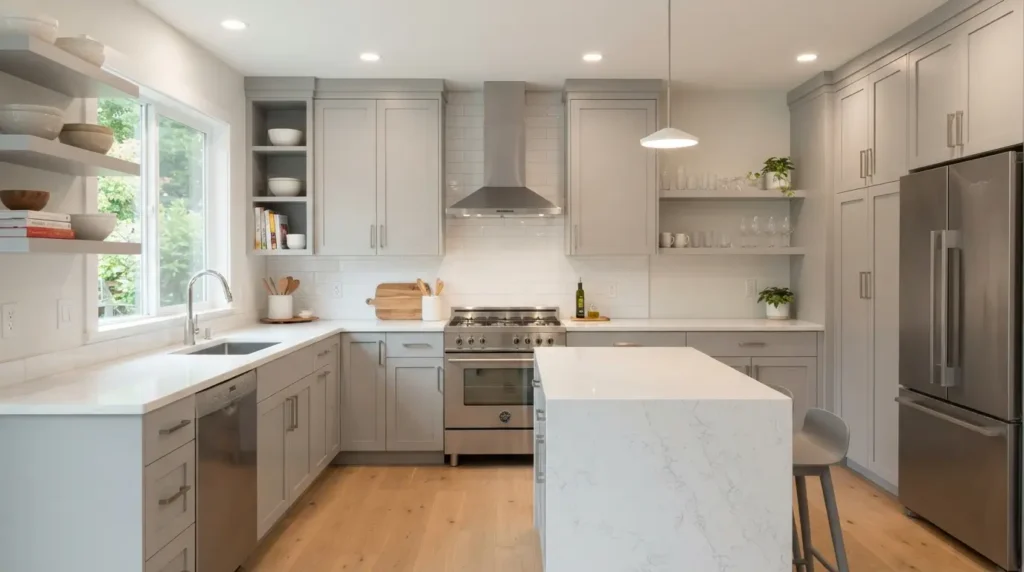
Custom and luxury. Hand-applied plaster, cast stone, and nickel silver hoods fall into this category. Pricing depends heavily on size, material, and local labor. Get a quote from a fabricator early in your planning.
Whatever your budget, the hood should feel proportional to your range and your kitchen. A small hood on a large range looks unfinished. An oversized hood on a modest range can overwhelm the room.
Range Hood Solutions for Small Kitchens and Low Ceilings
Not every kitchen has room for a dramatic hood, and that is fine. Small kitchens still deserve range hood ideas that feel intentional, not squeezed in as an afterthought.
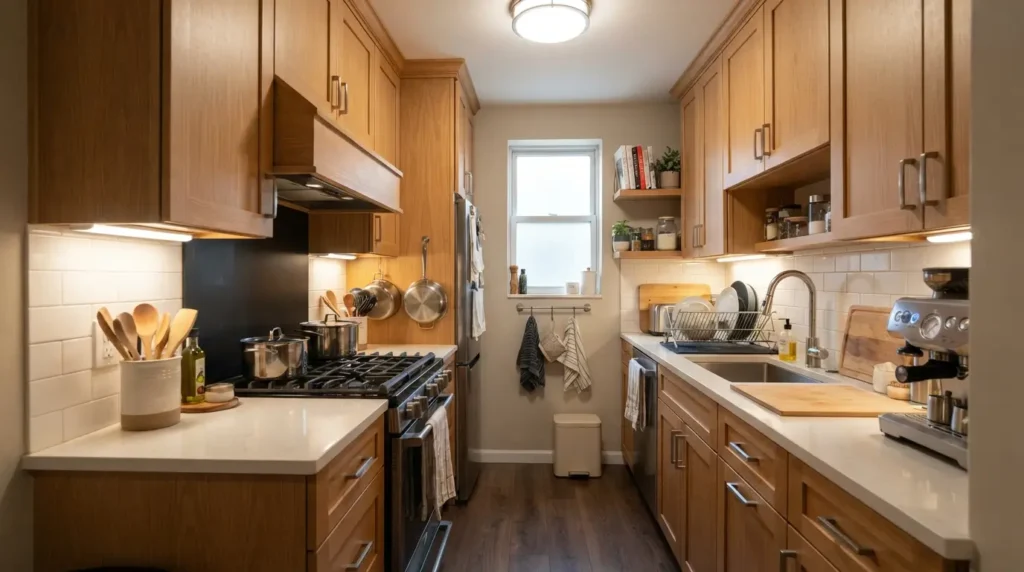
Small Kitchen Range Hood Ideas
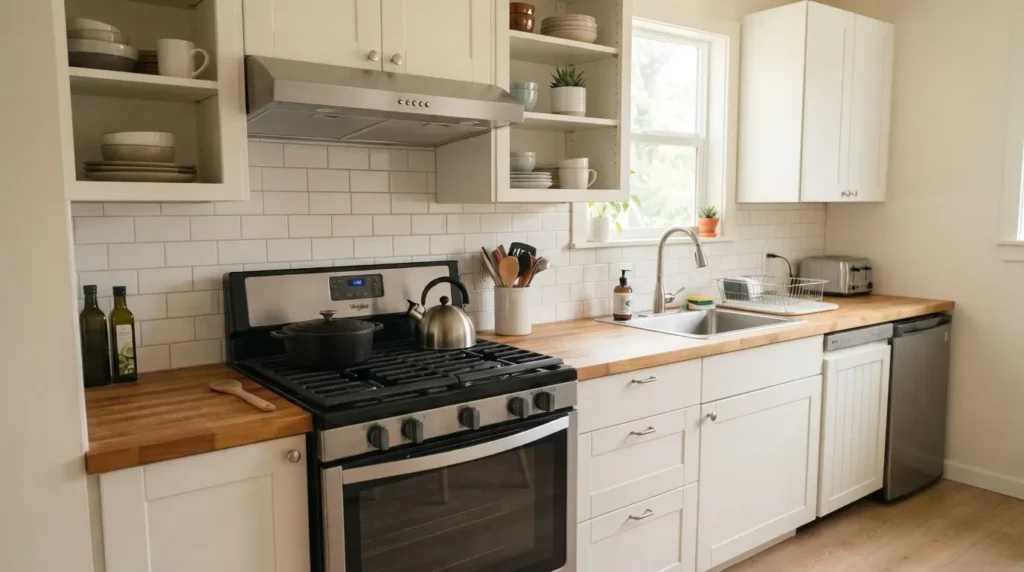
A low-profile under-cabinet hood is the most space-efficient option. Choose one finished to match your cabinetry, and it will disappear into the design rather than compete for attention.
A slim insert hood, framed in a shallow custom surround, adds style without eating into headroom. For low ceilings, this often beats a tall chimney style hood.
No exterior wall to vent through? A ductless hood filters air instead of venting it outside. It will not remove heat and moisture as well as a ducted system. Still, it solves a real layout problem.
Ventilation Basics Behind Every Great Hood
Style matters, but function keeps the kitchen comfortable. A few basics are worth knowing before you turn range hood ideas into a real purchase.
CFM, or cubic feet per minute, measures how much air your hood can move. The National Kitchen and Bath Association recommends at least 150 CFM for a ducted range hood. Code sets 100 CFM as the minimum. Larger ranges and heavy cooking, especially frying or high-heat searing, call for more power.
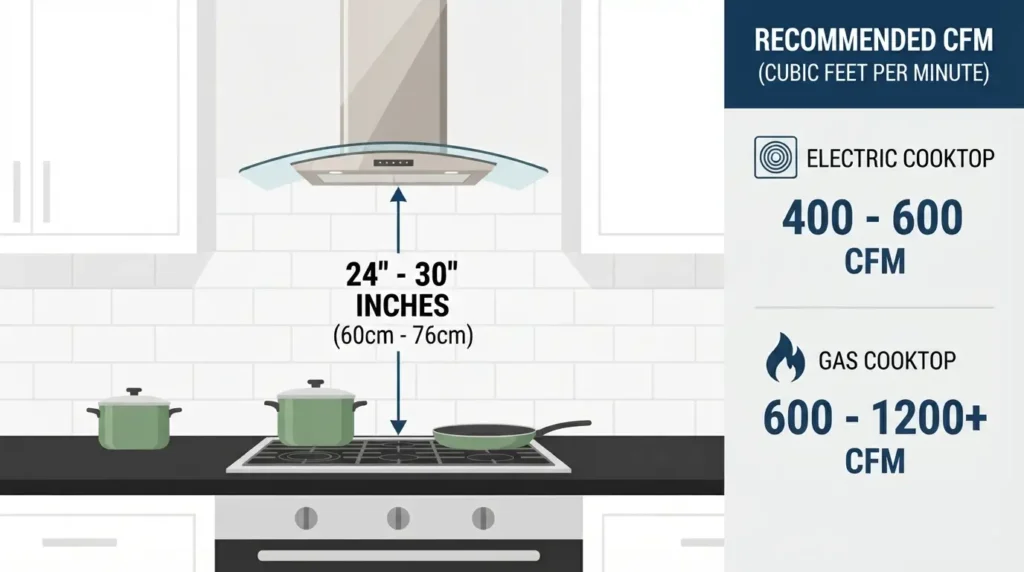
Mounting height matters too. Most range hood height guidelines recommend 20 to 24 inches above an electric cooktop. For gas cooktops, aim for 24 to 30 inches. Mount a hood too low, and it crowds your cooking space. Mount it too high, and it loses much of its capture power.
Ducted hoods vent air outside and perform best overall. Ductless hoods filter and recirculate air instead. They work well when outside venting is not possible, though they remove less heat and moisture.
Final Thoughts
Range hood ideas work best when style and function move together. Pick a direction that fits your kitchen’s architecture. Choose a material you will still love in ten years. Size the ventilation correctly behind it. Get those three things right, and your range hood will do far more than clear the air. It will hold the whole kitchen together.
Frequently Asked Questions
What is a good alternative to a traditional range hood?
A downdraft vent built into the cooktop or countertop is the most common alternative. It works well for island cooktops where a hanging hood is not practical. It is generally less effective than an overhead hood, though.
Do range hood ideas need to match my cabinets?
No. Many designers intentionally contrast the hood material against the cabinetry. This turns the hood into a focal point rather than a matching piece. A wood hood against white cabinets, or a plaster hood against dark millwork, both work well.
How much does a custom range hood cost?
Costs vary widely by size, material, and region. A basic insert with a simple surround can cost a few hundred dollars in materials. Fully custom plaster, stone, or metal hoods can run into the thousands, so get local quotes before budgeting.
What CFM do I need for my range hood?
For an electric cooktop, multiply the width in inches by 10. For a gas range, divide the total BTU output by 100. Add 200 to 300 CFM if you cook with high heat or fry often.
Can a range hood be too big for a kitchen?
Yes. A hood should feel proportional to the range below it and the kitchen around it. Oversized hoods in small rooms tend to dominate the space instead of anchoring it.

About Author
Hello there. I am Lathen Reed, a home improvement and interior design enthusiast. With a passion for creating beautiful, practical, and comfortable spaces, I share helpful ideas and inspiration related to home improvement, home decor, interior design, and home styling. Through HomeFixStyle, my goal is to make home improvement simple, inspiring, and accessible for everyone.