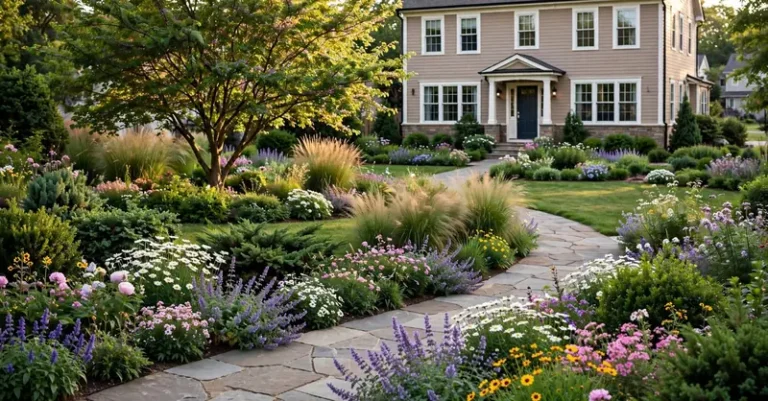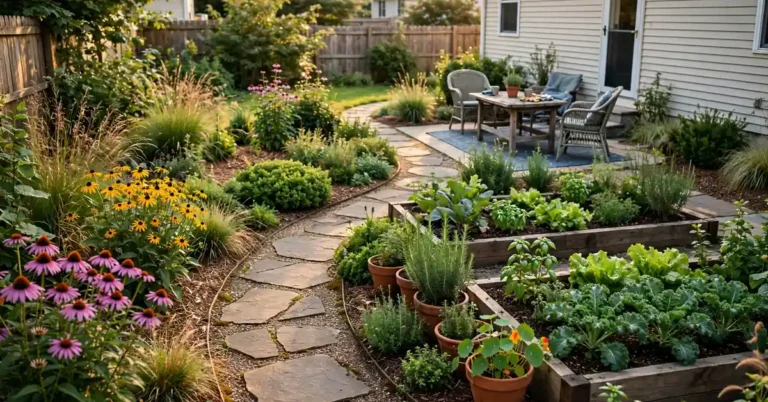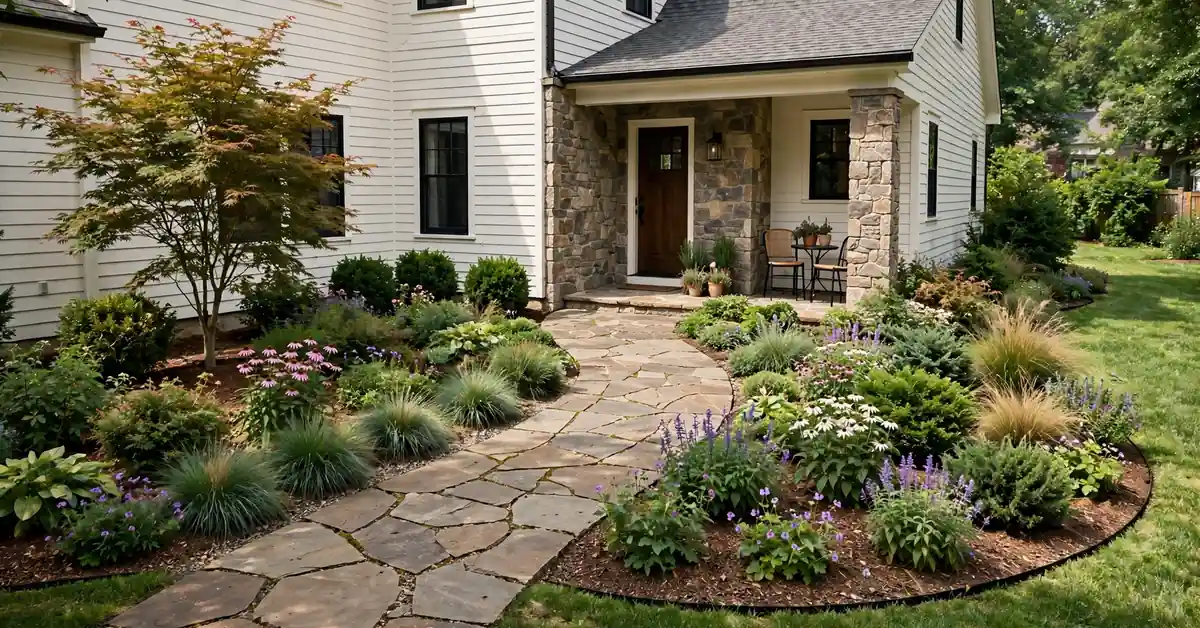
A beautiful yard starts with a good plan, not an expensive makeover. A few well-placed plants, a comfortable patio, or a new walkway can change how your outdoor space looks and feels. The right layout can also improve privacy and make outdoor chores easier.
These 35 landscape design ideas cover front yards, backyards, small spaces, modern gardens, and affordable projects. You’ll find planting suggestions, layout tips, material choices, and options for slopes, shade, or dry weather. You’ll also learn how to plan your yard, avoid common mistakes, and compare landscaping costs. Start with ideas that fit your property, budget, and daily routine.
How to Choose Landscape Design Ideas for Your Yard
Before buying plants or materials, walk around your property and think about what needs to change. Perhaps your entrance needs color, your backyard needs seating, or your neighbors overlook your patio. Consider sunlight, soil, drainage, and how much upkeep you can handle. Your answers will help you select an attractive layout that also works every day.
| Your yard or priority | Design worth considering | What to check first |
| Small front yard | Layered flower beds | Plant size and sunlight |
| Large backyard | Patio with separate activity areas | Access and drainage |
| Limited budget | Mulch, edging, and existing plants | Material costs |
| Narrow side yard | Stepping-stone pathway | Walking space |
| Hot, dry climate | Drought-tolerant garden | Local water needs |
| Shady property | Woodland garden | Light and soil moisture |
| Sloped yard | Terraced planting beds | Erosion and stability |
| Less maintenance | Reduced lawn and easy-care shrubs | Seasonal upkeep |
Your home’s exterior can help you choose a style. A brick house may look inviting with curved flower beds and a stone path. A modern home might suit rectangular pavers and simple shrubs. You don’t need to copy a finished yard exactly. Adjust its plants and materials to your own growing conditions.
Front Yard Landscape Design Ideas
Your front yard is one of the first things visitors notice. Planting and pathways can improve curb appeal without changing the house itself. Start with the entrance, lawn, and space around the foundation.
1. Frame Your Front Entrance with Layered Flower Beds
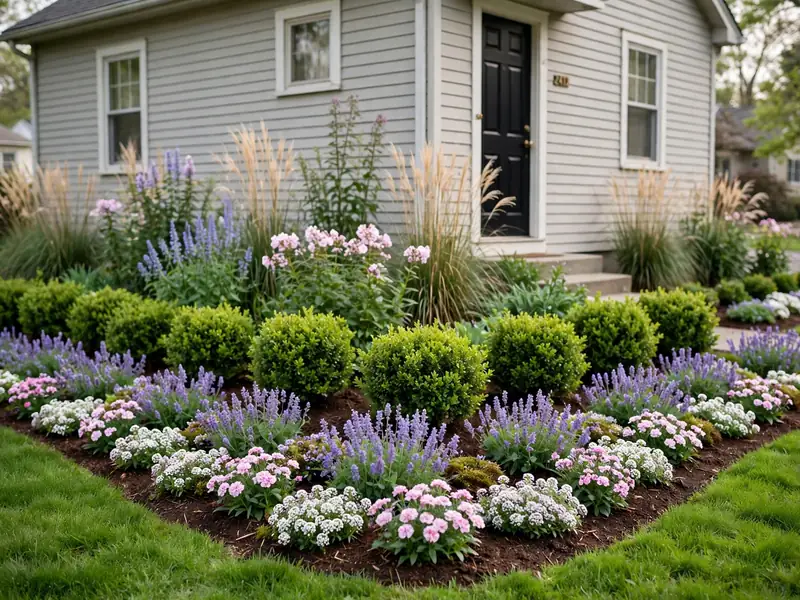
Layered flower beds give a plain entrance color and shape. Place taller shrubs toward the back and shorter flowers near the lawn. Choose plants with different bloom periods for color across several seasons. Evergreen shrubs can provide structure when flowers aren’t blooming. Leave room between plants and siding, and check each shrub’s mature width before planting. This idea suits front yards with open space near the entrance and usually needs moderate care.
2. Create a Curved Stone Walkway Through the Front Yard
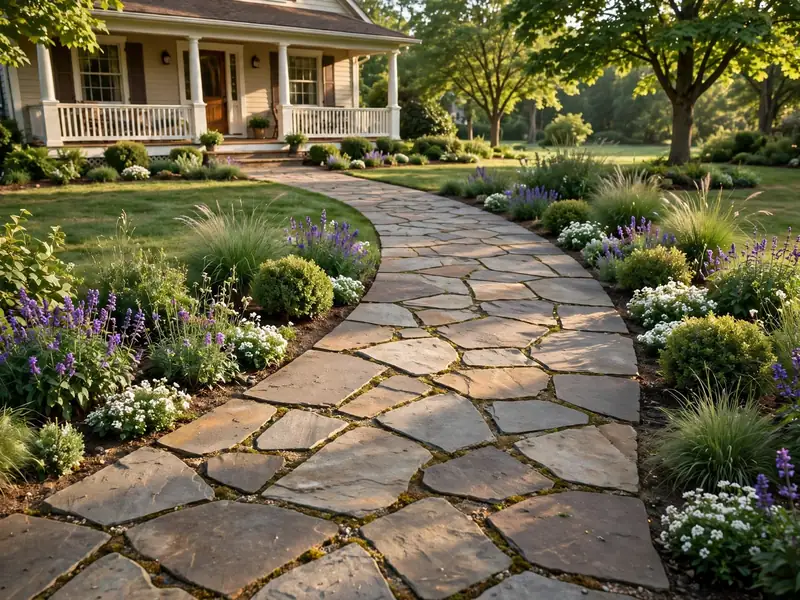
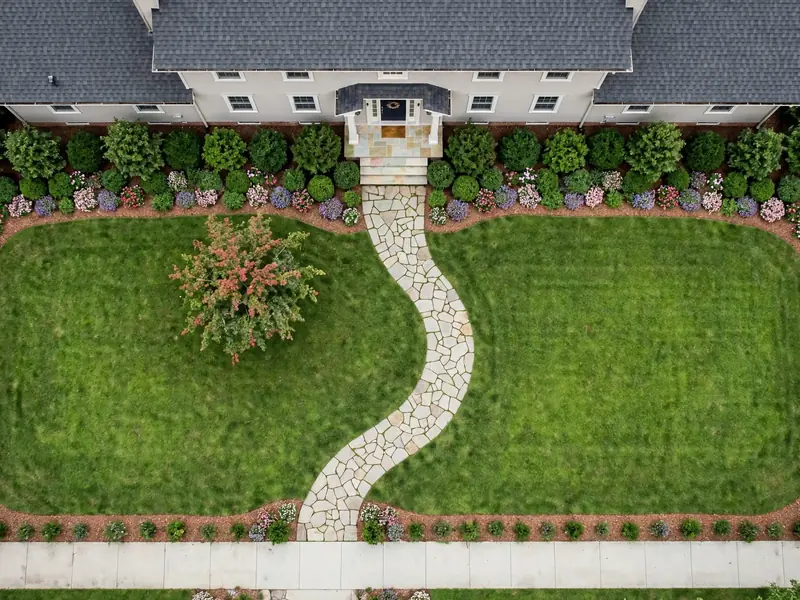
A curved walkway leads visitors to your door while softening a rectangular lawn. Flagstone, brick, and concrete pavers are common choices. Pick a stable surface with enough grip for wet weather. Low flowers or compact shrubs can line the route without blocking it. Keep the curve gentle so people don’t cut across the grass. This works best in medium or large yards, with occasional path and planting maintenance.
3. Give a Plain Lawn Shape with Island Planting Beds
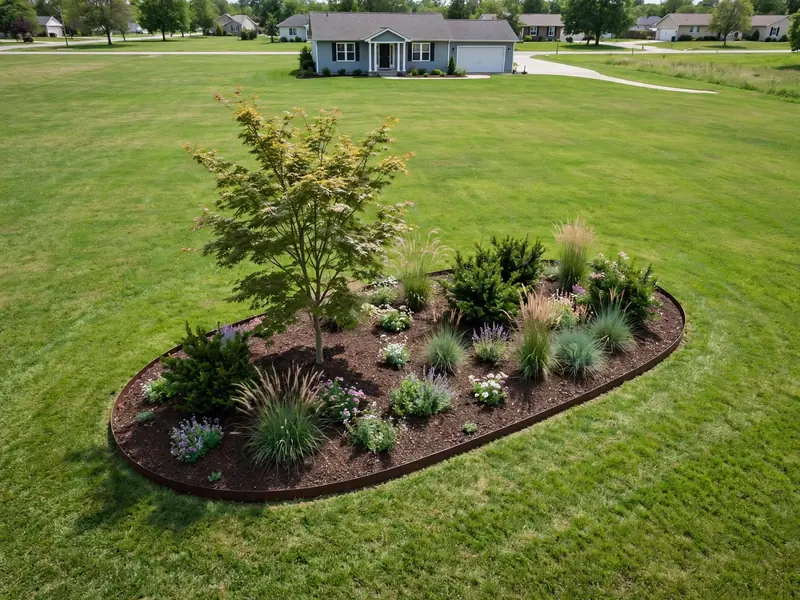
A large lawn can look empty when grass covers nearly every corner. Add a gently curved planting bed with one small ornamental tree. Surround it with shrubs, perennials, or ornamental grasses suited to your climate. Place taller plants toward the center and shorter ones near the edges. Leave mowing space around the bed, and check for underground utilities before digging. The result fits open front lawns and needs seasonal plant care.
4. Use Symmetrical Planting for a Traditional Home
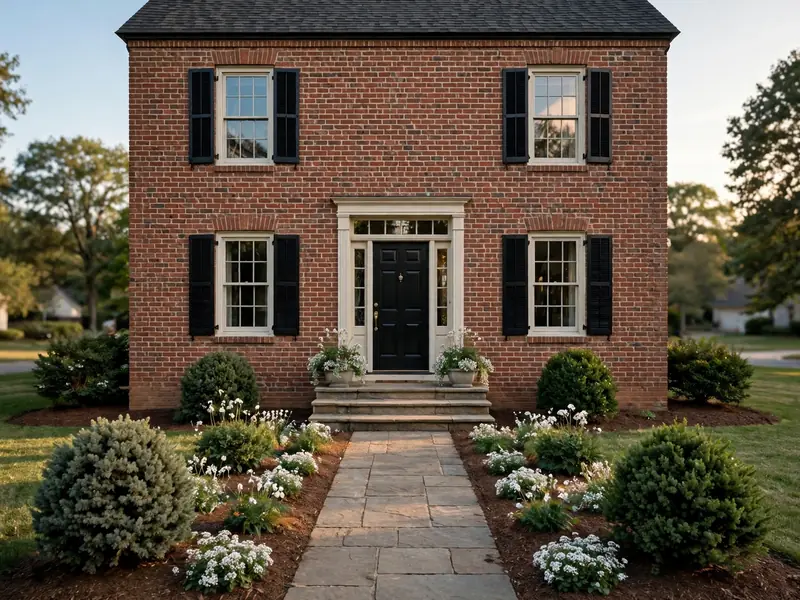
Matching shrubs or planters can give a traditional entrance a balanced appearance. Repeat the same plants along each side of a path or staircase. Evergreens provide structure through winter, but choose varieties suited to your region. Boxwoods are common in formal gardens, although some face local pest and disease problems. A few matched features usually look better than a crowded arrangement. This style suits traditional homes and may need regular pruning.
5. Design a Welcoming Front Yard Without Grass
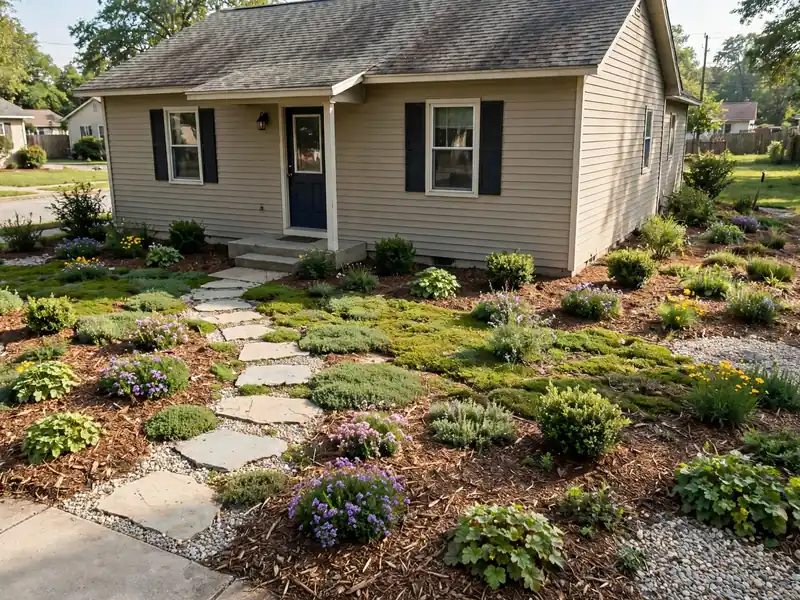
You can make a front yard attractive without maintaining a full lawn. Replace selected grass areas with beds, shrubs, ground cover, and stepping stones. Creeping thyme may suit certain sunny sites, while some sedges tolerate more shade. Check each plant’s water needs and foot-traffic tolerance before choosing it. Keep a clear path from the sidewalk to the door. Even gravel beds need weeding, so maintenance depends on your materials and plants.
6. Build a Modern Front Yard with Simple Planting and Pavers
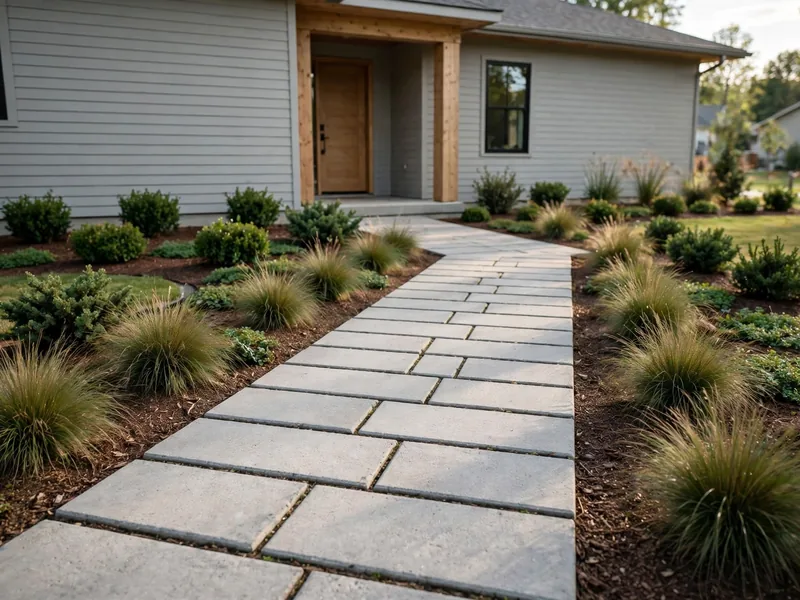
Modern landscape design ideas often use clean shapes, repeated materials, and well-spaced plants. Rectangular concrete pavers can form a direct route to the entrance. Pair them with compact shrubs or ornamental grasses and a limited range of colors. Leave room for roots and future plant growth. Dark paving may become hot in sunny climates, so consider local conditions. This layout suits contemporary houses and generally requires low to moderate care.
Backyard Landscape Design Ideas
Backyard landscaping should match how your household spends time outdoors. Some families need room for games and meals, while others prefer shade or privacy. Choose the main activity before deciding where patios and planting beds should go.
7. Create an Outdoor Living Area with a Paver Patio
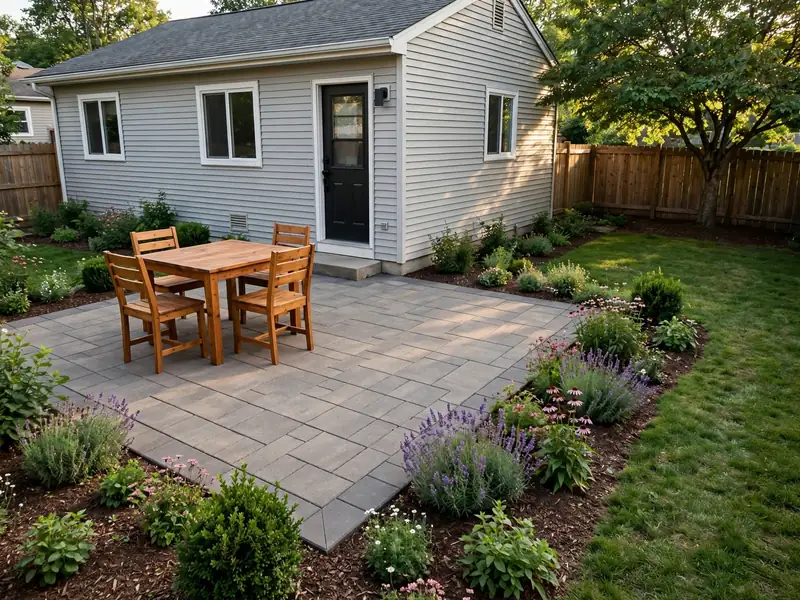
A paver patio gives furniture a stable surface for meals or gatherings. Place it near the back door if you often carry food outside. Leave enough room to pull chairs away from a table and move past them. Concrete pavers offer many finishes, while natural stone creates a different look. Plan the base and drainage before installation. This option works well for entertaining and needs occasional cleaning and joint care.
8. Add a Fire Pit Gathering Area with Gravel Seating
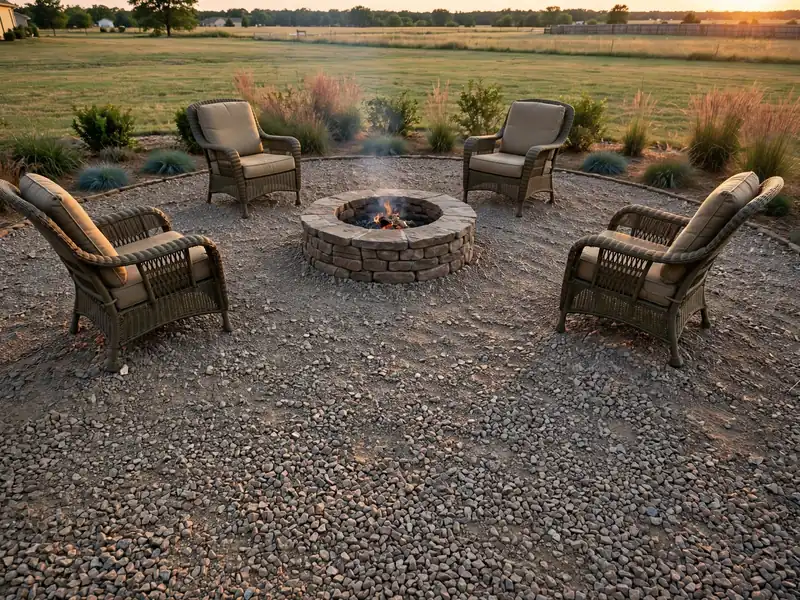
A fire pit can turn an open backyard corner into an evening gathering spot. Arrange chairs around a properly installed fire feature and allow safe circulation. Compact angular gravel is generally more stable under furniture than loose, rounded pebbles. Keep combustible materials and low branches away from the heat. Follow the manufacturer’s clearances and local fire rules. Choose this layout only where there is enough safe space.
9. Use Trees and Shrubs to Create Natural Backyard Privacy
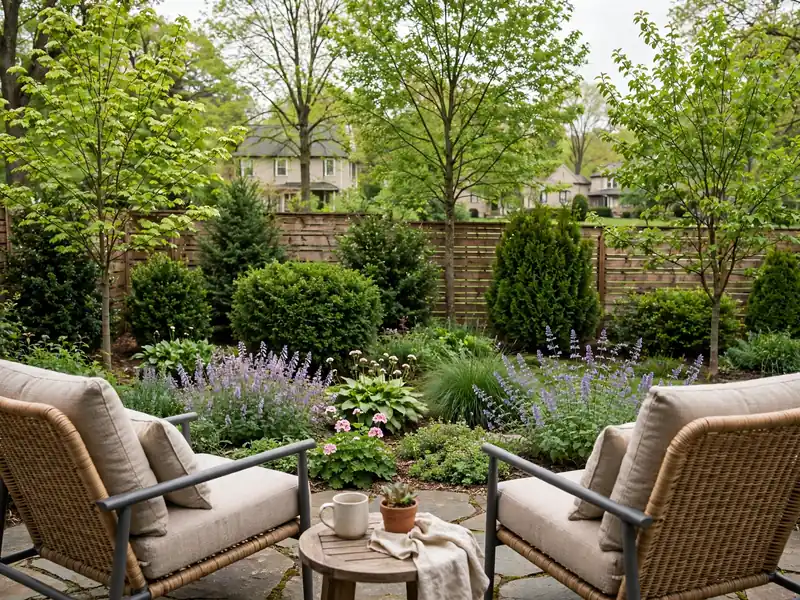
Trees and shrubs can screen nearby windows without enclosing the entire yard. Evergreen shrubs offer coverage through winter, while deciduous trees may provide privacy in summer. Check mature height, width, roots, and distance from property lines. A mixed planting screen can look softer than one continuous row. Avoid choosing a fast-growing tree solely for quick coverage. Maintenance depends on the species and its pruning needs.
10. Build a Shaded Garden Retreat with a Pergola
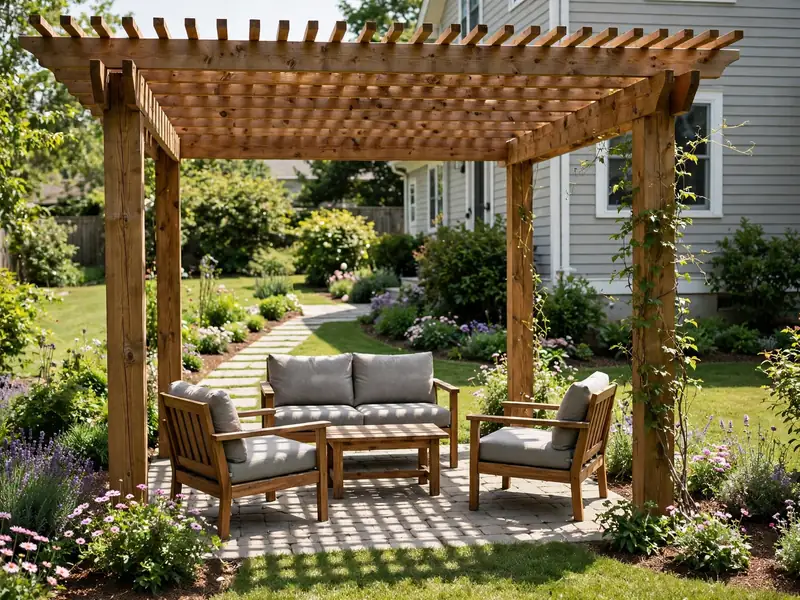
A pergola defines a seating area and provides partial shade. Place it over a patio or in a quiet corner with a clear route back to the house. Climbing plants add greenery but need suitable support and pruning. An open pergola doesn’t block all sunlight or rain, so consider additional shade if needed. Permanent structures may need permits or engineered footings. This works best in sunny yards with room for comfortable seating.
11. Divide a Large Backyard into Functional Zones
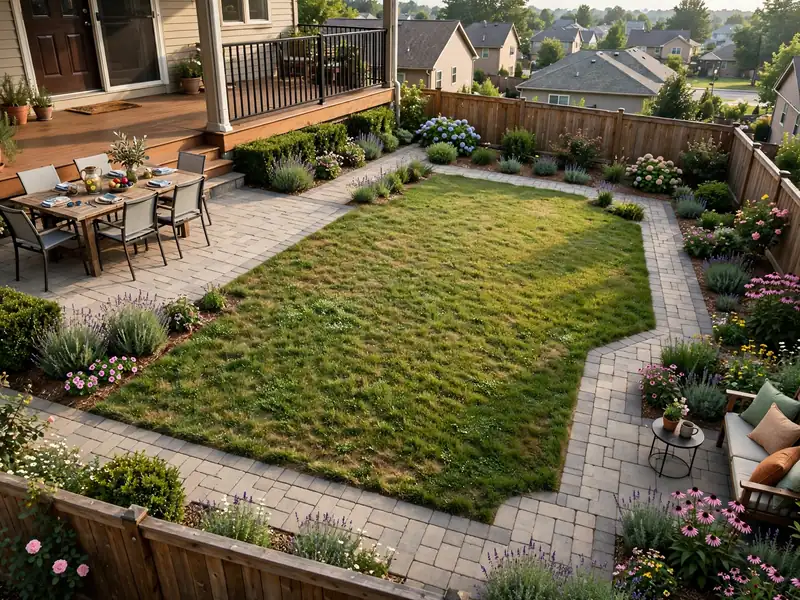
A large backyard is easier to use when each area has a purpose. Keep lawn for play, patio space for meals, and planting beds near the boundaries. Link these areas with paths along routes people naturally walk. Low shrubs or changes in paving can define spaces without blocking the view. Leave open room for children, pets, and guests. This layout suits busy households, with upkeep based on the features selected.
12. Blend a Backyard Pool into the Surrounding Garden
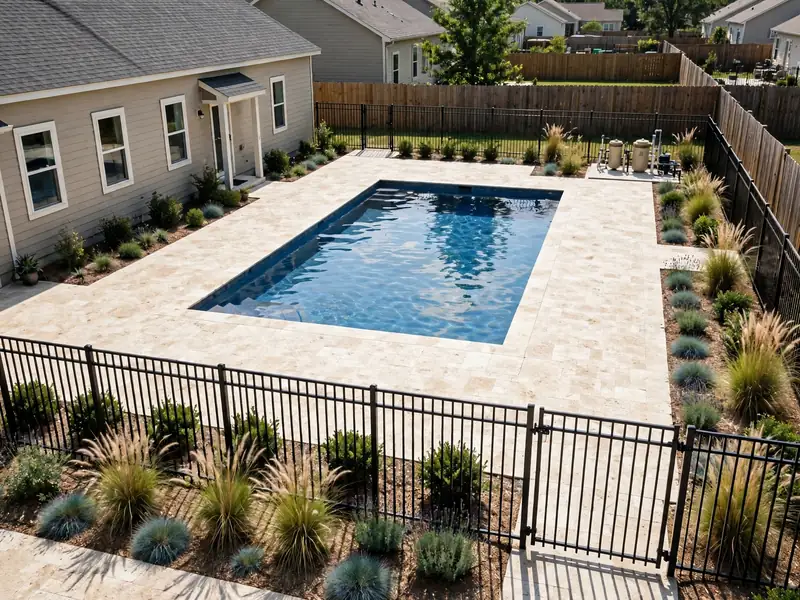
A pool looks more connected to the yard when nearby plants and paving share a consistent style. Use suitable slip-resistant surfaces around the water. Choose plants that won’t constantly drop leaves into the pool, and consider their roots. Keep maintenance equipment accessible and follow local barrier and gate requirements. Never treat planting as a replacement for required pool safety measures. Pool landscapes involve regular care and higher ongoing costs.
Small Yard Landscape Design Ideas
Small yards need careful spacing rather than many features. Pick a few elements that serve a clear purpose. Keep doors, gates, and walking routes open as plants mature.
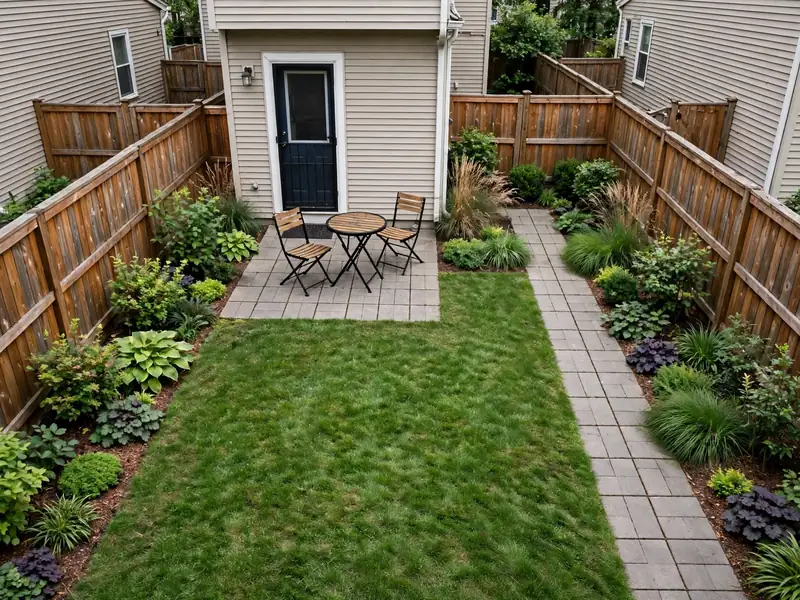
13. Make a Small Backyard Feel Larger with a Defined Layout
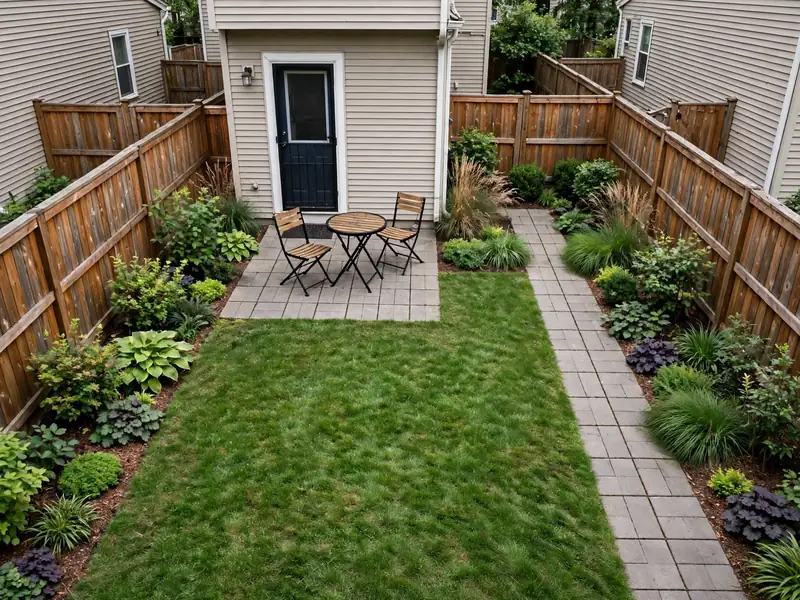
Choose one main feature, such as a compact patio, before arranging everything else. Place planting beds around the edges to keep the center open. Similar paving materials can visually connect separate areas. Select furniture that fits without blocking doors or paths. Avoid large shrubs that may fill the space in a few years. This design suits townhomes and compact suburban yards, with low to moderate upkeep.
14. Turn a Narrow Side Yard into a Garden Path
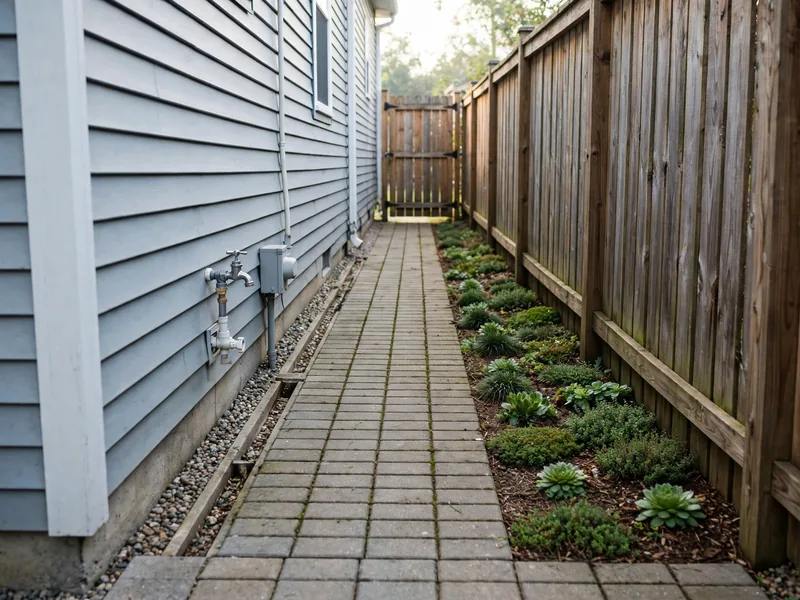
A side yard can become a practical connection between the front and back of your home. Use pavers, stepping stones, or compacted gravel suited to the site. Plant low-growing varieties beside the path so walking space stays clear. Check drainage carefully, since narrow gaps between buildings may collect runoff. Keep gates, faucets, meters, and equipment accessible. Maintenance is usually modest if the materials and plants fit the conditions.
15. Grow Upward with Trellises and Wall Planters
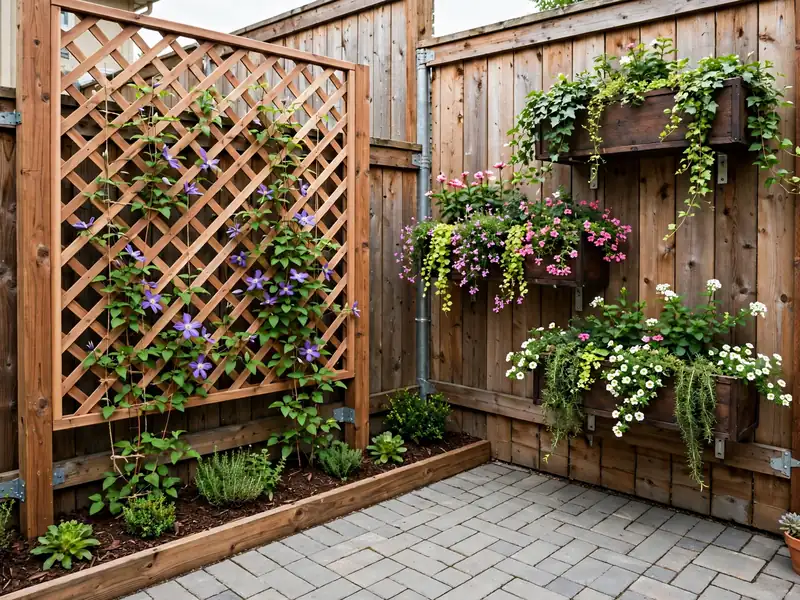
Vertical planting brings greenery into a small yard without using much ground. Install a trellis on a suitable structure or place containers on strong supports. Choose vines for the available light and check their mature weight. Some flowering climbers need more sun than leafy shade plants. Keep irrigation water away from vulnerable walls and allow airflow behind planters. Expect regular watering and occasional pruning.
16. Combine Raised Garden Beds with a Small Seating Area
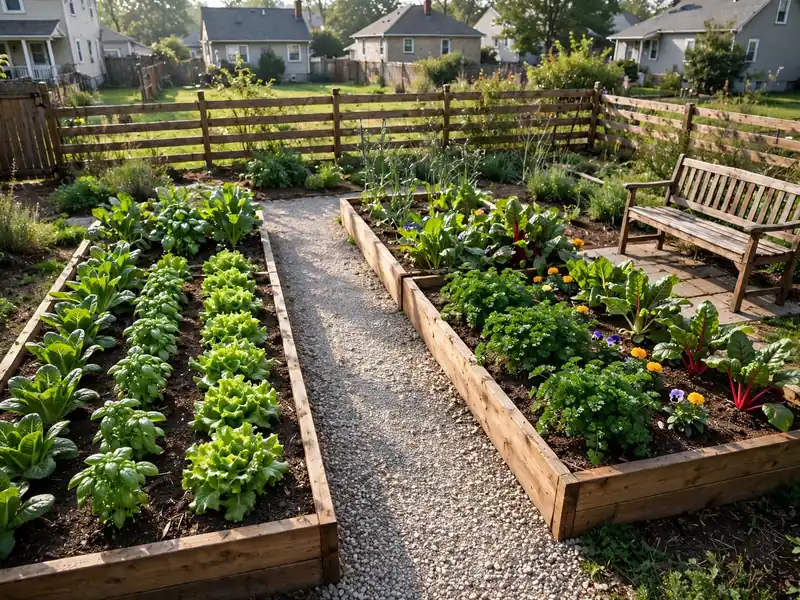
Raised beds organize vegetables, herbs, or flowers in a limited space. For smaller yards, gardening ideas such as container planting and vertical growing can use the available room well. Put edible beds where their crops receive enough sunlight, and leave accessible paths between them. Add a compact bench nearby for a place to rest. Use materials suited to food growing and avoid reclaimed wood with unknown treatments. Expect more frequent care during the growing season.
17. Create a Corner Garden with a Bench and Layered Plants
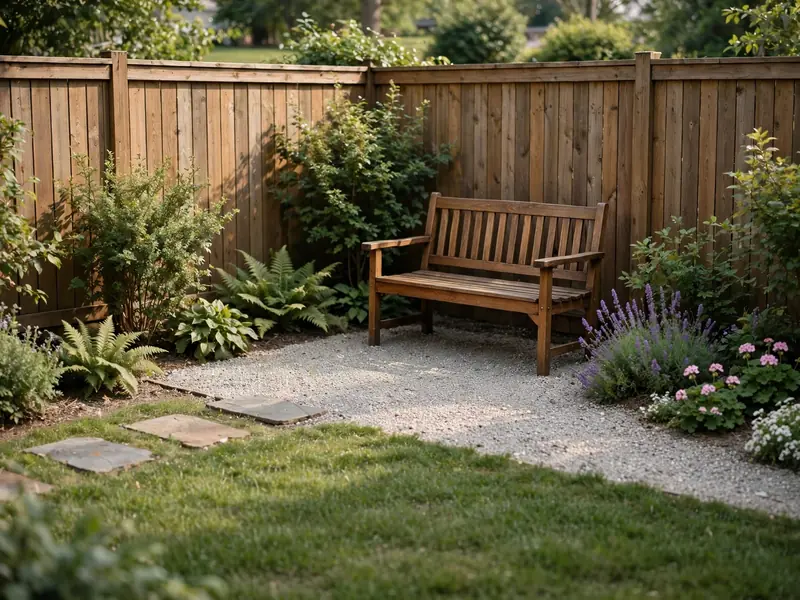
An unused corner can become a comfortable place to sit. Set a small bench on stable ground and add shrubs behind it. Lower flowers can soften the edges without blocking the seat. Choose plants that match the sunlight and leave room for their mature size. A small paved or gravel base helps keep the seating area clear of mud. This design usually needs moderate seasonal maintenance.
Landscape Design Ideas for Different Home Styles
Your home’s architecture offers clues about useful colors, shapes, and materials. You don’t need to copy every detail. Repeating a few features can help the house and yard feel connected.
18. Keep a Modern Landscape Simple with Geometric Lines
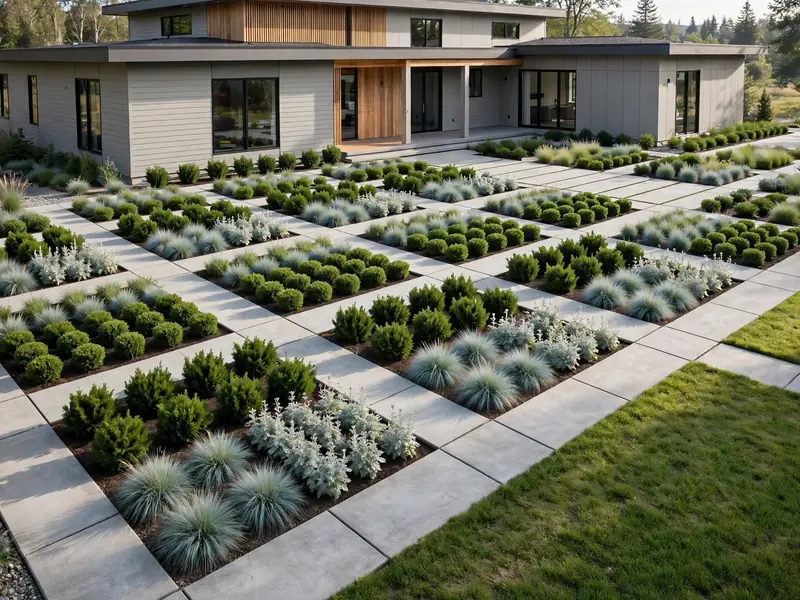
Modern yards often feature straight paths, rectangular beds, and repeated plant groups. Pair large pavers with compact shrubs or ornamental grasses. Choose plants that hold an attractive shape without constant trimming. Leave some open space rather than adding too many decorations. In hot areas, consider how dark stone and concrete absorb heat. This style suits contemporary homes and may need relatively little pruning.
19. Plant a Cottage Garden with Curved Beds and Flowers
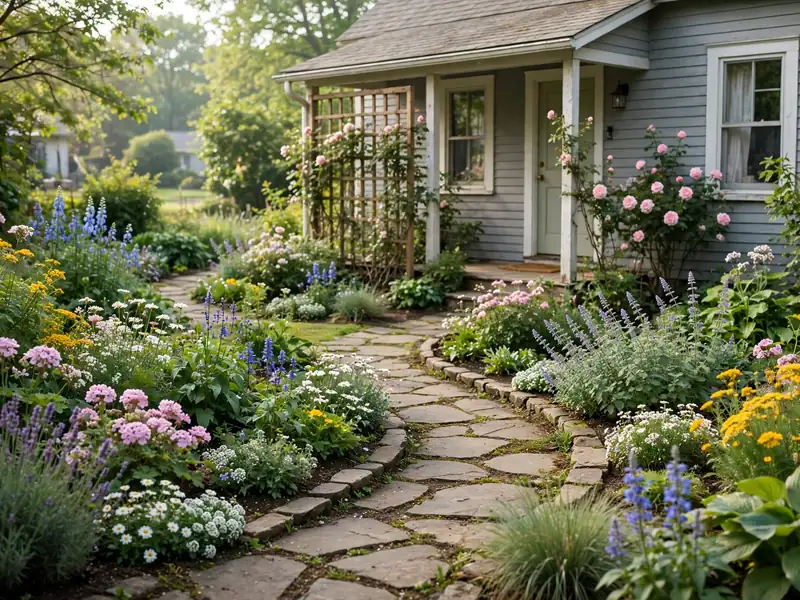
Cottage gardens mix informal flowers, soft planting edges, and winding paths. Curved beds and climbing plants can create the look without crowding the yard. Different garden design ideas can help you arrange these features around your home’s existing layout. Choose flowers with different bloom periods and add foliage plants between them. Give plants space for airflow and growth. This relaxed style still needs weeding, pruning, and seasonal care.
20. Create a Mediterranean-Inspired Yard with Gravel and Herbs
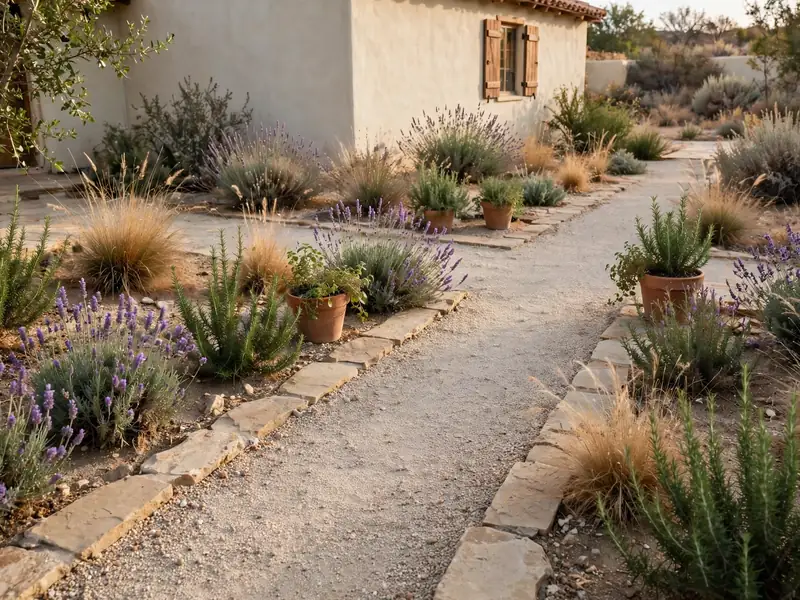
Warm stone, gravel paths, and aromatic herbs can suggest a Mediterranean garden. Lavender and rosemary prefer conditions that don’t exist in every US region. In colder or wetter areas, choose local substitutes with similar texture and color. Terracotta containers can add warmth near a patio. Keep loose gravel away from drains and busy walkways. This design best suits sunny, well-drained sites but needs climate-specific plant choices.
21. Soften a Traditional Home with Naturalistic Planting
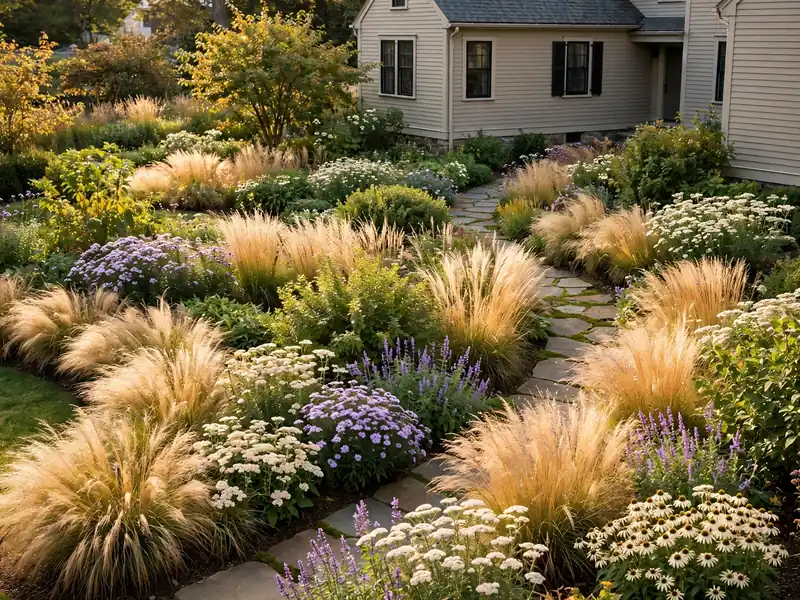
Naturalistic planting arranges flowers, shrubs, and grasses in loose groups. Repeat a few species through the beds to connect the whole yard. Choose plants with similar water needs and room to reach their mature size. Mix seasonal flowers with attractive foliage so the garden stays interesting after blooms fade. Keep tall plants away from narrow entrances and windows. This approach needs moderate seasonal cutting and weeding.
22. Match a Farmhouse Exterior with Rustic Garden Features
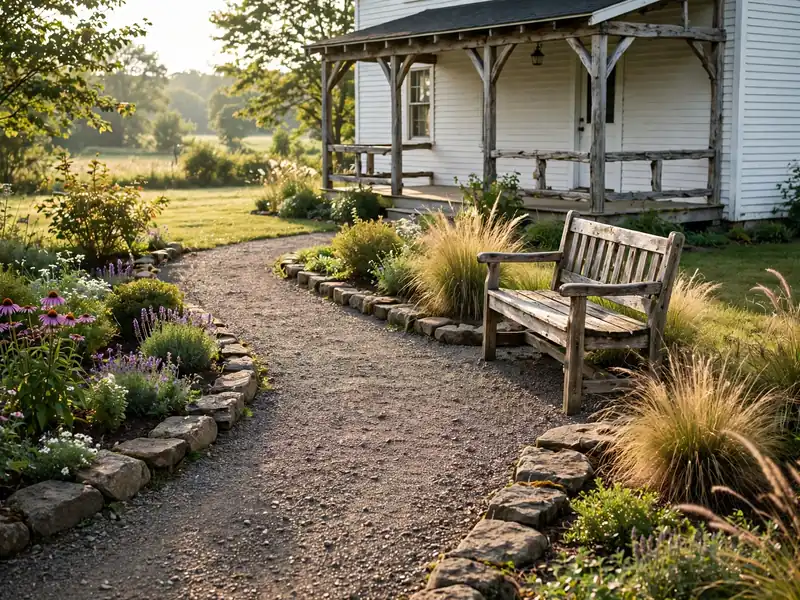
Timber, natural stone, and simple planting borders suit many farmhouse exteriors. A short gravel path can lead to a wooden bench or an informal flower bed. Select shrubs and perennials for your climate rather than their appearance alone. Use outdoor-rated timber and consider damp weather when choosing finishes. A few purposeful features work better than a crowded collection of ornaments. Expect some ongoing wood and garden maintenance.
Budget-Friendly Landscape Design Ideas
Improving a yard doesn’t always require new construction. Start with healthy plants and features you already own. Spend first on areas people use and notice most.
23. Refresh Existing Flower Beds with Mulch and Edging
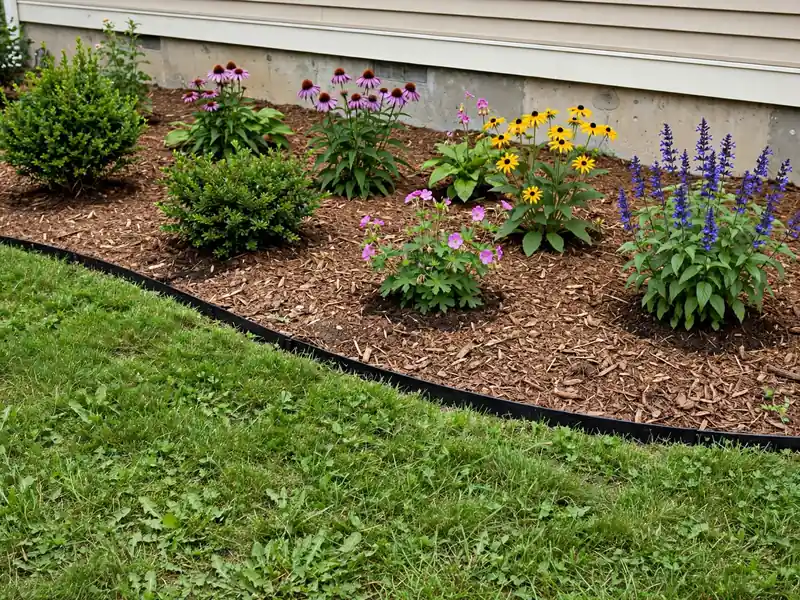
Older beds often need cleanup rather than replacement. Remove weeds, trim plants when appropriate, and reshape uneven borders. Add suitable mulch over bare soil to help conserve moisture. Keep it away from trunks and woody stems. Edging can separate the planting from surrounding grass and simplify mowing. This affordable project usually needs only occasional weeding and mulch replacement.
24. Lay a Simple Stepping-Stone Path Through the Garden
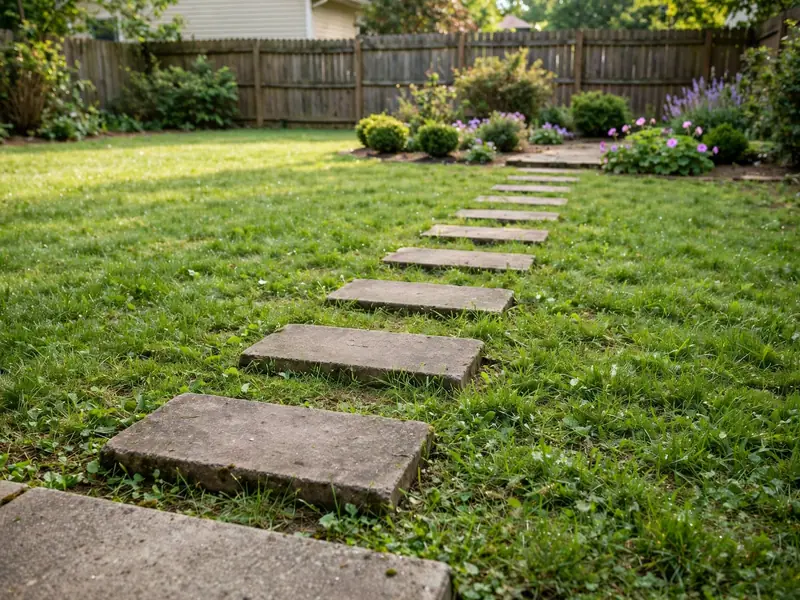
Stepping stones connect a patio, lawn, and garden without a full paved walkway. Mark the route first, then test the spacing by walking it. Prepare a stable base beneath each stone and choose a surface with good grip. A continuous, firm path is often better for frequent wheelchair or stroller use. This idea suits informal garden routes with light foot traffic. Check for movement and uneven stones over time.
25. Fill Empty Spaces with Divided Perennials and Ground Cover
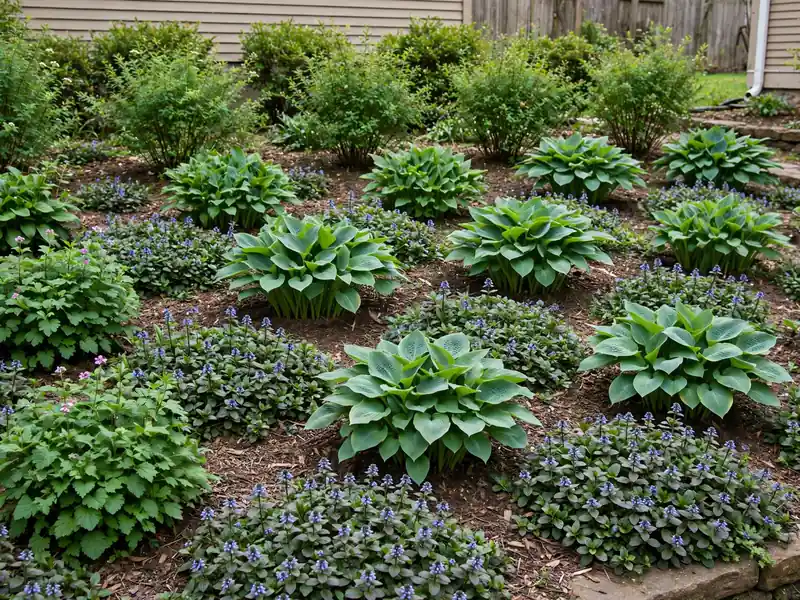
Some established perennials can be divided to create additional plants. Research the correct season and method for each species before lifting it. Ground cover may fill bare spaces beneath shrubs or along borders. Check whether a plant spreads aggressively in your region. Water newly divided plants until they establish and keep weeds from taking over. This works best in gardens that already have healthy plants.
26. Improve Curb Appeal with Container Plants and Outdoor Lighting
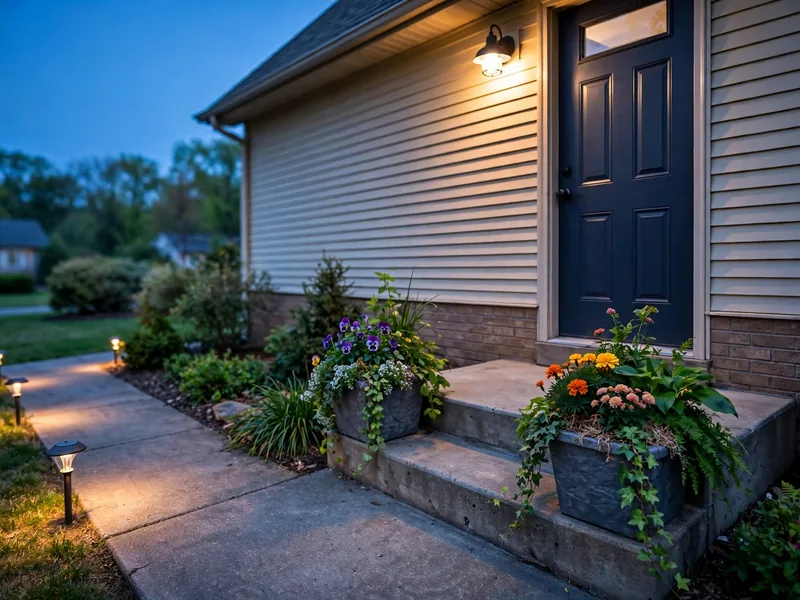
Containers bring flowers and greenery close to a front door without changing the ground layout. Choose pots with drainage holes and plants suited to the available sunlight. Lighting can make paths and steps easier to see after dark. Use fixtures rated for outdoor conditions, and hire qualified help when wiring requires it. Keep light directed where it is needed. Containers usually need more frequent watering than in-ground plants.
Low-Maintenance and Water-Wise Landscape Design Ideas
Lower upkeep starts with plants that suit the site. Keep useful lawn areas, but reconsider patches that are hard to mow or water. A simpler layout can reduce work without leaving the yard bare.
27. Replace Selected Lawn Areas with Climate-Adapted Plants
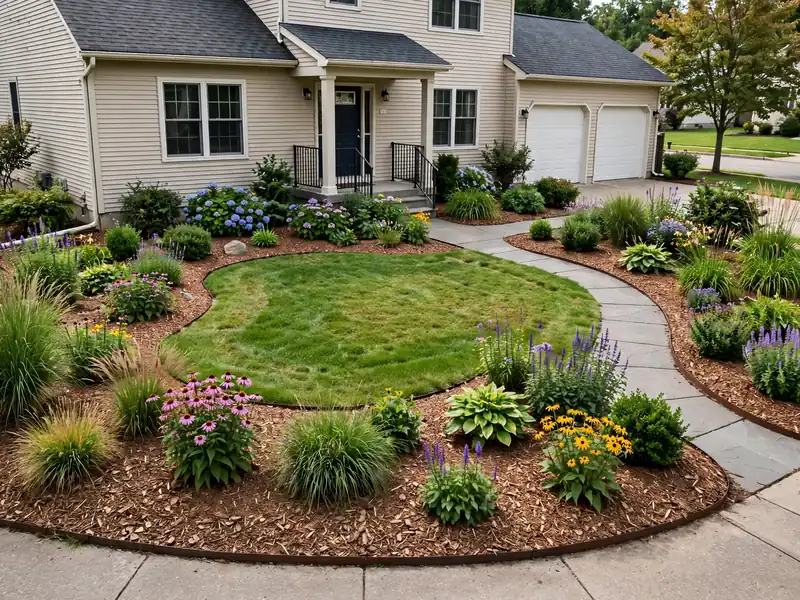
Identify lawn areas you rarely use or struggle to mow. Replace them with suitable shrubs, perennials, or ground cover. Group plants with similar watering needs so irrigation is easier to manage. New plants still need moisture and weeding while their roots establish. The EPA WaterSense landscaping recommendations explain how site-appropriate plants and soil care help manage water use. Maintenance may decrease after establishment, depending on your choices.
28. Create a Drought-Tolerant Garden with Gravel and Shrubs
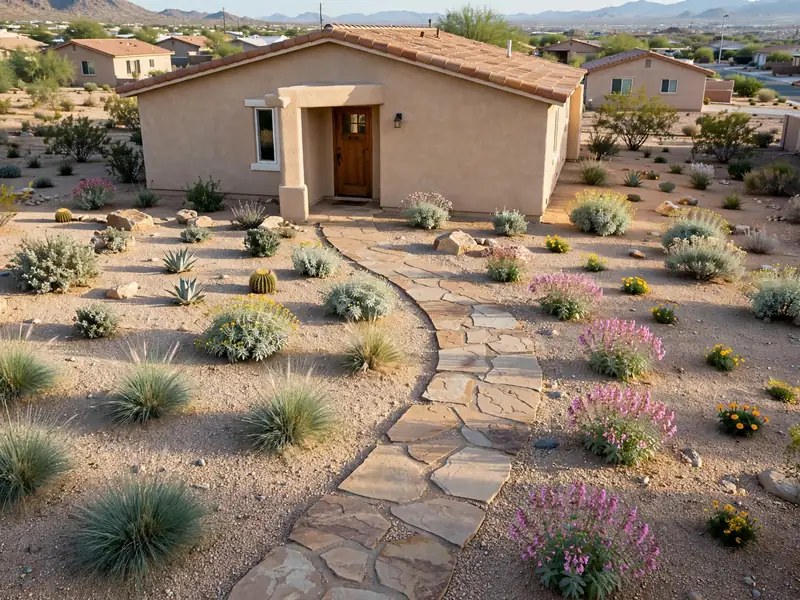
Drought-tolerant plants can reduce watering needs in dry areas. Choose shrubs, grasses, and flowers suited to local rainfall and summer heat. Gravel or mulch can cover bare soil where appropriate. Angular crushed gravel often stays in place better than rounded pea gravel on a path. Large stretches of dark rock can become hot around sensitive plants. Even drought-tolerant plants need water during establishment.
29. Use Evergreen Planting for Year-Round Structure
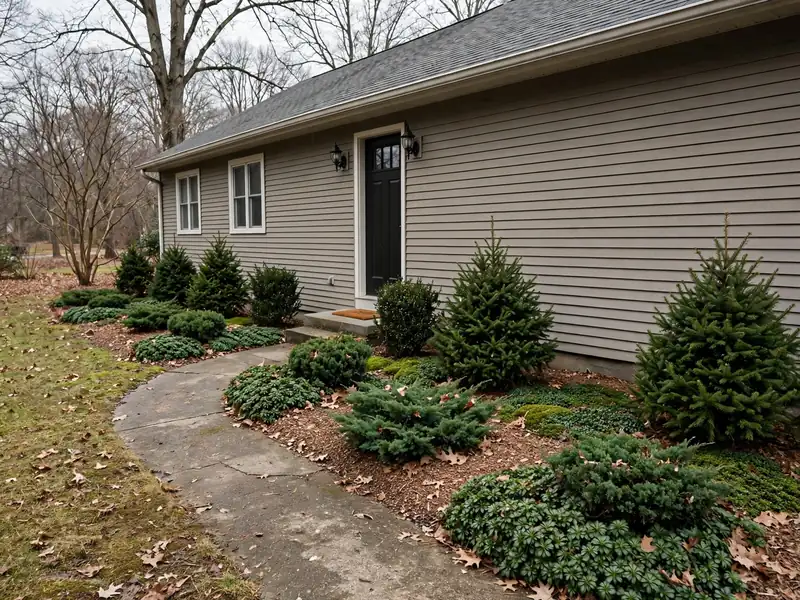
Evergreen shrubs help garden beds keep their shape through winter. Place them beside entrances, along boundaries, or behind seasonal flowers. Check winter hardiness, mature height, and spread before buying. Some varieties hold their form naturally, while others require regular clipping. Leave access for pruning and avoid blocking windows. This design suits front yards where year-round structure matters.
30. Design a Pollinator-Friendly Yard with Native Flowers
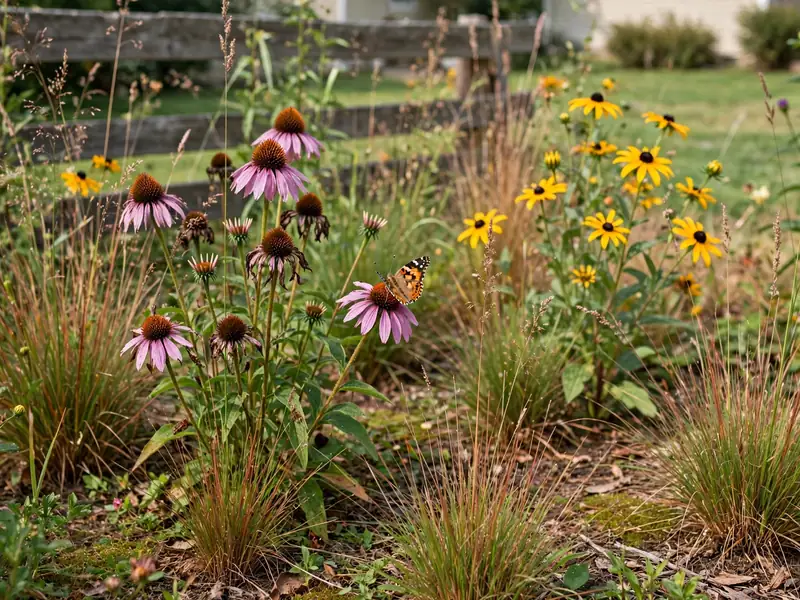
A pollinator garden adds seasonal flowers and habitat for local wildlife. Choose plants native to your region and aim for blooms at different times. Include suitable food plants and shelter across pollinator life stages. Avoid unnecessary pesticide use near flowers. Local Cooperative Extension offices can suggest species for your county. Native planting still needs suitable soil, light, water, and early maintenance.
31. Add a Rain Garden Where Runoff Can Be Managed Safely
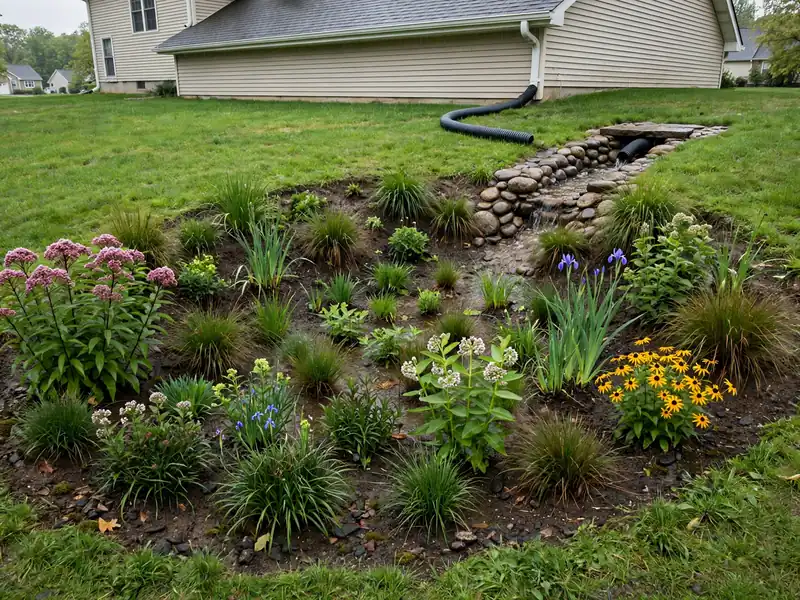
A rain garden is a shallow planted area that collects and absorbs suitable surface runoff. Plants in the basin must tolerate changing moisture levels. Test drainage and choose a location that won’t threaten foundations or septic systems. Avoid unstable slopes and buried services. Standing water should drain within the period recommended by local rain garden guidance. Consult a professional when runoff already damages your home or yard.
Landscape Design Ideas for Challenging Yards
Uneven ground, heavy shade, and limited views affect what you can build or grow. Choose features that work with the site’s conditions rather than fighting them.
32. Use Terraced Planting Beds on a Sloped Yard
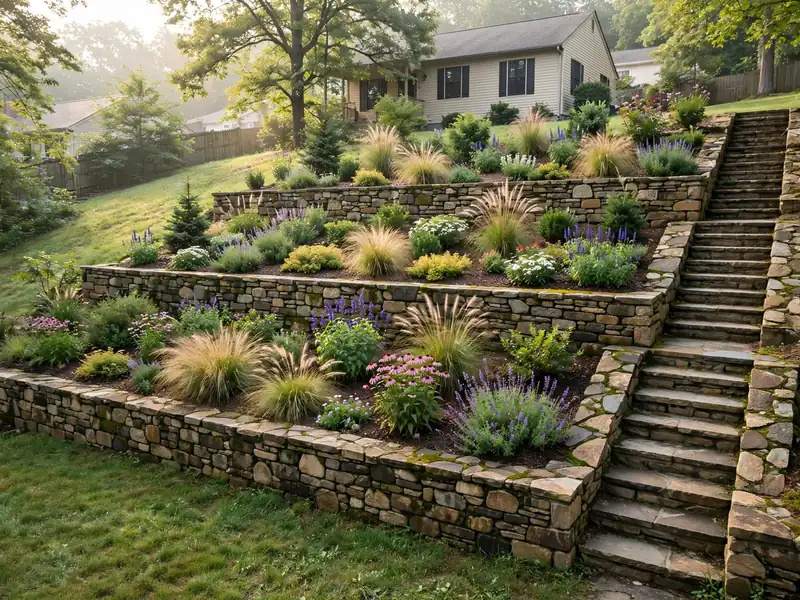
Terraced beds create flatter spaces on uneven ground. Small level changes can improve access for planting and weeding. Retaining walls need suitable materials, drainage, and stable support. Wall height, soil pressure, and nearby structures affect the design. Check local permit rules and seek professional assessment for significant retaining work. Inspect the finished area for erosion or movement after heavy rain.
33. Turn a Shady Yard into a Woodland Garden
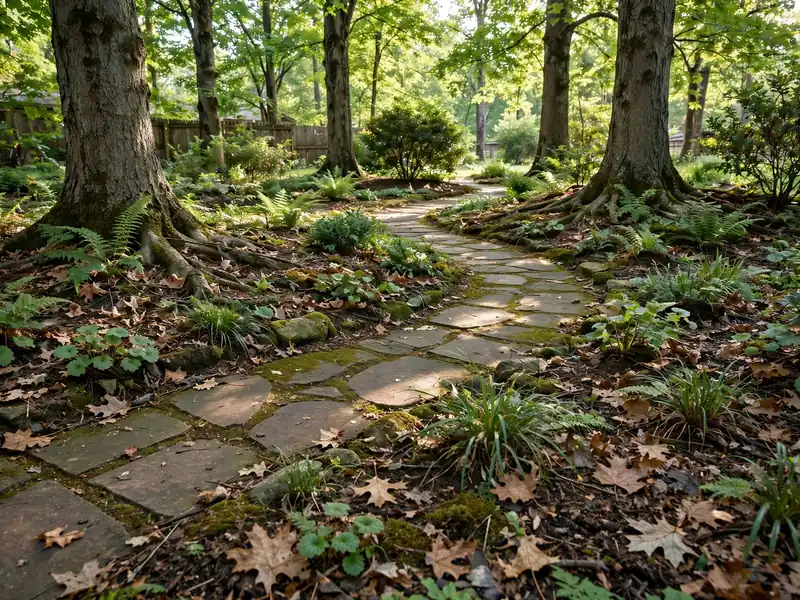
A shaded yard can support ferns, sedges, woodland flowers, and suitable shrubs. First check whether the area receives partial shade or almost no direct sun. Ground beneath mature trees may stay dry because their roots absorb moisture. Avoid piling new soil over established tree roots without specialist advice. Use paths where people need access and leave suitable leaf litter in planting areas. This garden needs plant care and occasional path clearing.
34. Add a Water Feature as a Garden Focal Point
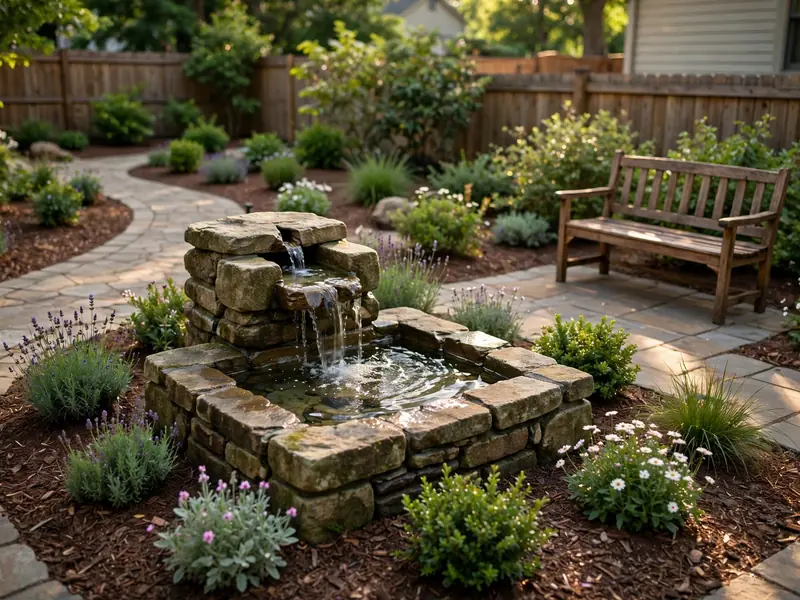
A small fountain can draw attention to a patio or quiet seating area. Choose a stable location with safe access to power. Plan for pump cleaning, evaporation, and winter care. Use electrical equipment intended for outdoor water features. Where children can access the garden, avoid unattended drowning hazards. Water features can be attractive but need regular maintenance.
35. Open Up a Scenic View with Low Planting and Framed Sightlines
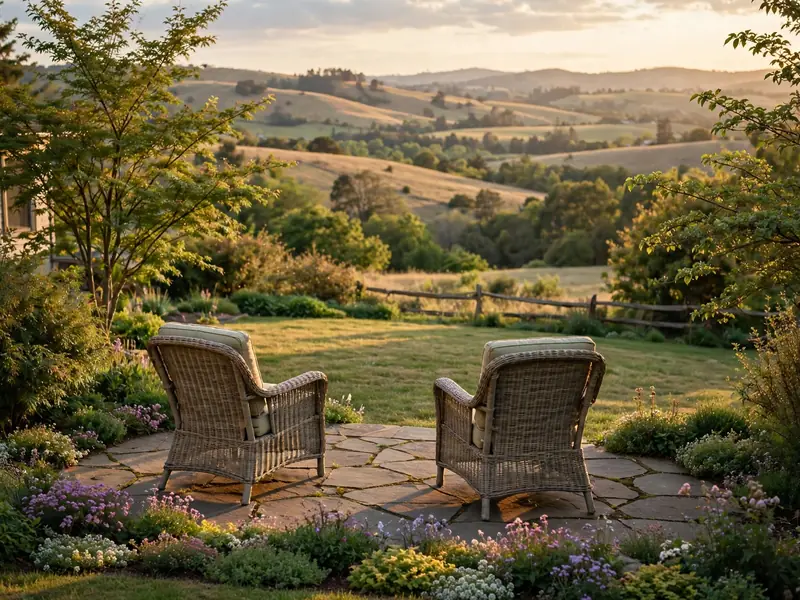
If your yard overlooks hills, trees, or open countryside, make the view part of your layout. Keep lower plants near the main viewing area and taller shrubs toward the sides. Position a bench or patio where the view feels comfortable. Check the mature height of every new plant so it won’t block the scene later. This approach works best on properties with attractive surroundings. Maintenance depends on the plants you choose.
How to Plan Your Landscape Design
Once you’ve chosen a few ideas, map them onto your actual property. Measurements and site conditions matter more than a polished drawing. Review drainage, sunlight, and access before you buy materials.
Measure Your Yard and Map Existing Features
Measure the length and width of the areas you want to improve. Mark doors, windows, driveways, fences, existing trees, slopes, and paths. Include water faucets, utility equipment, and visible drains. Use graph paper or a digital tool to draw a basic layout. Before digging in the United States, contact 811 to request utility marking. A small flower bed may need only a simple sketch, but larger construction needs accurate plans.
Check Sunlight, Soil, Drainage, and Growing Conditions
Observe your yard at several times of day to identify sunny and shaded areas. Check where water collects after rain and whether the soil remains soggy. A soil test can reveal pH and nutrient conditions. Match plants to local soil, light, and water needs. The EPA’s landscaping tips explain water-conscious planting and soil care. Fix serious drainage problems before placing patios or new beds nearby.
Choose Plants Based on Climate and Mature Size
Find your area on the USDA Plant Hardiness Zone Map. It helps estimate which perennial plants can withstand typical winter minimum temperatures. The zone doesn’t describe summer heat, rainfall, soil, or sunlight. Check each plant’s mature width and height rather than relying on its nursery size. Ask your local Cooperative Extension office about plants that perform well nearby. This can prevent costly replacements later.
Sketch Your Layout with Paper or Landscape Design Software
Divide your yard into the activities you actually need. A backyard might include a patio near the house, lawn in the center, and planting along the fence. Draw several arrangements before committing to materials. Graph paper is enough for many small projects, while digital tools may help visualize larger changes. Leave comfortable routes between doors, gates, and seating. Plan for the final size of plants and furniture.
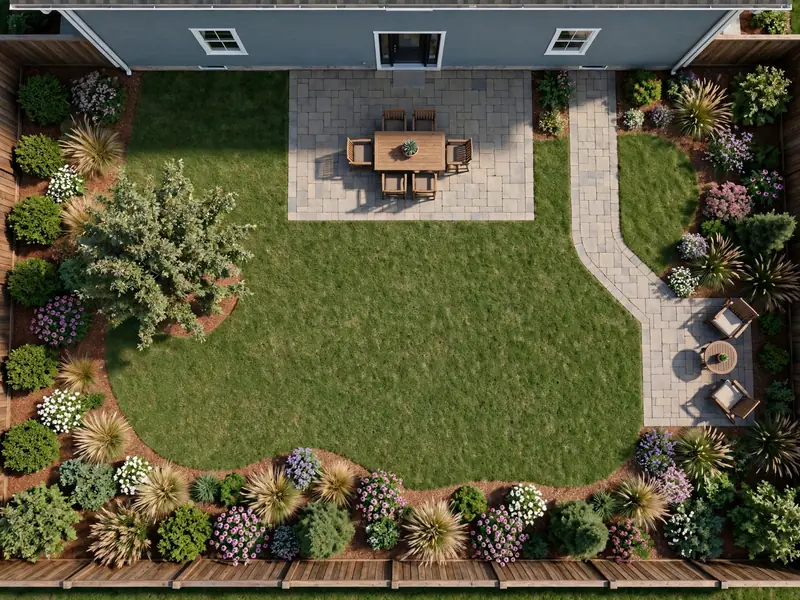
Plan Installation in the Right Order
Complete necessary site work before adding delicate plants. A practical order is to measure and assess drainage, check utilities and permits, and finish required grading. Install paths, patios, and other hardscaping before preparing beds and planting. Add irrigation and mulch after the main layout is in place. Project details may change this sequence, especially when contractors coordinate several trades. Don’t cover up an unresolved drainage problem with new landscaping.
How Much Does Landscape Design Cost?
Landscaping costs depend on location, yard size, materials, and the work involved. Angi’s September 2026 landscaping report estimates a national average of $3,517. Most reported projects fell between $1,248 and $6,069, based on 32,752 verified projects. These figures cover different types of landscaping jobs, not a fixed price for a full yard redesign.
Professional design work is a separate expense. Angi’s July 2026 landscape design report gives a typical range of $1,934 to $7,267. Construction, plants, permits, and additional services may cost extra. For a local estimate, ask contractors to price a defined plan with measurements and materials.
| Project or service | Reported US cost range | Scope note |
| General professional landscaping | $1,248 to $6,069 | Varies widely by job |
| Professional landscape design services | $1,934 to $7,267 | Design service, not full installation |
| Patio feature | $2,000 to $6,000 | Varies by area and materials |
| Pergola or trellis feature | $2,000 to $6,500 | Size and structure affect price |
Source: Angi’s July and September 2026 national cost reports. These are broad reported ranges, not quotes for a specific yard.
What Affects the Cost of Landscaping a Yard?
Materials and labor account for much of the cost. Patios, walls, grading, and drainage work typically cost more than simple flower beds. Difficult access can add equipment and labor expenses. You may save money by reusing healthy plants, choosing locally available materials, and completing the project in stages. Get itemized local estimates before making major commitments.
Which Projects Are Suitable for DIY?
Many homeowners can plant flowers, spread mulch, refresh beds, or install simple edging. Some short garden paths are manageable with careful preparation. Major grading, retaining walls, difficult drainage, and permanent electrical work require more technical knowledge. Check local permit and licensing rules. Choose DIY projects based on your experience, equipment, and the consequences of a mistake.
When Should You Hire a Landscape Designer or Contractor?
Consider professional design help when several areas must work together or the site has difficult conditions. A designer can coordinate layout, plants, hardscaping, and access. Contractors may handle excavation, structures, drainage, and installation. Ask about qualifications, permits, insurance, and previous projects. Get written estimates listing the work, materials, labor, and exclusions before work begins.
Landscape Design Mistakes to Avoid
Even an attractive plan can cause problems if it ignores the site. Small shrubs may become too wide when planted near siding or windows. Patios and planting beds shouldn’t direct runoff toward the foundation. Loose gravel may shift on slopes, while narrow paths can limit access. Choose plants for sunlight, water, and mature size rather than appearance alone.
Plan maintenance before filling the yard with features. Flower beds need weeding, some shrubs need trimming, and outdoor surfaces need occasional repairs. Sketch the layout before visiting a nursery to avoid impulse purchases. Handle drainage and structural concerns before cosmetic improvements. Completing one well-planned area is often easier than starting every project at once.
Frequently Asked Questions About Landscape Design
What Is the Easiest Landscape Design for Beginners?
Start with a small flower bed near your entrance or patio. Choose a few plants suited to your climate and sunlight, prepare the soil, and leave growing room. Finish with mulch suited to the plants. This is easier to manage than major excavation or patio construction.
How Can I Make My Yard Look Good on a Small Budget?
Keep healthy plants and improve the space around them. Fresh edging, mulch, divided perennials, and container plants can change a yard’s appearance without major construction. Prioritize the entrance and areas your family uses most. Fix drainage or unsafe walking surfaces before spending on decorations.
What Is the Lowest-Maintenance Type of Landscaping?
A yard with climate-adapted plants, useful hardscaping, and less unnecessary lawn can reduce routine chores. The right mix depends on local growing conditions. New planting still needs watering, and every landscape needs seasonal attention. There is no truly maintenance-free yard.
How Do I Choose a Landscape Style for My House?
Look at the home’s shape, exterior materials, and the space available. Straight paths and structured planting may suit a contemporary house. Softer beds may look appropriate around a traditional exterior. Select the style you like, then adapt it to local climate and maintenance needs.
Can I Design My Yard Without Hiring a Professional?
Yes, many small landscaping jobs are suitable for homeowners. Measure the site, sketch the layout, and plan the budget before buying materials. Research plant requirements and utility locations. Get qualified help for major grading, retaining walls, serious drainage problems, or work involving structural safety.
Final Thoughts
The best landscape design ideas are those that suit your home, climate, and daily routine. Begin with a flower bed, a useful patio, or a safer path to the front door. Measure the space, check sunlight and drainage, and choose plants that grow well in your region. One manageable project can give you a solid starting point for future improvements.

About Author
Hello there. I am Lathen Reed, a home improvement and interior design enthusiast. With a passion for creating beautiful, practical, and comfortable spaces, I share helpful ideas and inspiration related to home improvement, home decor, interior design, and home styling. Through HomeFixStyle, my goal is to make home improvement simple, inspiring, and accessible for everyone.