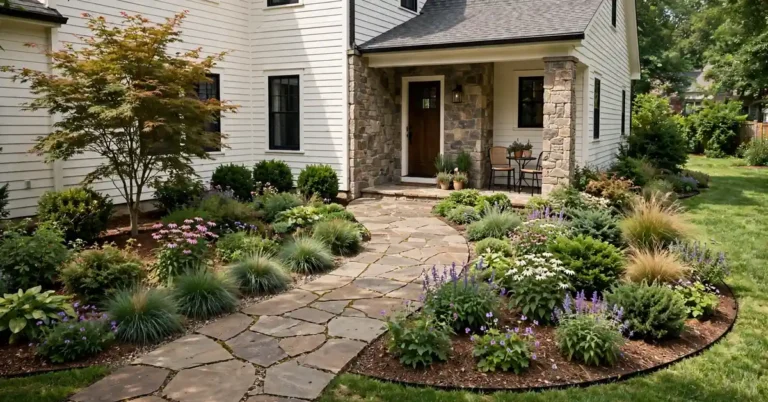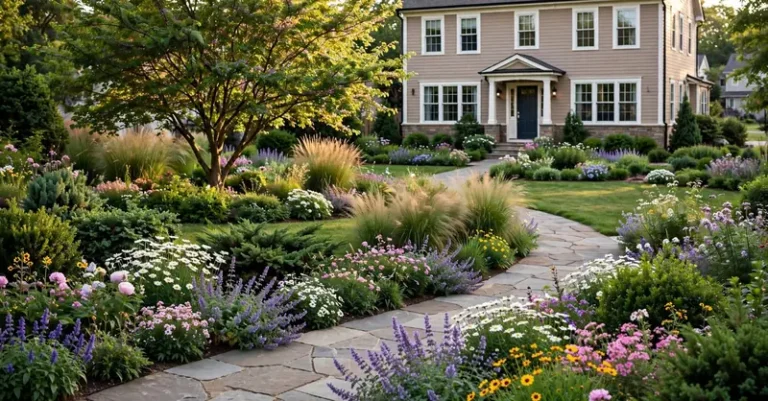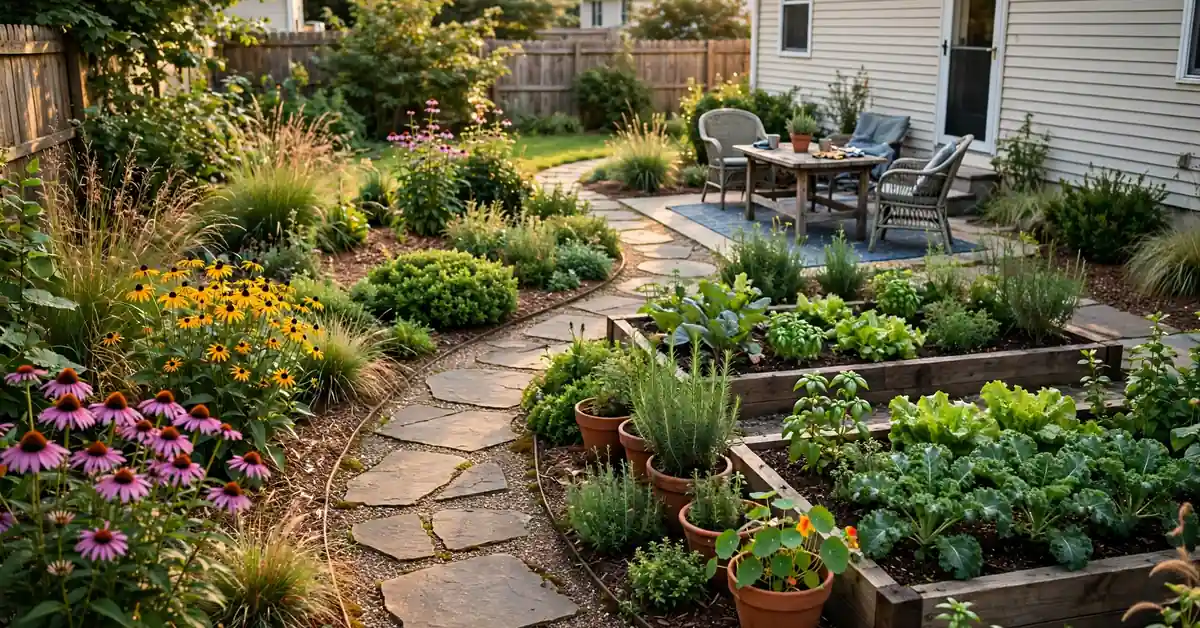
A welcoming garden starts with the space you already have. You don’t need a large yard or an expensive landscaping plan. These 25 gardening ideas cover container plants, flower borders, edible beds, and simpler ways to care for outdoor spaces. Each idea offers a place to start, plus details that can prevent common planting mistakes. Some projects fit into a weekend. Others, especially drainage work, need careful planning.
How to Choose the Right Garden Ideas for Your Space
Walk around your yard at different times of day before visiting a nursery. Note where the sun lasts longest, which spots stay damp, and where people need to walk. Most warm-season vegetables need six to eight hours of direct sun. Many leafy greens tolerate less. Measure the usable area before ordering materials.
If beds and pathways feel difficult to arrange, these garden design ideas show ways to organize a residential yard. Check your ZIP code on the USDA Plant Hardiness Zone Map before choosing perennials. Winter hardiness is only one factor. Soil, summer heat, and rainfall also affect plant health.
Choose one project you can care for this season. A healthy small garden beats a large planting you can’t maintain.
Small-Space Gardening Ideas
When the yard is tight, use height and overlooked corners first. These gardening ideas leave more open space for walking and relaxing.
1. Turn a Bare Fence Into a Vertical Garden
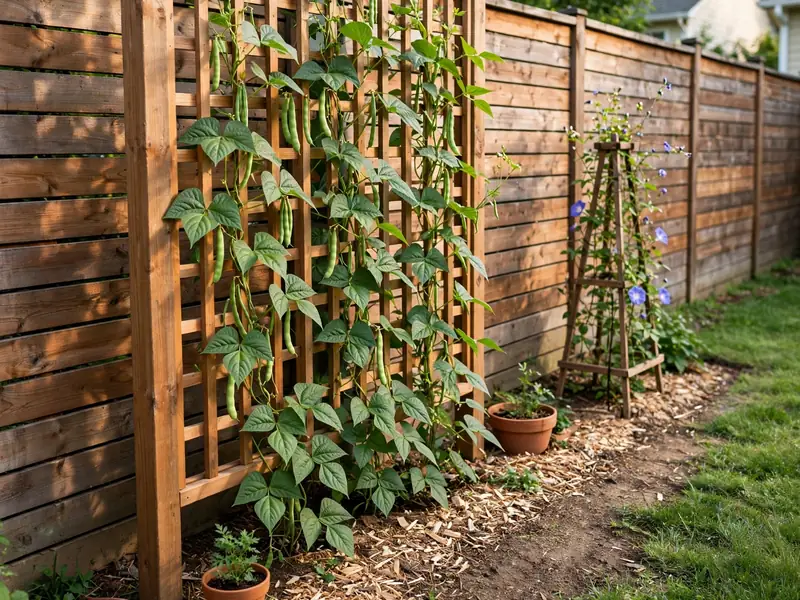
Among gardening ideas for tight spaces, a fence trellis needs little ground area. Mount a sturdy trellis beside it, rather than hanging heavy boxes from weak boards. In sunny spots, pole beans can climb a support while providing food. Flowering vines also work when they’re suited to your region. Check mature growth before buying: some vines spread far beyond their supports. Leave a little room behind foliage for air movement. For renters, a freestanding trellis in a large pot may be easier to move. Best fit: narrow yards and sunny fence lines.
2. Create a Colorful Container Garden on Your Patio
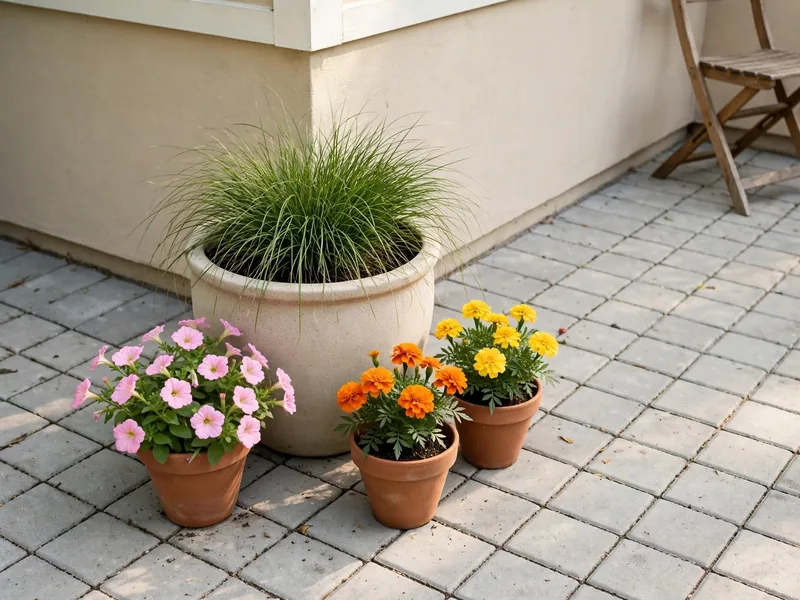
Container gardening ideas work well on bare patios because you can move plants as conditions change. Start with one large planter and two smaller ones. Try petunias or marigolds for summer color where sunlight allows. If several plants share a pot, match their light and water needs. Use potting mix, not heavy soil dug from the yard. Each container needs drainage holes. Group pots where you can water them easily, but keep doorways clear. On a hot concrete patio, check moisture more often because containers may dry quickly.
3. Plant a Narrow Flower Bed Along a Side Yard
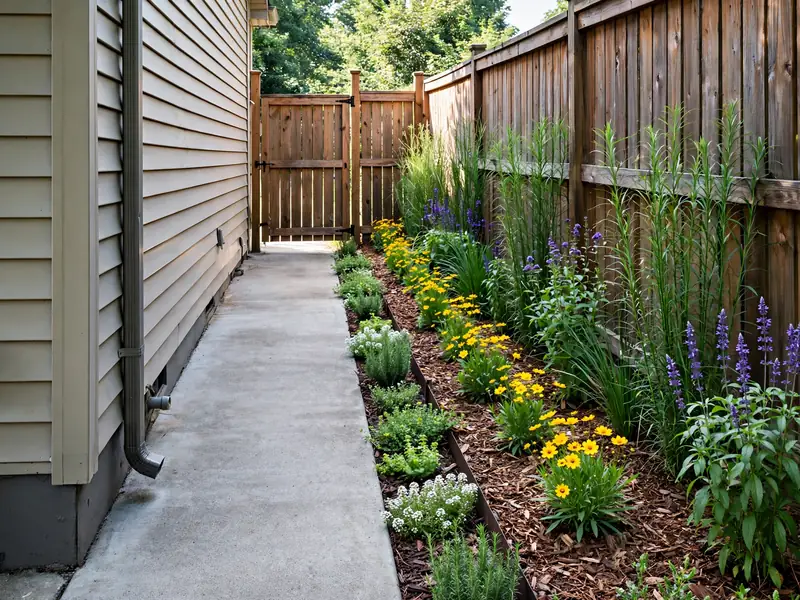
For a narrow lot, gardening ideas should protect a clear walkway. A slim side yard can still hold flowers. Mark a bed about 2 to 3 feet wide, if the walkway leaves enough room. Select plants after checking the light. Compact coreopsis may suit a sunny spot; suitable ferns fit a shaded one. Put taller plants next to the fence and shorter plants along the path. Check mature width so stems don’t crowd the walkway. Finish with mulch and a simple edge. Keep access to outdoor taps, gates, and utility equipment open.
4. Make an Empty Backyard Corner Into a Mini Garden
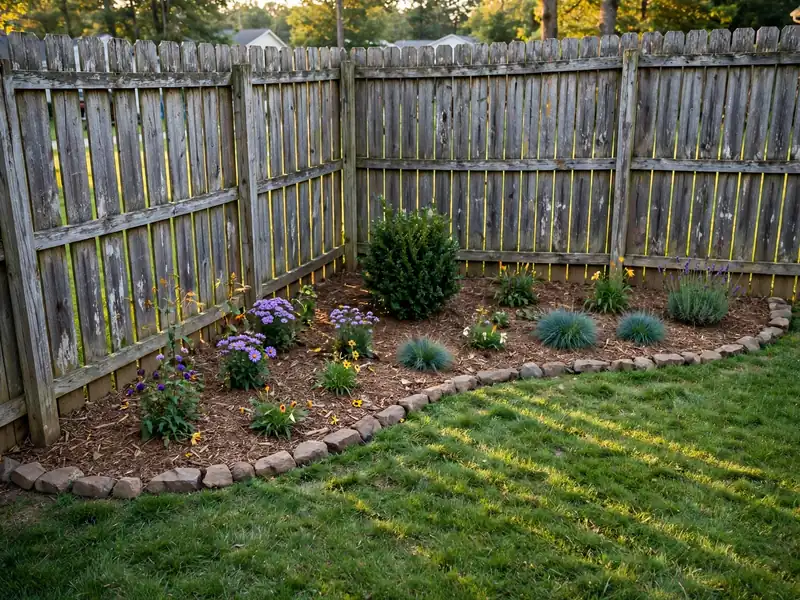
A neglected corner is easier to improve than an entire backyard. Outline a curved bed with a garden hose before digging. Choose one focal plant, such as a compact shrub or ornamental grass. Fill the rest with smaller perennials that need similar sunlight and water. Add mulch to hold moisture and slow weed growth. Leave space to reach each plant for care. A shrub that seems small at the nursery may become wide, so check its mature dimensions first.
Keep access to the far corner for watering and pruning. Measure the space twice before buying shrubs.
5. Add Hanging Baskets for Flowers Without Losing Ground Space
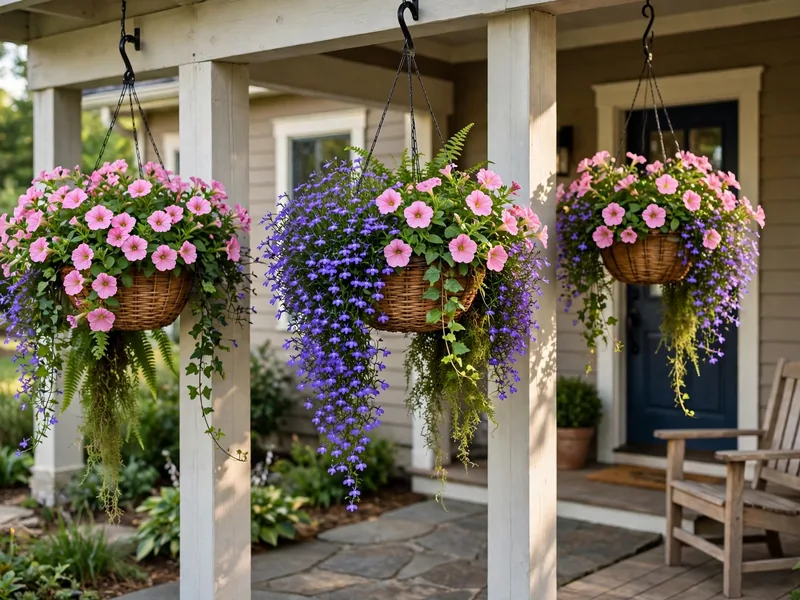
Hanging baskets bring color to a porch while keeping the floor clear. Trailing petunias, lobelia, and suitable begonias can spill over their edges. Match plants to the amount of sun the porch receives. Fix brackets into structural supports and check their weight ratings. Wet baskets weigh much more than dry ones. Hang them low enough to water safely, but away from doors. Small baskets may need daily moisture checks in hot, windy weather.
Flower Gardening Ideas for Front and Backyards
Begin with one flowering area you can reach and maintain. Gardening ideas work best when plant height, bloom time, and local climate guide the layout.
6. Layer Perennial Flowers for Color Through the Growing Season
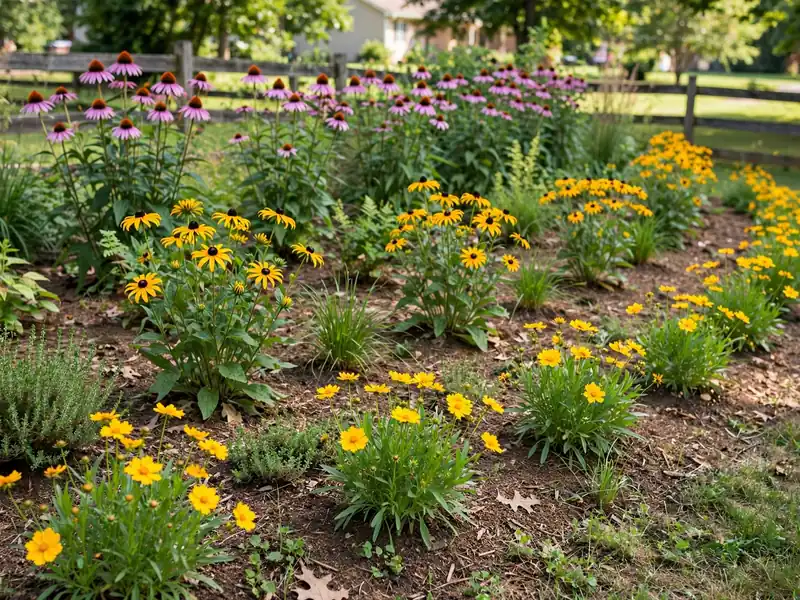
Build a flower bed in layers, with taller plants at the back and shorter ones near the front. In suitable sunny regions, coneflowers, coreopsis, and black-eyed Susans can provide summer flowers. Mix bloom times instead of choosing everything for one week in June. Include foliage plants so the bed still has shape between flowering periods. Give every perennial room to reach its mature size. The first year may look sparse. That’s better than crowding plants and having to move them later.
7. Create a Cottage Garden With Flowers and Winding Paths
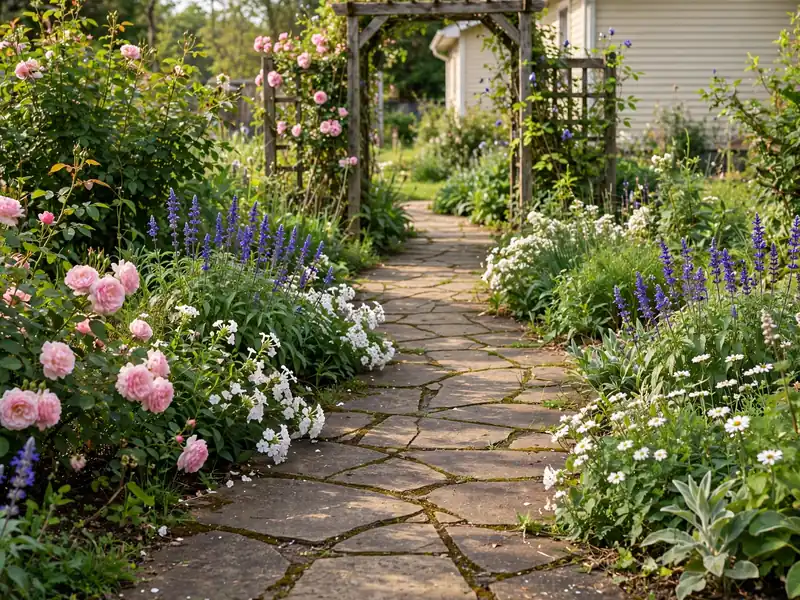
A cottage garden feels relaxed because flowers overlap and paths curve between them. Start with a short gravel or stepping-stone path. Plant groups of roses, salvia, and hardy perennials suited to your climate. Leave enough walkway width for a person carrying a watering can. A small arch or trellis can mark the entrance. Choose plants for their mature size, not just flower color. This style looks informal, but it still needs pruning and weeding.
8. Line Your Front Walkway With a Flower Border
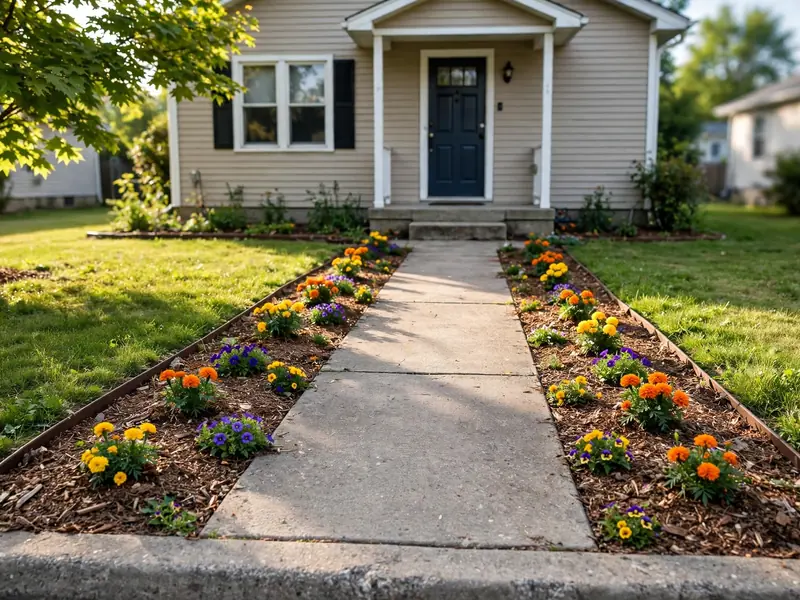
For front yards, gardening ideas often start with a low flower border beside the walkway. Repeat two or three suitable plant varieties along the path. Seasonal marigolds can offer bright color; compact perennials can provide lasting structure. Keep taller flowers away from steps and sightlines. Plan for their full width so the path stays easy to use. Edging can separate lawn grass from the new bed. If the entrance gets shade, choose plants for shade rather than forcing sun-loving flowers to struggle.
9. Grow a Pollinator Garden With Regionally Native Flowers
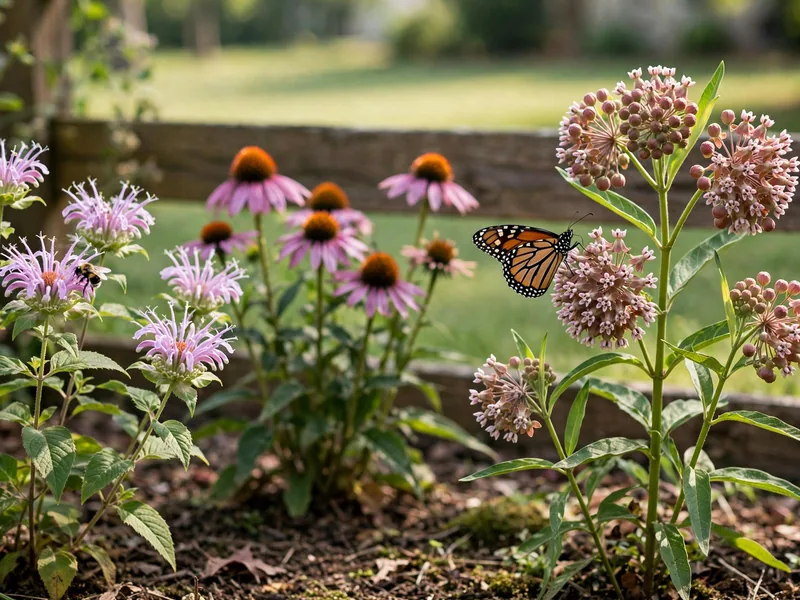
A pollinator patch can fit beside a fence or at the back of a sunny bed. Choose flowers native to your part of the United States. In suitable eastern locations, wild bergamot, coneflower, and locally native milkweeds may fit. Plant small groups of the same species so insects can find them. Aim for blooms across spring, summer, and fall. Some butterflies also need host plants for caterpillars. Avoid spraying open flowers with pesticides. The University of Maryland Extension’s pollinator advice explains why food and habitat both matter.
For reliable results, ask a local native-plant nursery which species suit your county.
10. Brighten a Shady Garden With Ferns and Foliage Plants
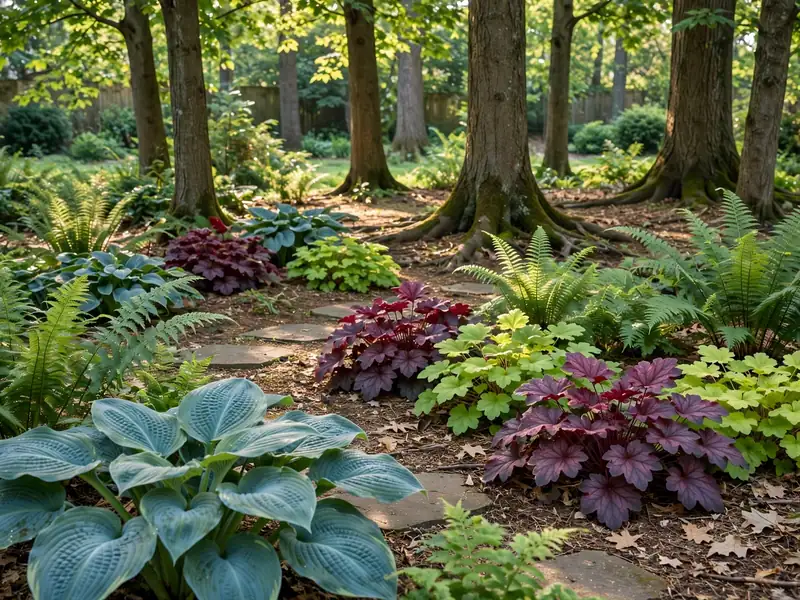
Shade calls for leaves as much as flowers. Hostas, heuchera, and regionally suitable ferns offer contrasting shapes and colors. Look at the light first: filtered shade isn’t the same as deep shade. Group broad hosta leaves beside finer fern fronds for texture. Place a few stepping stones where you need access for maintenance. Beneath mature trees, avoid adding thick soil over the roots. Tree roots can also leave soil dry, even in deep shade. Check moisture before choosing plants.
DIY Gardening Ideas on a Budget
Start with the materials you already have, but check that they are safe for the intended use. These gardening ideas favor projects with a clear purpose.
11. Raised Bed Gardening Ideas for a Small Yard
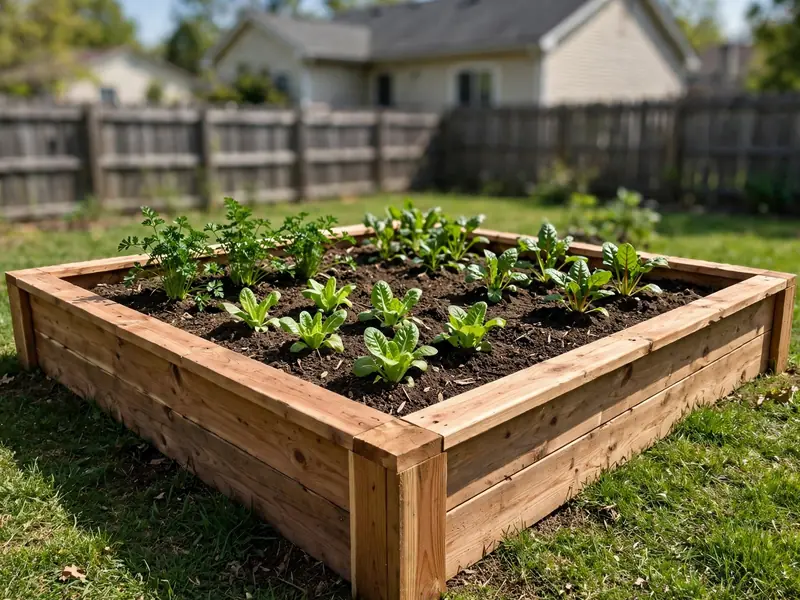
A 4 by 4 foot raised bed provides 16 square feet of growing space. Most adults can reach the middle from either side. Use suitable untreated lumber, blocks, or a purpose-made kit. Avoid reclaimed wood with unknown chemical treatments. Position the bed where your chosen crops get enough sun. Fill it with suitable growing soil, and plan access on all sides. A bed placed over open ground may let roots grow into the soil below. Over pavement, choose adequate depth and drainage. Your local Extension office can help with soil choice.
12. Lay a Gravel Path Between Garden Beds
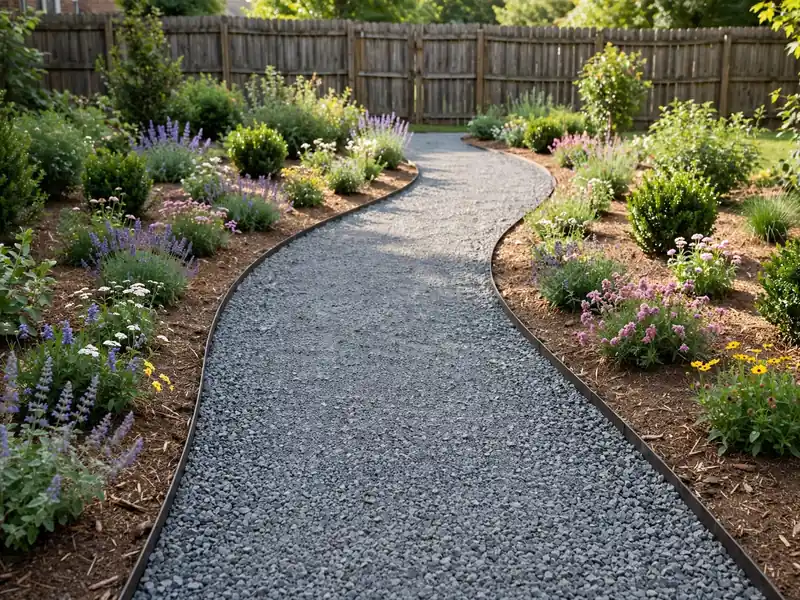
A gravel walkway keeps muddy feet out of planting soil. Mark its route with a hose before lifting turf. Prepare a compact, stable base and add edging to contain the stone. Angular crushed gravel tends to stay in place better than smooth pebbles. Choose a width that works for your garden cart or wheelbarrow. Loose gravel can be difficult for wheelchairs and walkers. If accessibility matters, select firm paving instead. Keep the path slightly away from plant crowns so gravel doesn’t bury them.
13. Give Flower Beds a Neat Edge With Reclaimed Bricks
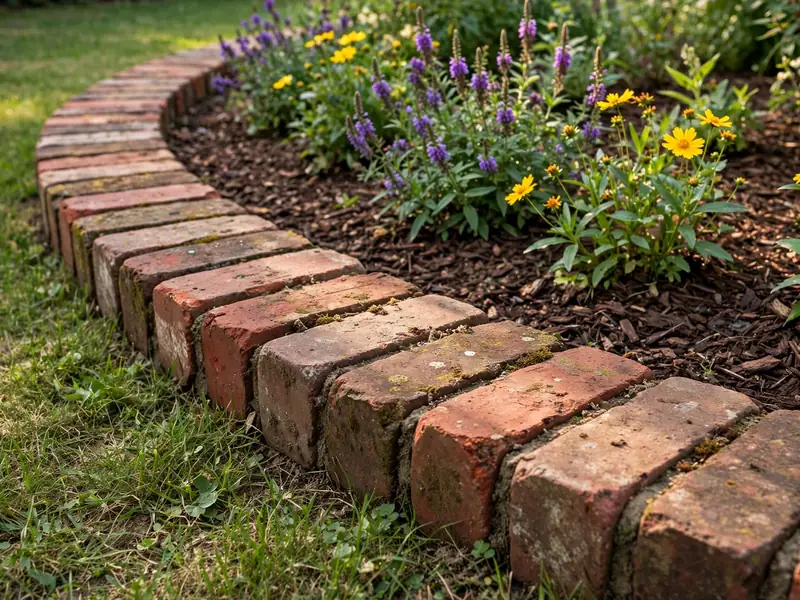
Budget gardening ideas can start with materials already on hand. Old bricks make a low border between grass and flowers. Set them along your planned curve before digging. Use sound, outdoor-suitable bricks, and make a firm, level base. A shallow edge keeps mulch inside and makes the bed easier to see when mowing. Avoid loose or raised bricks near busy walking areas. For a more traditional look, repeat the same brick pattern along nearby beds. This simple project changes the garden’s outline without buying many new plants.
14. Build a Wooden Trellis for Climbing Plants
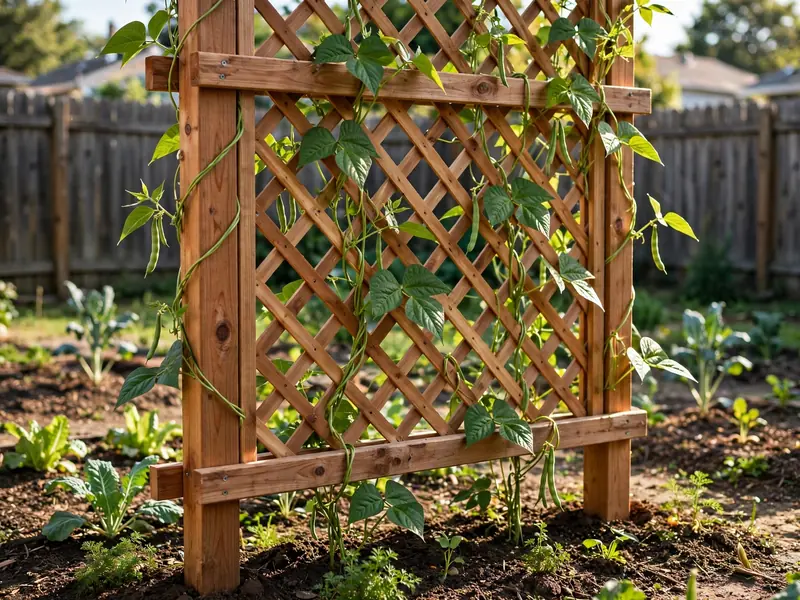
A wooden trellis gives beans or flowering vines support before their stems start to sprawl. Build or buy a frame rated for outdoor use. Fasten it securely, especially where storms bring strong winds. Set the structure before planting to avoid disturbing roots. Choose climbers that suit the available sun and your local climate. Place tall trellises where they won’t shade a nearby vegetable bed. A freestanding screen can also soften the view of a plain fence or service area.
Match the trellis height to the climbing plant, and check the support after strong winds.
15. Turn Old Containers Into a Kitchen Herb Garden
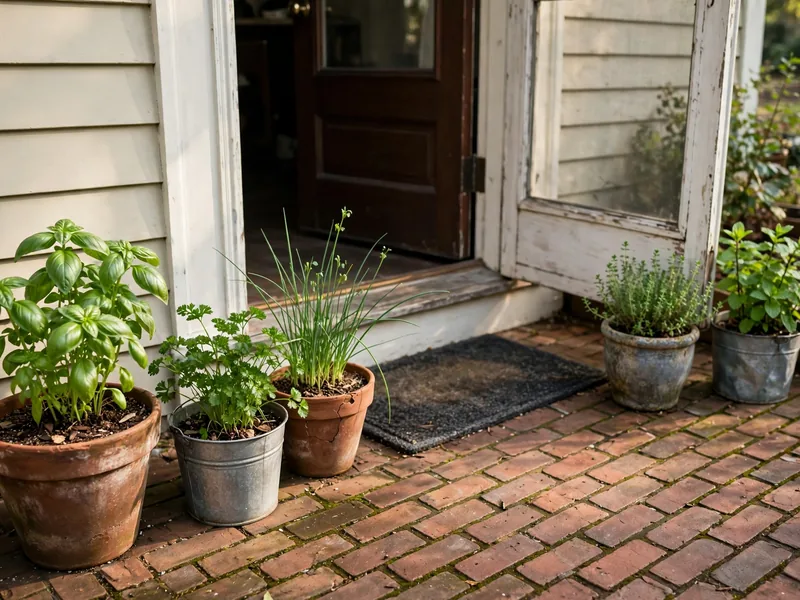
Reused pots can hold a productive herb collection. Select clean, food-safe containers with drainage holes. Avoid buckets that once stored chemicals or unknown liquids. Fill them with potting mix and plant herbs matched to the site. Basil and parsley generally prefer more consistent moisture than thyme or rosemary. Keep mint in its own pot because it spreads quickly. Place the herbs near a convenient door, provided they receive suitable sunlight. Being able to reach them easily makes regular harvesting more likely.
Vegetable Gardening Ideas for Homegrown Food
Food gardens can be productive without taking over the whole yard. These gardening ideas focus on reach, sunlight, and crops you will actually harvest.
16. Design a Compact Vegetable Garden With Easy-to-Reach Beds
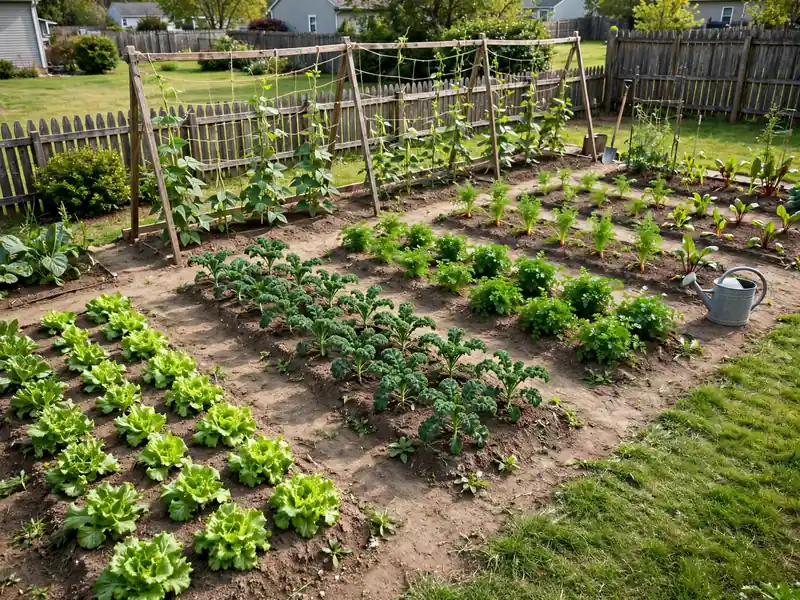
Vegetable gardening ideas should begin with access to each crop. A small food garden works best when every plant is reachable. Divide the space into narrow beds and usable paths. Leave enough room to carry compost or a watering can. Position taller crops where they won’t shade shorter vegetables. Use supports for pole beans and suitable cucumbers. Tomatoes, peppers, and many other warm-season crops generally need six to eight hours of direct sun. Plant only what your household will eat at first. A smaller patch often produces more useful food than an oversized bed you can’t maintain.
17. Grow Fresh Herbs in a Sunny Spot Near Your Kitchen
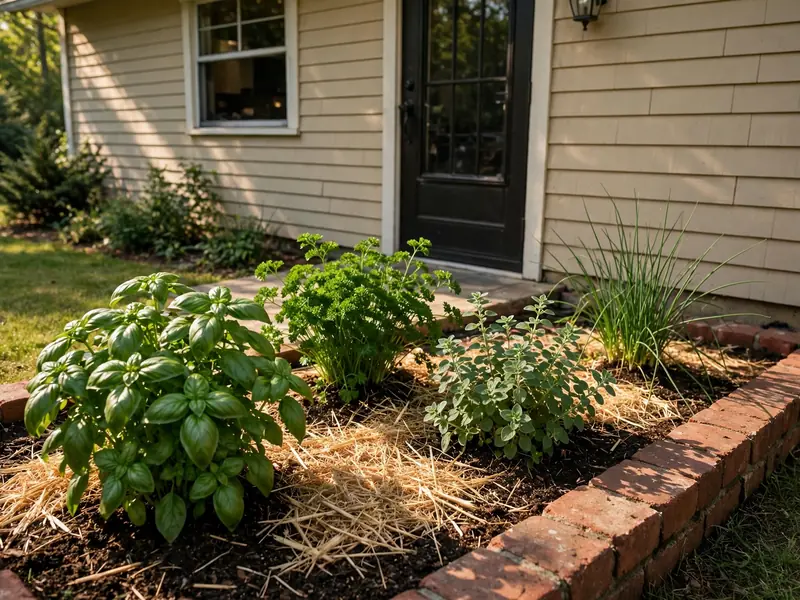
Among practical gardening ideas, a small herb patch near the kitchen saves trips across the yard. Plant basil, chives, parsley, or oregano according to your local season. Give each enough room to mature. Check whether the area receives the sunlight the herbs need. A group of pots may work better than an in-ground bed if the soil stays wet. Harvest leaves as you cook, without stripping entire young plants. If you use containers, place them close to a water source so summer care stays manageable.
18. Plant a Salad Garden in Pots and Window Boxes
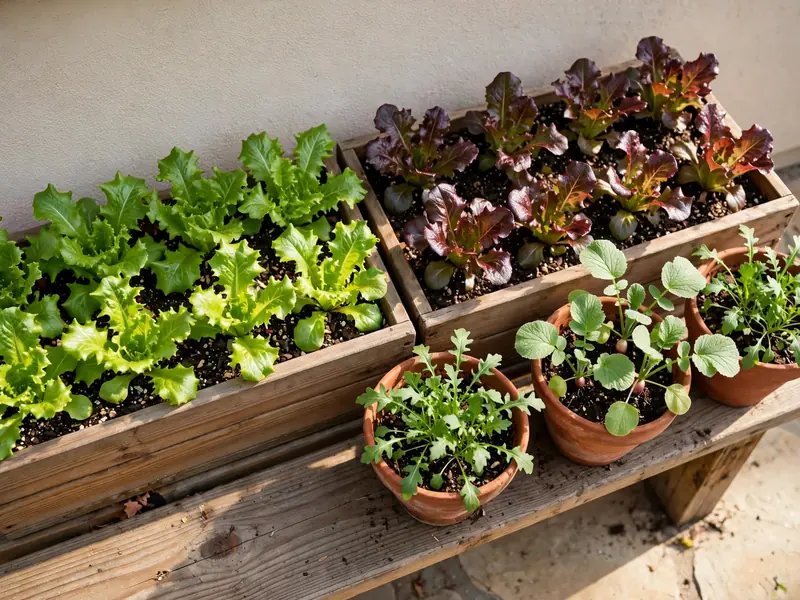
Leaf lettuce, arugula, and many radishes fit into containers. Select boxes that provide enough root space and have drainage holes. Sow seeds at the spacing shown on the packet. Cool-season greens often grow better in spring or fall than in midsummer heat. Plant small batches over several weeks during suitable weather for a longer harvest. Keep the mix moist while seeds germinate. The University of Maryland Extension’s container vegetable guidance gives crop-specific depth and sunlight advice.
19. Grow Strawberries in Tiered Planters
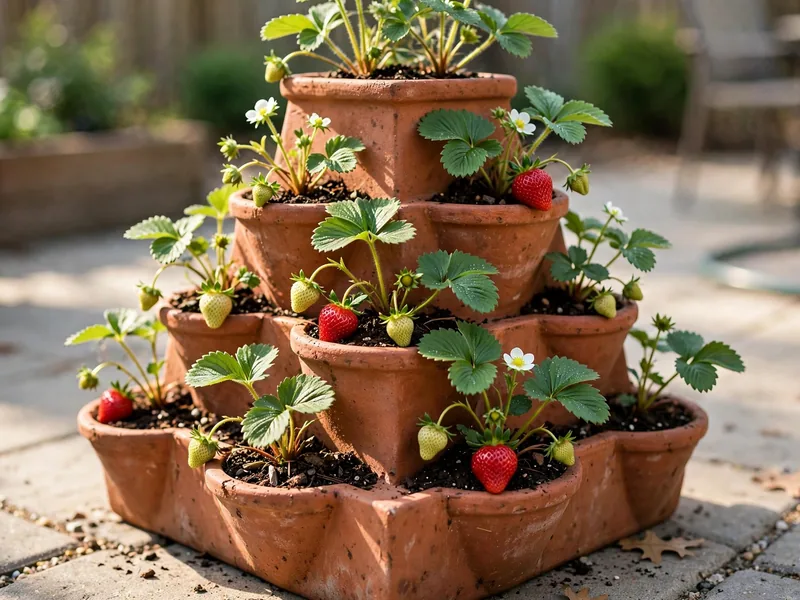
A tiered planter gives strawberry plants several growing pockets without taking much patio space. Choose a sturdy container with holes for excess water. Place it in a sunny location and use a suitable potting mix. Keep each strawberry crown at the recommended planting depth. Check upper and lower pockets separately because they can dry at different speeds. Select varieties suited to your climate. In cold regions, roots in exposed containers may need winter protection. Leave space around the planter to pick berries without crushing leaves.
Check the planter from every side before watering. Wet pockets may differ from dry ones.
20. Mix Vegetables and Flowers in One Productive Garden
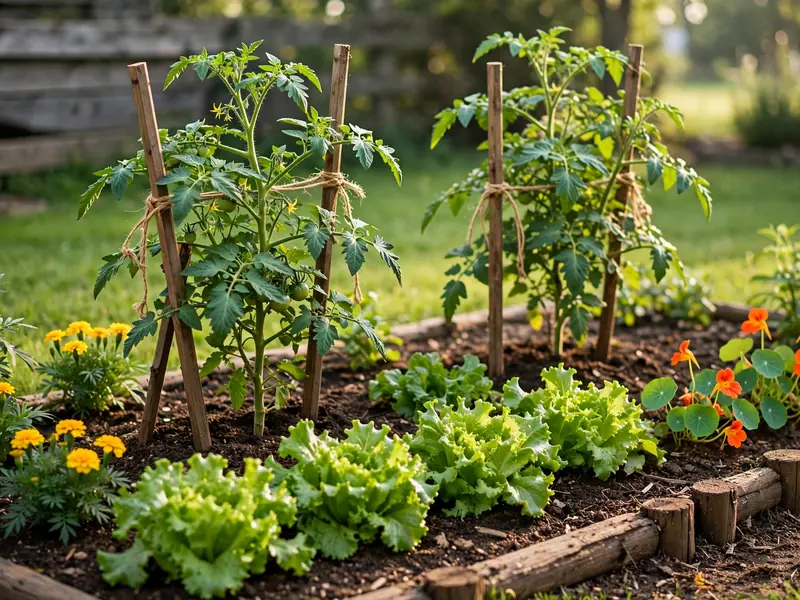
Flowers can share a vegetable garden without taking it over. Plant compact calendula, suitable marigolds, or nasturtiums along sunny bed edges. Choose varieties that work with nearby crops and leave harvesting room. Flowers may draw pollinators, but they won’t replace pest management. Don’t assume every flower is safe to eat. Only use correctly identified edible varieties grown without unsuitable chemicals. This mixed layout looks at home near a patio, where the garden serves as both a food source and a colorful planting.
Low-Maintenance Gardening Ideas for Easier Outdoor Care
Less routine work begins with the right plant in the right place. These gardening ideas still need care while plants become established.
21. Replace Part of Your Lawn With a Native Plant Garden
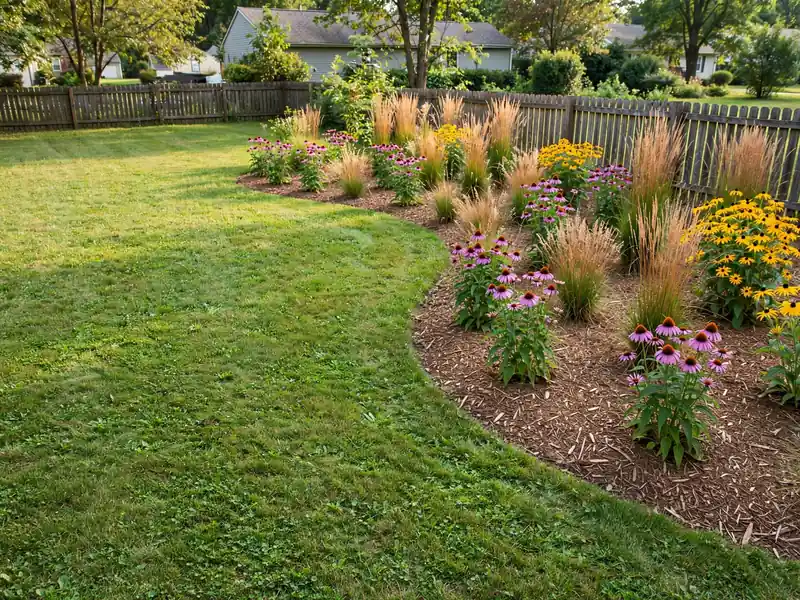
Begin with a manageable strip of lawn rather than removing the whole yard. Lift the turf, check your soil, and choose plants native to your specific region. Native to the United States doesn’t mean native to every state. Group species with similar water and sunlight needs. Keep the planting weeded and watered during establishment. Established plants may need less routine input when they’re well matched to the site. Leave some stems or leaf litter where appropriate for wildlife, while keeping paths and entrances clear.
22. Create a Mulched Garden Border With Shrubs and Perennials
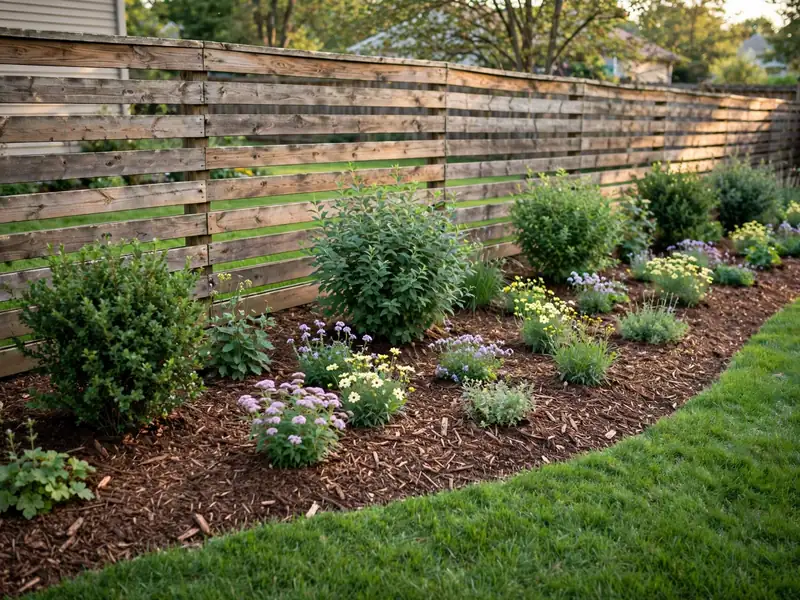
A shrub border can soften a fence and reduce the area you need to mow. Space shrubs for their mature width instead of planting them shoulder to shoulder. Add perennials between larger plants for seasonal color. Spread mulch over exposed soil, but leave a gap around stems and trunks. This helps keep moisture in the ground without holding it against bark. Pick plants that need similar care. The border will still require seasonal pruning, weeding, and checks for irrigation problems.
23. Plant a Drought-Tolerant Garden for Dry, Sunny Areas
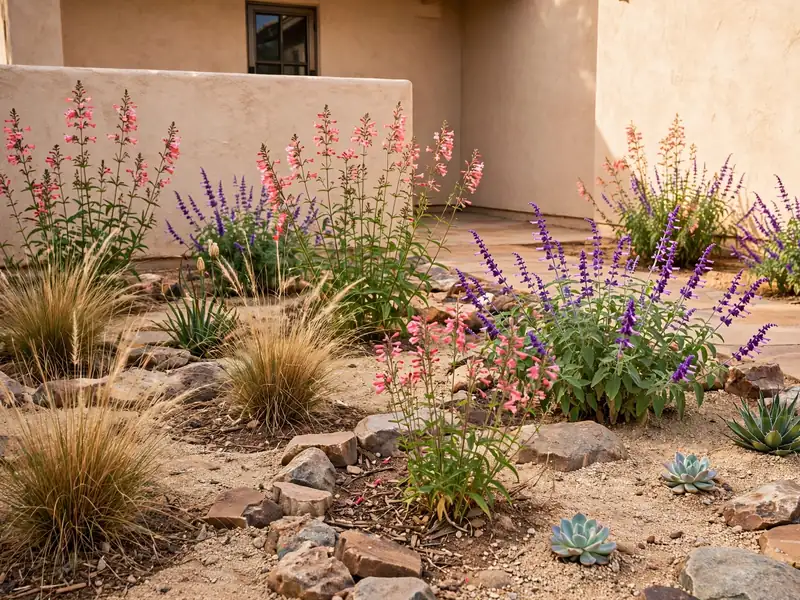
A dry, sunny patch may suit low-water plants better than thirsty lawn grass. Select species adapted to your local rainfall, soil, and winter temperatures. Suitable penstemons and salvias fit some western gardens, but species choice matters. Group plants with similar water needs and use an appropriate mulch. Even drought-tolerant plants need regular care while their roots establish. Skip plants that are invasive in your region. For a local plant list, consult your state Cooperative Extension program rather than copying another state’s desert garden.
24. Manage Rainwater With a Rain Garden
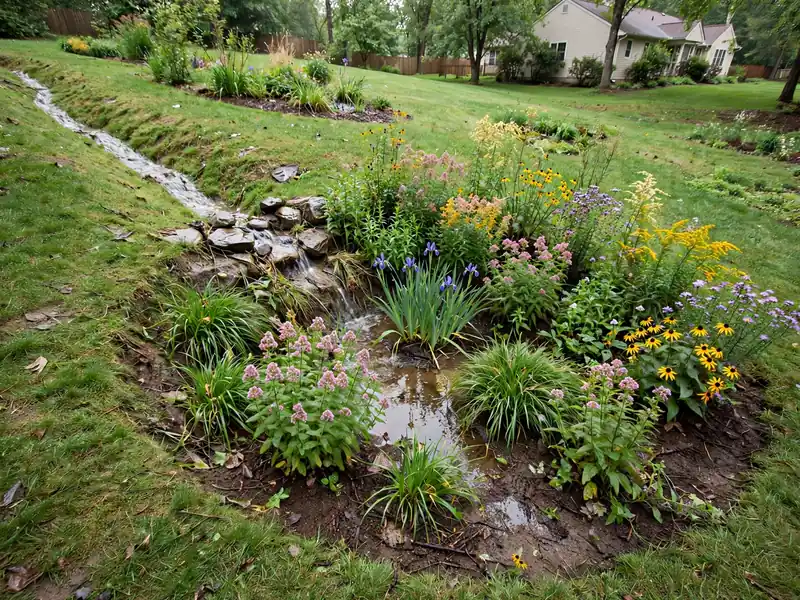
A rain garden is a shallow planting area designed to take in runoff and allow it to soak into suitable ground. First confirm that the soil drains and the site is safe. Keep it away from foundations, septic systems, and underground utilities. Many extension programs recommend a setback of at least 10 feet from buildings, but site requirements can vary. A rain garden should not remain waterlogged for days. Choose plants that tolerate temporary flooding and later dry spells. Consult a local Extension or stormwater program before digging or redirecting runoff.
Before moving runoff, confirm your property has a safe overflow route in heavy storms.
25. Add Backyard Privacy With Layered Shrubs and Climbing Plants
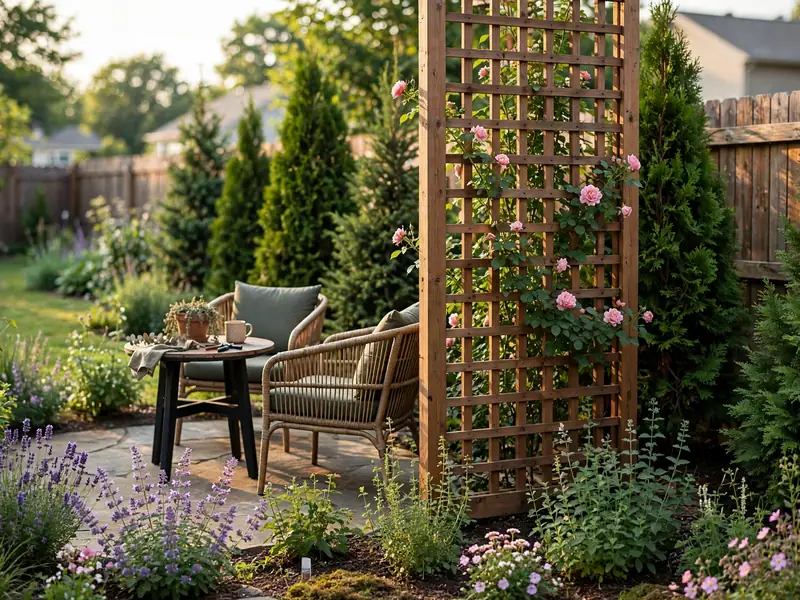
You may need privacy around one chair or dining area, not the whole property line. Identify the view you want to block first. Place taller shrubs behind lower plants, allowing for their mature widths. A trellis with a suitable climber can screen a narrow gap. Keep plantings clear of utilities, windows, and maintenance access. In a small yard, a partial screen often preserves more light and airflow than a solid hedge. Check pruning needs before choosing fast-growing varieties.
Common Gardening Mistakes to Avoid
Buying plants before checking sunlight. Watch the area over a full day. Plant tags assume certain light conditions.
Crowding young plants. A small nursery plant may spread several feet. Check its mature dimensions.
Ignoring drainage. Roots can struggle in constantly wet ground. Test the site before building beds or rain gardens.
Using backyard soil in containers. Potting mix is usually lighter and drains more predictably in pots.
Choosing plants from photographs alone. Confirm local hardiness, summer heat tolerance, and invasiveness.
Starting too big. Begin with one section, learn its watering needs, then expand.
Frequently Asked Questions About Gardening Ideas
What is the easiest type of garden to start with?
A few containers are a manageable start. Choose two or three plants with similar light needs. Use pots with drainage holes and a suitable potting mix. Check moisture before watering.
How can I start a garden with very little money?
Start with a small bed or safe reused pots. Grow some plants from seed and look for local plant swaps. Spend first on healthy plants, suitable soil, and essential tools. Decorations can wait.
What time of year is best to start a garden in the USA?
It depends on where you live and what you plan to grow. Many warm-season crops go outside after frost danger passes. Cool-season greens often grow in spring and fall. Your local Cooperative Extension planting calendar is more useful than one national date.
How do I know which plants will grow in my area?
Look up your USDA hardiness zone, then check the site’s sun, soil, and summer heat. A local Extension office can identify plants adapted to your region. Zone alone doesn’t guarantee success.
Final Thoughts
The best gardening ideas help you use the space you already have. A few patio pots can add color. A narrow flower bed can soften a walkway. A compact vegetable plot can provide fresh food. Choose a project that fits your site and your schedule, then let the garden grow from there.

About Author
Hello there. I am Lathen Reed, a home improvement and interior design enthusiast. With a passion for creating beautiful, practical, and comfortable spaces, I share helpful ideas and inspiration related to home improvement, home decor, interior design, and home styling. Through HomeFixStyle, my goal is to make home improvement simple, inspiring, and accessible for everyone.