
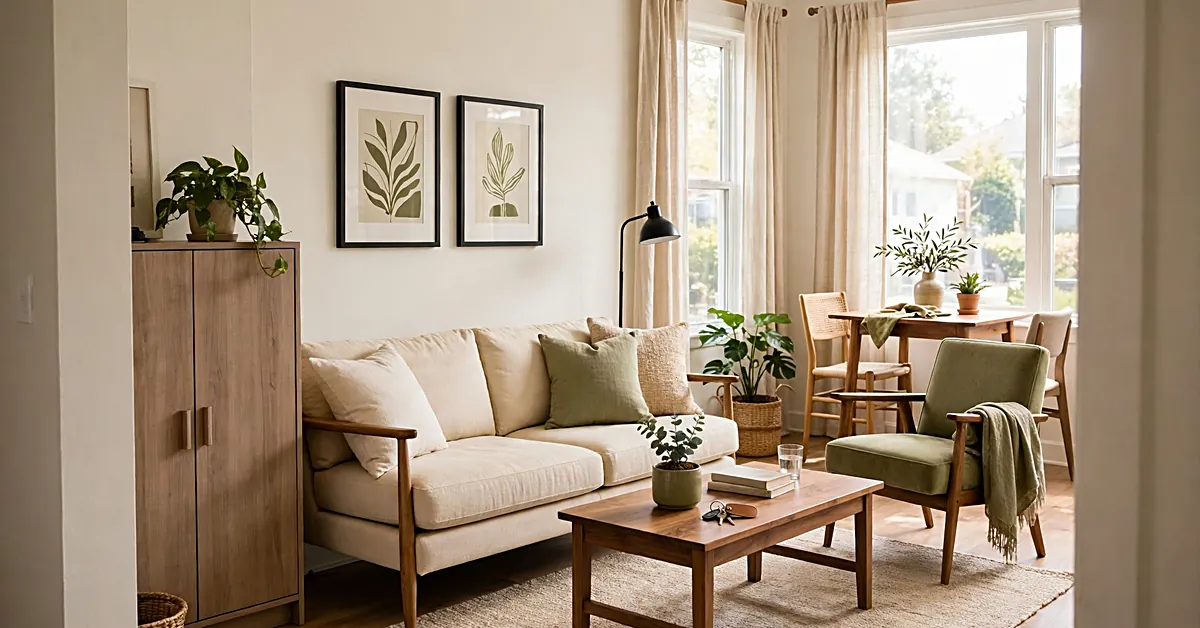
Apartment interior design starts with a home that fits your daily life. The right sofa, lighting, and storage matter more than expensive finishes. A studio needs different choices than a two-bedroom rental. Your layout, furniture sizes, and lease rules should shape each decision. The 25 ideas below include room layouts, practical measurements, and sample budgets from $300 to $1,500.
Apartment Interior Design Ideas for a Home That Feels Like Yours
Start with the look you enjoy, but choose furniture for the room you actually have. You can mix styles without replacing everything. Start with a color or material you already like. That gives you a starting point when choosing the next piece.
1. Try Modern Apartment Interior Design With Simple Furniture
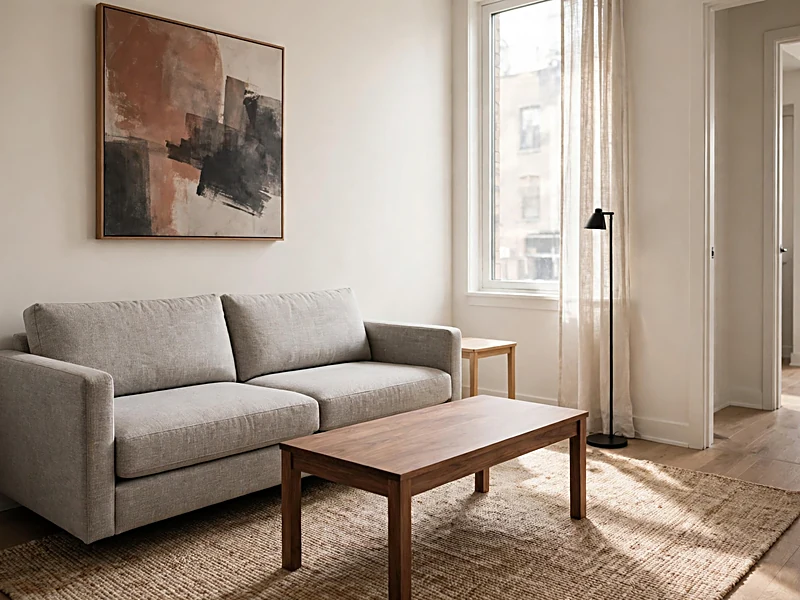
A sofa with narrow arms, a simple coffee table, and smooth finishes create a tidy living room. Try light gray upholstery with walnut wood and black metal accents. Add one large print for color instead of several tiny decorations.
Leave space around the coffee table for walking and reaching the sofa. Measure each piece before buying it. A sofa that blocks a doorway does not fit the room.
2. Build a Cozy Room With Textures
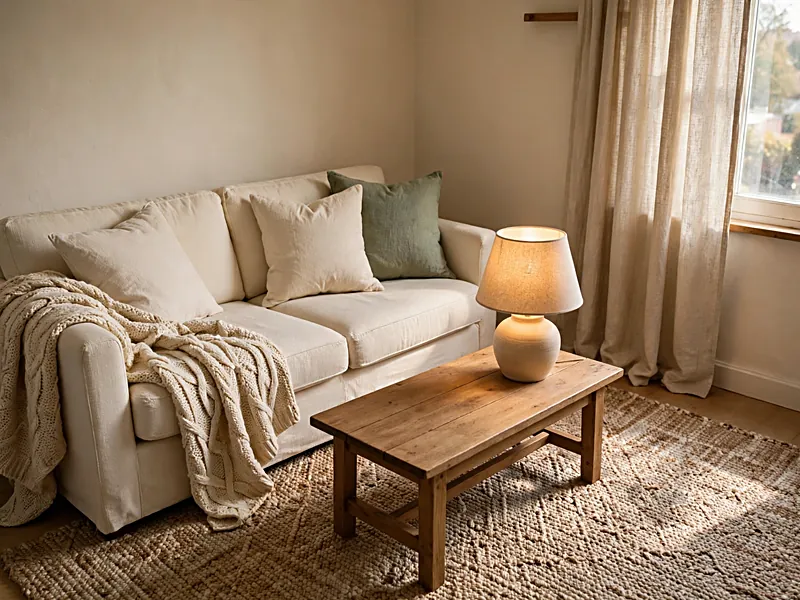
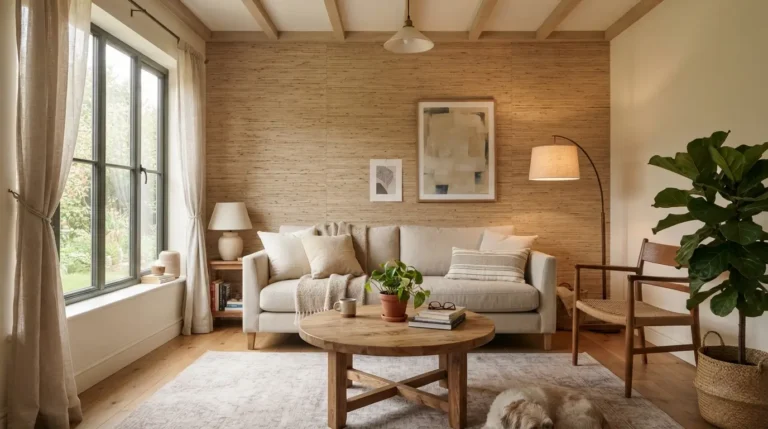
Layer a woven rug, cotton pillows, linen curtains, and a soft throw. You can keep the colors quiet while varying the materials. Cream, warm brown, and muted green work well together. Two cushions with different textures often look better than a crowded row of pillows.
Choose machine-washable fabrics if pets or children use the room. Place the rug where bare feet meet the floor, not merely where it looks good in a photo.
3. Warm Up Neutrals With Wood
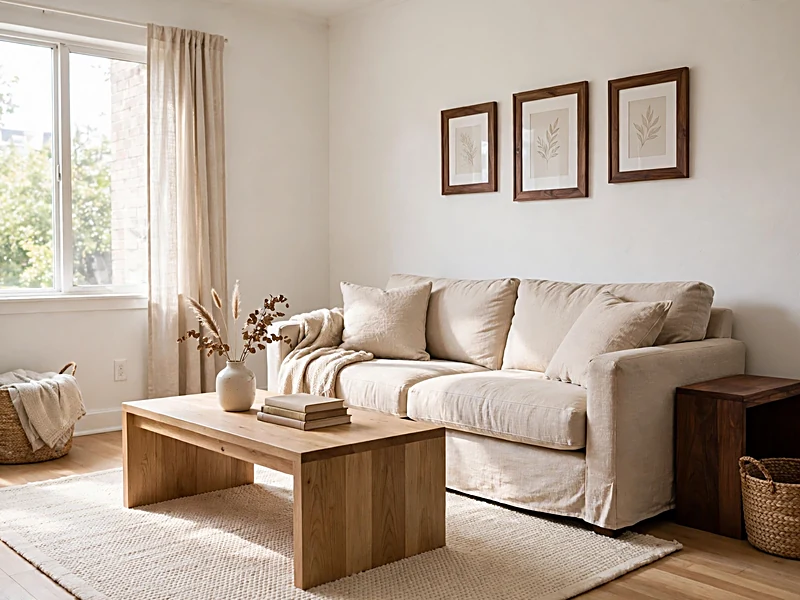
White walls can look flat beside white furniture. Bring in an oak table, a walnut frame, or a woven basket. Those materials add warmth without requiring bold paint. Pick two or three main colors and repeat them across the room.
Test colors in daylight and lamplight before buying large pieces. Beige fabric may look warmer near a window than under a cool white bulb.
4. Let Your Artwork Set the Colors
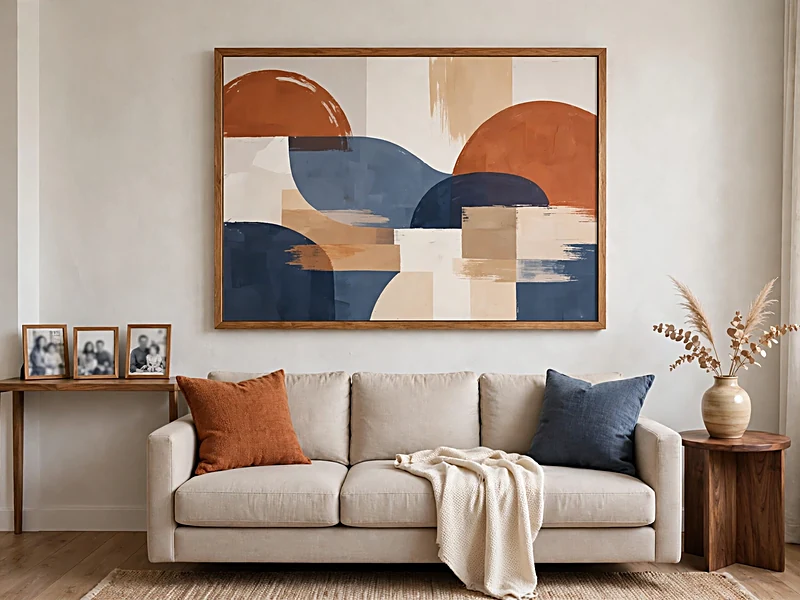
Start with a print or photograph you love. Pull one shade from it for cushions and another for a blanket. A gallery of family photos works best when the frames share a color or finish.
Lay the frames on the floor to check spacing before hanging them. If your lease limits wall attachments, display art on a console or shelf. This approach gives your apartment aesthetic a personal story rather than a matching store display.
5. Keep Scandinavian Style Simple and Useful
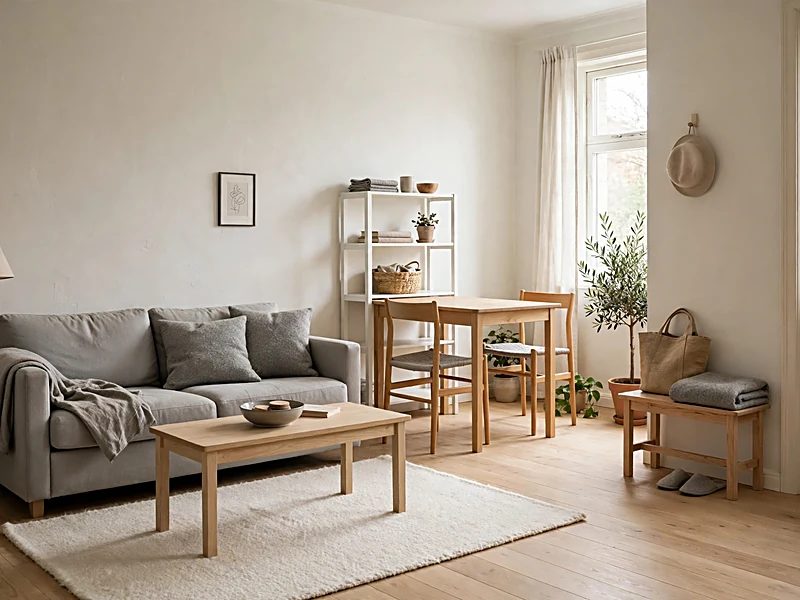
Pair pale wood, a light rug, and practical storage. A narrow oak table can work beside chairs with slim backs. Add a soft lamp and one or two plants if the light suits them.
Leave some shelving open. An empty spot gives books and objects room to stand out. A narrow storage bench near the entrance can also keep shoes out of sight.
6. Mix Natural Materials for Boho Decor
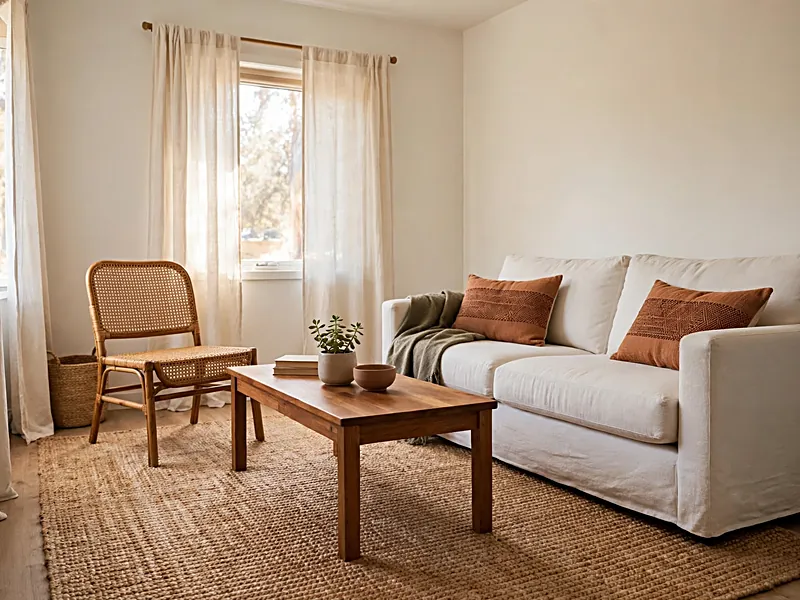
Combine a jute rug, wood furniture, and patterned textiles. Use terracotta or olive green as an accent. One patterned pillow or throw can be enough.
A cane chair suits some layouts, but check its width before choosing one. Natural materials look better when they serve a purpose, not when they cover every surface.
7. Make Minimalism Feel Comfortable
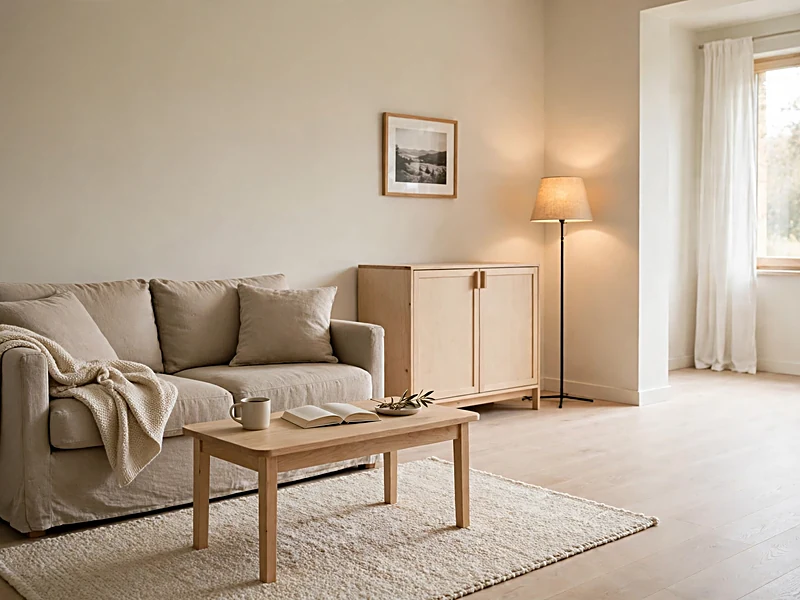
Keep the seating, tables, and storage you need. Remove items that get in the way before buying more organizers. Use warm fabric, good lighting, and a favorite photograph to soften the room.
Minimalism does not require bare walls or all-white furniture. It means giving your useful pieces space.
8. Add a Few Industrial or Art Deco Details
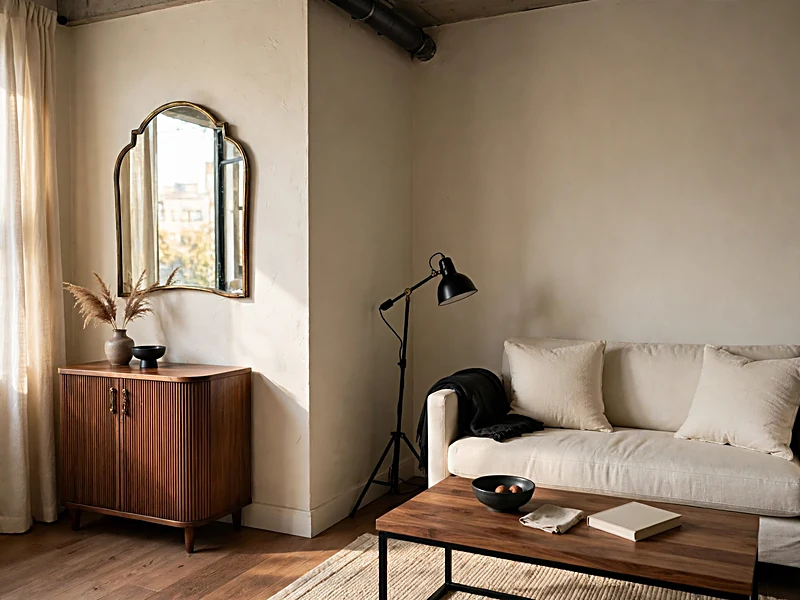
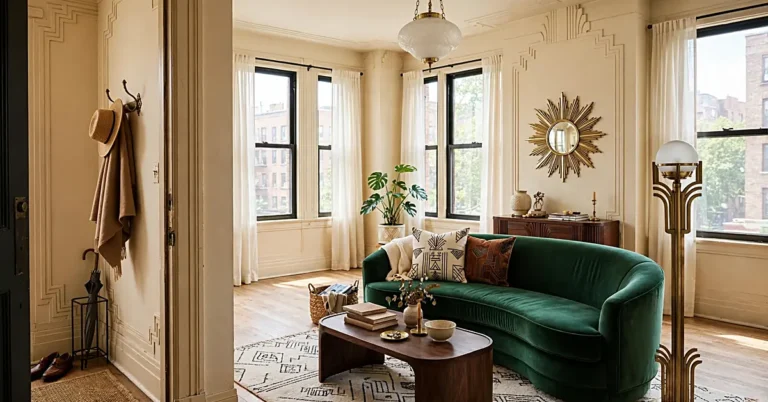
For an industrial touch, try a black metal lamp with a wooden table. Soften the mix with a rug. For an art deco apartment look, choose one curved mirror or a fluted accent piece.
Don’t combine every trend in the same corner. A single distinctive detail can shape the room’s character. Repeat its color or finish elsewhere to keep the pieces connected.
Small Apartment Interior Design Ideas That Save Floor Space
Compact rooms need careful measurements and furniture that earns its place. Focus on clear paths and storage before adding more decor.
9. Pick a Sofa That Fits the Room
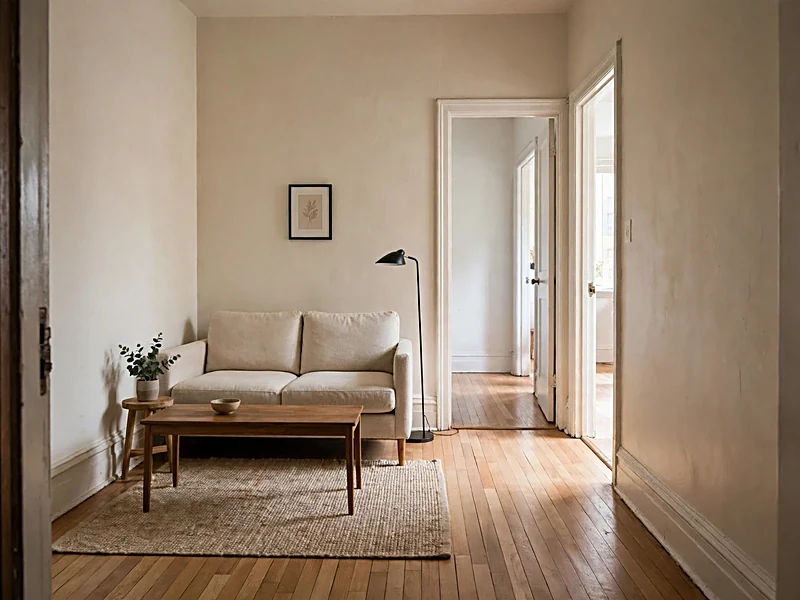
A loveseat may suit a narrow living room better than a large sectional. Many loveseats measure roughly 55 to 70 inches wide, but check each product’s specifications.
Consider the arm width and seat depth, too. Mark the sofa footprint with painter’s tape. Walk around it before placing an order. Check that nearby cabinets, doors, and drawers still open.
10. Buy Furniture With More Than One Job
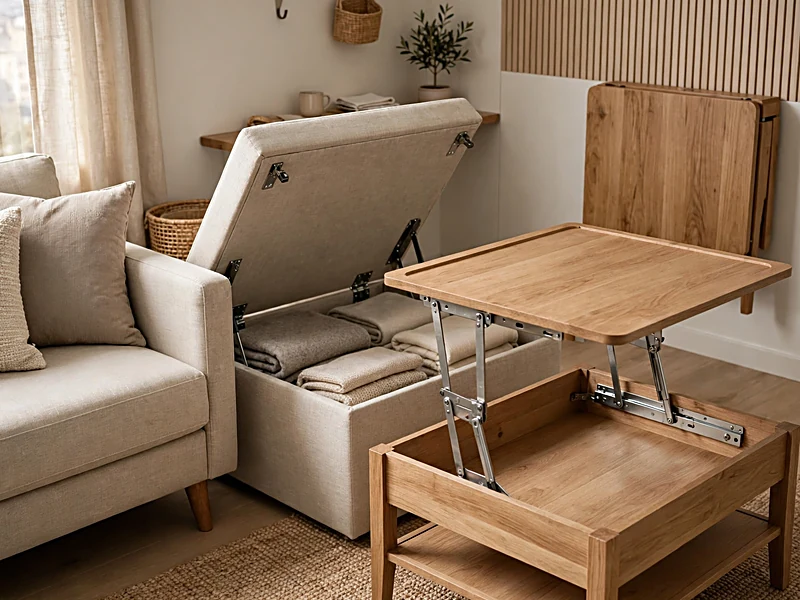
A storage ottoman can hold blankets and provide a footrest. A lift-top coffee table can support occasional laptop work. An expandable dining table helps when friends visit.
Before buying, measure the furniture both closed and fully open. A useful feature becomes a problem if you cannot move around it. For daily laptop work, compare a proper desk setup rather than relying on a coffee table.
11. Use Hidden Storage First
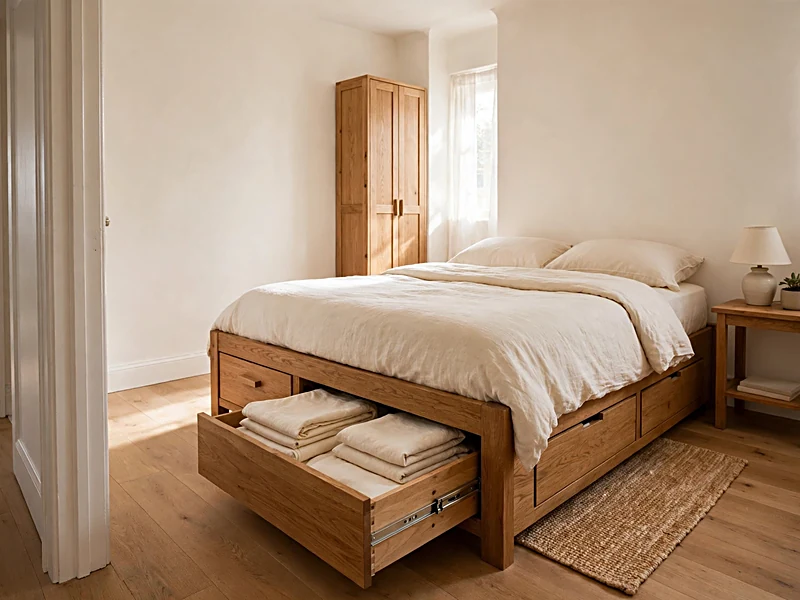
Check beneath the bed, inside closets, and under existing furniture. Flat bins can hold seasonal bedding. A bed frame with drawers may replace a bulky dresser.
Keep daily items within easy reach and store rarely used objects higher up. Sort your belongings before buying another storage cabinet. Check that bins can slide out without lifting the bed or moving heavy furniture.
12. Store Upward Without Creating Hazards
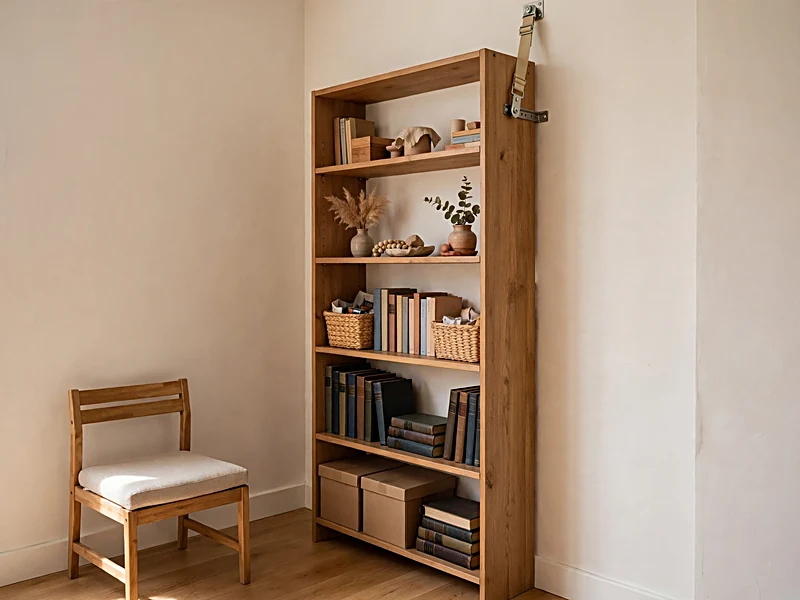
Tall shelves use less floor area than several small cabinets. Put heavier items on low shelves and lighter items above. Secure tip-prone furniture with suitable hardware.
The US Consumer Product Safety Commission’s Anchor It campaign explains why furniture anchoring matters.
Check lease rules before drilling, and follow the manufacturer’s anchoring instructions. Adhesive strips are not a substitute for required furniture anchors.
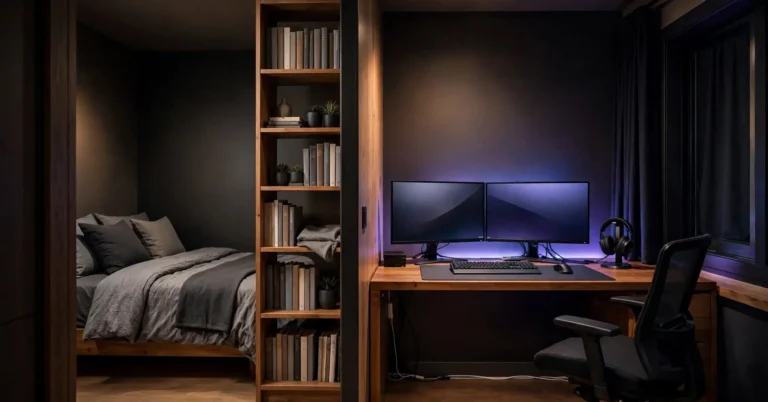
13. Divide a Studio Into Zones
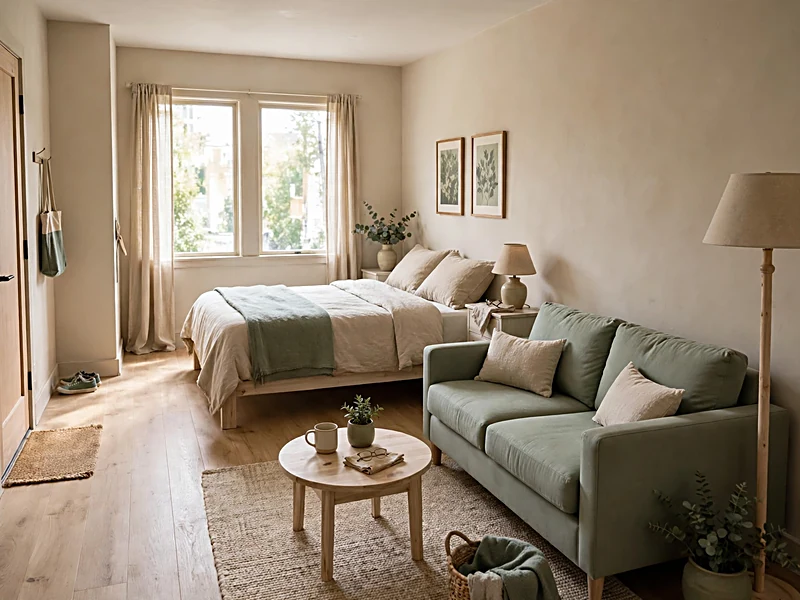
Put the sofa near the living area and the bed in a quieter corner. A rug can mark the seating zone.
A folding screen may add separation. A bookcase also works when installed and secured as required by its manufacturer. Keep windows and exits accessible.
Choose related colors across both zones so the studio still feels like one home.
14. Position Mirrors to Catch Daylight
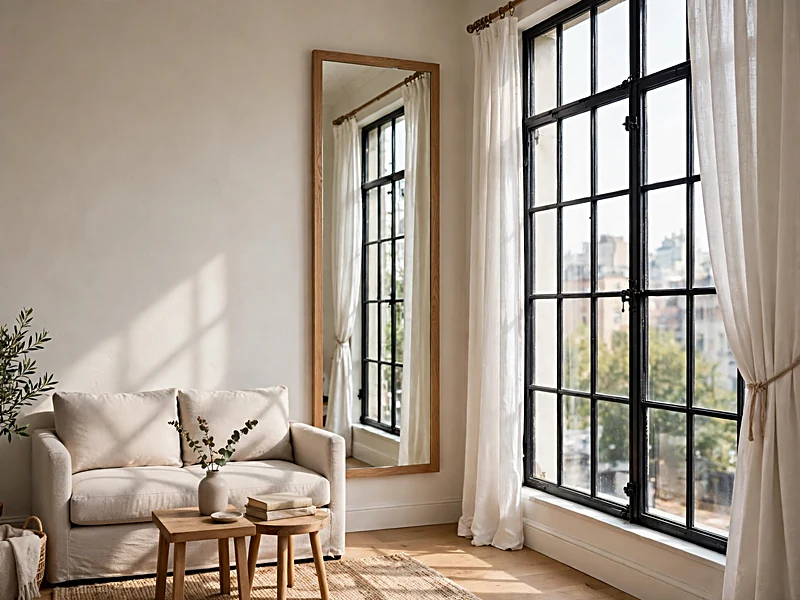
A mirror beside a window can reflect daylight into a narrow living room. Check the reflection from your usual seating position.
A view of daylight or artwork helps more than a reflection of clutter. Avoid glare across a desk or television.
Secure large mirrors as directed by their manufacturer.
15. Choose Furniture With Visible Floor Beneath It
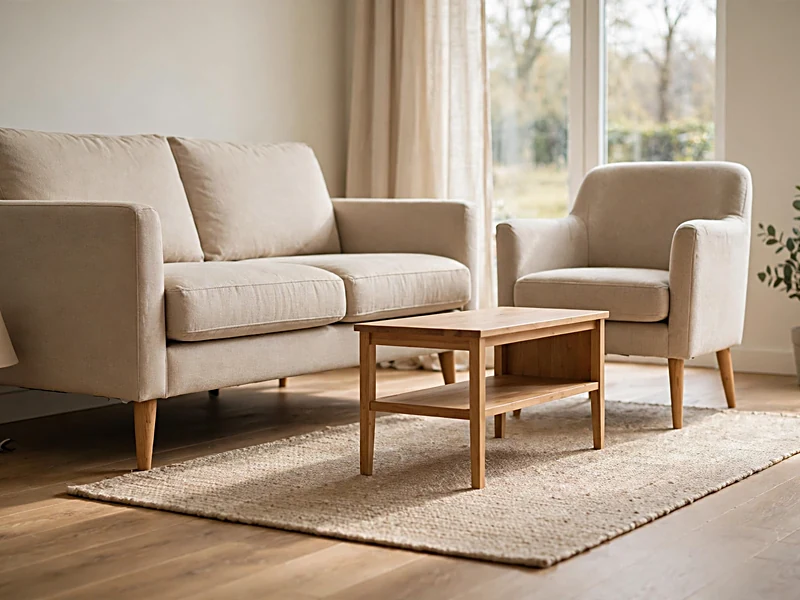
A raised sofa or slim-legged chair shows more flooring and can make a room feel less crowded. Clear acrylic tables also look light, though they show scratches and fingerprints.
Choose function first. A solid storage ottoman may suit your needs better than a delicate side table. In homes with young children, consider stability and sharp corners.
Design Ideas for Every Room
Each room needs a different plan. Arrange the major pieces first, then choose colors and accessories.
16. Give the Living Room a Focal Point
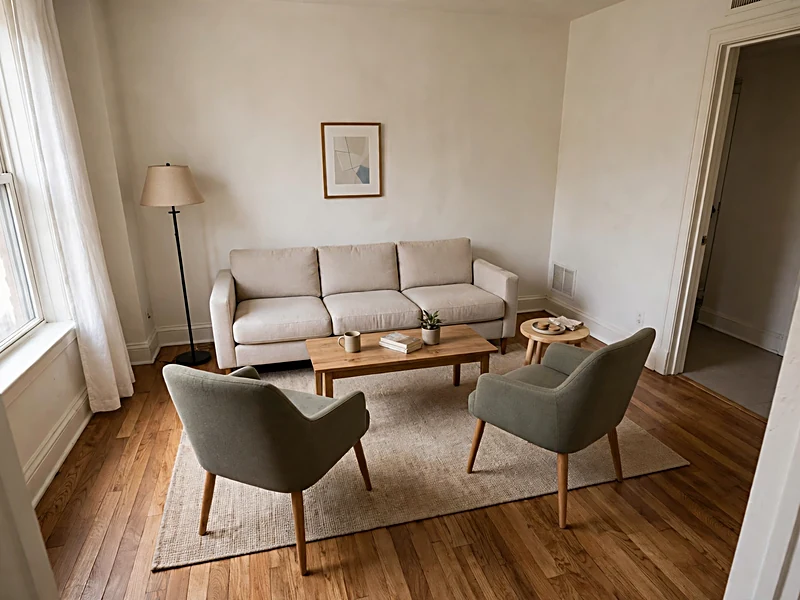
Face seating toward a television, window, fireplace, or conversation area. Use a rug large enough to connect the sofa and nearby chairs. The sofa’s front legs can sit on the rug.
Leave room to reach tables and walk between seats. If the room lacks a focal point, face the sofa toward two chairs to create a conversation area.
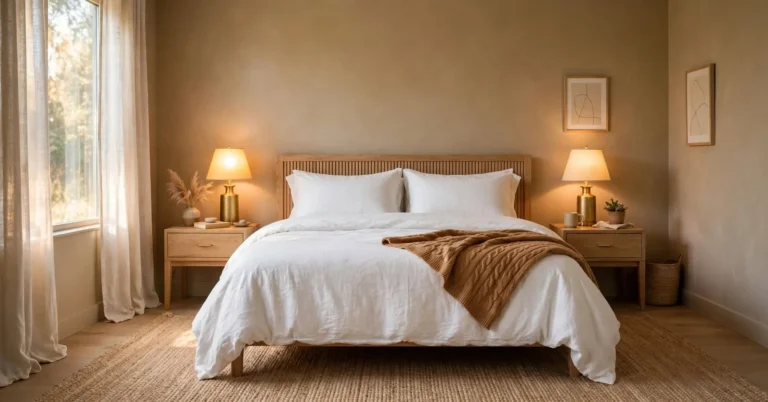
17. Make the Bedroom Calm and Useful
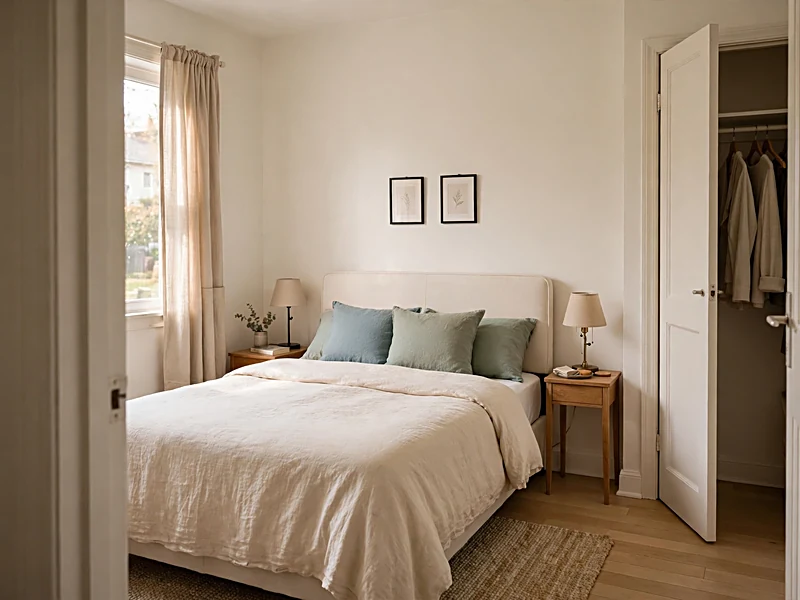
Leave a clear route around the bed where the room allows. Try narrow nightstands or bedside shelves where mounting is permitted.
Use a soft bedside lamp and curtains that provide enough privacy. A storage bed may reduce the need for another dresser.
Prioritize the mattress and bed frame before decorative pillows. Check whether a dresser fits inside the closet before adding one to the bedroom.
18. Keep Kitchen Counters Clear
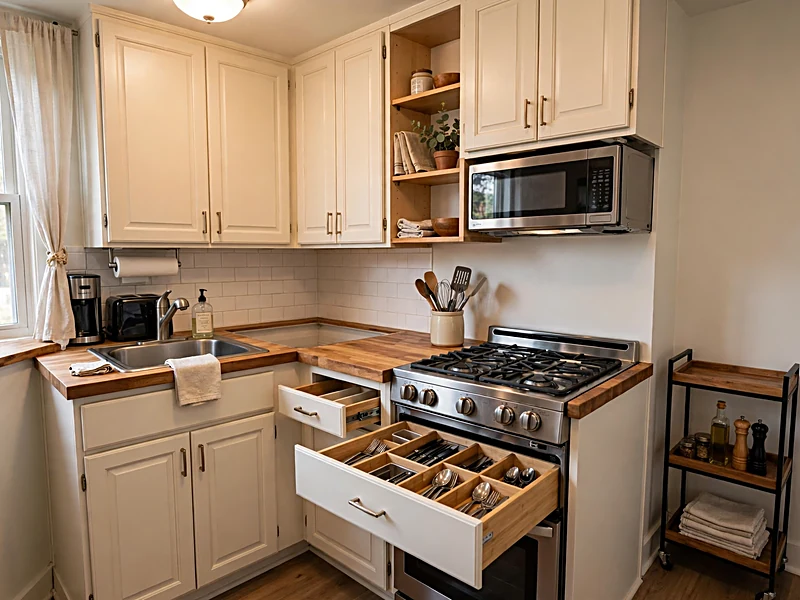
Put everyday utensils close to their work area. Use drawer dividers and cabinet risers to organize smaller items.
A slim cart can help if it does not block cabinets or paths. Keep extra shelving away from heat and moisture.
Save one open section of countertop for food preparation. Keep cookware near the stove and dishes near the area where you serve meals.
19. Make Room for a Dining Spot
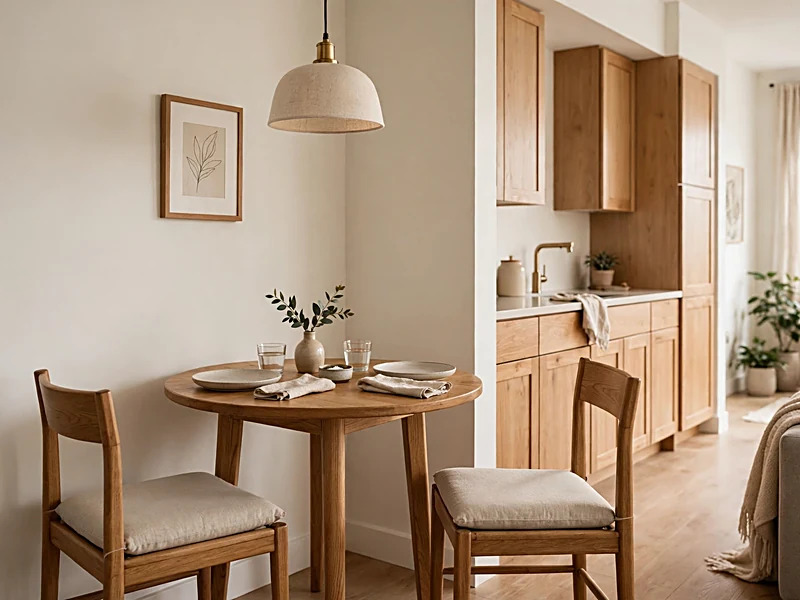
A small round table fits many awkward corners. Drop-leaf tables provide extra space when needed.
Pull every chair out before measuring the total footprint. Place the table near the kitchen when practical.
A small lamp or nearby print can define the area without a room divider. If the table doubles as a desk, store work supplies nearby.
20. Refresh a Bathroom Without Remodeling
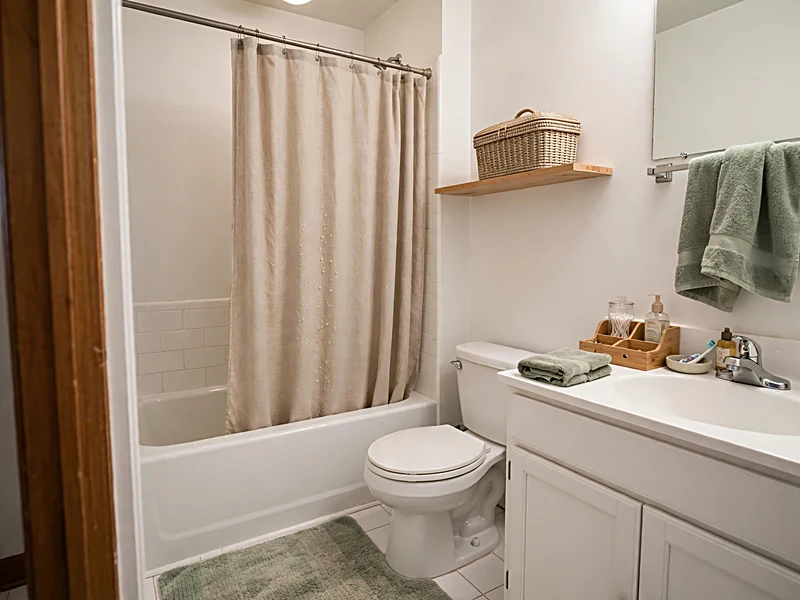
Choose towels, a washable bath mat, and a shower curtain that work together. Use drawer trays for toiletries and a suitable shelf for extra supplies.
Pick moisture-resistant materials. Don’t cover ventilation or put storage where it interferes with the door.
Limit sink-side clutter to items you use daily. Store spare supplies in closed containers away from splashes.
21. Give a Narrow Entryway One Clear Purpose
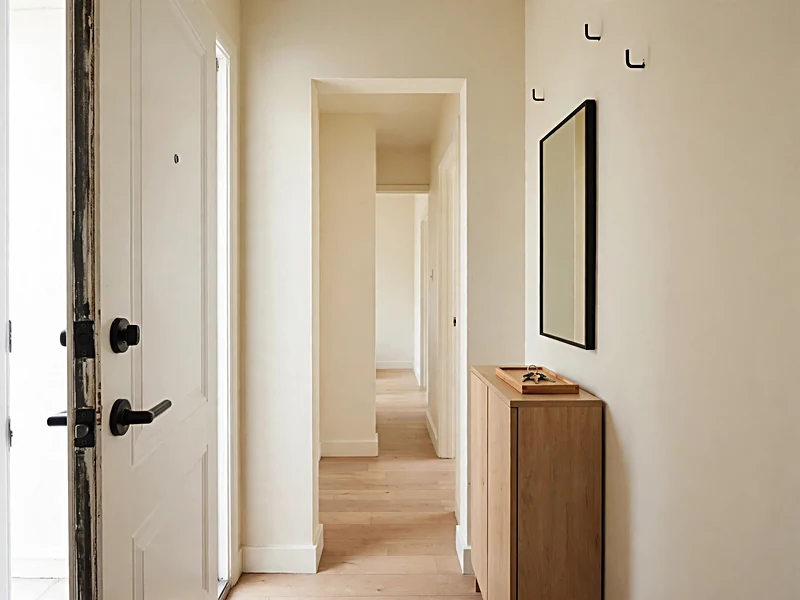
A slim shoe cabinet, key tray, or narrow mirror can make arriving home easier. Don’t add all three unless they fit.
Measure the narrowest part of the hall. Keep the exit clear and avoid loose rugs that curl near the door.
In a small entry, empty floor space is useful. Choose storage for the item that creates the most clutter.
Renter-Friendly Decorating Without Permanent Changes
Your lease determines which alterations need permission. Start with portable pieces and test any removable product before applying it widely.
22. Decorate Walls Without Repainting
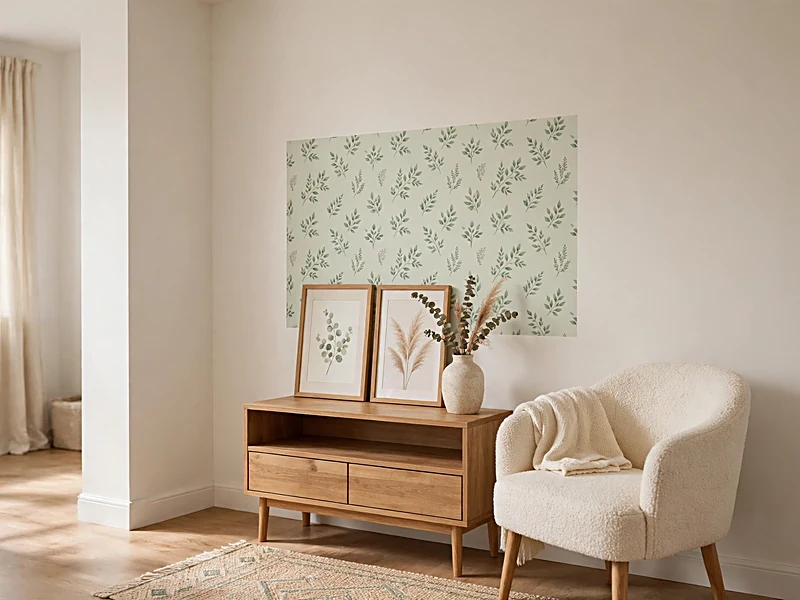
Try framed prints, freestanding picture ledges, or removable wallpaper suited to your wall finish.
Peel-and-stick products can still lift paint. Test a small, hidden section and follow removal instructions.
Ask before drilling, changing hardware, or covering a large wall. If attachments are restricted, display art on furniture instead. Secure large leaning frames so they cannot tip.
23. Use Rugs to Mark Living Areas
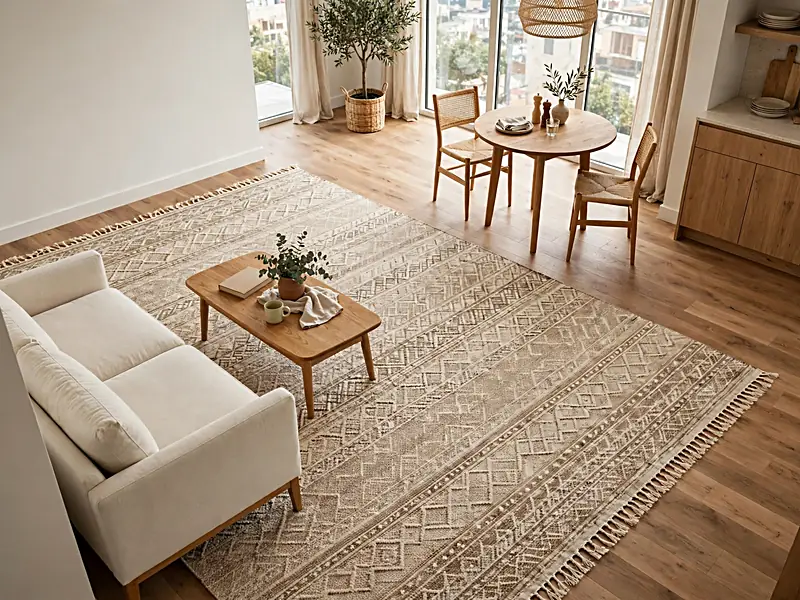
A rug can separate a sofa from a nearby dining table in an open room. Its size matters more than its pattern.
Measure the seating group before ordering. An 8-by-10-foot rug suits some rooms, but not every apartment.
Use a floor-safe pad to reduce slipping when appropriate. In the living room, placing sofa front legs on the rug can connect the seating group.
24. Add Lamps Where You Need Light
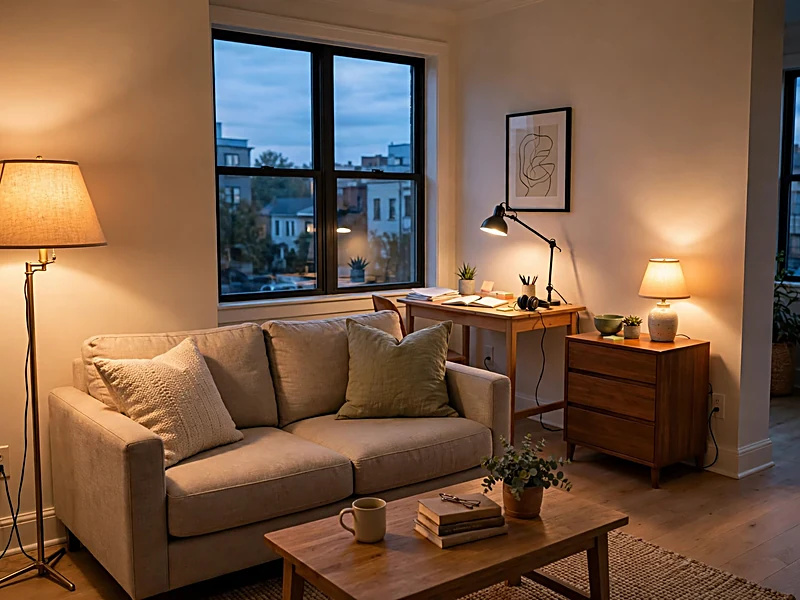
Use a floor lamp near the sofa, a bedside lamp, and task lighting at a desk.
Choose bulbs by lumens, color temperature, and fixture limits. LEDs often use less electricity than traditional incandescent bulbs.
The US Department of Energy’s lighting guidance explains efficient options.
Warm white bulbs around 2700K to 3000K often suit living areas. Follow each fixture’s mounting and electrical instructions.
25. Finish With Curtains, Photos, and Plants
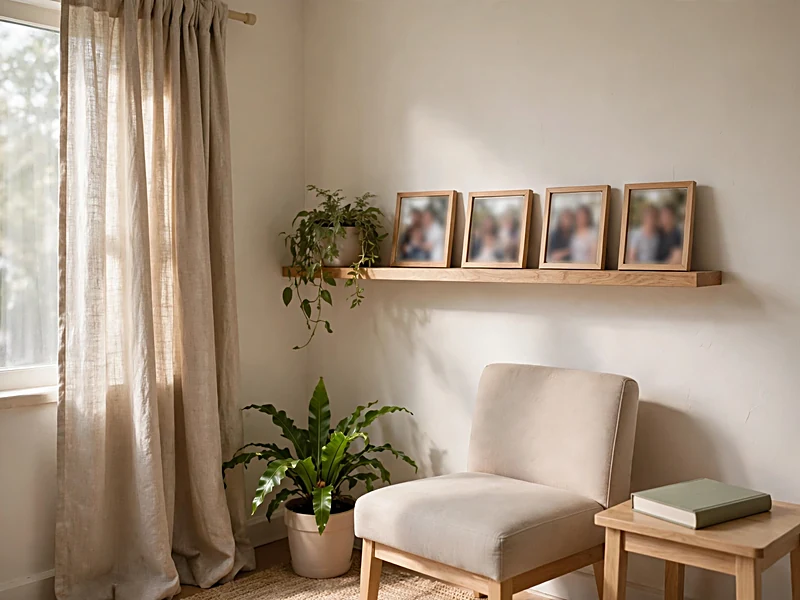
Curtains add privacy and soften bare windows. Keep fabric away from heaters and follow mounting rules.
Display personal photos in a frame group or on a shelf. Choose plants for the light your apartment actually receives.
Check plant safety if pets share your space. These details help a rental feel like yours. Leave room for objects you collect over time.
How to Plan an Apartment Layout That Works
Apartment interior design becomes easier when you begin with a measured floor plan. Record wall lengths, doors, windows, outlets, vents, and built-ins. Measure furniture you already own.
IKEA’s measuring checklist also recommends noting door swings and fixed features.
Measure Before Ordering Large Furniture
Check each product’s width, depth, and height. Measure hallways, stairwells, elevators, and apartment doors.
A sofa that fits the living room may still be difficult to bring inside. Mark furniture footprints with tape.
Then test how doors and drawers open. Check ceiling height for tall shelves and required anchoring clearance.
Leave Space for Walking and Daily Tasks
Aim for a clear main route through the room. About 30 to 36 inches may work as an initial planning range in many layouts. It is not a universal building code.
Different households need different amounts of space.
The 2010 ADA Standards require 36-inch clear widths for many covered accessible walking surfaces.
That rule does not automatically apply to every private apartment room. Follow any accessibility and safety requirements relevant to your home. Leave enough space to pull out chairs and open drawers.
Compare Studio and One-Bedroom Plans
A studio needs defined zones for sleep, seating, and meals. A one-bedroom allows a clearer separation between private and shared areas.
Open-plan rooms benefit from rugs and lighting that mark each activity.
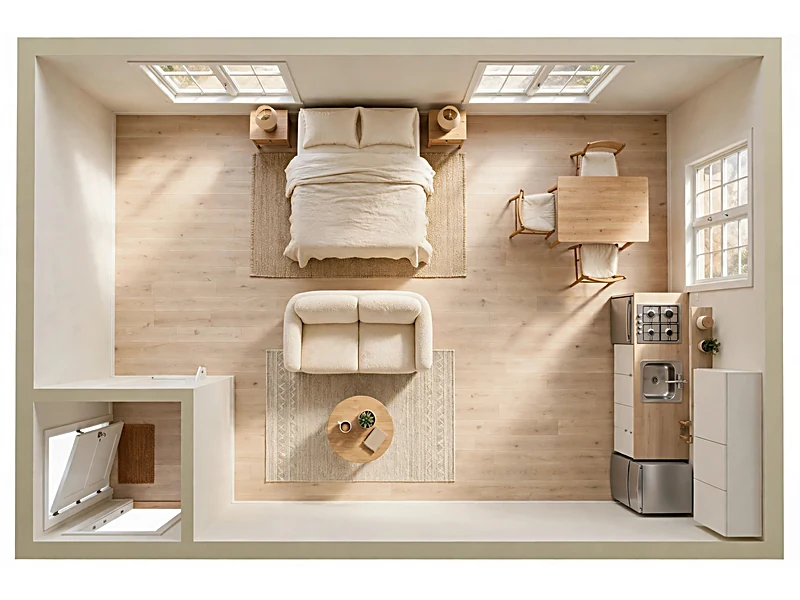
For a sample 15-by-20-foot studio, try a bed along one suitable wall. Place a compact loveseat across the living zone and a small table near the kitchen.
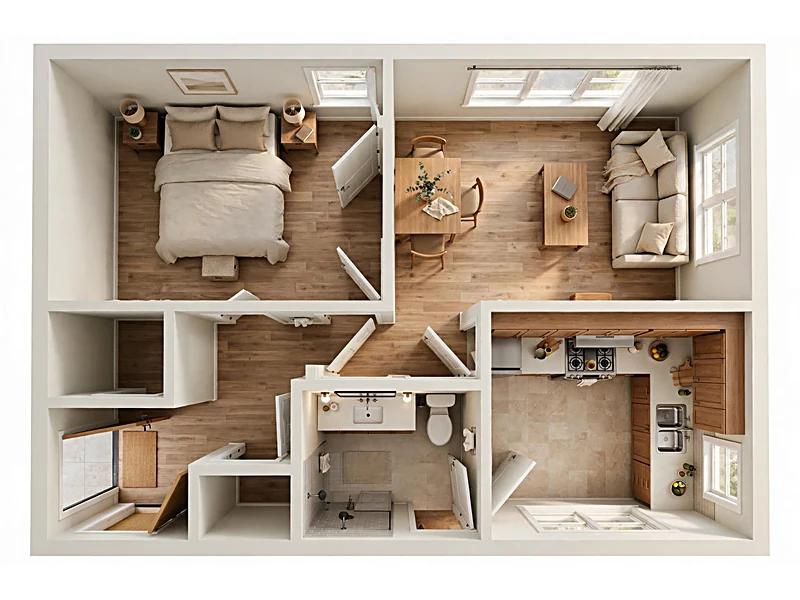
This example is hypothetical. Doors, windows, and walkways determine the final arrangement. Draw the furniture at scale before moving it.
Owners researching condo interior design should also start with measurements before considering permanent upgrades.
How Much Does It Cost to Decorate an Apartment?
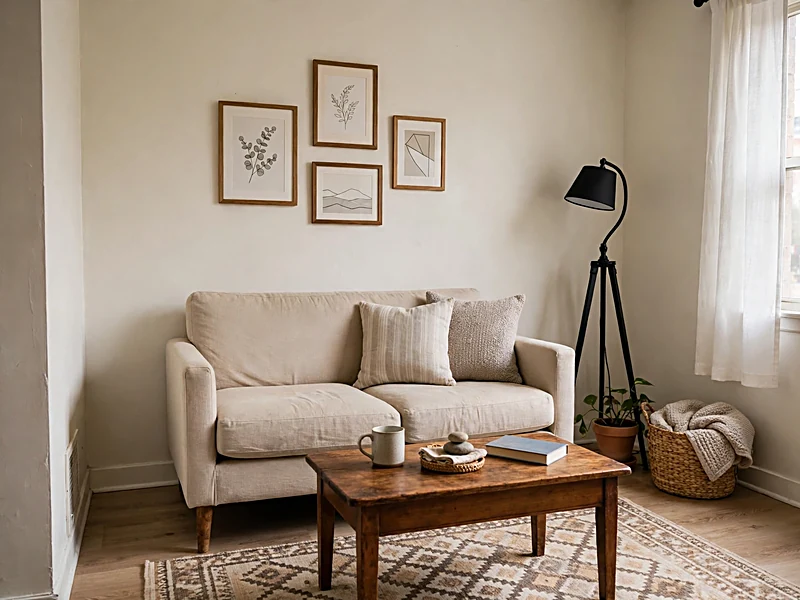
You can make visible changes without refurnishing every room. These examples are spending plans, not current retail quotes.
Delivery, tax, and local availability may change the final cost.
A $300 Budget for Small Updates
| Item | Sample budget |
| Small rug | $80 |
| Table lamp | $45 |
| Pillows and throw | $45 |
| Curtains | $50 |
| Art and frames | $40 |
| Storage baskets | $40 |
| Total | $300 |
This plan assumes you already have essential furniture. Start with the rug or lighting if either would solve a daily problem. Secondhand frames and lamps may help you stay within budget.
A $750 Budget for a Living Room Refresh
| Item | Sample budget |
| Secondhand loveseat | $300 |
| Rug | $120 |
| Coffee table | $75 |
| Floor lamp | $60 |
| Curtains | $65 |
| Pillows and throw | $50 |
| Art and accessories | $80 |
| Total | $750 |
Inspect used upholstered furniture for damage, odors, and pests. Ask about delivery before paying.
If your current sofa works, keep it and use that money elsewhere. A useful rug and better lighting may be a smarter purchase.
A $1,500 Budget for Key Furniture
| Item | Sample budget |
| Sofa or loveseat | $400 |
| Bed frame | $180 |
| Mattress | $300 |
| Dining set | $180 |
| Lighting | $100 |
| Storage furniture | $130 |
| Rugs and textiles | $130 |
| Basic decor | $80 |
| Total | $1,500 |
This covers selected basics, not a fully furnished apartment. Kitchen supplies, taxes, and delivery may increase spending.
Protect the mattress and everyday seating budget before buying extra decor. A suitable mattress may cost more than this sample allowance.
You can find affordable apartment design ideas by shopping secondhand and updating one room at a time.
Common Decorating Mistakes to Avoid
| Mistake | Better choice |
| Buying before measuring | Draw the room and mark furniture sizes. |
| Choosing a tiny rug | Match rug size to the seating group. |
| Using only ceiling lights | Add lamps for reading and daily tasks. |
| Filling every corner | Keep useful floor space open. |
| Buying more storage too soon | Sort belongings before choosing organizers. |
| Ignoring anchoring instructions | Secure furniture that could tip. |
| Copying a showroom | Adapt its ideas to your room and budget. |
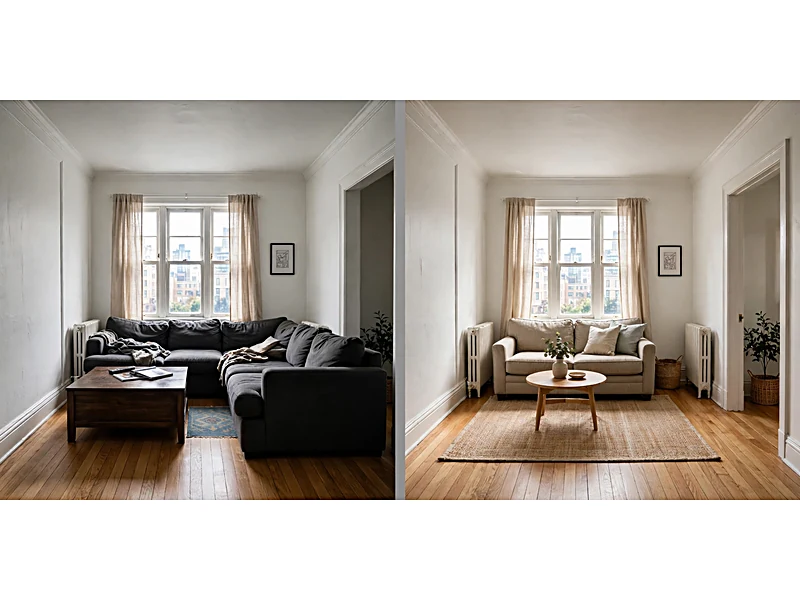
An attractive room should also work on a busy weekday. Test your layout by walking through your normal routine.
Open cabinets, sit on each chair, and check how you reach everyday storage.
Frequently Asked Questions
How Do You Start Designing an Apartment?
Measure each room and list the furniture you need. Choose the bed and main seating first. Plan lighting and storage next. Add colors and accessories once the layout works.
Can You Decorate an Apartment Without Hiring a Designer?
Yes. You can start with a floor plan, a spending limit, and photos of rooms you like. Reuse existing furniture where possible.
Ask a qualified professional when structural, electrical, or complex installation work is involved.
What Colors Make a Small Apartment Feel Bigger?
Light colors can help reflect available daylight. Warm white, cream, and pale gray are common choices.
Dark colors can also look attractive in small rooms. Test samples beside your floors and furniture before deciding.
Can You Mix Interior Design Styles?
Yes. Choose one main style and repeat a few colors or materials. A modern sofa can sit beside a vintage wood table.
Use accessories to connect them.
What Should You Decorate First in a New Apartment?
Set up a comfortable place to sleep. Make the kitchen usable, then arrange everyday seating and lighting.
Buy decorative pieces after those needs are covered.
Final Thoughts
Good apartment interior design respects your room size, routines, and budget. Start with measurements, choose useful furniture, and leave comfortable paths.
Add color and personal details gradually. If you rent, check the lease before making changes. The result should feel like your home, not someone else’s showroom.

About Author
Hello there. I am Lathen Reed, a home improvement and interior design enthusiast. With a passion for creating beautiful, practical, and comfortable spaces, I share helpful ideas and inspiration related to home improvement, home decor, interior design, and home styling. Through HomeFixStyle, my goal is to make home improvement simple, inspiring, and accessible for everyone.