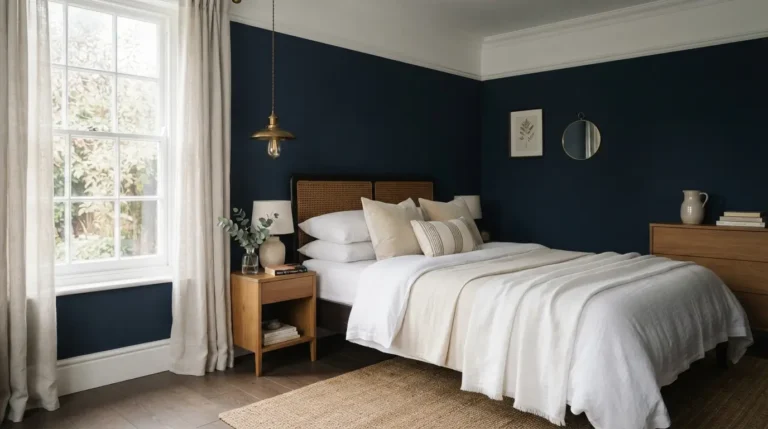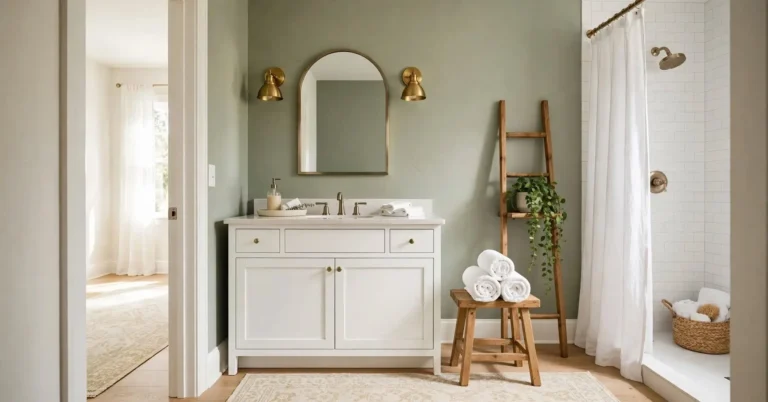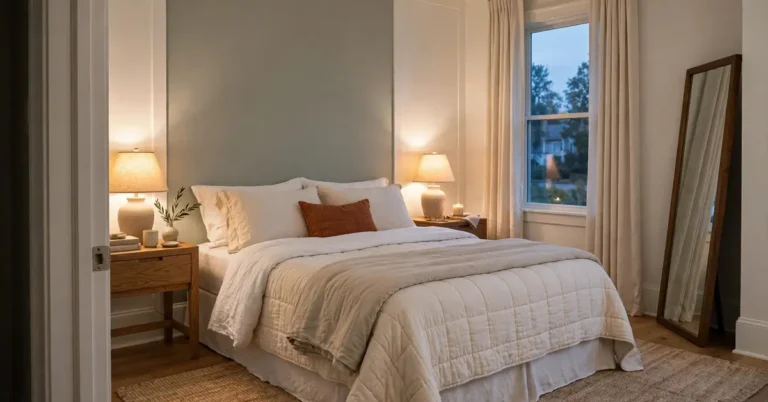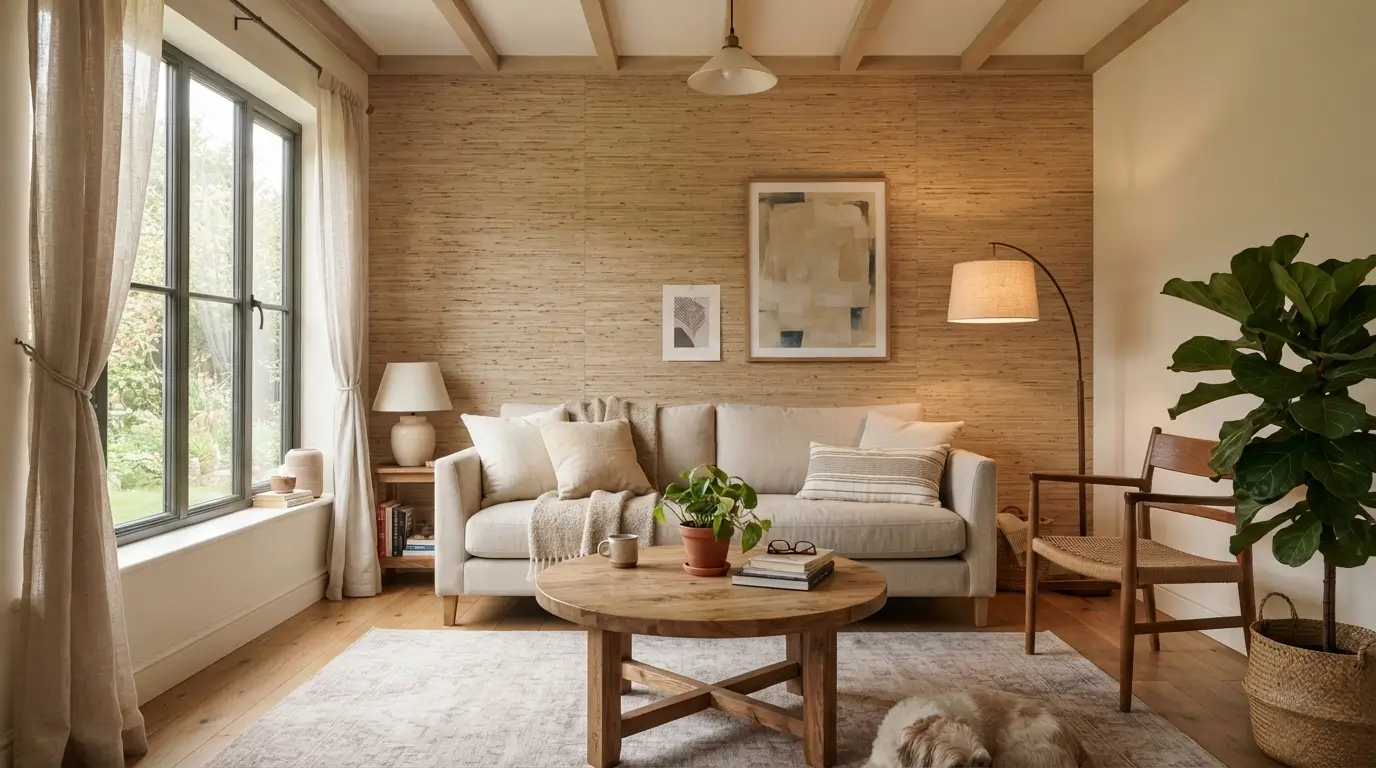
Grasscloth wallpaper brings warmth and texture that paint can never match. It is a natural wall covering woven from plant fibers like jute, sisal, and hemp, not printed like standard wallpaper. Homeowners choose grasscloth for its organic look, calm texture, and timeless style. It works well in living rooms, bedrooms, and dining rooms, though it needs care in damp spaces. This guide covers what it is, the types available, and where to use it. You will also learn how to install and care for it.
What Is Grasscloth Wallpaper?
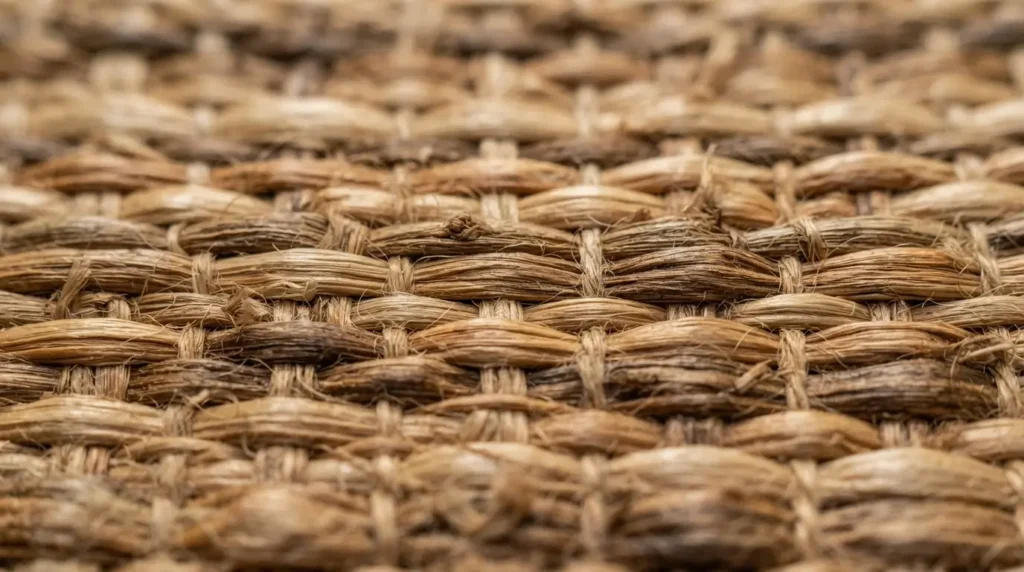
Grass cloth is a natural wall covering made from woven plant fibers. Unlike printed wallpaper, every strand is real. The fibers come from grasses, reeds, and other plants. They get hand woven onto a paper or fabric backing.
This wall covering has a long history. People have used grass cloth for more than 2,000 years. It started in Asia, where artisans wove local grasses into mats for walls and floors. Traders carried the technique into Europe, and it later reached American homes.
Because each roll is handmade, no two are exactly alike. Fibers absorb dye differently depending on the season they were harvested. This creates small color shifts from roll to roll. Designers see this as a feature, not a flaw.
You may also hear this product called grass cloth, grasscloth wall paper, or grass cloth wall covering. All these terms point to the same natural material. There is also a faux version made from vinyl that looks similar but performs differently.
Why Designers Choose Grasscloth
Interior designers reach for this material again and again. It adds texture without shouting for attention. A patterned wallpaper can overwhelm a room. Grasscloth softens a space instead.
The material brings real warmth to a wall. Run your hand across it and you feel the weave. This tactile quality is hard to fake with paint or vinyl.
Grasscloth also has practical benefits. The woven surface has a mild thermal quality, so rooms can feel cozier. It also has natural sound dampening properties. Thick woven fibers absorb small amounts of noise.
Trends in wall coverings come and go. Bold florals often fall out of style within a few years. Grasscloth stays relevant because it mimics something found in nature.
Types of Grasscloth Wallpaper
Grasscloth is not one single material. It comes from several different plants, and each fiber creates a distinct texture.
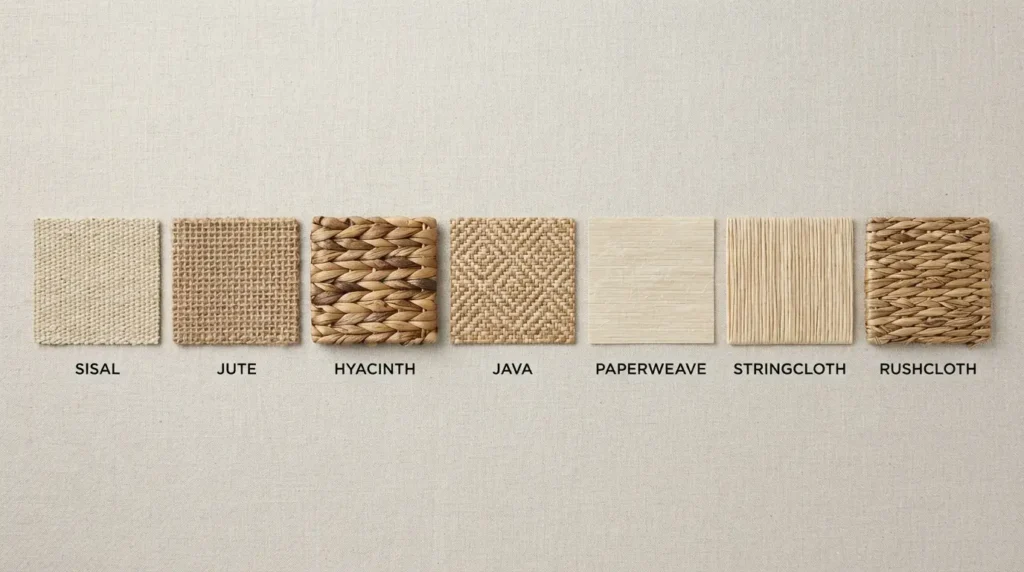
Sisal comes from the agave plant. It has a fine, even texture and takes dye well, so it comes in more colors than most other types.
Jute fibers come from a plant grown mainly in South Asia. Jute has a coarser, rustic texture. It often appears in warm tones like tan and chestnut.
Hyacinth is harvested from ponds and waterways. It has a looser, textured weave with a relaxed, coastal feel.
Java fiber offers a smooth, tight weave with a subtle sheen, suited to modern spaces.
Paperweave is made by twisting paper strips into cord, then weaving that cord. It has a softer, more uniform texture and comes in bold colors.
Stringcloth uses cotton or rayon threads woven in a grasscloth style, giving more even color than plant fibers.
Rushcloth is woven from dried rush grass, giving walls a thick, sculptural look.
A few other fibers round out the family: abaca, arrowroot, raffia, and hemp. Each brings its own subtle texture and character to a room.
Grasscloth vs. Other Natural Wallcoverings
Grasscloth wallpaper is part of a larger family of natural wall coverings. Mica wallpaper uses tiny mineral flakes for a soft shimmer rather than a woven texture. Cork wallpaper comes from tree bark and has a softer, spongier feel with better sound insulation.
The most useful comparison is real grasscloth versus faux vinyl grasscloth.
| Feature | Real Grasscloth | Faux (Vinyl) Version |
| Material | Natural plant fiber | Printed vinyl |
| Durability | Delicate, tears easily | Strong, resists tearing |
| Moisture resistance | Poor | Good |
| Cost | Higher | Lower |
| Best for | Low traffic rooms | High traffic rooms, bathrooms |
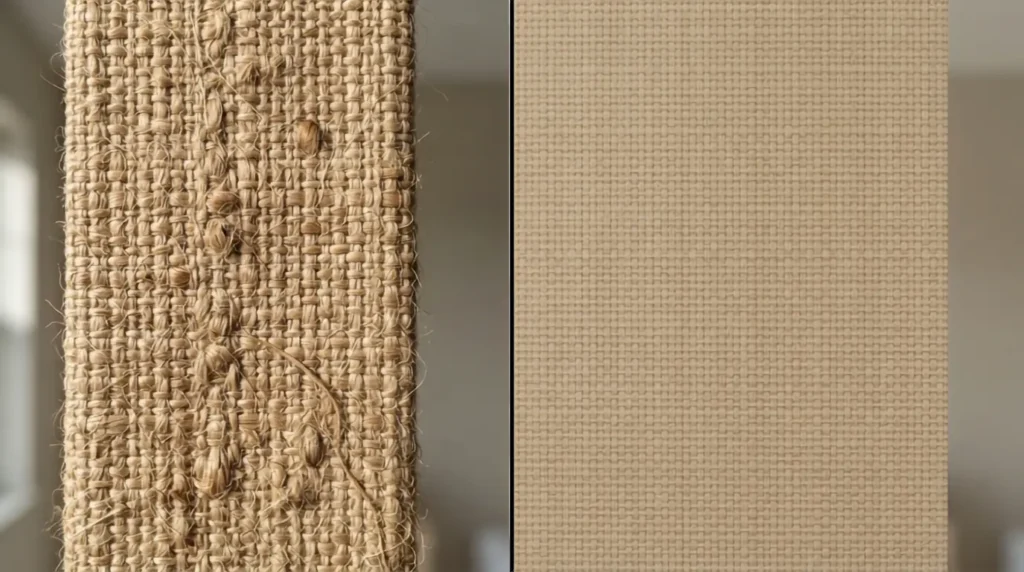
Choose real fiber for authentic texture. Choose the faux version for durability and easier upkeep.
What Does Grasscloth Look and Feel Like?
Real grass cloth has a raw, organic surface with visible woven strands. Some rolls run horizontally, others vertically. Horizontal weaves are more common and tend to make a room feel wider.
Printed grasscloth wallcovering uses a photo image of woven texture on vinyl. It looks similar from a distance but feels smooth, not textured.
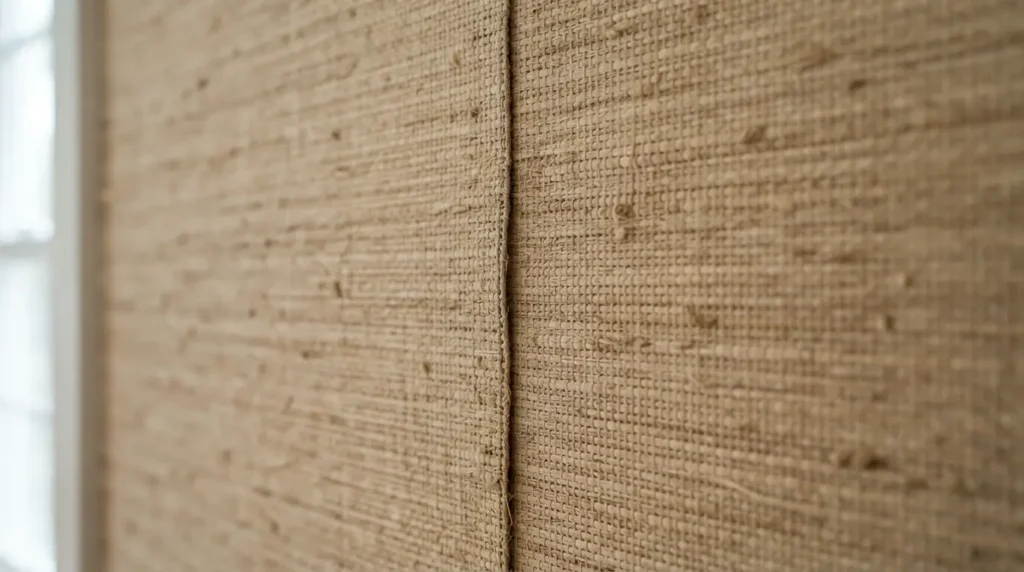
Visible seams are normal with real grass cloth. Because each strip is handwoven, edges do not always align perfectly. Designers treat this as natural charm, similar to grain lines in wood.
Is Grasscloth Wallpaper Sustainable and Non-Toxic?
This natural wall covering is one of the more eco-friendly choices available. The fibers come from fast growing, renewable plants rather than petroleum based materials.
Most natural grasscloth is also low in volatile organic compounds, known as VOCs. Many paints and vinyl coverings release VOCs into indoor air over time. Low VOC materials are often recommended for people with allergies or chemical sensitivities. Because it comes from plant matter, this wallcovering is also biodegradable, unlike vinyl products that persist in landfills for decades.
What Does Grasscloth Smell Like?
New grass cloth often carries a faint, earthy scent similar to dried grass. This comes directly from the natural fibers. The smell is strongest right after installation and fades within a few weeks.
Where to Use Grasscloth Wallpaper
Grasscloth works best in rooms with normal humidity and moderate foot traffic. Living rooms, bedrooms, entryways, and home offices are strong choices. Its natural texture also fits well into boho living room styling, where woven and organic materials are a core part of the look.
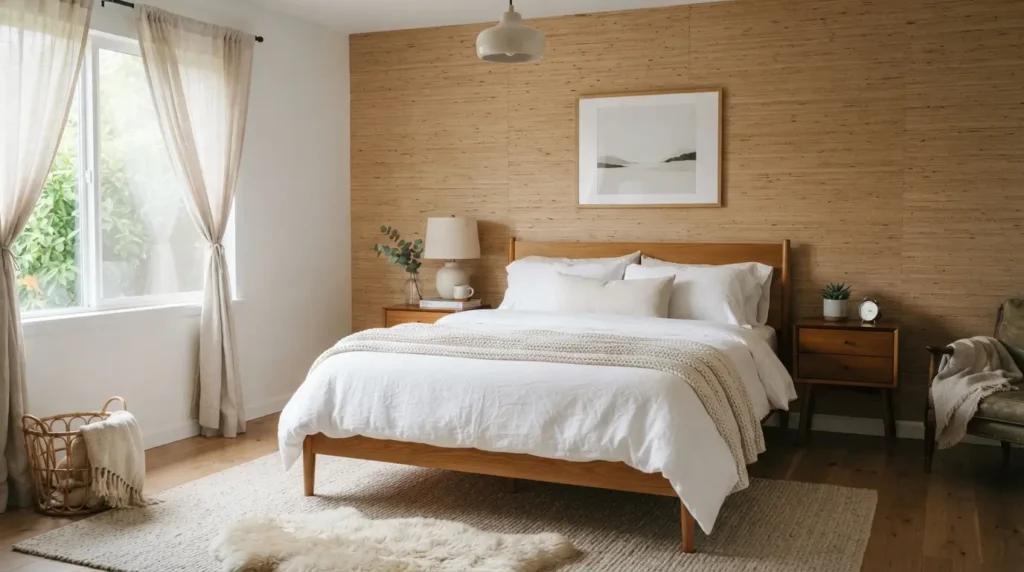
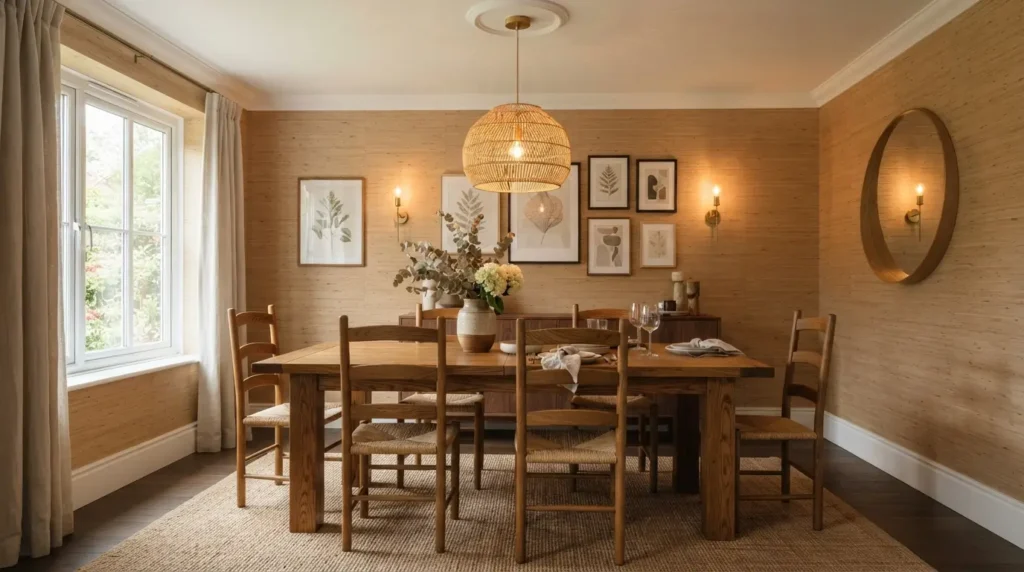
For a dining room, grasscloth is an excellent pick. Dining rooms see lower daily wear than hallways, and the texture pairs beautifully with wood furniture.
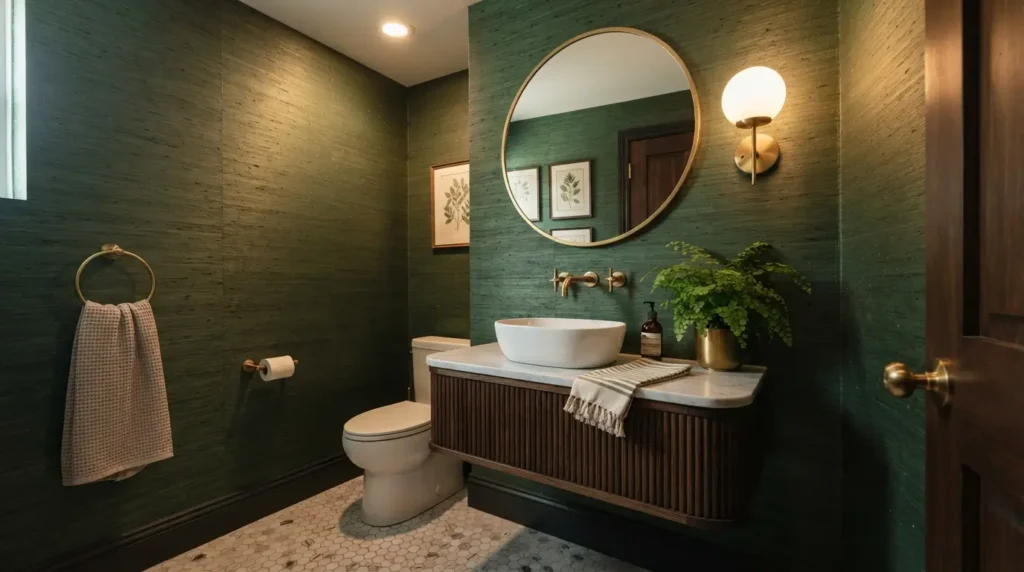
Bathrooms need a careful answer. Real grasscloth does not handle moisture well. Steam can cause fibers to warp or stain. A small powder room with good ventilation can work, and if you want more powder room wallpaper ideas beyond grasscloth, we cover several styles that hold up well in low-moisture spaces. A full bathroom with a shower is a poor match. Faux vinyl grasscloth is the safer choice for wet rooms.
Is Grasscloth Wallpaper Durable?
Durability depends on which type you choose. Real grass cloth is more delicate than standard wallpaper. It can snag, tear, or fray if scratched repeatedly.
In homes with active pets or young kids, this material needs some thought. Cats that scratch walls or toddlers who touch everything can wear down the fibers. Is grasscloth hard to maintain? Not if you treat it gently. It cannot be scrubbed like painted drywall.
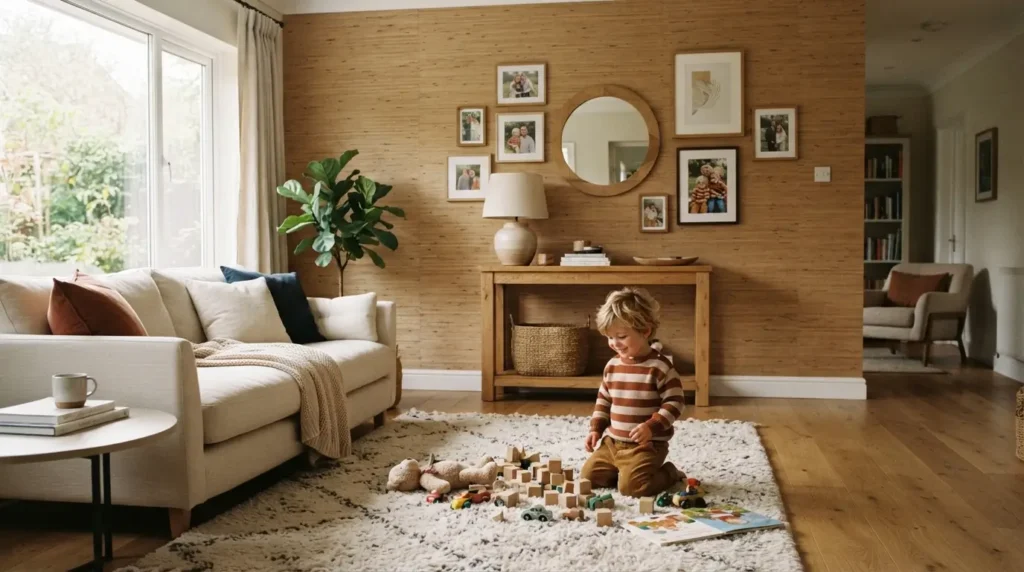
For high traffic hallways or homes with active pets, the faux vinyl version is the more practical choice.
How Is Grasscloth Wallpaper Installed?
Installation uses one of two methods. In the paste the wall method, adhesive goes directly on the wall. In the paste the product method, adhesive goes on the back of the panel first.
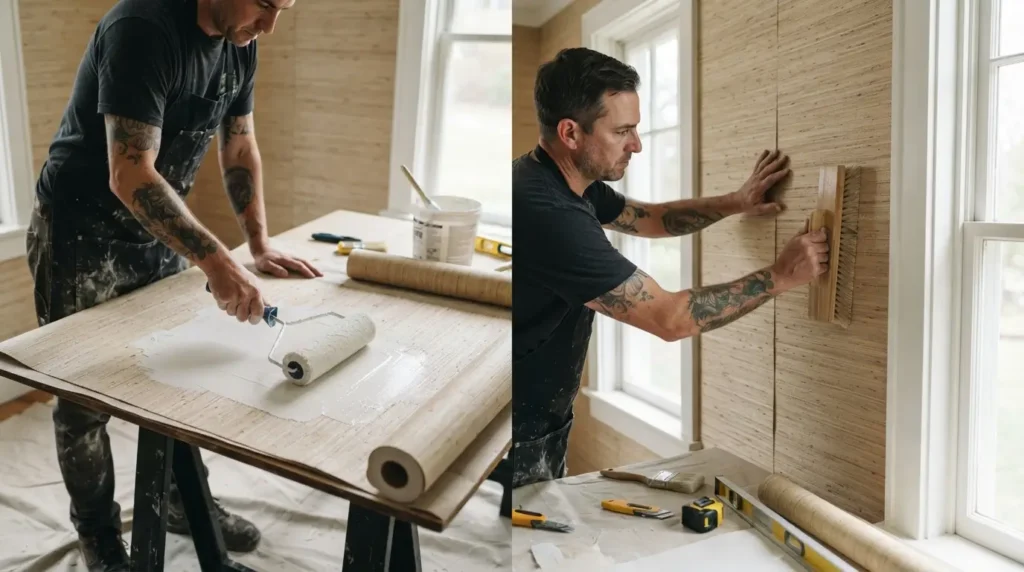
Vinyl grasscloth installation tends to be more forgiving. The material is stronger and holds its shape better. Real grass cloth is thinner and can tear if handled roughly.
Most professionals recommend hiring an experienced installer for real fiber grasscloth. A skilled hanger knows how to match seams and avoid overworking the adhesive.
How to Care for Grasscloth
Use a soft brush attachment on a vacuum to remove dust every few weeks. Never use a wet sponge or cleaning spray on real fiber. Water can cause natural dyes to run.
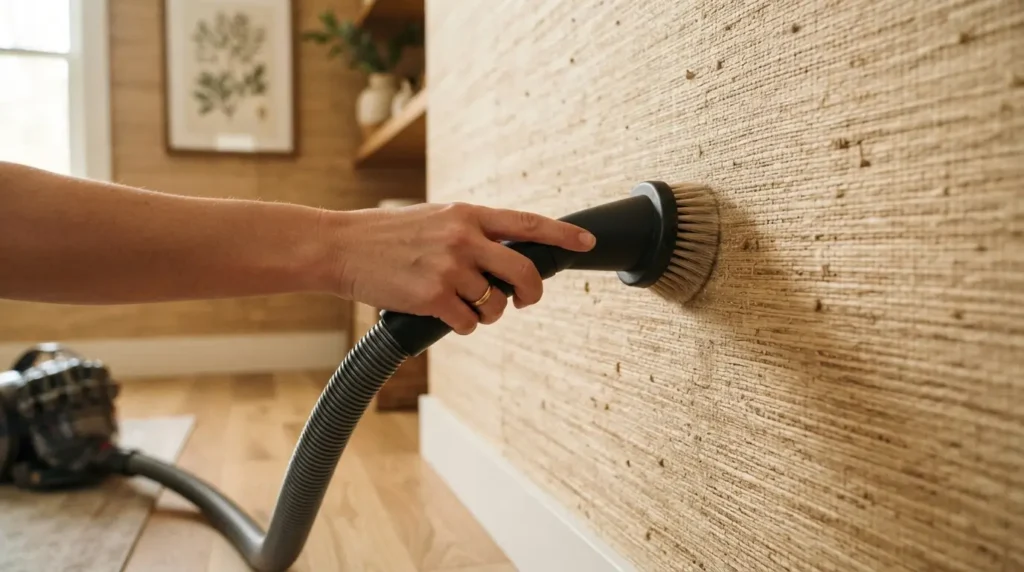
Is grasscloth washable? No, real grass cloth is not washable. Faux vinyl grasscloth can usually be wiped with a barely damp cloth. Keep natural fiber wall coverings out of direct, prolonged sunlight, since colors can fade over time.
Is Grasscloth Wallpaper Worth It?
Grasscloth brings real texture, sustainability, and a timeless look that printed wallpaper cannot match. It also carries tradeoffs.
Pros: authentic texture, low VOC, timeless style, mild sound dampening.
Disadvantages of grasscloth: delicate fibers, poor performance in humid rooms, visible seams, higher cost.
Is grasscloth wallpaper more expensive? Yes, it usually costs more than paint or standard wallpaper. Hand weaving takes real time and skilled labor, which raises the price.
Is Grasscloth Wallpaper Outdated in 2026?
Does anyone still use grasscloth as wallpaper? Yes, and demand has grown steadily. It is not outdated. It has moved from a niche choice into a mainstream favorite.
Is grass cloth wallpaper in style in 2026? Current trends favor natural materials and tactile surfaces over busy prints. Bold floral wallpaper can feel dated within a few years. Grasscloth reads as timeless because it mirrors materials found in nature. Textured wall coverings with earthy tones remain some of the most requested styles among designers this year.
How to Choose the Right Grasscloth Wallpaper
Start with the room’s natural light. Bright rooms handle darker tones well. Dim rooms look better with lighter, warmer shades.
Match tone to your furniture. Warm wood pairs with tan or wheat fibers. Cooler furniture pairs with charcoal or gray weaves.Cooler furniture pairs with charcoal or gray weaves, the kind of palette you will also see in these light blue bedroom ideas.
Consider daily traffic. Low traffic rooms can handle delicate real fiber. Busy areas do better with a durable faux version.
Quick style guide:
- Coastal: light hyacinth or paperweave
- Warm neutral: jute or sisal in tan or taupe, similar to the tones in these warm tan bedroom ideas
- Moody: rushcloth or sisal in charcoal or navy, the same deep tones used in these black bedroom ideas
- Modern glam: paperweave with metallic accents

Which type of wallpaper is best? It depends on your room’s light, traffic, and style. Order a sample before committing to a full wall.
Frequently Asked Questions
Is Grasscloth Wallpaper Expensive?
Yes, compared to paint or standard wallpaper, it costs more due to handmade production.
Can grasscloth be removed?
Yes, though removal takes more effort than standard wallpaper. A professional can remove it cleanly.
Is grasscloth good for renters?
It can work for renters staying several years, though removal should be planned carefully.
Does grasscloth fade?
Yes, direct sunlight can fade natural dyes over many years.
Can you paint over grasscloth?
It is not recommended. The textured surface holds paint unevenly.
What are the three types of wallpaper?
Traditional pasted wallpaper, peel and stick wallpaper, and natural coverings like grass cloth.
What is the most expensive wallpaper brand?
High end designer brands and hand loomed natural coverings sit at the top of the price range.
Final Thoughts
Grasscloth wallpaper remains one of the most authentic ways to bring natural texture into a home. It rewards a little extra care with a look that never feels dated. Choose real fiber for raw beauty or the faux version for durability. Either way, this natural wall covering offers a timeless upgrade few materials can match.

About Author
Hello there. I am Lathen Reed, a home improvement and interior design enthusiast. With a passion for creating beautiful, practical, and comfortable spaces, I share helpful ideas and inspiration related to home improvement, home decor, interior design, and home styling. Through HomeFixStyle, my goal is to make home improvement simple, inspiring, and accessible for everyone.