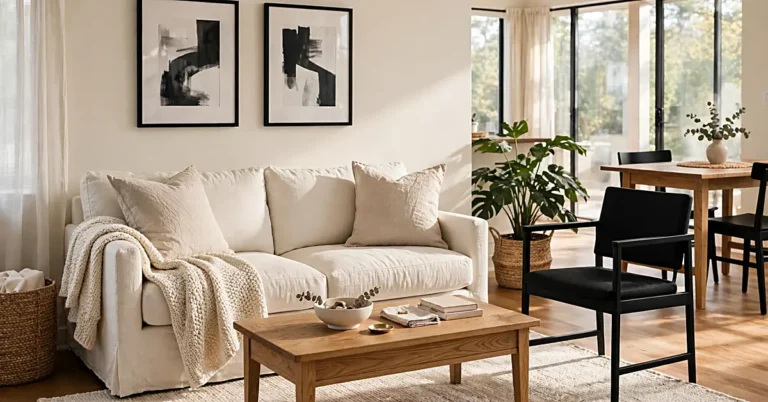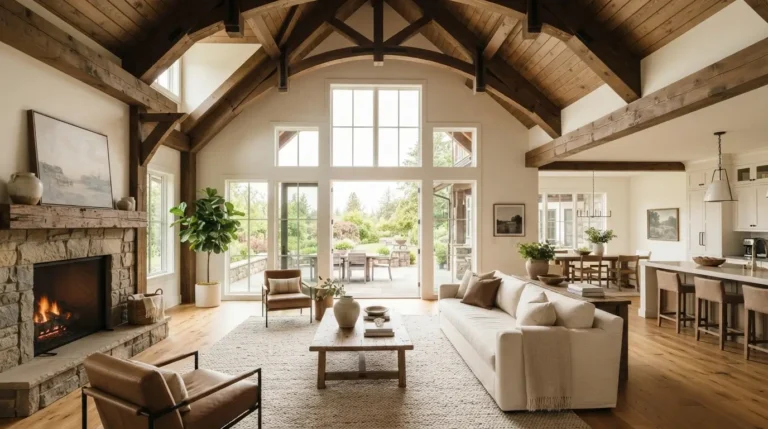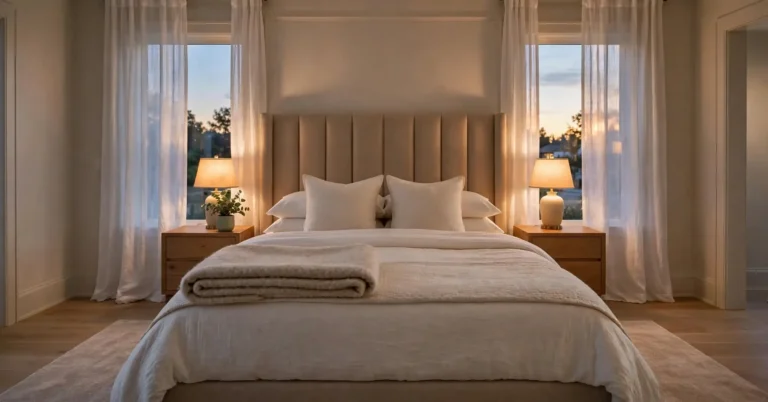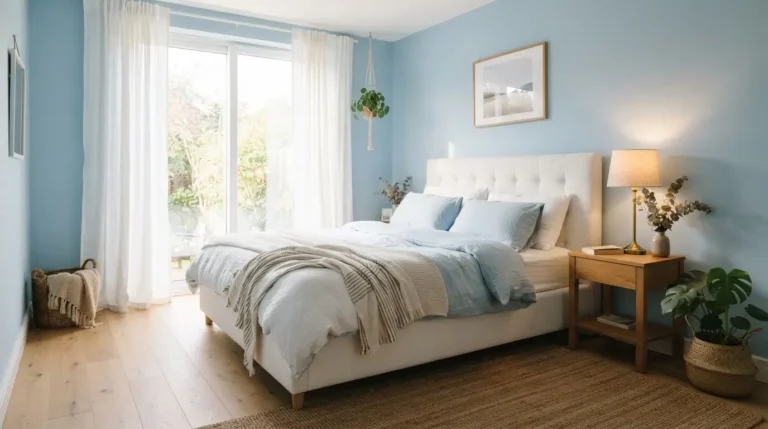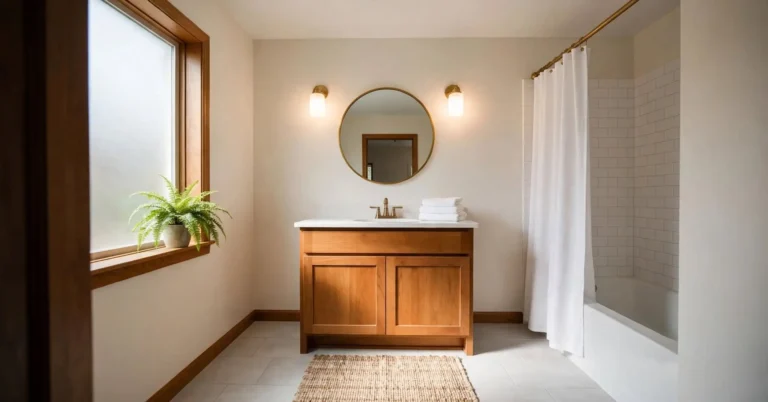

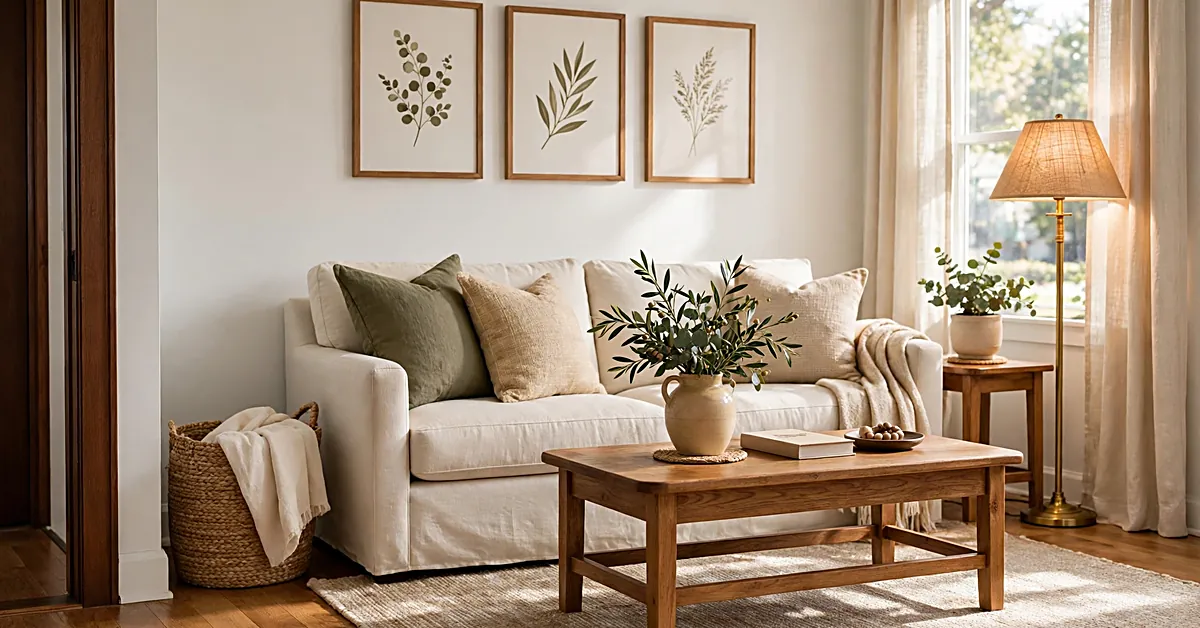
The best home decor ideas make your rooms more comfortable, attractive, and useful without requiring a major renovation. Start with a color palette, thoughtful furniture placement, and lighting that suits your daily routine. Rugs, curtains, artwork, and personal belongings can then bring each room together.
You don’t need expensive furniture or a large house to make a difference. A small apartment can feel welcoming with smart storage and a few well-chosen pieces.
These 35 decorating ideas cover living rooms, bedrooms, kitchens, small spaces, and rentals. You’ll find affordable updates, DIY projects, and practical tips for choosing colors, furniture, and accessories.
Start with the room you use most. Make a few changes, see how they work, and build from there.
Start With These Simple Home Decor Ideas
Before buying anything new, look at what your rooms already have. A better arrangement or a small change in color can make a surprising difference.
1. Choose a Color Palette That Connects Your Rooms

Start with a color you already love. It might come from your sofa, favorite rug, or a piece of artwork. Choose one main color and one or two supporting shades. Repeat them through pillows, curtains, furniture, or decorative accessories.
For example, cream walls, warm wood furniture, and olive green accents work well together. You could use olive green pillows in the living room and a similar throw in the bedroom. Your rooms don’t need identical colors. Small connections can make the whole house feel more consistent.
Before painting, test samples on different walls. Check them during the day and under your evening lights. Sherwin-Williams recommends testing paint colors in different lighting conditions because light affects how colors appear.
2. Rearrange Your Furniture Before Buying Anything New

Moving furniture costs nothing and can improve how a room functions. Start by checking the walking paths. Make sure people can move between furniture without squeezing through narrow spaces.
In a living room, arrange seating around a natural focal point. This could be a fireplace, window, or television. Your sofa doesn’t always need to sit against a wall. If there’s enough space, moving it forward can create a more defined seating area.
Try different layouts before settling on one. Take a photo from the doorway. It’s an easy way to notice crowded corners and furniture that feels out of place.
3. Use Layered Lighting for Everyday Activities
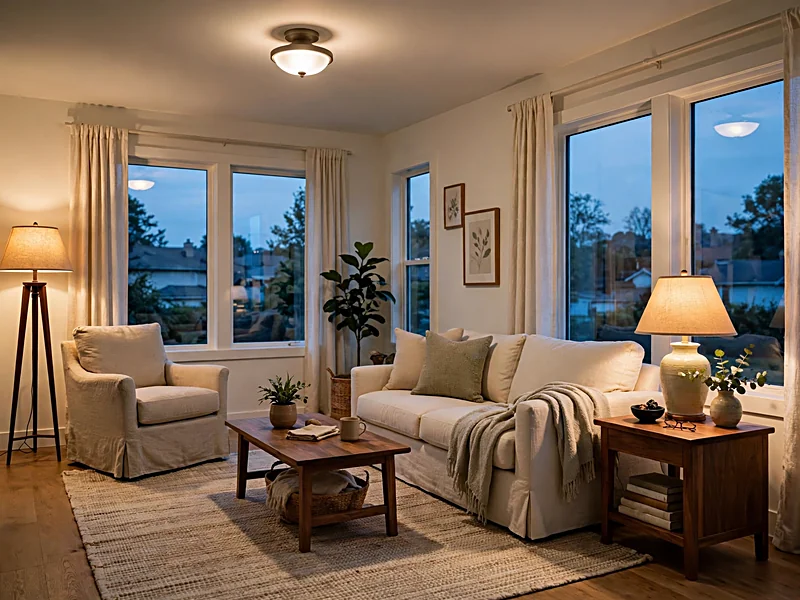
One ceiling light rarely provides everything a room needs. Use different light sources based on what happens in the space. A floor lamp works beside a reading chair, while table lamps offer softer evening light.
In the kitchen, under-cabinet lighting can help illuminate work surfaces. Choose bulbs that provide enough light without causing uncomfortable glare. You can also place a small lamp on a console table to brighten a dark corner.
Try this: Turn off your overhead light at night and notice which areas become difficult to use. Those spots may benefit from another lamp.
4. Add Texture With Rugs, Curtains, and Pillows
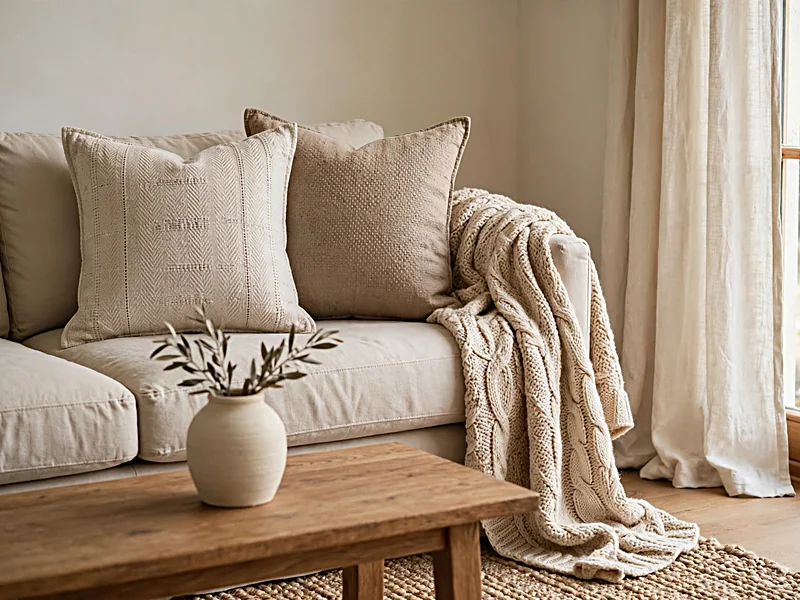
Rooms can feel plain when every surface looks similar. Combine different materials to give the space more character. A cotton sofa, woven rug, linen curtains, and knitted blanket offer several textures without requiring bright colors.
Choose fabrics that suit your daily routine. Washable pillow covers and low-maintenance rugs may work better in homes with children or pets.
Avoid adding too many different patterns and materials at once. Start with two or three textures and see how they look together. You can often make an existing room feel more comfortable without replacing the furniture.
5. Give Each Room One Clear Focal Point

Choose one feature that naturally draws attention. It might be a fireplace, large painting, attractive window, or interesting furniture piece. Arrange nearby furniture and accessories to support that feature.
For example, a living room fireplace can become the center of the seating arrangement. Keep the surrounding decorations simple so they don’t compete for attention. If your fireplace looks unfinished, thoughtful mantel decor can help connect the artwork, accessories, and fireplace.
Without a fireplace, a large framed print above the sofa can serve the same purpose. Avoid filling every wall with bold decorations. Giving your eyes somewhere to rest makes the main feature easier to notice.
Living Room Decorating Ideas for a Comfortable Space
Your living room should support everyday activities and provide comfortable seating for family and guests. Begin with the layout, then choose decorations that work with it.
6. Choose an Area Rug That Fits Your Seating Arrangement
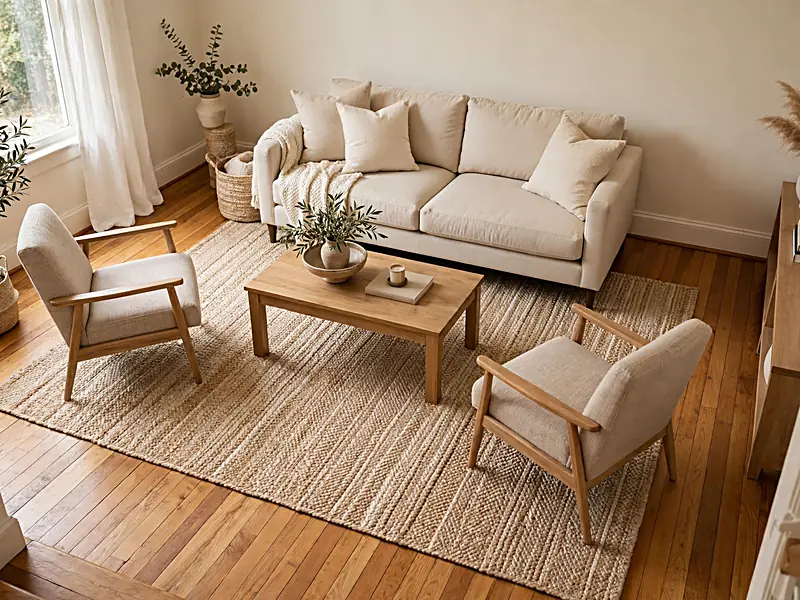
An area rug helps define the seating space. For many living rooms, the rug looks more connected when the sofa’s front legs rest on it. Nearby chairs can also sit partly on the rug.
Before shopping, measure your furniture arrangement rather than guessing from the room’s total size. For example, a compact seating area might suit an 8-by-10-foot rug. Larger arrangements may need a 9-by-12-foot option.
These are starting points, not fixed rules. The right size depends on your furniture and available floor space. Use painter’s tape to mark the proposed rug edges. Walk around the arrangement to see whether it feels balanced.
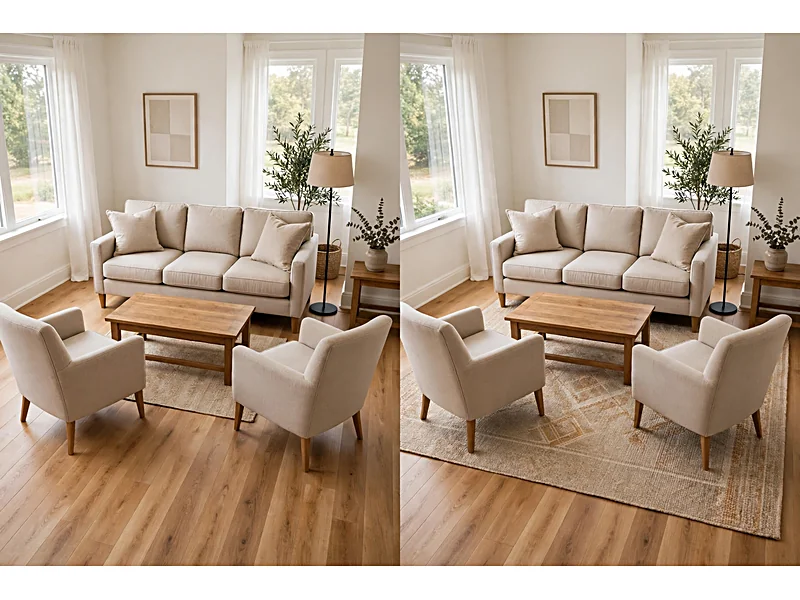
Choose a material that’s comfortable and suitable for your cleaning routine.
7. Style Your Coffee Table Without Crowding It
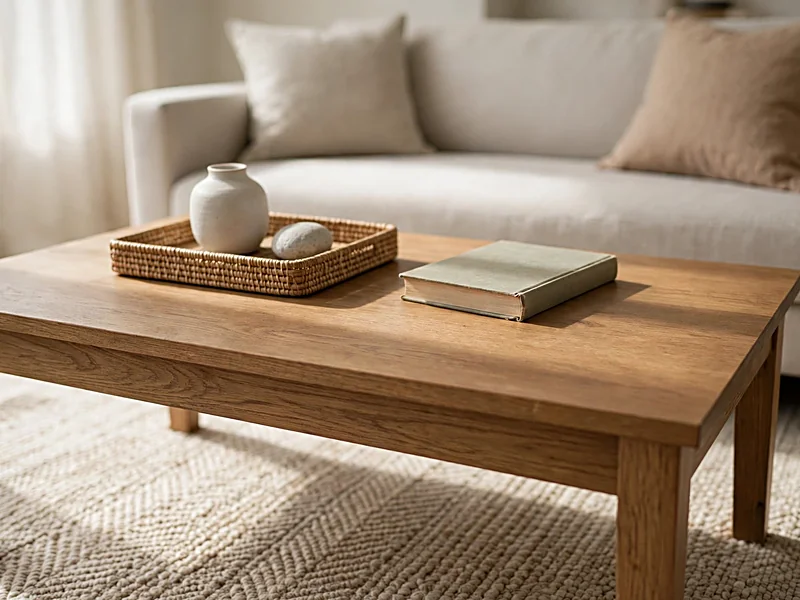
A coffee table should look attractive while remaining useful. Start with a tray to keep smaller objects together. Add a book, low vase, or decorative piece you enjoy.
Mix different shapes and heights without creating a tall display. A round tray can soften a rectangular table, while a wooden tray adds warmth to glass or metal furniture.
Leave enough space for drinks, snacks, and remote controls. If you have young children, avoid sharp or easily broken decorations.
Try this: Remove everything from your coffee table and return only the pieces you use or genuinely like.
8. Make Your Bookshelves Part of the Room’s Decor
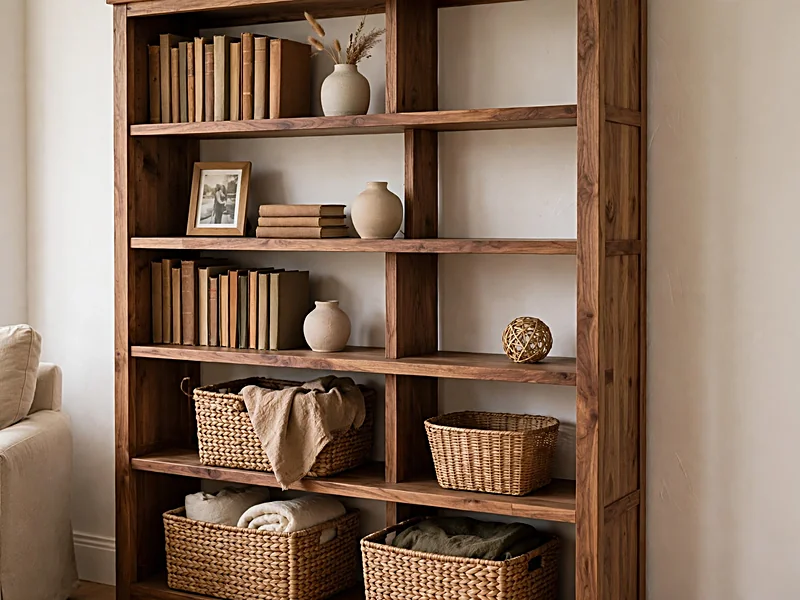
Bookshelves can display books, family photographs, ceramics, and other meaningful objects. Keep frequently used books within reach. Add baskets or boxes for items that don’t need to stay visible.
You can arrange books vertically in one section and stack a few horizontally in another. Leave some open space between decorative objects. Shelves don’t need to be completely full.
Place heavier items on lower shelves and secure tall furniture to the wall. The U.S. Consumer Product Safety Commission recommends anchoring furniture with shelves, drawers, or doors to reduce tipover risks.
9. Mix Furniture Materials for a More Personal Look

Your furniture doesn’t need to come from the same collection. Try combining a wooden coffee table with a fabric sofa and a metal floor lamp. Different materials make a room more interesting when they share a few common details.
For example, you might repeat black metal through a lamp, picture frames, and table legs. Natural wood, woven baskets, and textured fabrics also work well together.
If you enjoy relaxed interiors, boho living room ideas can help you combine furniture, patterns, and natural materials without overcrowding the space. Choose pieces that fit your room and serve a purpose. Matching every finish matters less than comfort and proportion.
10. Add Greenery Where Your Room Needs Color
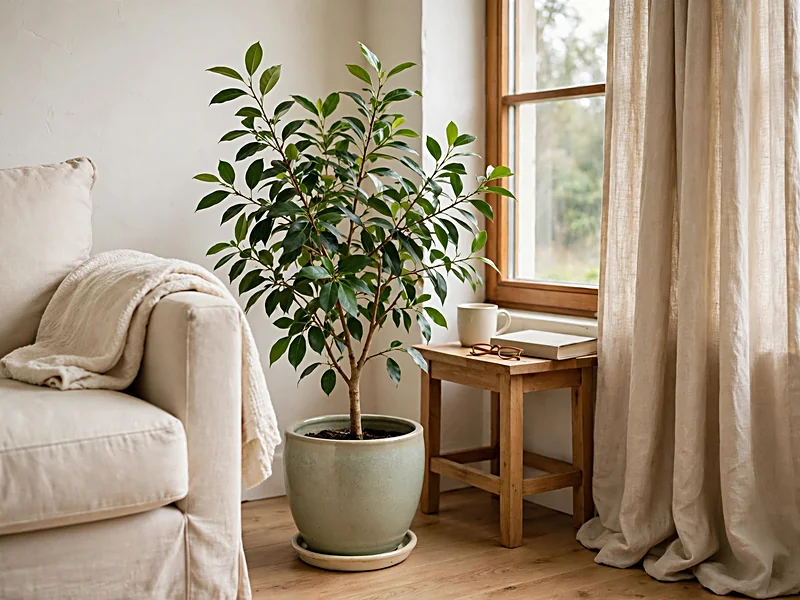
Plants can brighten an empty corner and introduce natural shapes. Choose plants that suit the light in your home.
Some need bright indirect sunlight, while others tolerate lower light levels. Check care instructions before buying. A tall plant may work beside a window. Smaller plants can sit on shelves or side tables.
Use pots with drainage and protect furniture from water. If you have pets, confirm whether your chosen plants are safe for them.
Houseplants shouldn’t replace proper ventilation. The Environmental Protection Agency recommends controlling pollution sources and improving ventilation to support indoor air quality.
Bedroom Decorating Ideas for a Relaxing Retreat
Your bedroom should feel comfortable and support restful routines. Focus on bedding, lighting, and window treatments before adding extra accessories.
11. Layer Bedding to Add Warmth and Texture
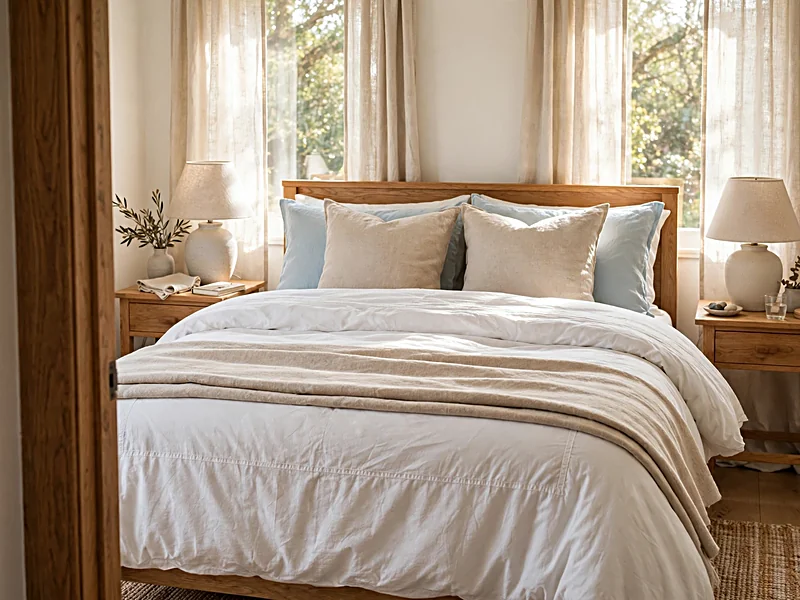
Your bed usually occupies the largest visible area in the bedroom. Start with comfortable sheets and a duvet or comforter that suits the season. Add a blanket across the foot of the bed for extra warmth and texture.
Choose pillows that repeat colors already present in the room. For example, white bedding can work with a beige throw and soft blue pillows. You don’t need a large collection of decorative cushions. A simple arrangement is easier to maintain.
If you prefer a bright, calm bedroom, white bedroom ideas can help you combine light bedding, warm wood, and different textures.
12. Make the Wall Behind Your Bed a Focal Point
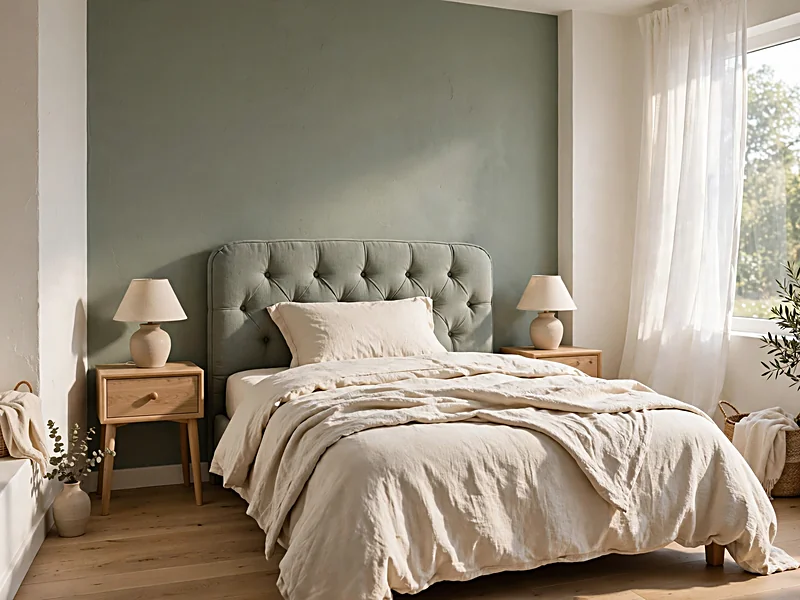
A headboard can give your bed a more finished appearance. An upholstered headboard adds softness, while a wooden design introduces natural texture.
If you already have a headboard, try changing the wall color behind it. A soft green, blue, or warm neutral shade can help define the sleeping area. Choose a color that works with your bedding and furniture.
You can also hang artwork nearby, but secure it with suitable hardware. Avoid placing heavy or poorly secured objects directly above sleeping areas.
13. Use Bedside Lighting That Fits Your Routine

Choose bedside lighting based on how you use your bedroom. If you read before sleeping, place a lamp where it lights your book without shining into your eyes.
Table lamps suit bedrooms with enough nightstand space. Wall-mounted sconces can save room on smaller bedside tables.
Matching lamps provide a balanced appearance, but they aren’t necessary. Two different lamps can work if they share similar materials or colors. Check whether you can reach the light switch comfortably from bed.
14. Choose Curtains for Privacy and Light Control
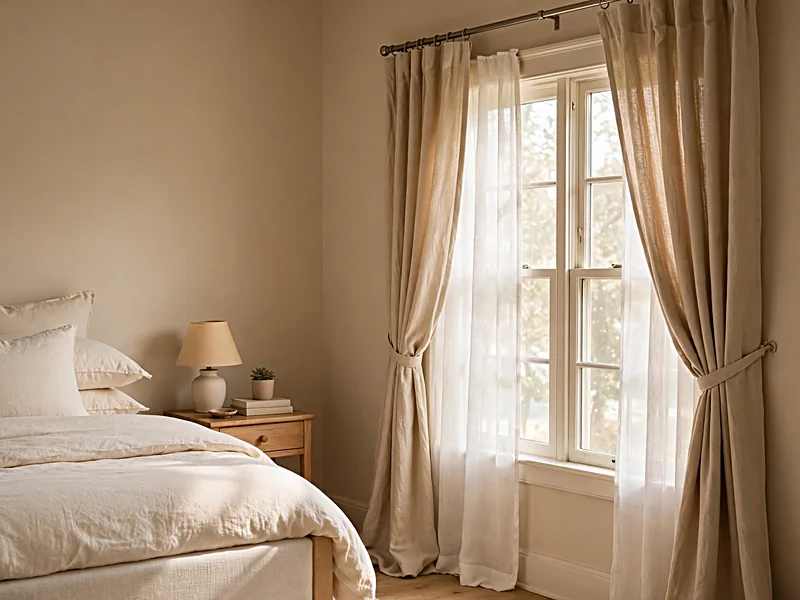
Curtains affect the look and function of your bedroom. Sheer curtains soften sunlight, while blackout panels help reduce incoming light.
Measure the width and height of your windows before purchasing panels. Mounting a curtain rod somewhat above the window frame can make the window appear taller. Choose enough fabric to cover the window comfortably when closed.
Keep curtains away from heaters and other potential hazards. For smaller bedrooms, curtains close to the wall color can create a calm appearance.
Kitchen and Dining Room Decor That Works Every Day
Kitchens and dining areas need practical decorating choices. Attractive accessories should make these spaces more pleasant without interfering with cooking or eating.
15. Use Open Shelves for Everyday Items
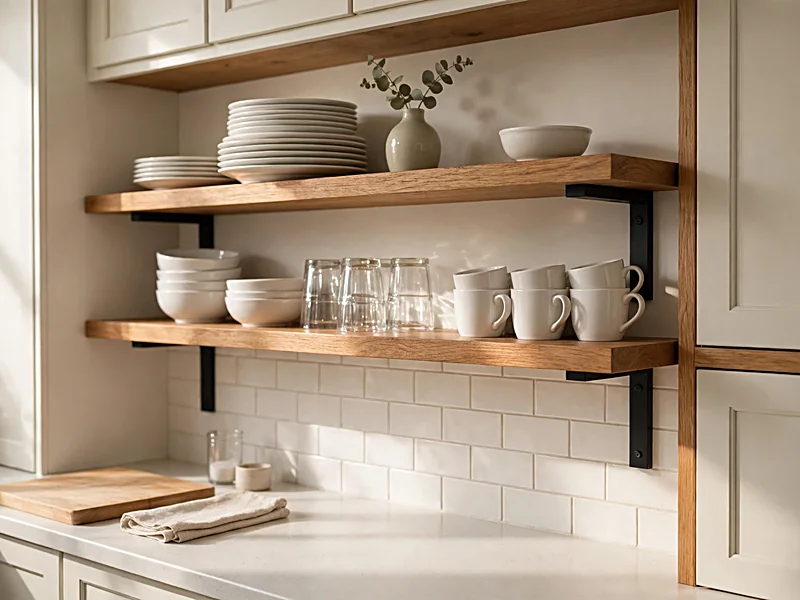
Open shelves work best when they hold items you use regularly. Arrange everyday dishes, bowls, or cups where they’re easy to reach.
Store rarely used items and unattractive packaging inside cabinets. A ceramic vase or serving bowl can add a decorative touch without taking over the shelf.
Keep open shelves away from heavy grease and moisture when possible. Choose mounting hardware that suits the wall and expected weight. Avoid overcrowding shelves with decorations that need frequent cleaning.
16. Add Color With Small Kitchen Accessories
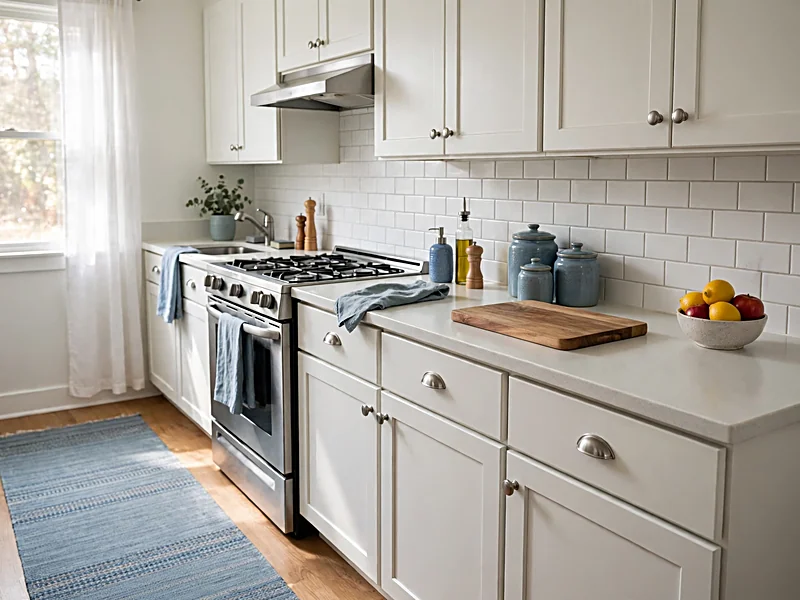
You don’t need new cabinets to give your kitchen a different appearance. Try colorful dish towels, a washable runner, ceramic containers, or a few decorative bowls.
For example, a muted blue runner can look attractive with white cabinets and wooden countertops. Choose accessories that are easy to clean and useful in everyday life. Keep counters clear around cooking and food preparation areas.
For more room-specific inspiration, these kitchen decor ideas cover ways to refresh shelves, countertops, and other kitchen details.
If you’re considering cabinet painting, test the color first and follow the paint manufacturer’s preparation instructions.
17. Make Your Dining Area More Comfortable
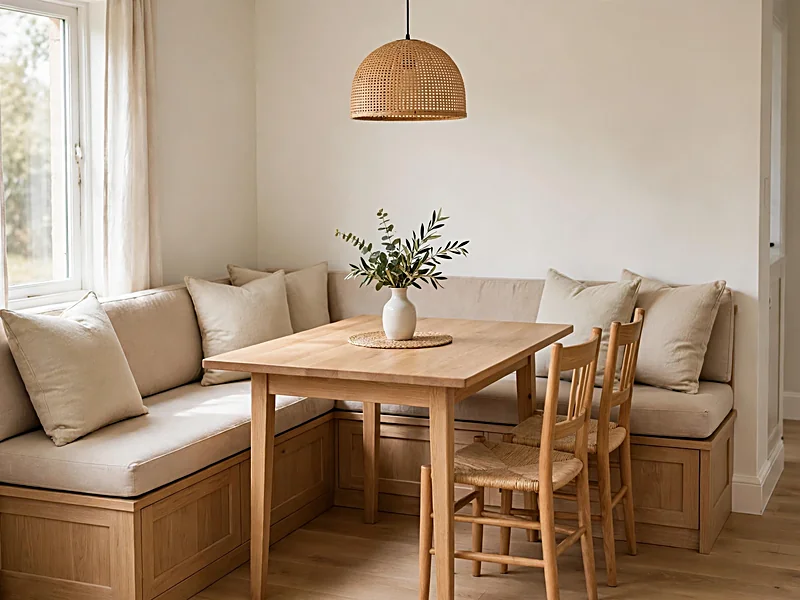
Dining furniture should allow people to sit, eat, and move comfortably. Measure the space around your table before buying new chairs.
A round table can suit some compact dining rooms because it has no corners. A bench may provide flexible seating against a wall. If you have a suitable corner, a banquette can create a comfortable dining spot.
Check seat height, table clearance, and walking space before making changes. Choose easy-clean upholstery if children regularly use the area.
18. Create a Simple Dining Table Centerpiece
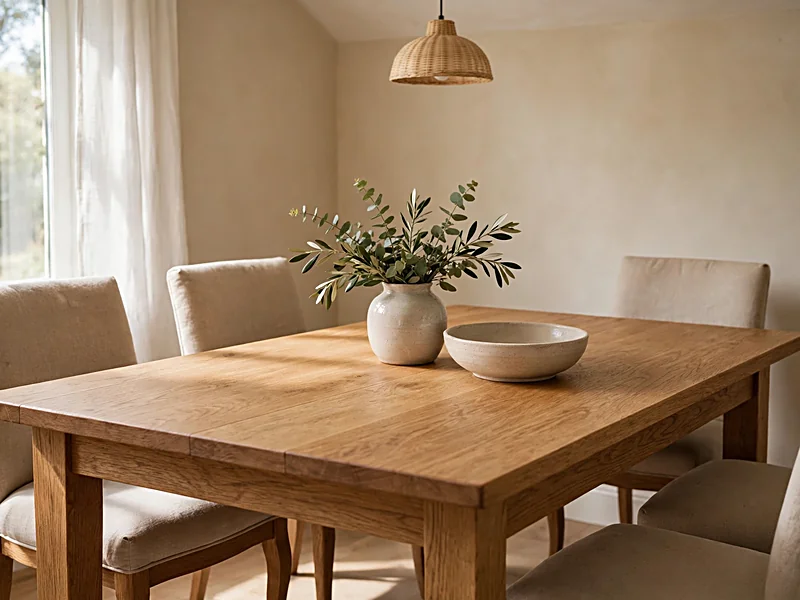
A centerpiece can make your dining table look attractive between meals. Try a shallow bowl, low vase, or small decorative tray.
Keep the arrangement low enough for people to see each other across the table. A ceramic bowl or wooden object works well for everyday use.
Fresh flowers can add color for special occasions. Avoid decorations that take up too much eating space. One useful centerpiece often looks better than several unrelated objects.
Wall Decor Ideas That Add Personality
Blank walls provide space for artwork, mirrors, and interesting colors. Start with the furniture below each wall before choosing what to hang.
19. Create a Gallery Wall With Meaningful Artwork
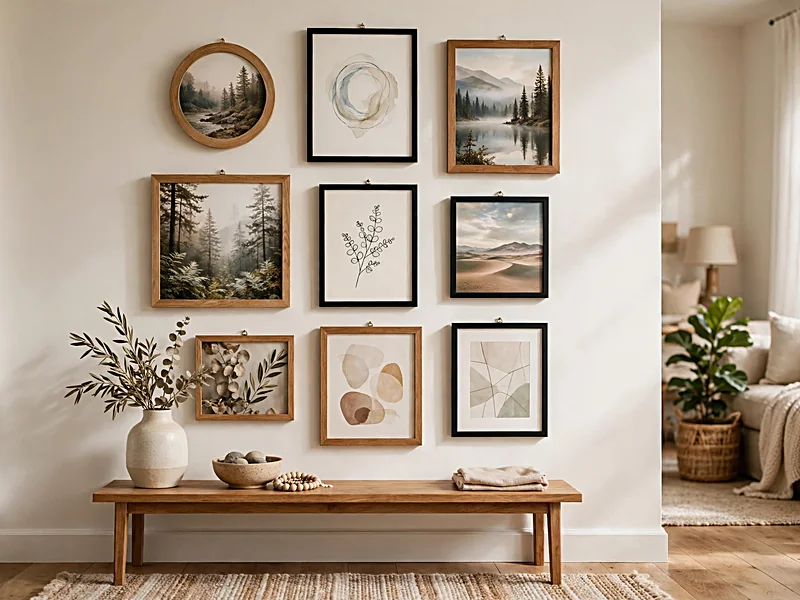
A gallery wall lets you display photographs, prints, and artwork together. Choose a wall where the collection will be easy to see.
Arrange the frames on the floor before hanging them. Start with the largest piece and place smaller frames around it. Try to keep the spacing fairly consistent.
Matching frames create a uniform appearance, while mixed frames can feel more personal. Choose artwork you enjoy rather than filling the wall with pieces simply because they match.
Use suitable hanging hardware for each frame.
20. Use Mirrors to Reflect Natural Light
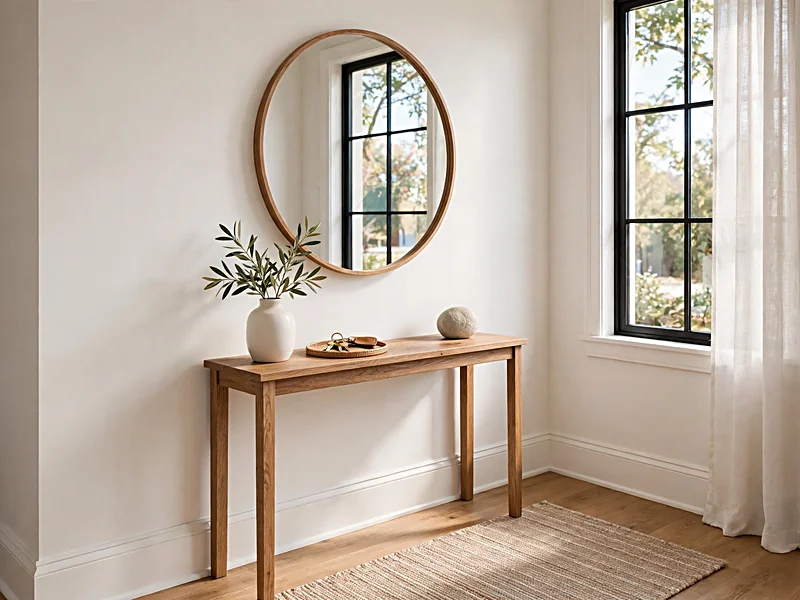
Mirrors can brighten a room by reflecting light from nearby windows. Try placing a mirror opposite or beside a window, depending on what it reflects.
A mirror above an entryway console can also serve a practical purpose. Choose a size that relates to the furniture below it. A tiny mirror may look out of proportion above a wide console.
Before hanging it, stand where you’ll normally view the mirror and check the reflection. Use secure mounting hardware, especially for large mirrors.
21. Add Paint or Wallpaper to an Alcove
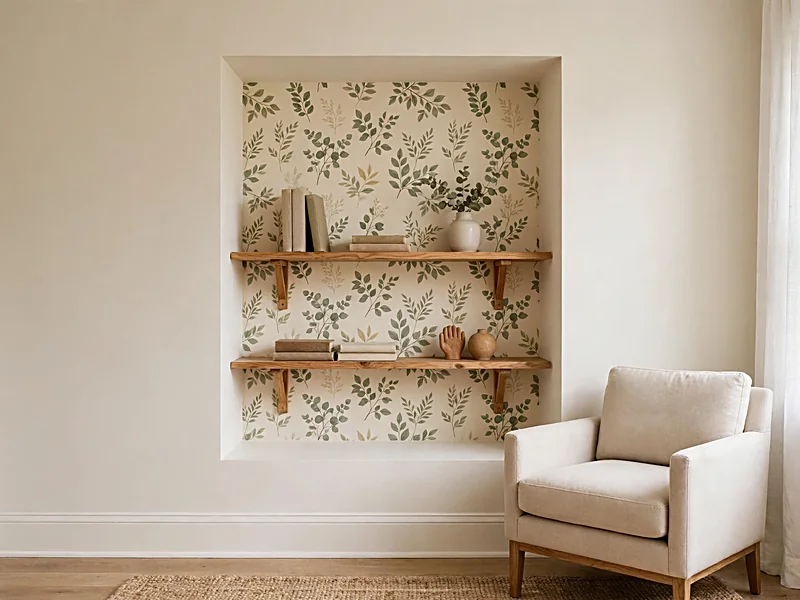
An alcove or recessed wall offers a good place to experiment with color. Try painting the back of a bookshelf or adding patterned wallpaper inside a small recess.
Choose colors that connect with nearby furniture and fabrics. You don’t need to cover every wall to make a feature noticeable.
Wallpaper also works in some powder rooms, where smaller walls provide opportunities for pattern. If you’re considering that approach, these powder room wallpaper ideas offer inspiration for decorating compact bathrooms.
Check surface conditions and product instructions before applying wallpaper. Renters should confirm which changes their lease allows.
22. Give Awkward Corners a Useful Purpose
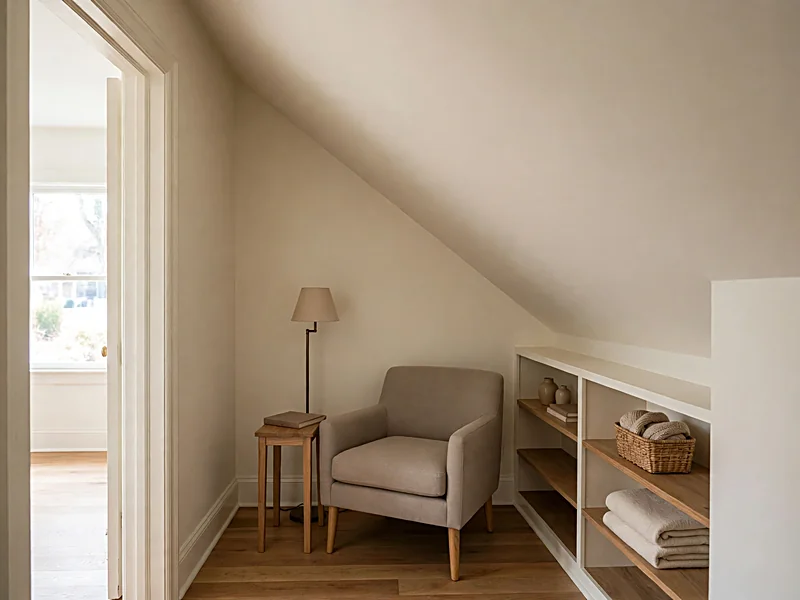
An unusual corner doesn’t need to remain empty. Look at its size, light, and nearby furniture before deciding what belongs there.
A reading chair and lamp can work in a quiet corner. A narrow console may provide storage near an entryway. Under a sloped ceiling, low furniture can fit better than tall cabinets.
Avoid squeezing large pieces into spaces that are too small. Leave enough room for doors, drawers, and walking paths. Sometimes, an empty corner works better than an unnecessary decoration.
Affordable Home Decor Ideas That Make a Noticeable Difference
Decorating on a budget starts with choosing which changes matter most. You can often improve a room by updating existing furniture or shopping secondhand.
23. Refresh Existing Furniture With Paint or Hardware

An older dresser or side table may only need a small update. Replacing worn handles can improve a cabinet’s appearance. Painting suitable furniture can also give it a fresh look.
Before starting, identify the furniture material and existing finish. Clean and prepare the surface according to the paint instructions. Test the color on a small area before painting the entire piece.
Older painted surfaces may contain lead. The EPA’s lead renovation guidance explains why disturbing paint in homes built before 1978 can be hazardous.
Use appropriate safety precautions and professional help when necessary.
24. Shop Secondhand for Affordable Decorative Pieces
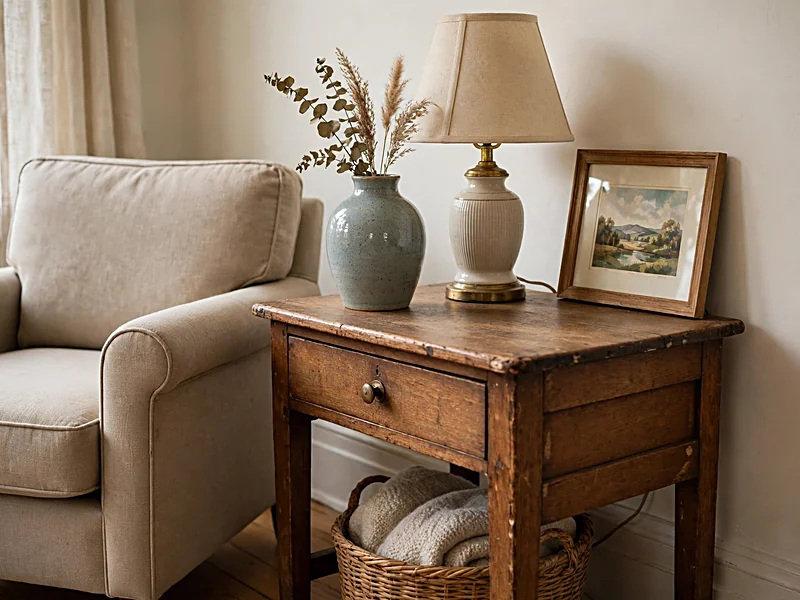
Thrift stores, estate sales, and yard sales can offer useful furniture and accessories. Look for solid picture frames, wooden tables, ceramic vases, and decorative baskets.
Inspect items before buying. Check furniture for loose joints, damage, unusual odors, and signs of pests.
For electrical items, make sure they’re safe to use before bringing them home. Take measurements and photos of your room when shopping.
A low price isn’t a bargain if the item doesn’t fit your home. Choose secondhand pieces that serve a clear purpose.
25. Make Simple Decorations From Things You Own
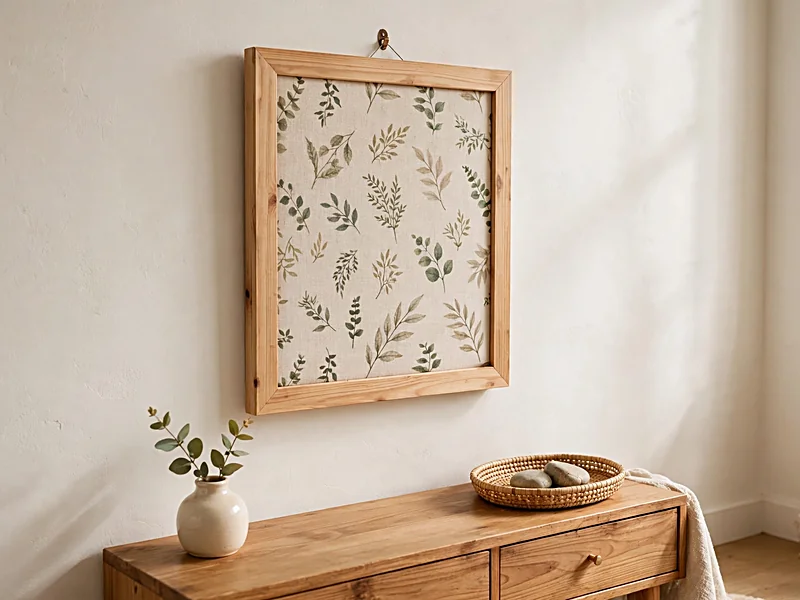
DIY projects don’t always require expensive materials. Frame a piece of leftover fabric to create wall art. Use a wooden tray you already own to organize small items.
You can also display family photographs, postcards, or drawings in unused frames. Choose projects that suit your tools and abilities.
Avoid modifying electrical fixtures or making structural changes without proper knowledge. Start with a small project to see whether you like the result.
Simple handmade pieces can add personal meaning without increasing your decorating budget.
26. Change Accessories Before Replacing Large Furniture
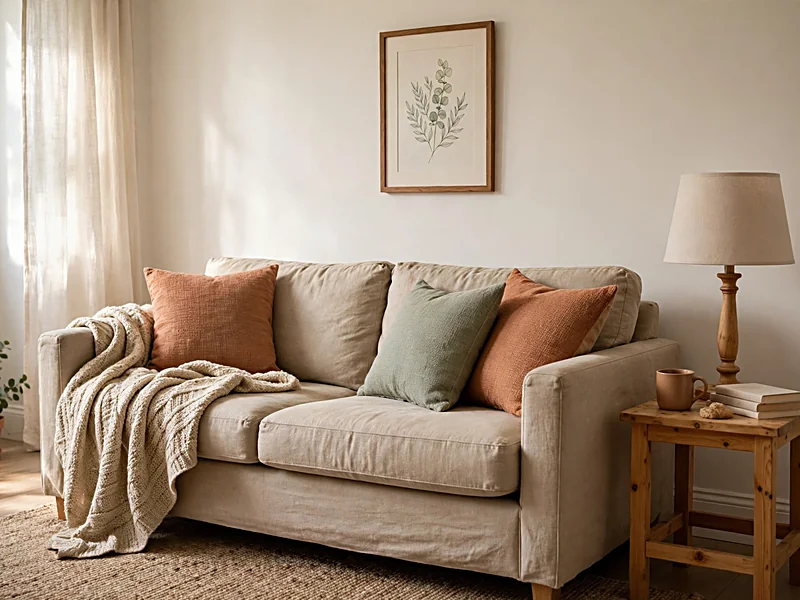
New furniture often costs more than updating the details around it. Before replacing a sofa, consider whether different pillows, lighting, or artwork would help.
A new shower curtain can change a bathroom’s appearance. A different table runner can refresh a dining area. Even moving an existing lamp may improve the look of a room.
Make a list of the changes you want before shopping. Spend money on the items that solve actual problems rather than buying more decorations.
Small-Space and Rental-Friendly Home Decor Ideas
Small homes and apartments need furniture that fits the space. Renters also need decorating options that respect their lease and existing surfaces.
27. Choose Furniture With More Than One Purpose
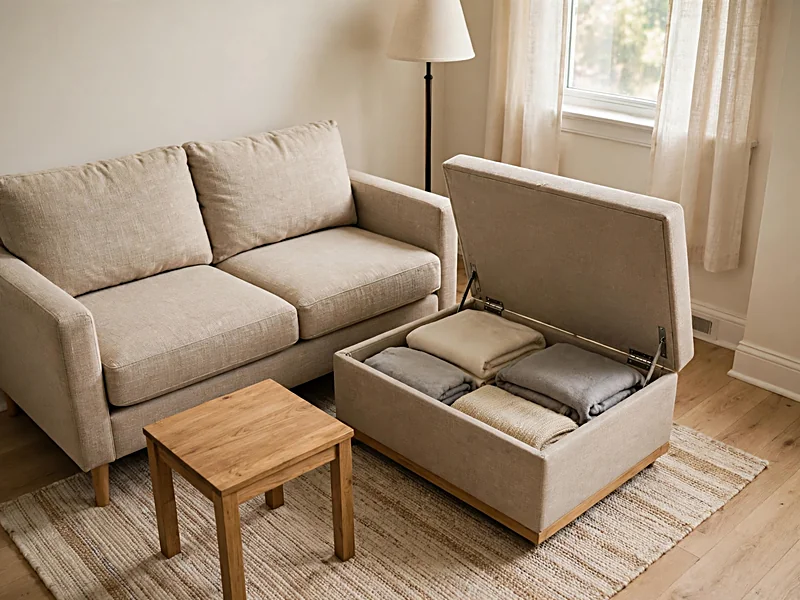
Furniture that serves multiple purposes can make a small room easier to use. An ottoman with storage can hold blankets and provide extra seating.
A storage bench works near an entryway. A coffee table with drawers can hold remotes, magazines, and small belongings.
Measure the furniture and the space needed to open it. A sleeper sofa, for example, needs additional floor space when unfolded.
Choose features you’ll actually use instead of paying for unnecessary extras.
28. Use Vertical Storage to Save Floor Space
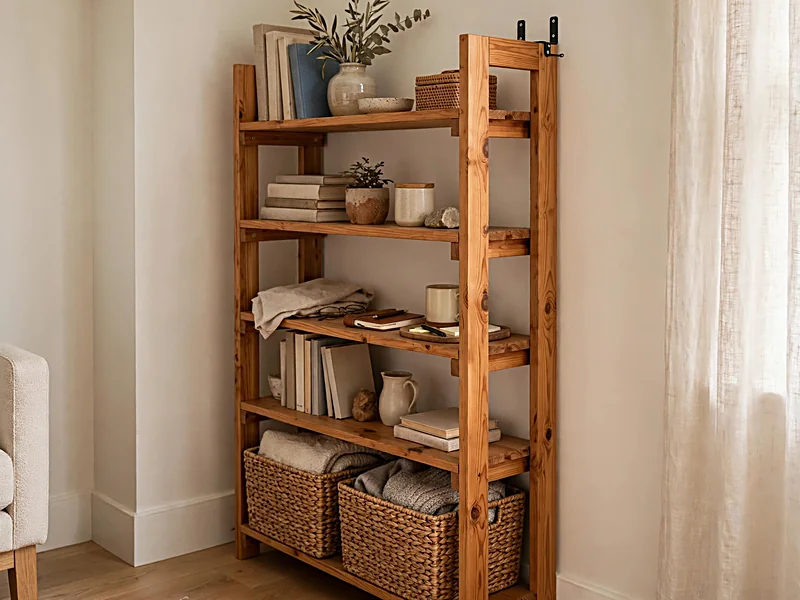
Tall furniture can provide storage without taking up much floor area. Use suitable shelves for books, baskets, and everyday supplies.
Keep frequently used belongings within comfortable reach. Store heavier items on lower shelves. Avoid placing loose or fragile objects where they could fall.
Secure tall furniture to appropriate wall anchors. The Consumer Product Safety Commission advises anchoring furniture with shelves, drawers, or doors to help prevent tipovers.
Renters should discuss safe anchoring methods with their landlord.
29. Decorate Rental Walls Without Major Changes
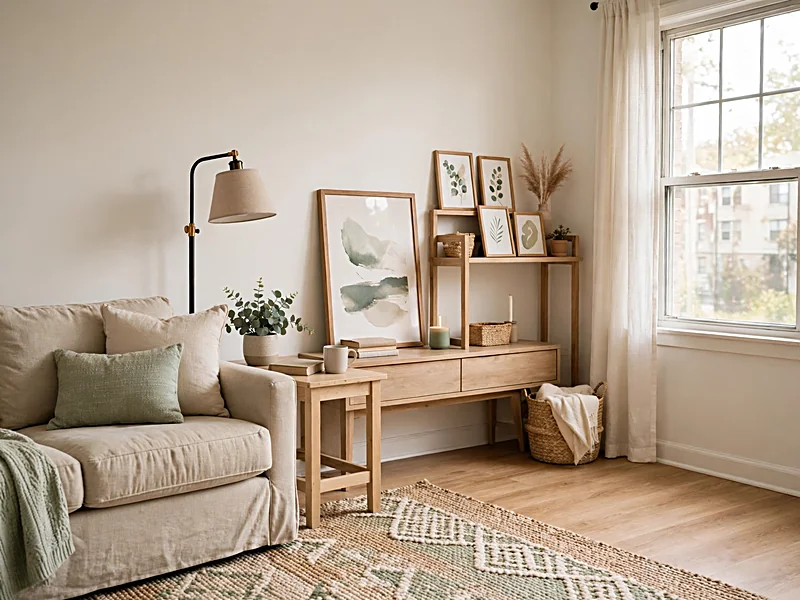
Renters can make a space feel personal without changing every wall. Use floor lamps, rugs, freestanding artwork, and movable furniture.
Some removable hanging products work on suitable painted surfaces. However, always check the product instructions and weight limits.
For example, Command picture hanging strips require properly prepared surfaces. The manufacturer advises waiting seven days after painting.
It also warns against applying those strips to wallpaper or using them above beds. Check your lease before drilling, painting, or installing wall coverings.
30. Use Furniture Placement to Define Separate Areas
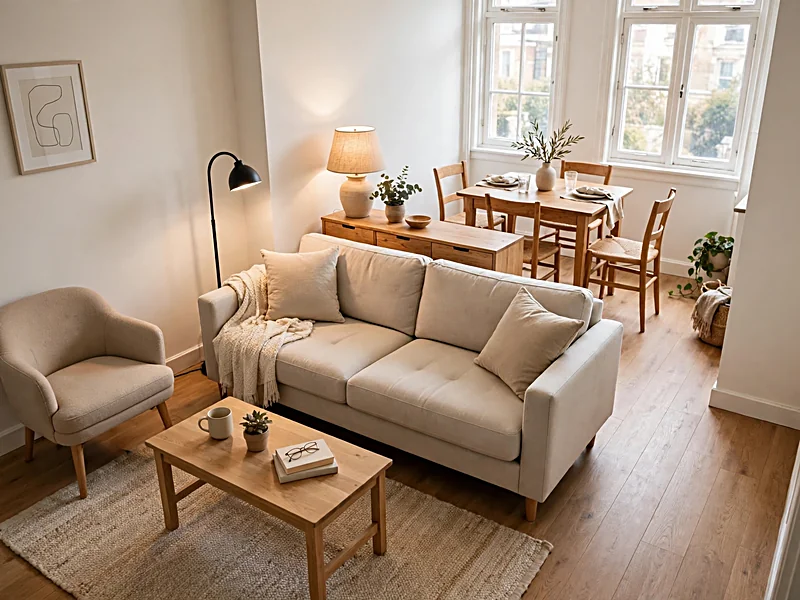
Open-plan rooms often serve several purposes. You can separate these areas through furniture arrangement instead of building walls.
Place a sofa with its back toward the dining area. Use an area rug to define the seating space. A narrow console table can divide activities while adding useful storage.
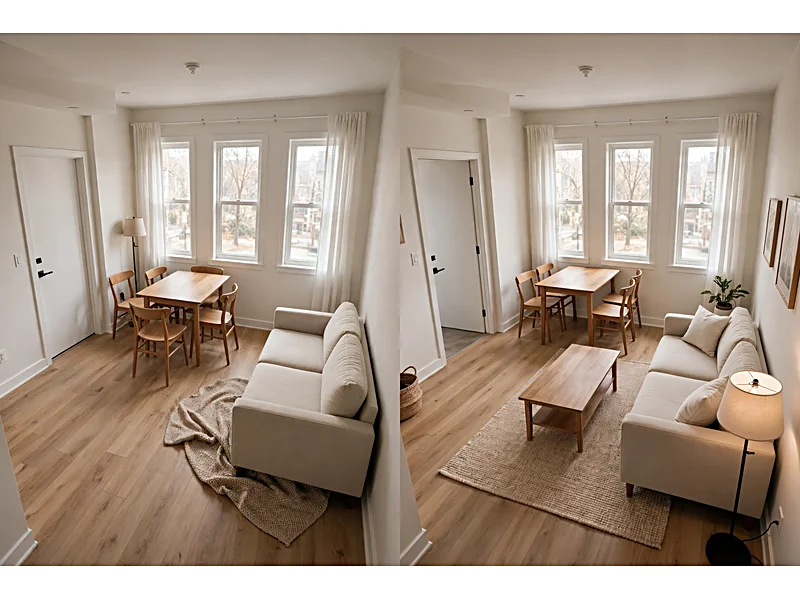
Keep walking paths open between the different areas. Avoid tall partitions that block natural light.
A clear layout can make a small space easier to use throughout the day.
Find Your Style With These Home Decor Ideas
Decorating styles can help you decide which colors, furniture shapes, and materials you prefer. You don’t need to follow every rule of one style.
31. Create a Modern Look With Simple Furniture

Modern decorating often uses furniture with clean lines and limited ornament. Start with a sofa or table that has a straightforward shape.
Choose accessories that work with the furniture rather than filling every surface. A round coffee table can soften the appearance of a rectangular sofa.
Neutral upholstery, wooden furniture, and black metal accents can look attractive together. Add artwork or a favorite color to make the room feel personal.
Modern rooms don’t need to look empty or overly formal.
32. Add Warmth With Wood and Woven Materials

Natural materials can make rooms feel more welcoming. Try a wooden side table next to a fabric sofa.
Add woven baskets for storing blankets or other household items. Ceramic vases, linen curtains, and cotton textiles also introduce different textures.
You don’t need to replace large furniture pieces. A basket, small wooden object, or textured throw may be enough.
Choose materials that suit your lifestyle and cleaning needs.
33. Combine Vintage Pieces With Modern Furniture

Older furniture can add personality to a room filled with newer items. Try placing a vintage dresser beneath a modern mirror.
An older wooden side table can work beside a contemporary sofa. Look for shared colors, materials, or proportions that connect the pieces.
Don’t worry about matching every wood finish. However, inspect secondhand furniture for damage before purchasing.
Older electrical fixtures may require professional inspection before use. Start with one vintage item and see how it fits the room.
34. Make Neutral Rooms Interesting With Texture
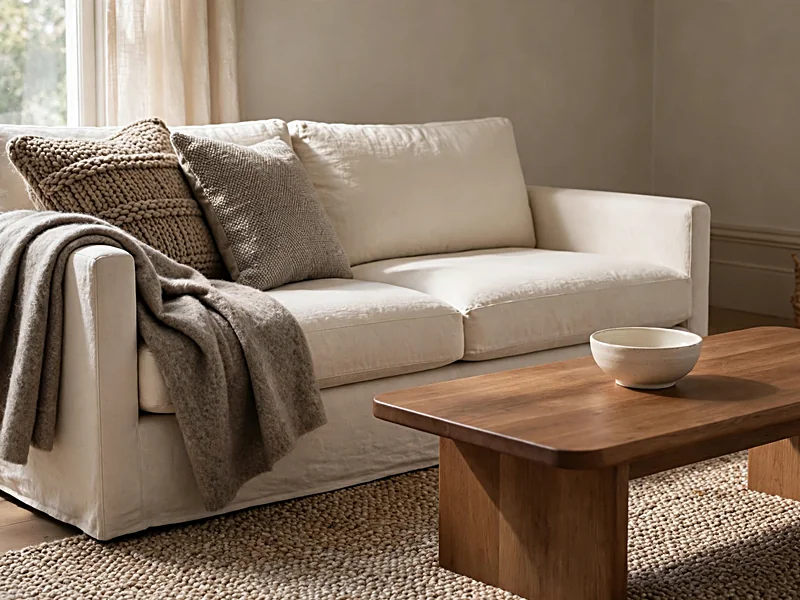
Neutral colors can feel flat when every surface looks the same. Mix fabrics and materials to create depth.
A cream linen sofa can work with a woven rug and wooden coffee table. Add a soft blanket or textured pillow for variety.
Use both lighter and darker shades to create contrast. Pay attention to undertones when combining beige, cream, and gray.
Check color samples together in the room before making larger purchases.
35. Use Patterns and Accent Colors to Show Your Style
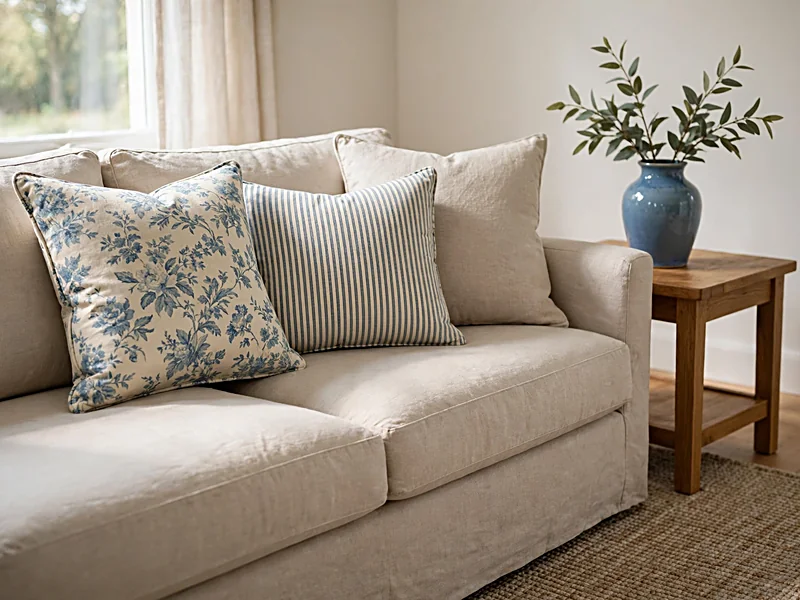
Patterns can add personality without changing every piece of furniture. Start with one patterned item, such as a pillow, rug, or curtain.
Choose a color from that pattern and repeat it elsewhere. For example, a floral cushion with blue details can work beside a blue vase.
You can also combine patterns with different scales. A large floral print may work with a smaller stripe when the colors relate.
Keep some surfaces plain so the room doesn’t become visually crowded. Start small and add more only if the space needs it.
How to Choose the Right Decorating Changes for Your Home
Not every decorating idea will suit every room. The best choice depends on your space, budget, and daily activities.
Fix the Most Noticeable Problem First
Look at how you use the room. Does it feel crowded, dark, unfinished, or difficult to organize?
A dark room may need another lamp. A crowded bedroom may benefit from better storage.
If the furniture layout already works, you can focus on color, textiles, and wall decorations. Solving one problem at a time helps prevent unnecessary spending.
Set a Realistic Decorating Budget
Decide how much you’re comfortable spending before shopping. Separate essential purchases from optional decorations.
For example, replacing a broken lamp may matter more than buying new pillows. You can divide larger decorating projects into smaller stages.
Compare prices from local stores and online retailers. Consider secondhand furniture when it suits your needs.
Keep some money available for unexpected costs, especially when painting or repairing furniture.
Measure Before Buying Furniture or Rugs
Measure your room and note where doors and windows open. Record the size of existing furniture.
Use painter’s tape to mark the outline of a proposed table, rug, or cabinet. This helps you see whether the item fits before purchasing.
Check that drawers and doors can open fully. Leave enough room for people to move comfortably.
Remember to measure doorways and staircases before buying oversized furniture.
Make Changes in a Practical Order
Start by cleaning, organizing, and rearranging what you already own. Next, address lighting, storage, and furniture problems.
Then consider rugs, curtains, and larger decorative items. Finish with artwork and smaller accessories.
This gives you time to see how each change affects the room. You may discover that you need fewer new items than expected.
Common Home Decorating Mistakes to Avoid
A few decorating mistakes can make a room less comfortable, even when the furniture looks attractive.
Buying furniture without measuring: Large pieces can block walkways or overwhelm a small room. Choosing a rug that’s too small: A rug that sits far from the furniture may make the seating area feel disconnected.
Using only overhead lighting: A ceiling fixture may not provide enough light for reading or other activities.
Adding too many decorations: Crowded shelves and tables can make everyday tasks harder.
Ignoring your daily routine: Delicate materials and impractical furniture may not suit a busy household.
The best way to avoid these problems is to plan around how you actually use each room.
Frequently Asked Questions
How can I decorate my home on a budget and still make it look expensive?
Start with a consistent color palette, tidy surfaces, and furniture arranged for comfortable movement. Use appropriately sized rugs and practical lighting.
Secondhand furniture, framed artwork, and updated hardware can also improve a room without major spending. Focus on getting the arrangement right before purchasing expensive accessories.
What are some easy ways to make a noticeable difference at home?
Rearrange furniture, change pillow covers, add a lamp, or move artwork to another wall. You can also use curtains and rugs to make a room feel more comfortable.
Choose the change that solves your room’s biggest problem first.
How can I make my home feel cozy and stylish?
Combine comfortable furniture with soft lighting and different textures. Try a woven rug, fabric curtains, and a few cushions in coordinating colors.
Add personal photographs or artwork. Keep everyday belongings organized so the space remains comfortable to use.
What accessories work best in a modern home?
Modern interiors often work well with simple lamps, mirrors, ceramic vases, and framed artwork. Choose pieces with shapes and materials that suit your furniture.
Avoid filling every available surface. A few well-chosen accessories can make a room feel finished without creating clutter.
Which decorating style works best in a small home?
Modern, minimalist, Scandinavian, and transitional styles can all suit smaller homes. However, the layout and furniture dimensions matter more than the style name.
Choose pieces that fit the room and support your daily routine. Use practical storage and avoid blocking natural light.
How can I decorate an apartment without damaging the walls?
Use freestanding artwork, rugs, floor lamps, and approved temporary hanging products. Follow the manufacturer’s instructions and your rental agreement.
Check weight limits and surface conditions. Discuss proper furniture anchoring with your landlord when necessary.
Where can I find inspiration for decorating my home?
Look at decorating magazines, interior design websites, home improvement stores, and Pinterest. Save examples that match your room size, budget, and personal taste.
Pay attention to the furniture arrangement, colors, and materials rather than copying every detail. Choose ideas you can realistically use in your own home.
Final Thoughts
The most useful home decor ideas begin with understanding what your space needs. Better furniture placement, comfortable lighting, and thoughtful color choices can make a noticeable difference.
You don’t have to decorate every room at once. Start with one area, use what you already own, and make changes that support your daily routine.
A beautiful home doesn’t need to follow every design trend. It should reflect your taste and feel comfortable for the people who live there.

About Author
Hello there. I am Lathen Reed, a home improvement and interior design enthusiast. With a passion for creating beautiful, practical, and comfortable spaces, I share helpful ideas and inspiration related to home improvement, home decor, interior design, and home styling. Through HomeFixStyle, my goal is to make home improvement simple, inspiring, and accessible for everyone.