The easiest room decor ideas for a rental use removable wallpaper, plug-in lights, a big rug, and adhesive hooks. Below are 24 of them. Start with the basics: layout, one focal point, and the 60-30-10 color rule. Next come low-cost ideas that need no tools, then damage-free fixes for walls and lights. After that, browse by room, color, and style. A one-weekend plan, a splurge-or-save table, common mistakes, and quick answers close it out.
Interior design basics: how to decorate a room from scratch
These steps work in any room, including bathrooms, kitchens, home offices, kids’ rooms, and entryways.
Where do you start when you redecorate a room?
Start with the job the room has to do. A bedroom needs sleep and storage. A studio living area may also need a desk. Write the jobs down, then shop for them in that order.
How do you measure and plan the layout?
Measure the walls, windows, and doors. Mark the plan on the floor with painter’s tape before you buy anything. Walk through the taped plan to check that you can move around easily.
How do you choose one focal point?
A focal point is the first thing your eye lands on. In a bedroom, it is usually the bed. In a living room, it can be art, a window, or the sofa wall. Arrange the rest of the furniture to support it.
How does the 60-30-10 color rule work?
The 60-30-10 rule splits a color scheme into three parts. Use a main color for 60 percent of the room, such as walls, large furniture, and rugs. Use a second color for 30 percent, such as curtains and upholstery. Save 10 percent for accents like pillows and lamps. Bob Vila calls it a guideline, so bend it when your style calls for it.
What furniture does a room need, and how big should it be?
Cover the jobs first. That means a bed or sofa, a surface for a drink or phone, and light. Add storage next. Decor comes last. Match each piece to your floor space, so you can still walk around it. Measure doorways and stairwells too, so the piece gets inside.
Cheap room decor ideas that need no tools
These ideas are low cost, and none of them need tools. Prices change often and vary by store, so compare listings before you buy.
1. Build a gallery wall from thrifted frames and small objects
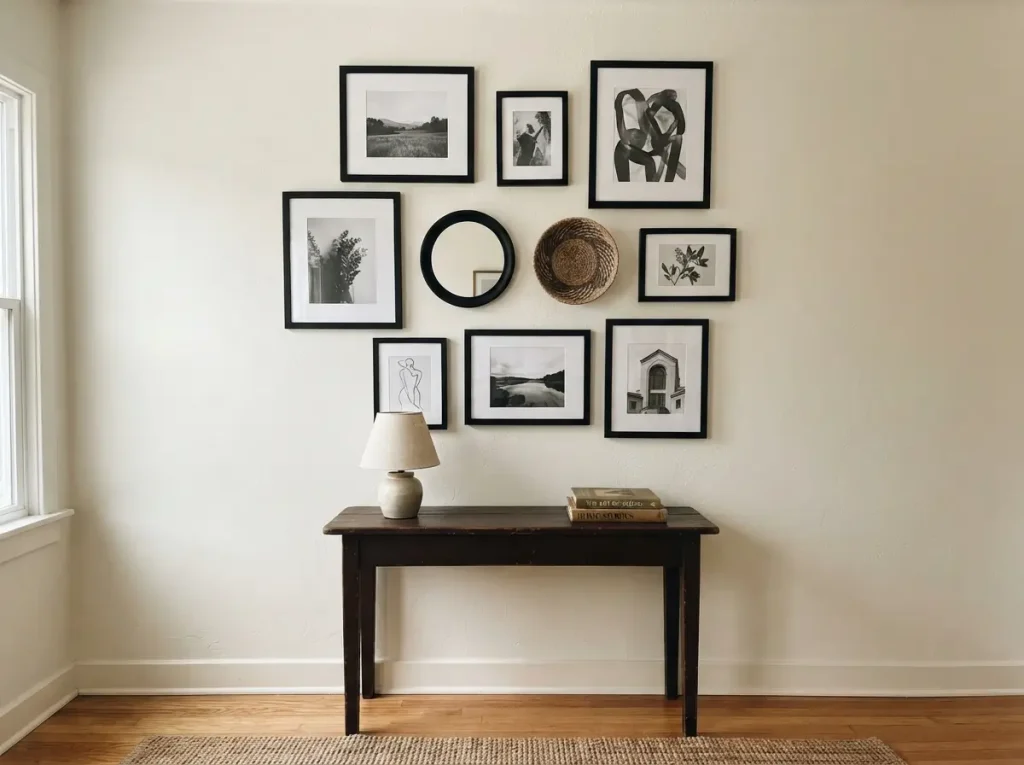
Thrift stores and flea markets are good places to find mismatched frames, small mirrors, and baskets. Paint the frames one color so the mix looks planned. Lay everything on the floor first and move pieces until the shapes balance. Cut paper to the size of each frame and tape the paper to the wall. Move the paper until the layout looks right. Then hang it all with removable strips, not nails.
2. Style a corner with things you already own
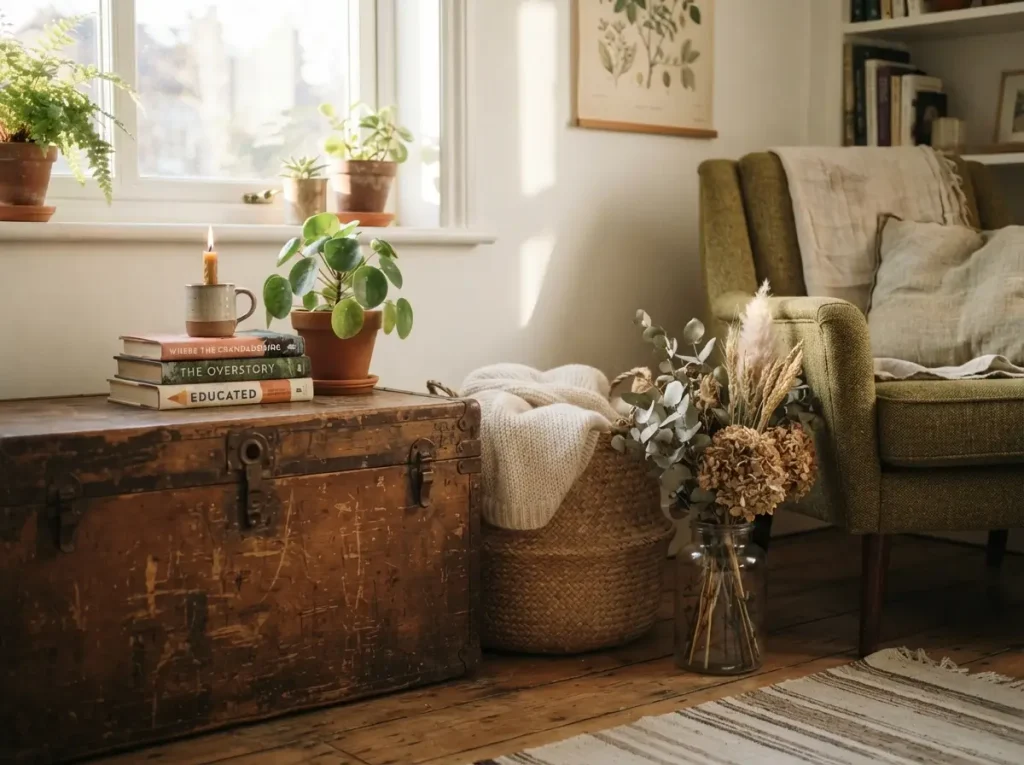
Stack two or three books on a trunk or a small table. Set a candle or a small plant on top. Add a basket for blankets and a jar of dried stems for texture. A secondhand trunk can double as a coffee table with hidden storage. Move the furniture around first, and live with the new layout for a week before you buy anything.
How do you decorate a room with things you already own?
Use jars as vases and a cutting board as a tray. Fold a towel or sheet over a chair as a throw. Stack sturdy boxes as a side table and cover them with fabric. Group items by color so clutter looks planned.
Renter-friendly room decor ideas with no drilling or painting
Most renters can decorate without holes or paint. Choose removable, plug-in, and freestanding pieces. Read your lease first.
Can you put nails in the walls of a rental?
Often yes, but it depends on your lease and state law. Nolo, a legal publisher, lists a few small nail holes as ordinary wear and tear. It says lots of picture holes that need patching and repainting can count as damage. It also treats minor marks as ordinary wear and large holes as damage. This is general information, not legal advice.
What should you do before you decorate a rental?
Read your lease for rules on nails, paint, and adhesives. Take dated photos of each wall before you start. Test removable products in a hidden spot first. Ask your landlord in writing if the lease is unclear.
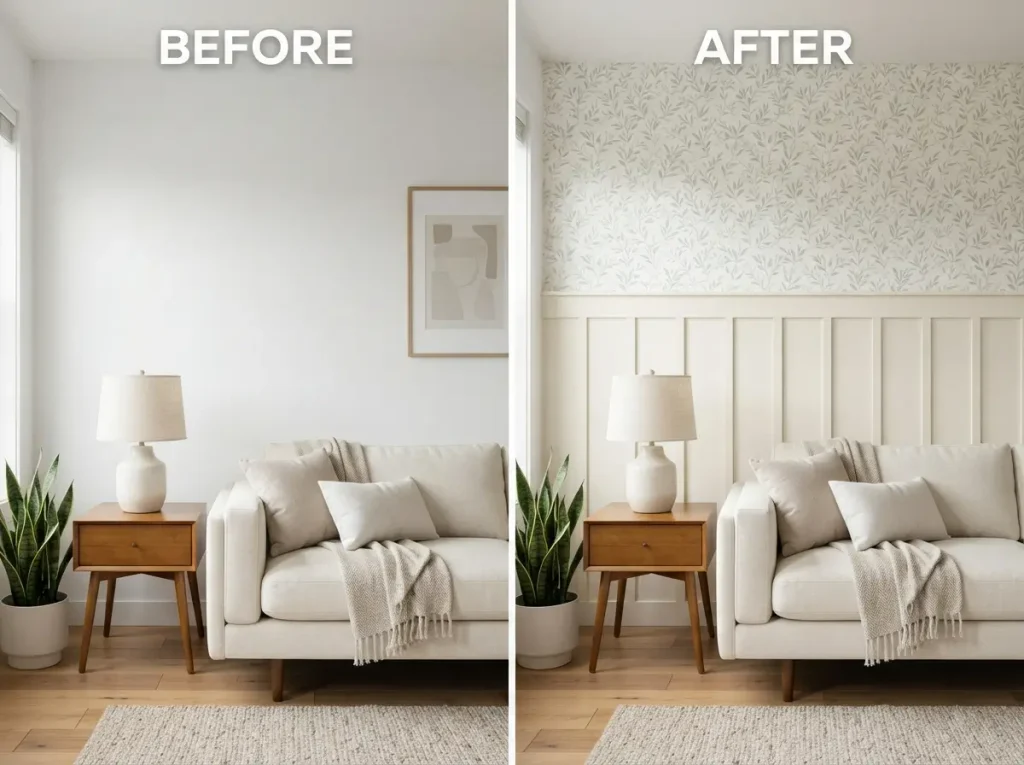
3. Peel-and-stick wallpaper and wood trim on one wall
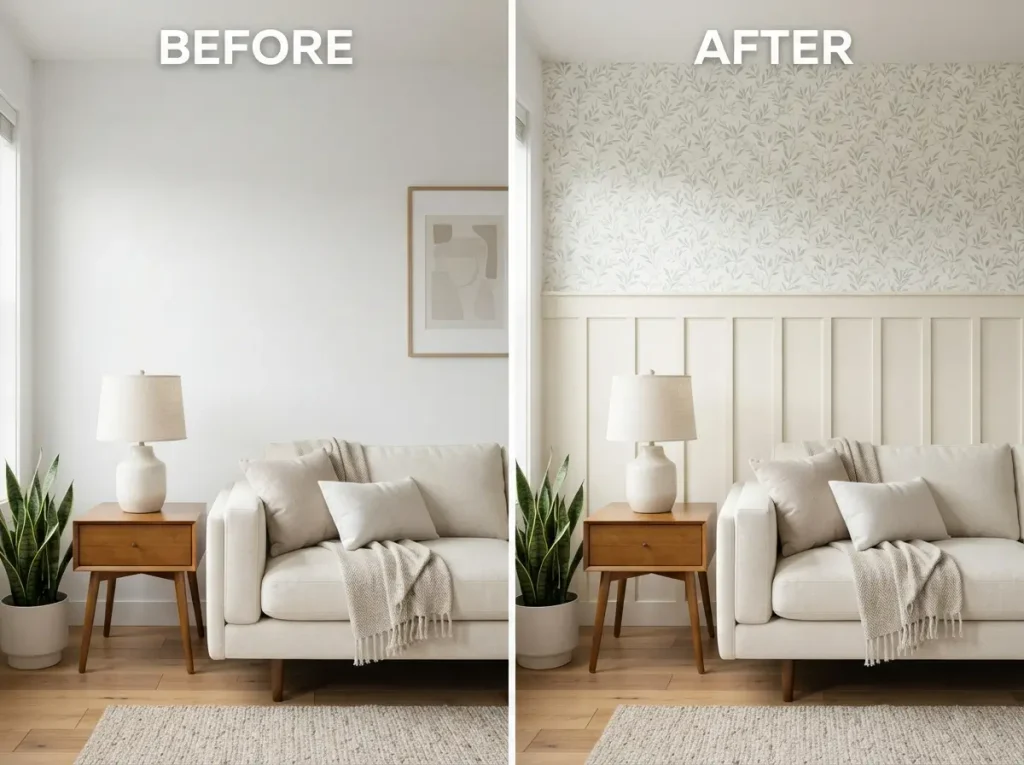
Cover one wall in removable wallpaper to change the whole room. Look for products labeled removable, and test a small patch first. Peel-and-stick wood trim or shiplap planks add texture the same way. Clean and dry the wall first. Check that your lease allows adhesives on walls. Use leftover paper to line the back of a bookcase.
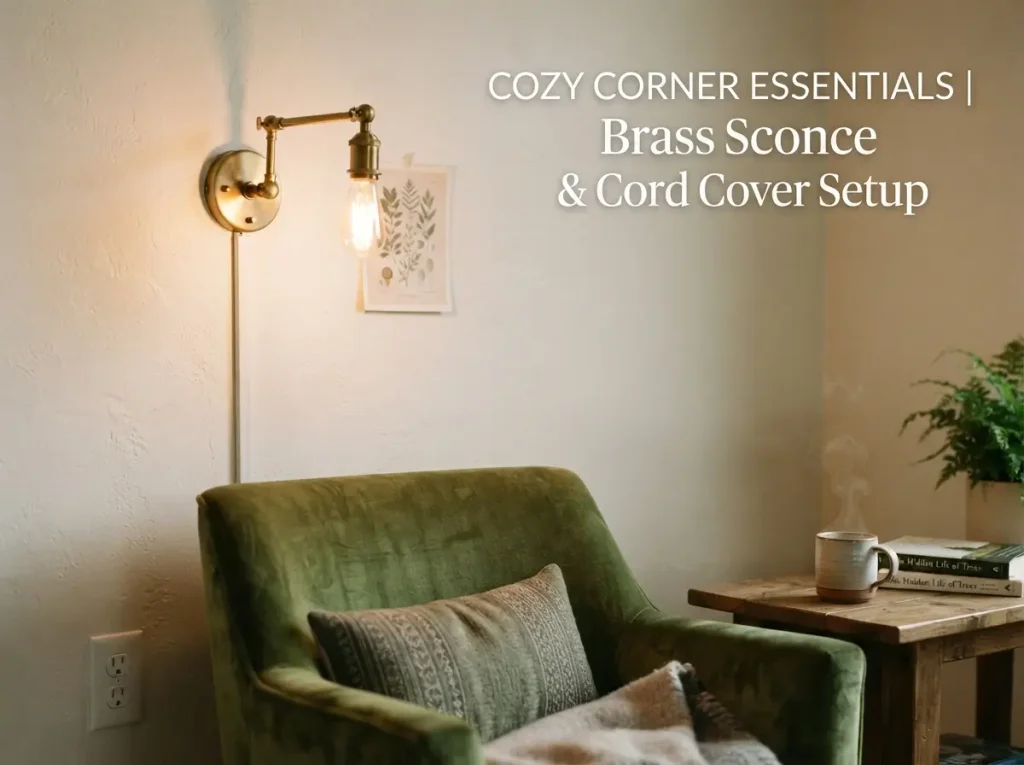
4. Plug-in lighting: sconces and pendants
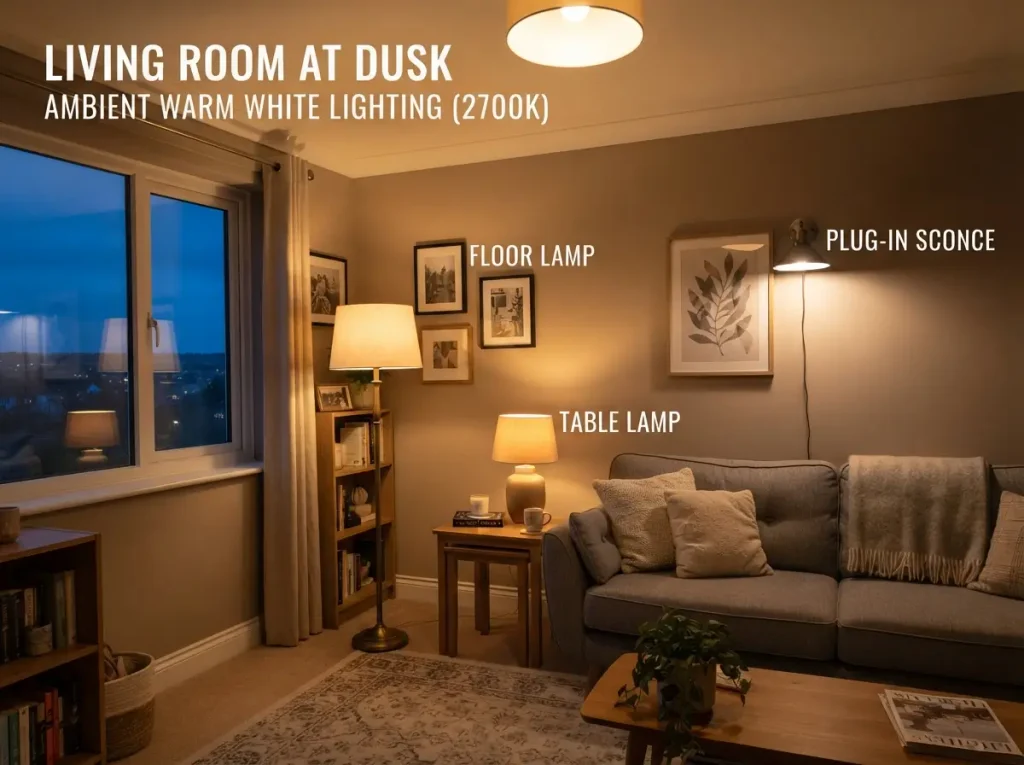
Plug-in sconces use a cord instead of a hardwired box. Hide the cord with a stick-on cord cover. A plug-in pendant hangs from a ceiling hook and plugs into an outlet. Ask your landlord before you add a hook. Both give you stylish light without rewiring.
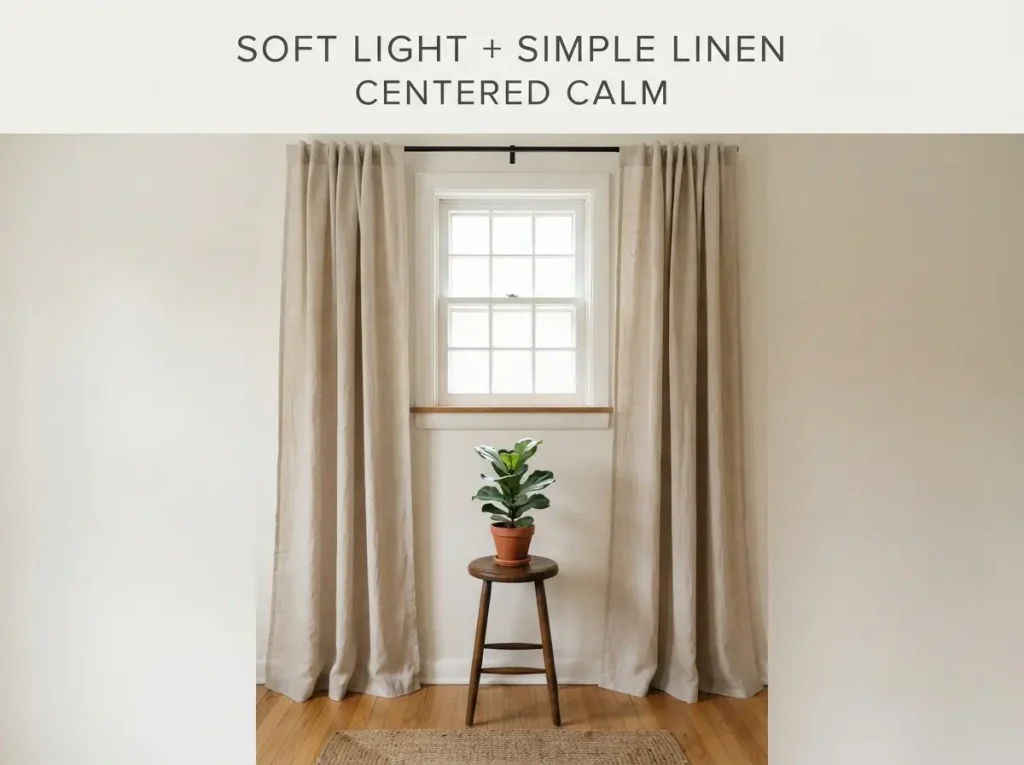
5. Make the curtains the focal point
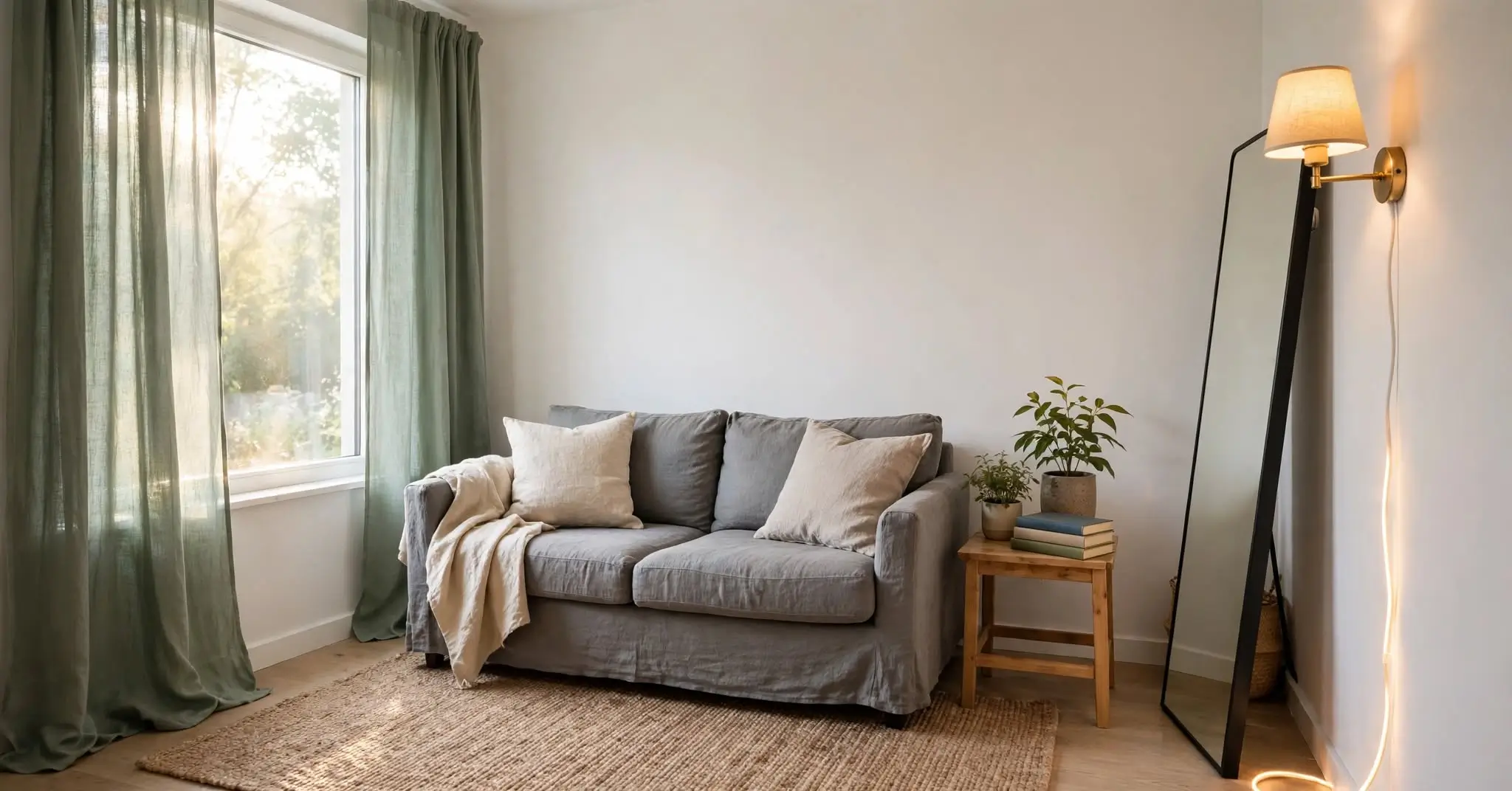
Hang full-length curtains to add height and softness. A tension rod works inside the window frame without drilling. Pick a fabric that suits the room, such as linen for a relaxed look. Let the panels reach the floor.
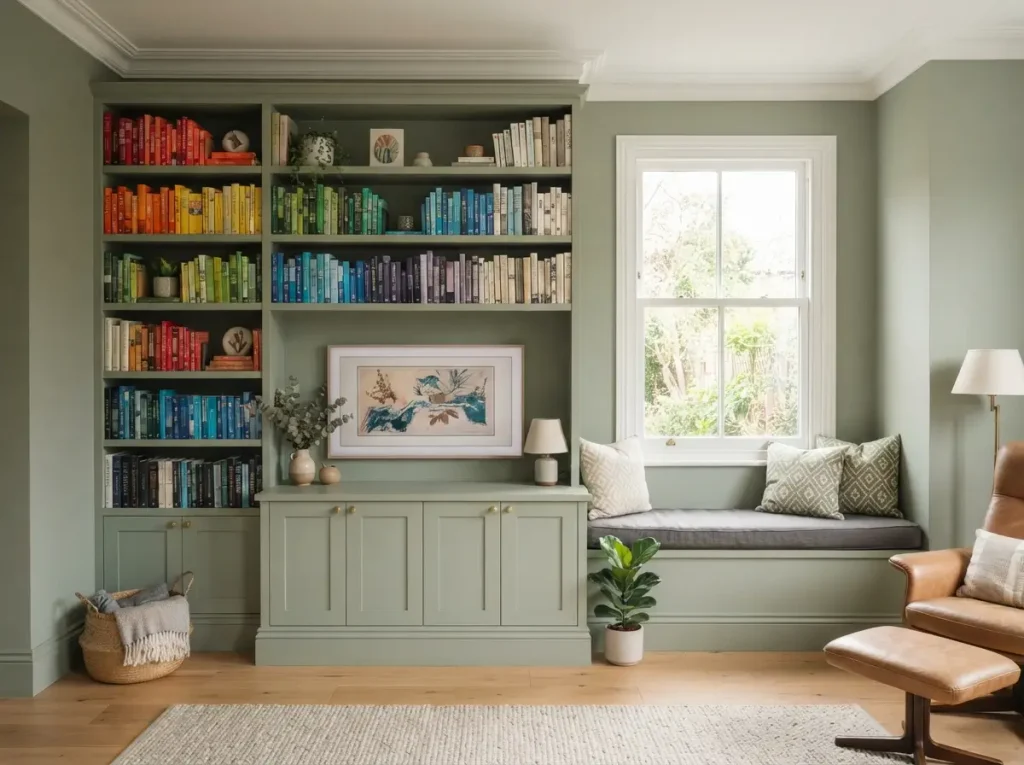
6. Freestanding storage that looks built in
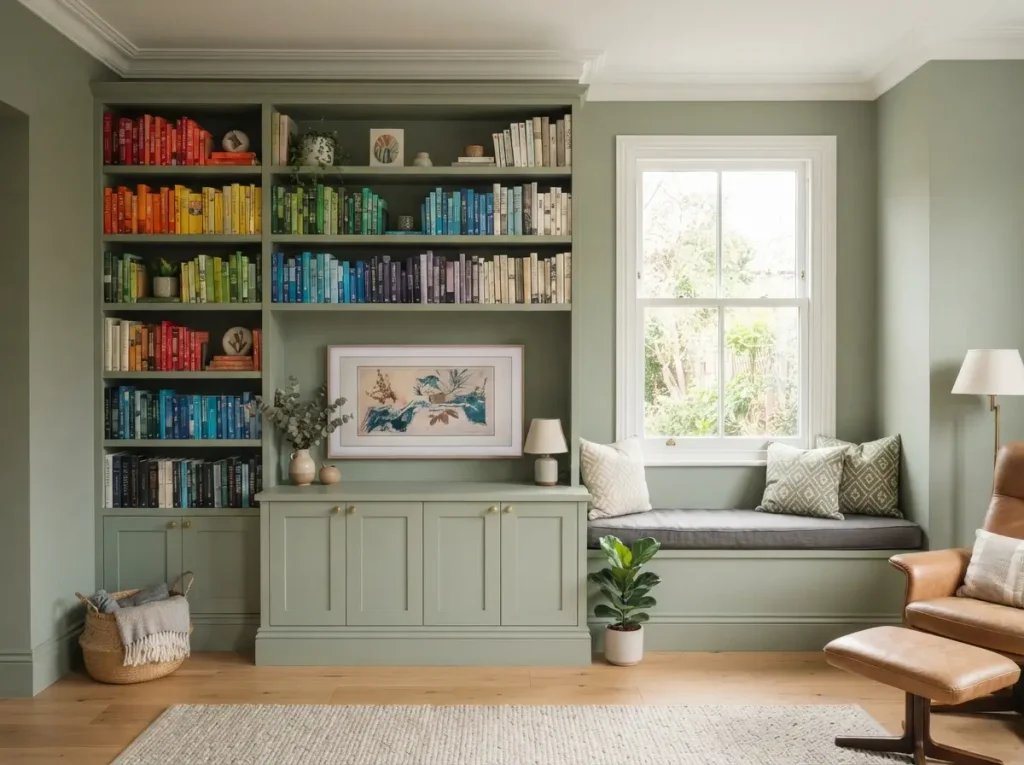
A tall bookcase gives you a built-in look with no construction. Tall furniture can tip, so ask your landlord about securing it to the wall. A cushioned bench under the window makes a reading spot. A low cabinet with doors can hold the TV. Close the doors when you are not watching.
7. Anchor the room with a big rug
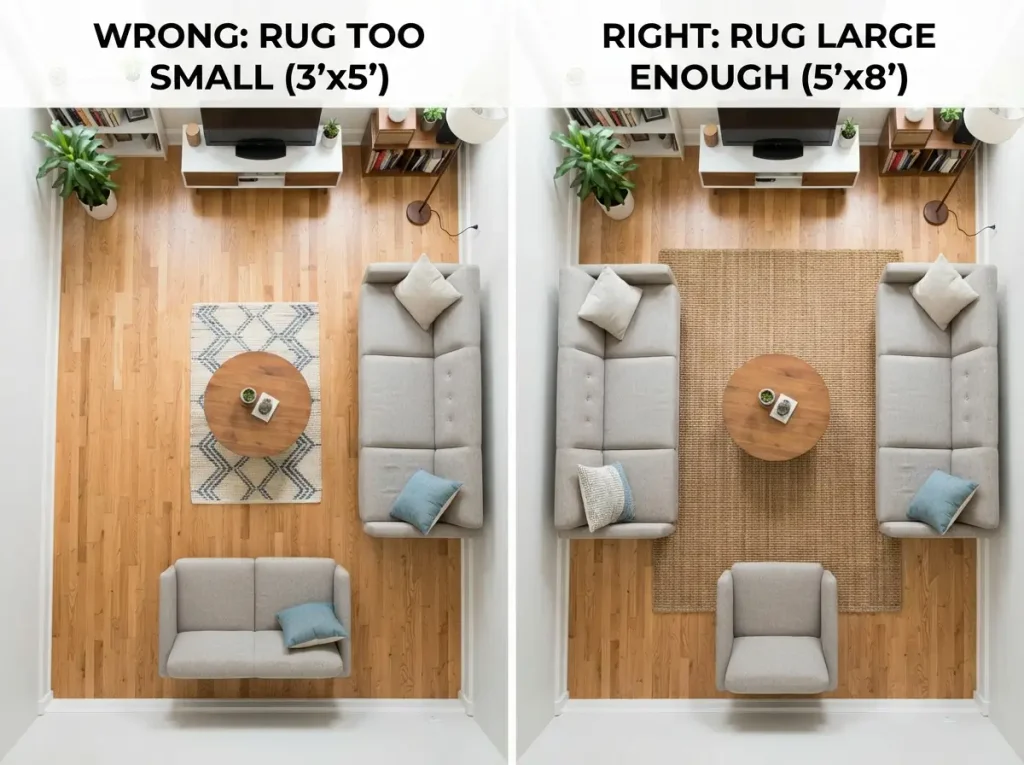
A rug defines the seating area. Raymour & Flanigan, a furniture retailer, suggests putting all furniture legs on the rug. In a smaller room, it says front legs alone can work. It lists 5 by 8 feet for small living rooms and studios. It lists 6 by 6 feet for square rooms and 8 by 11 feet for most standard living rooms. Add a non-slip pad underneath. Go larger when you are unsure.
8. Art and mirrors without nails
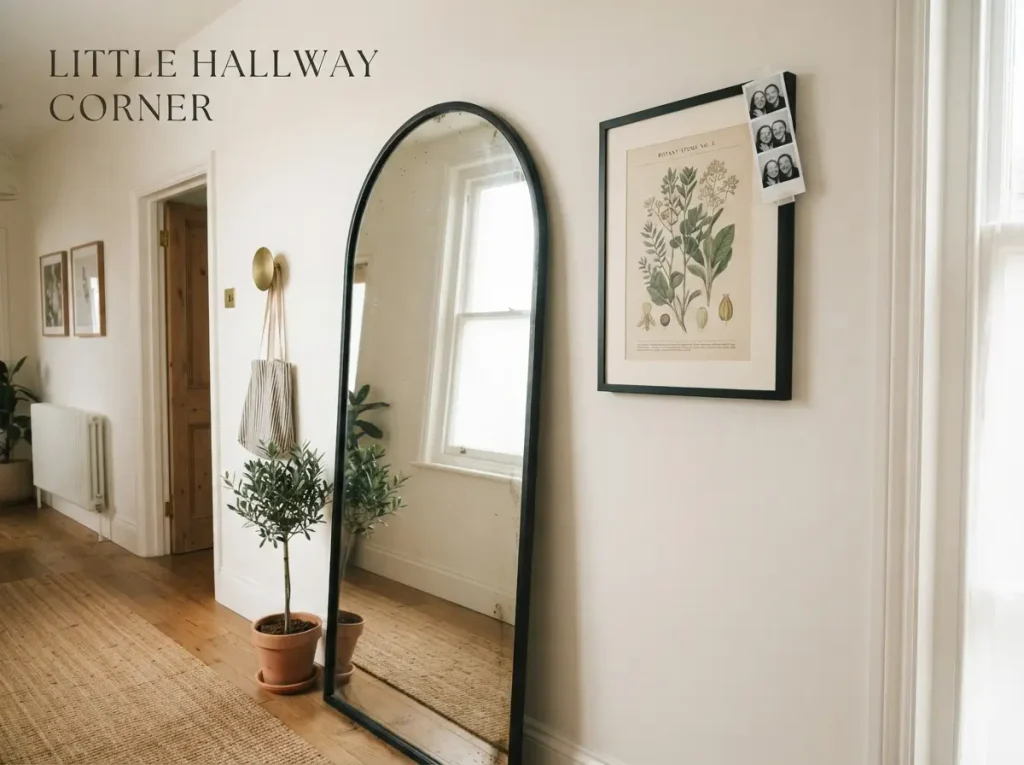
3M sells medium white picture hanging strips rated for 10 pounds. Its instructions say to wait seven days after painting. They also warn against using the strips on wallpaper and other delicate surfaces. Remove them by stretching the strip slowly, as the label directs. For heavy pieces, lean a large floor mirror against the wall instead. It bounces light and can make the room feel bigger. Secure it if kids or pets share the space.
Small room and dorm decor ideas
Small rooms need furniture that works twice and light that bounces.
9. Divide the room with a freestanding screen
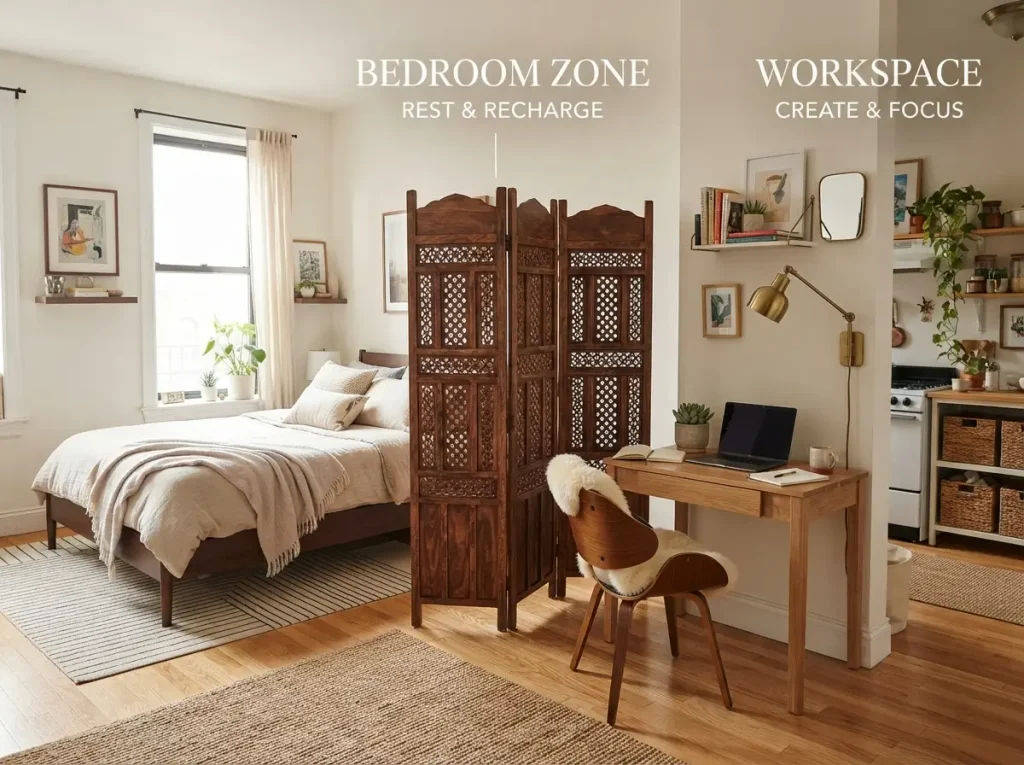
A folding screen splits a studio into zones. It can give a desk or bed a backdrop and hide clutter. Pick a solid panel if you want more privacy. Place it so the bed and the desk each feel like their own corner.
10. Furniture that works twice
Choose a bed with drawers or an ottoman with a lid. A bench with a hidden box also works. A slim console table fits behind a sofa or by the door. Tall shelves use wall height instead of floor space, so measure the depth first. In a tight living room, use two small side tables instead of a coffee table. Round tables and ottomans have no corners to bump. Pick pieces in your main colors so the storage does not add clutter.
Bedroom ideas
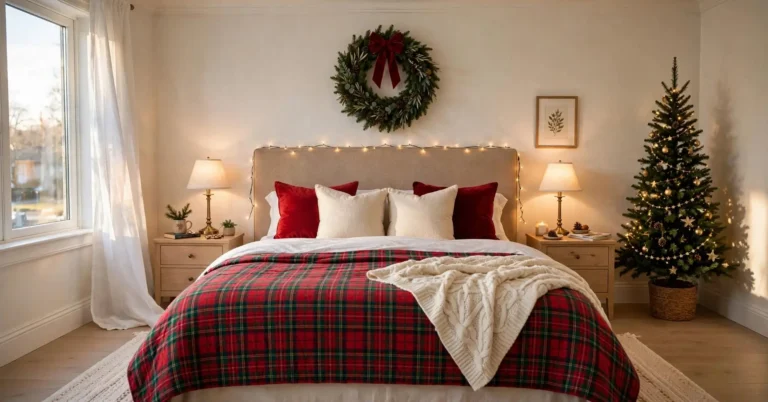
A bedroom should feel calm. The CDC says your bedroom should be quiet, dark, relaxing, and at a comfortable temperature.That is why bedroom ideas should put sleep first.Once sleep is covered, pick a feeling for the room, like spa calm or hotel crisp, and choose your dream bedroom ideas from there.
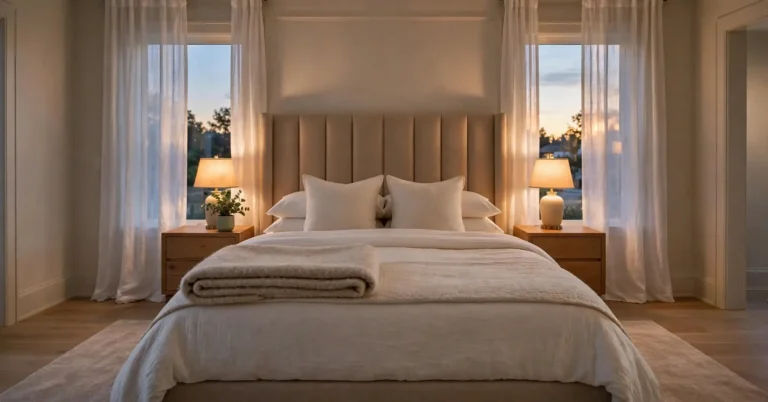
11. Layered bedding, a warm lamp, and a calm bedside
Start with a fitted sheet and a duvet. Add a quilt or throw at the foot. Choose a lamp with a soft shade to avoid harsh glare. Give each side of the bed a surface and a light. Use a clamp light if space is tight. The CDC also advises keeping TVs, computers, and phones out of the bedroom. Keep any sound low, since the CDC recommends a quiet room for sleep.
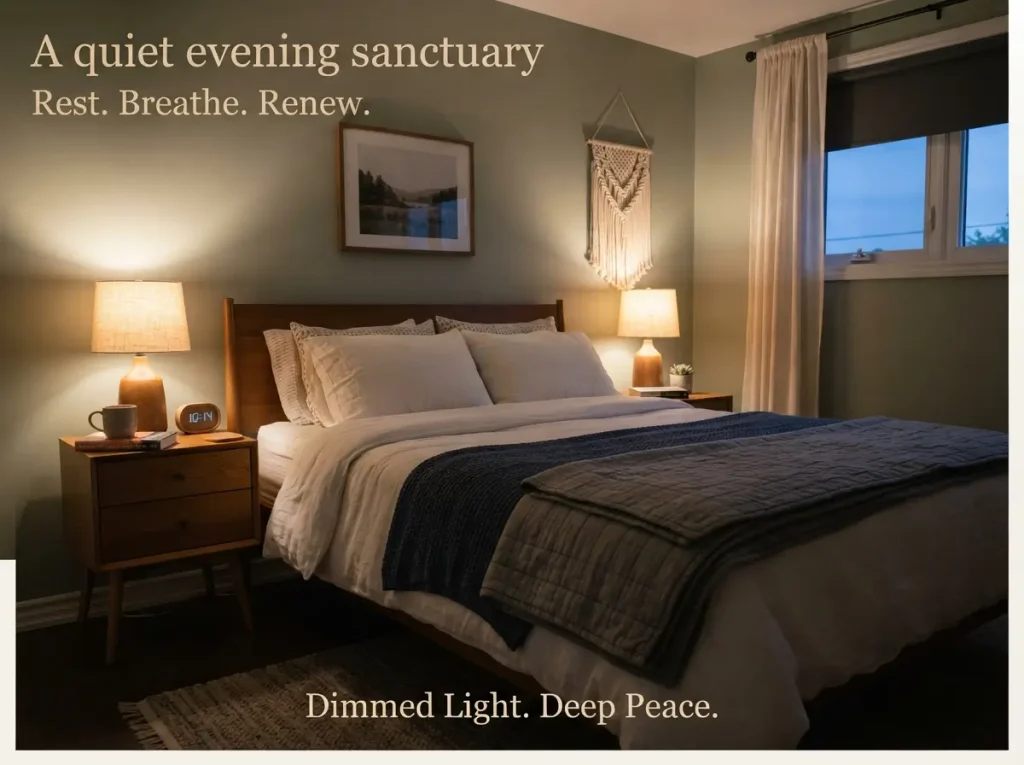
What makes a cozy bedroom aesthetic?
Combine layered bedding, a soft rug, and a warm lamp. Add curtains that reach the floor. Keep the floor clear so the room feels calm. Then style the bed, walls and dresser with bedroom decor ideas.
12. A tall headboard or a freestanding canopy
A tall headboard frames the bed. Measure the bed first, then pick a headboard that matches its width. Look for headboards that attach to the bed frame, not the wall. A freestanding metal canopy frame needs no wall mounting. Drape sheer fabric over it for softness.
Living room ideas
Your living room does the most jobs, so give each job its own zone.
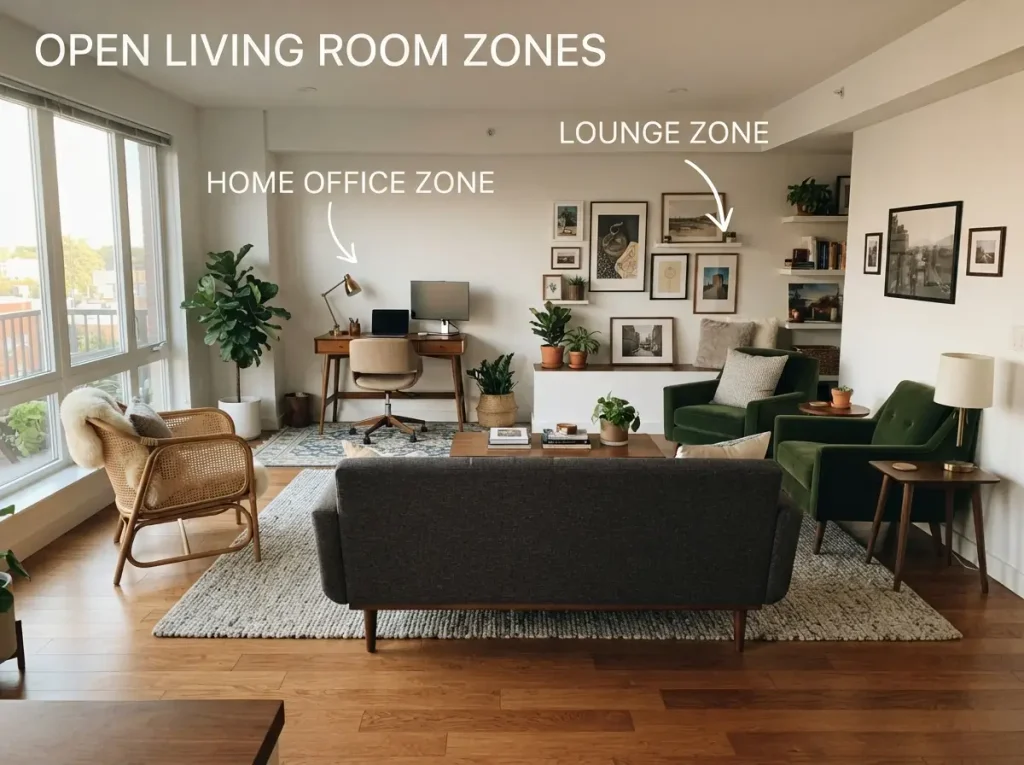
13. Two seating zones with mismatched seating
Float a sofa to separate a lounge from a desk. A rug under each zone ties them together. Mix a sofa with two different chairs. Match one element, like color or wood tone, so the mix looks planned. Leave room to walk between the two zones. Low chairs can make the ceiling look higher, so test the seat height before you buy.
14. Furniture that looks like decor
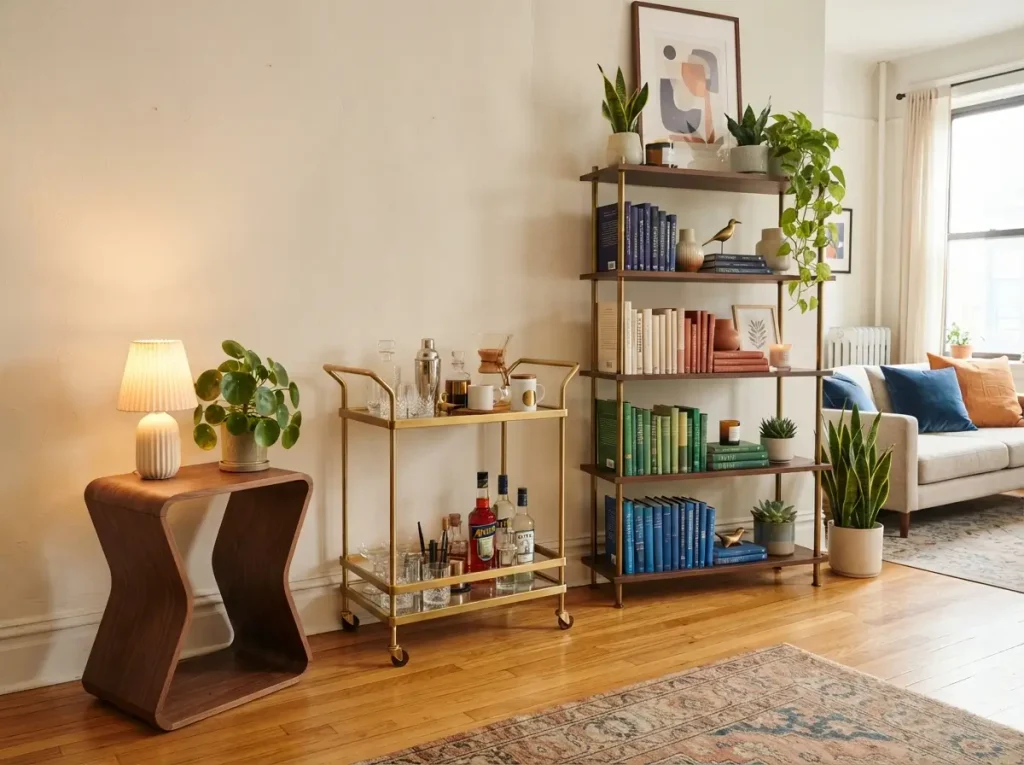
A side table with a curved base works like art. Keep the top clear for a lamp or a drink. A bar cart holds drinks and doubles as a coffee station. Leave space around it so it does not block the walkway. Open shelves show off a collection, so group books, plants, and objects by color or height. Use a freestanding shelf.
Color ideas for any room
Color changes a room faster than furniture does. Most room decor ideas look better when you pick two main colors and one accent. Pillows, art, and curtains give renters color without paint. White, cream, and pale gray reflect more light than dark colors, so they suit dim rooms.
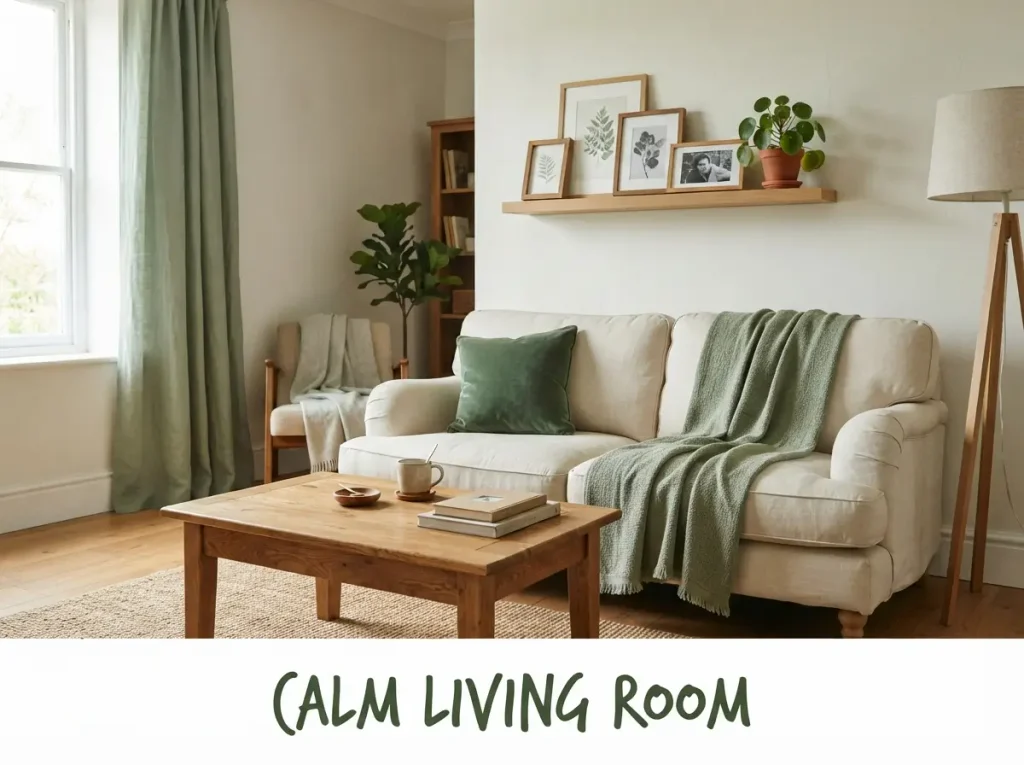
15. Sage green with warm wood
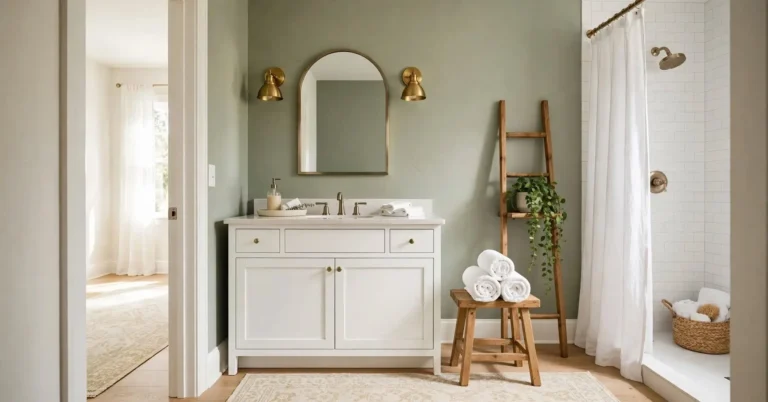
Soft green reads calm. Try sage curtains, a throw, or a plant. Pair it with warm wood, such as a coffee table or picture frames. Add one more green tone in a pillow so it looks planned.
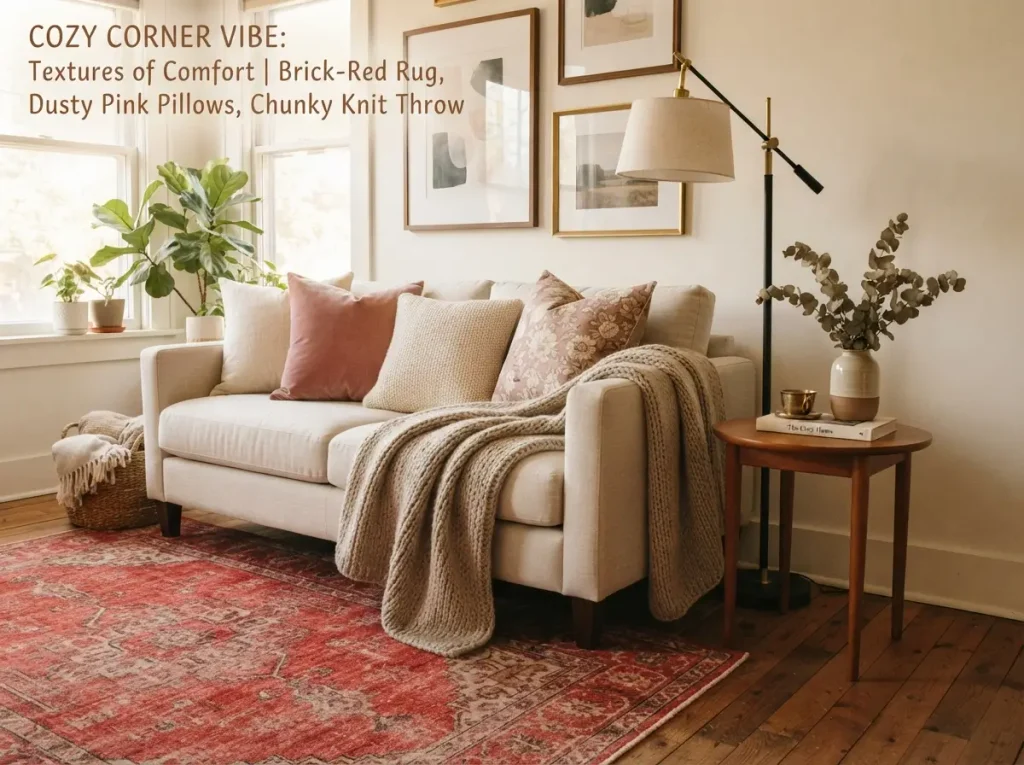
16. Warm palettes: brick, dusty pink, and beige
Brick and rust tones feel warm. Use them in a rug or pillows. Dusty pink works like a neutral next to wood and brass. Beige looks calm, not flat, when you layer textures. Add one dark piece, like a black lamp, for contrast. Pick one warm shade per room so it does not feel crowded.
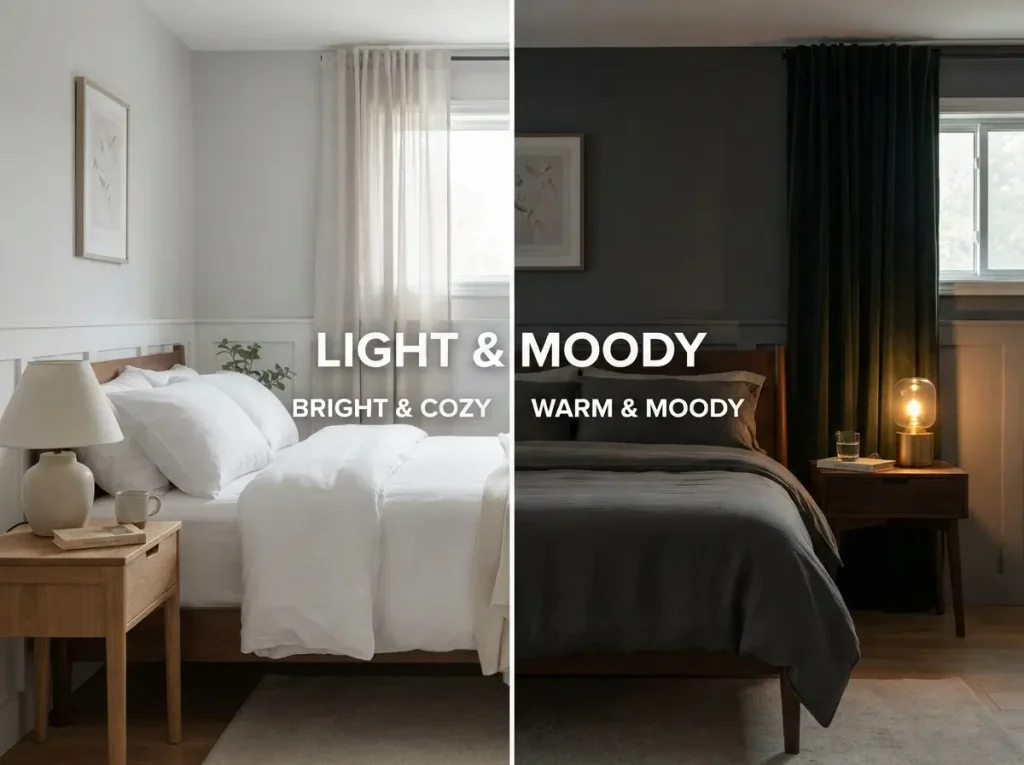
17. Dark and moody walls
If your lease allows paint, deep green, navy, or charcoal makes a room feel snug. Renters can get the look with dark bedding and curtains. Pair deep neutrals with dark wood, leather, or linen. Test a paint sample on the wall before you commit. Add a yellow lamp or pillow for energy.
Style ideas that match your taste
Pick a style from what you already like. Treat these as starting points, not strict rules. Midcentury style uses tapered legs, warm wood, and simple shapes. Modern rustic mixes reclaimed wood with clean lines.
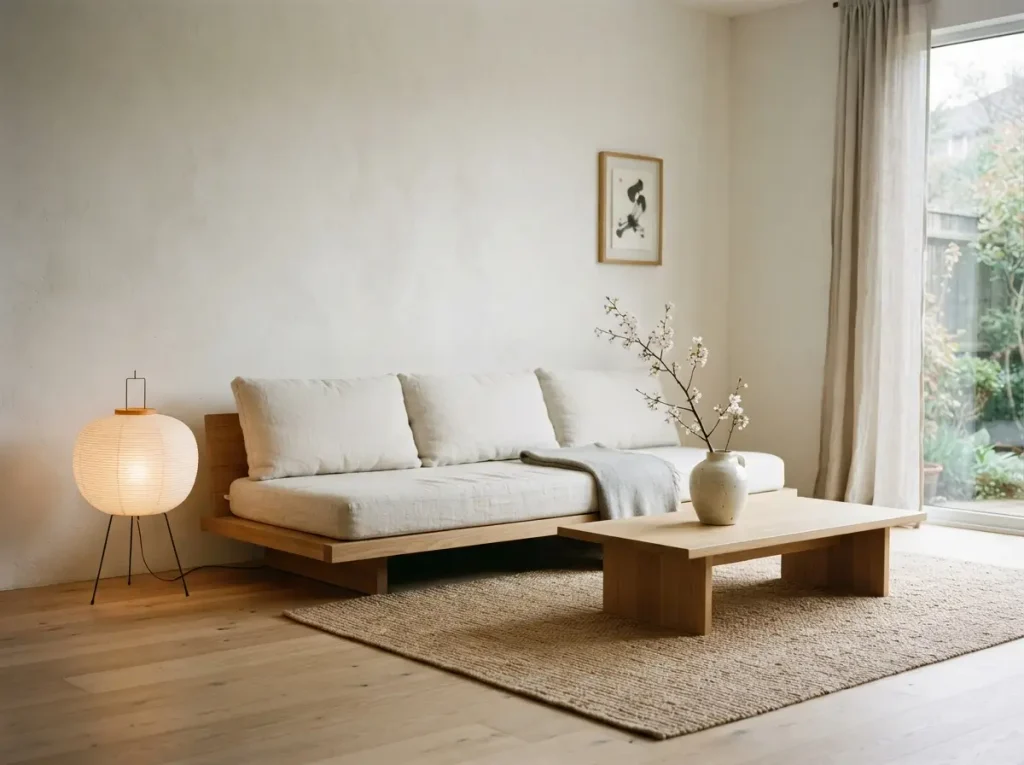
18. Japandi and Scandinavian
Japandi blends Japanese and Scandinavian design. Think low furniture, light wood, and quiet colors. Scandinavian and minimalist rooms use white walls, pale wood, and simple lines. Own fewer pieces, and make each one useful. Keep decor simple and let the furniture lines do the work.
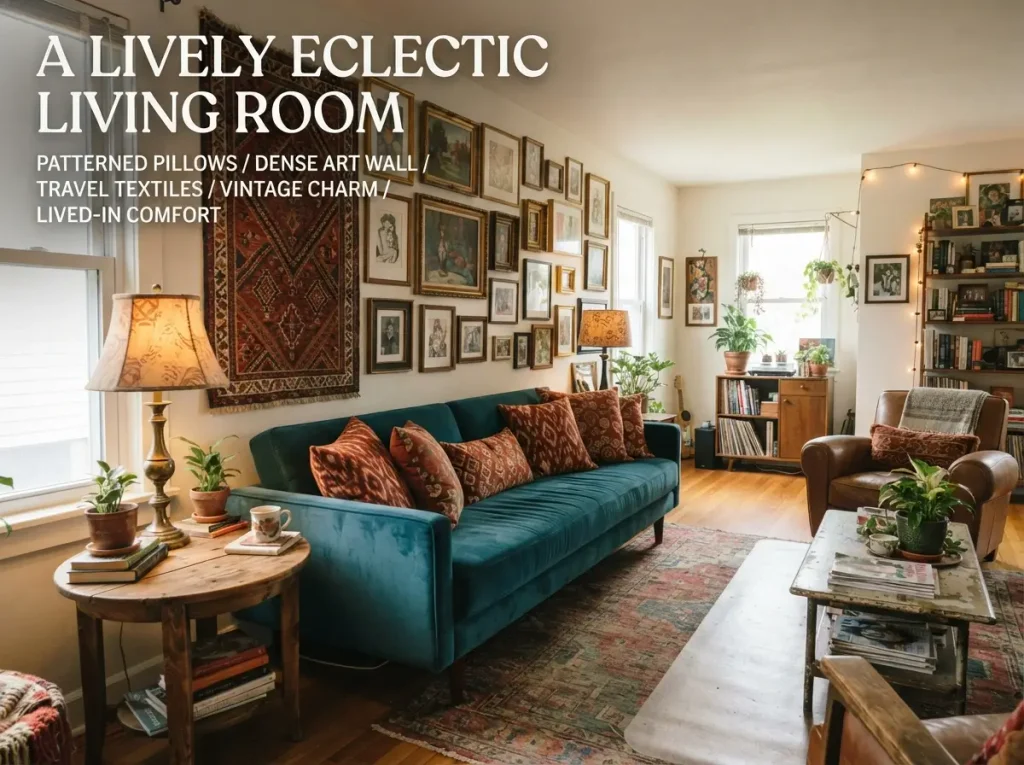
19. Eclectic and maximalist
Pick a limited palette first. Mix old and new, but repeat one color or shape. A vintage lamp beside a modern sofa works well. Maximalist rooms layer art, pattern, and color. Keep a clear walkway so the room feels lively, not messy. Display a textile, a print, or a ceramic from a trip for a personal touch.
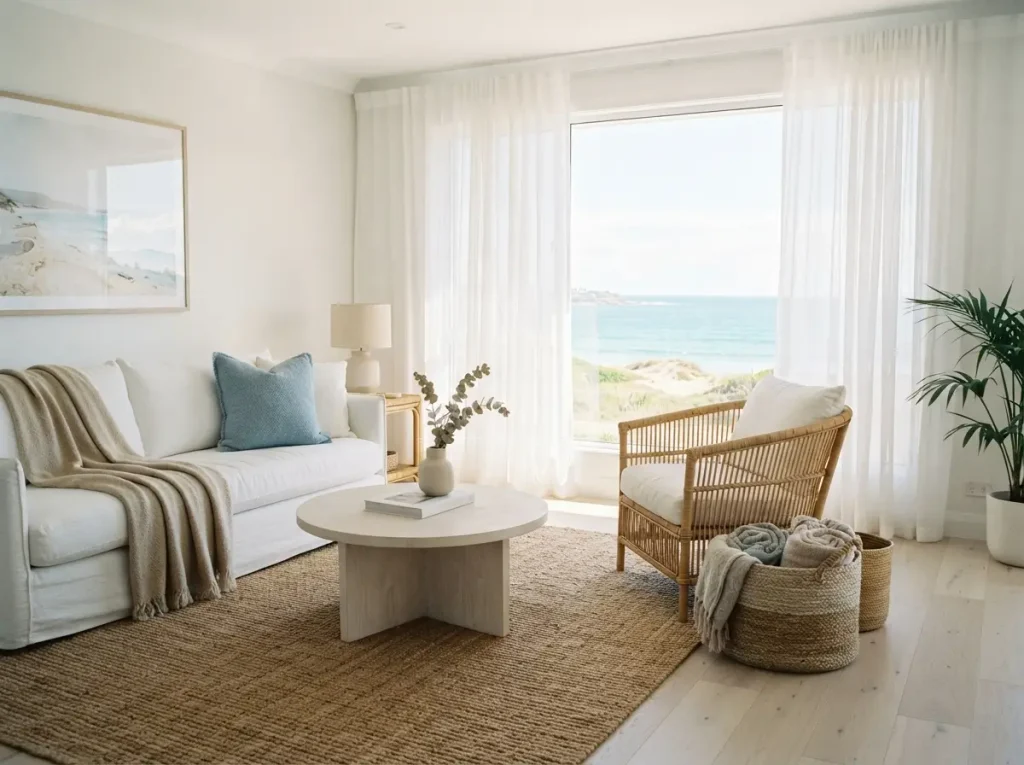
20. Coastal
Use white, sand, and soft blue. Add rope, rattan, and linen. Skip the seashell clutter and keep surfaces simple. Keep windows clear so natural light fills the room.
Finishing touches that make a room feel done
Small details make a room feel finished and personal.
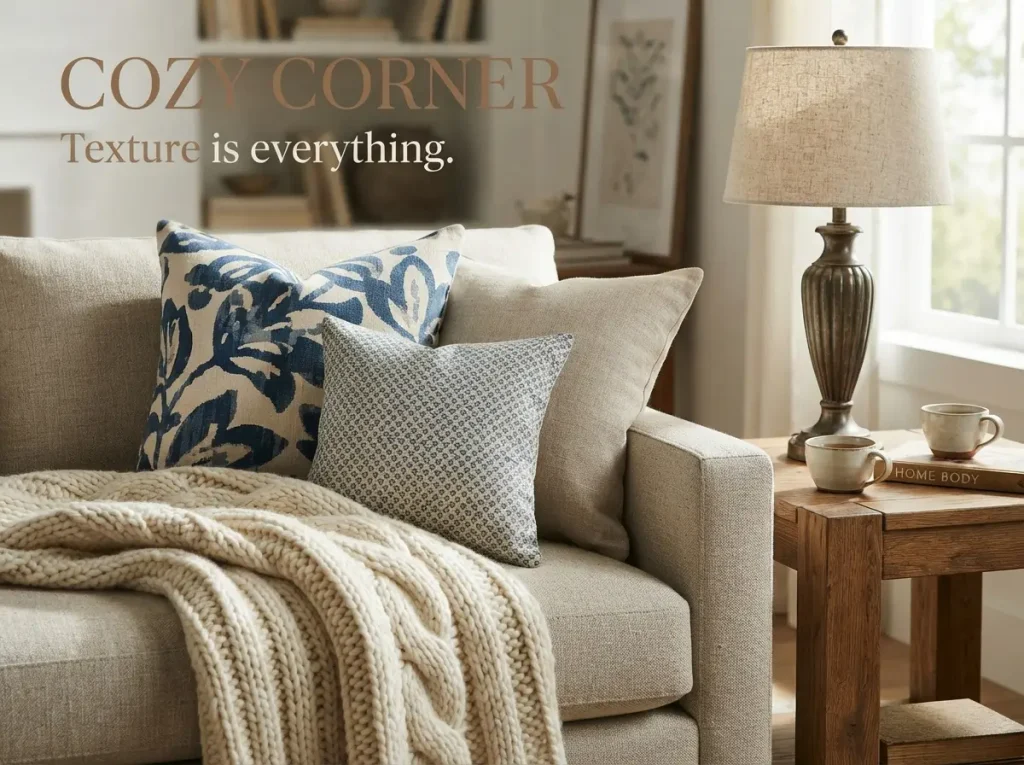
21. Layered textures and one pattern
Mix wool, linen, wood, and metal. Contrast makes a plain room look finished. Start with the bed and sofa, where texture shows most. Add one pattern, and mix patterns only when they share a color. Use one large pattern and one small one. Wood, cane, stone, and linen add a calm, natural feel.
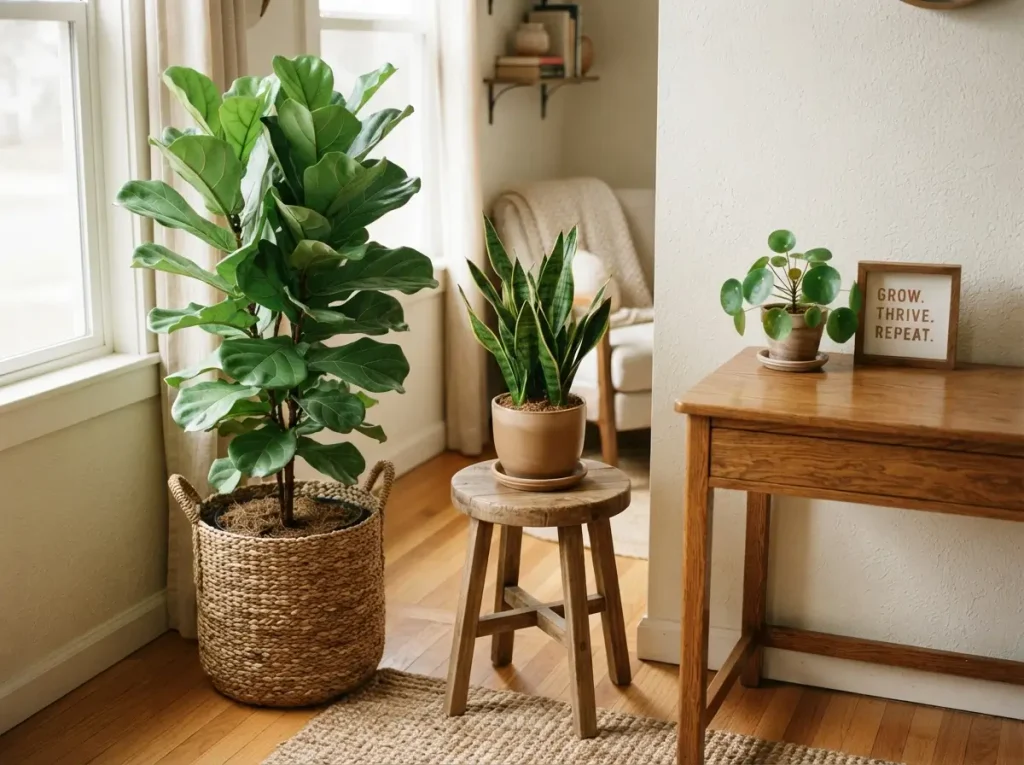
22. Plants in mixed sizes
Pair a tall floor plant with a small desk plant. The EPA says there is no evidence that a reasonable number of houseplants remove significant pollutants in homes. Iowa State University Extension agrees that houseplants have little effect on home air quality. Choose plants for how they look. For cleaner air, the EPA points to removing pollution sources and improving ventilation. Do not overwater, because the EPA says damp soil can grow microorganisms that bother people with allergies. A stool or plinth lifts a plant and adds height.
23. One conversation piece
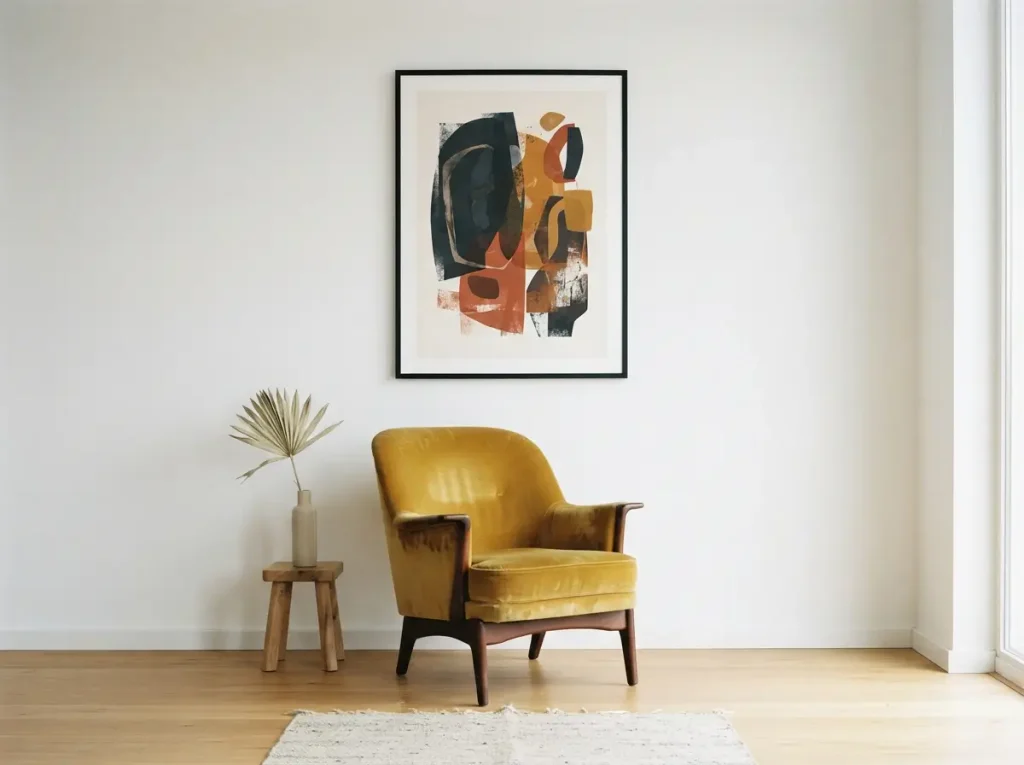
Pick one odd, interesting object. A vintage chair, a bold print, or an unusual lamp all work. A funny print or an old enamel sign shows your humor. Hang light pieces with removable strips. Keep the rest of the shelf or wall simple so the piece stands out.
24. Layered light with warm bulbs
Ambient light fills the room, task light helps you read, and accent light shows off art. Aim for at least two sources per room. Choose LED bulbs in the warm white range. The Ohio Consumers’ Counsel calls 2,700K to 3,000K bulbs cozy and relaxing. The same source lists 3,000K to 4,000K for kitchens, workspaces, and bathrooms. ENERGY STAR says to shop by lumens, not watts. It lists 800 lumens as the minimum to match a 60 watt bulb. Read the Lighting Facts label on the box. It shows brightness, life, light color, and energy used. Dimmable bulbs let you lower the light at night.
How do you refresh a room in one weekend?
Follow this order, and you will finish before Sunday night.
- Friday evening: write the room’s jobs down and measure the space. Tape the layout on the floor.
- Saturday morning: clear clutter and move the big pieces into place. Live with the layout for a few minutes before you move on.
- Saturday afternoon: add the rug, curtains, and lighting. Put the rug down first, then the lamps.
- Sunday morning: hang art and add pillows, throws, and plants. Hang art after the furniture is final.
- Sunday afternoon: step back, remove one item, and fix anything that feels crowded.
What should you splurge on and what should you save on?
Spend more on what you touch and use daily. Save on what you swap often.
| Item | Splurge or save | Why |
| Sofa | Splurge | You use it most |
| Area rug | Splurge a little | It anchors the room and takes daily wear |
| Bedding | Splurge a little | You feel it every night |
| Lamps | Mix | Start with one good lamp and add more later |
| Frames and art | Save | Secondhand frames are easy to find |
| Pillow covers and throws | Save | They are easy to swap as your taste changes |
What mistakes should you avoid?
- Buying before you measure.
- Hanging art too high. Center it about 57 inches above the floor, a standard Apartment Therapy says many galleries and museums use.
- Choosing a rug that is too small. Go larger when you are unsure.
- Ignoring your lease. Read it before you add adhesives, hooks, or paint.
- Skipping the patch test on removable wallpaper and strips.
- Buying everything at once. Add one item and live with it for a week.
Frequently asked questions about decorating a room
What are some cool room decor ideas for my bedroom?
Try layered bedding, a warm lamp, and a large rug. Add curtains that reach the floor. All of these work in a rental.
How do you make a living room look modern?
Stick to a tight palette and simple furniture lines. Clear the surfaces and leave some empty wall. Add one bold piece, like a big lamp or print.
How can you make cheap decor look expensive?
Frame your art, repeat one color, and hang curtains high and long. Choose warm light and clear clutter so each piece shows.
How do you make a small room look bigger?
Use light colors, a large mirror, and furniture with legs. Keep the floor visible.
How much does it cost to redecorate a room?
It depends on your room size, your city, and how many items you replace. Set a total budget first. Rank your wish list, and spend the most on what you use daily.
Final Thoughts
Pick one room and one idea from the budget list. Measure, buy, and finish it this weekend. Then come back to this list of room decor ideas for your next change. Small steps add up, and you can remove all of them when you move.

About Author
Hello there. I am Lathen Reed, a home improvement and interior design enthusiast. With a passion for creating beautiful, practical, and comfortable spaces, I share helpful ideas and inspiration related to home improvement, home decor, interior design, and home styling. Through HomeFixStyle, my goal is to make home improvement simple, inspiring, and accessible for everyone.